Lorena Wilson – författare
Visar alla böcker från författaren Lorena Wilson. Handla med fri frakt och snabb leverans.
5 produkter
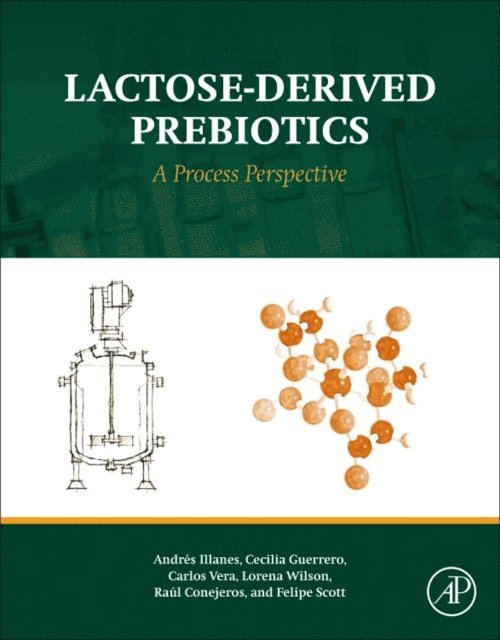
Lactose-Derived Prebiotics
A Process Perspective
Av Andr�s Illanes, Cecilia Guerrero m. fl.
Inbunden, 2016
1868 kr
Lägg i varukorg
Lactose-Derived Prebiotics: A Process Perspective is the first scientific reference to provide a comprehensive technological overview of the processes to derive oligosaccharides from dairy for use in functional foods. With their combined 90+ years in industry and research, the authors present the …
Lactose-Derived Prebiotics
A Process Perspective
Av Felipe Scott, Raul Conejeros m. fl.
E-bok, 2016
2384 kr
Lägg i varukorg
Lactose-Derived Prebiotics: A Process Perspective is the first scientific reference to provide a comprehensive technological overview of the processes to derive oligosaccharides from dairy for use in functional foods. With their combined 90+ years in industry and research, the authors present the …
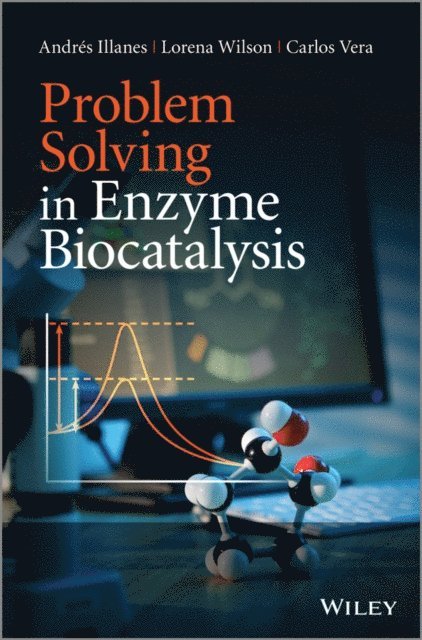
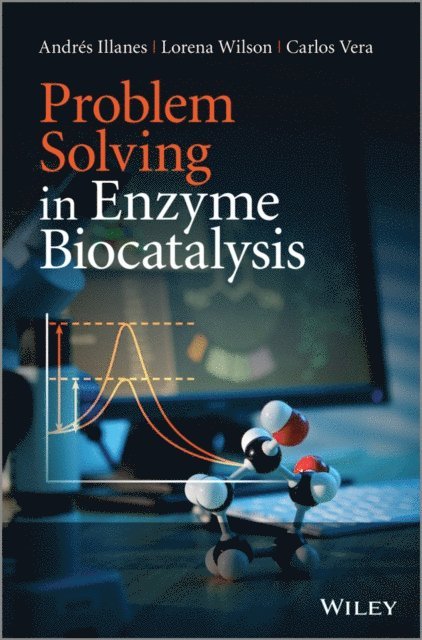
Problem Solving in Enzyme Biocatalysis
Av Andrés Illanes, Lorena Wilson m. fl.
Inbunden, 2014
1119 kr
Lägg i varukorg
Enzyme biocatalysis is a fast-growing area in process biotechnology that has expanded from the traditional fields of foods, detergents, and leather applications to more sophisticated uses in the pharmaceutical and fine-chemicals sectors and environmental management. Conventional applications of …
Problem Solving in Enzyme Biocatalysis
Av Carlos Vera, Lorena Wilson m. fl.
E-bok, 2013
1271 kr
Lägg i varukorg
Enzyme biocatalysis is a fast-growing area in process biotechnology that has expanded from the traditional fields of foods, detergents, and leather applications to more sophisticated uses in the pharmaceutical and fine-chemicals sectors and environmental management. Conventional applications of …
Problem Solving in Enzyme Biocatalysis
Av Carlos Vera, Lorena Wilson m. fl.
E-bok, 2013
1271 kr
Lägg i varukorg
Enzyme biocatalysis is a fast-growing area in process biotechnology that has expanded from the traditional fields of foods, detergents, and leather applications to more sophisticated uses in the pharmaceutical and fine-chemicals sectors and environmental management. Conventional applications of …