Luca Belli – författare
Visar alla böcker från författaren . Handla med fri frakt och snabb leverans.
19 produkter
19 produkter
Inbunden, Engelska, 2025
1 280 kr
Skickas inom 5-8 vardagar
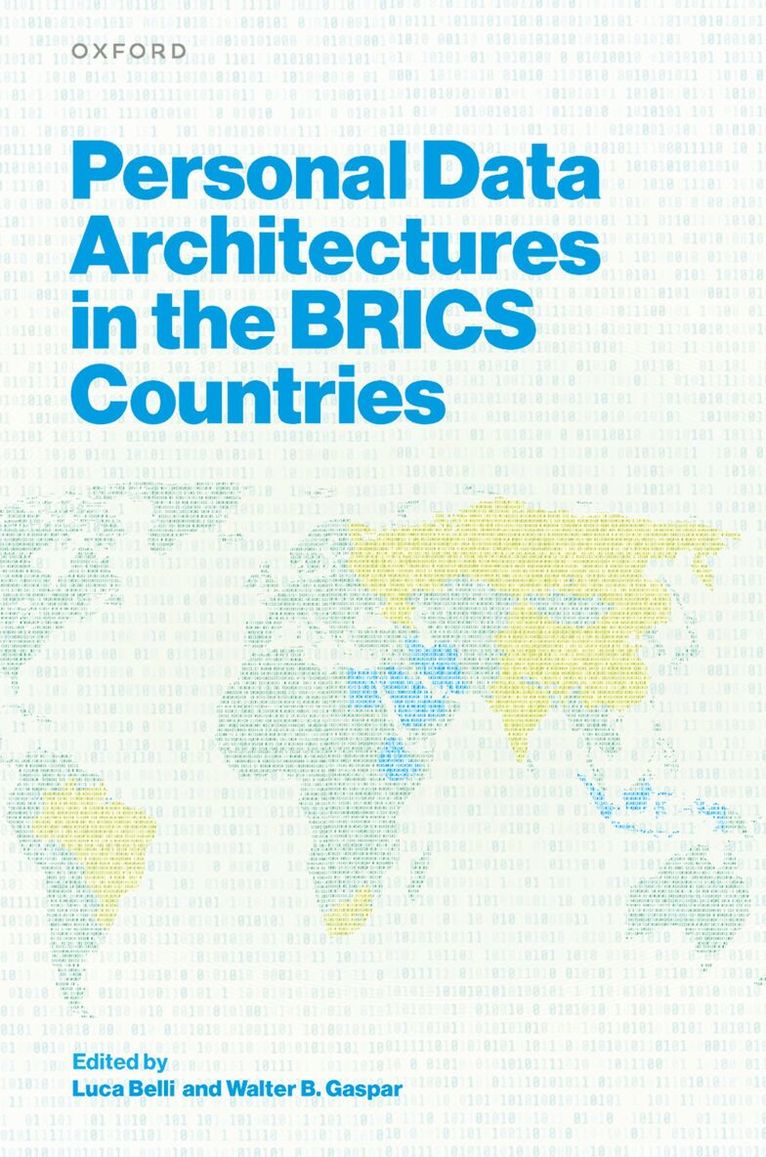
The BRICS nations-Brazil, Russia, India, China, and South Africa-recently committed, as enshrined in their 2024 Declaration, to jointly promoting a global framework for data governance. As the number of new BRICS group members grows, now including six new members and nine new partner countries, emerging economies are increasingly shaping the dynamics of data governance and digital cooperation.Personal Data Architectures in the BRICS Countries provides a comprehensive analysis of personal data governance frameworks within the BRICS nations and explores the potential for enhanced cooperation in the management and regulation of international data flows. Drawing on the pioneering research of the CyberBRICS project, each chapter in this volume delves into the unique legislative landscapes of the member countries, highlighting significant regulatory developments such as Brazil's General Data Protection Law (LGPD), Russia's evolving privacy and data localisation regulations, India's Digital Personal Data Protection Act 2023 and its Data Empowerment and Protection Architecture, China's Personal Information Protection Law (PIPL), and South Africa's Protection of Personal Information Act (POPIA). The authors examine the challenges each nation faces in harmonising data protection with economic growth and technological innovation, while addressing issues of national sovereignty, cybersecurity, industrial policy, and international coordination. Pioneering and timely, this volume offers concrete solutions and mechanisms for sustainable transborder data transfers and digital trade, emphasising the importance of fostering legal interoperability and shared governance principles. By proposing model contractual clauses and strategic cooperation pathways, the book advocates for a shared BRICS stance on personal data protection, aiming to balance data subject rights with the imperatives of cybersecurity and digital sovereignty in a connected digital economy.
E-bok
PDF, Engelska, 2025452 kr
Läs direkt efter köp
E-bok
Engelska, 2025452 kr
Läs direkt efter köp
Häftad, Engelska, 2025
390 kr
Skickas inom 7-10 vardagar
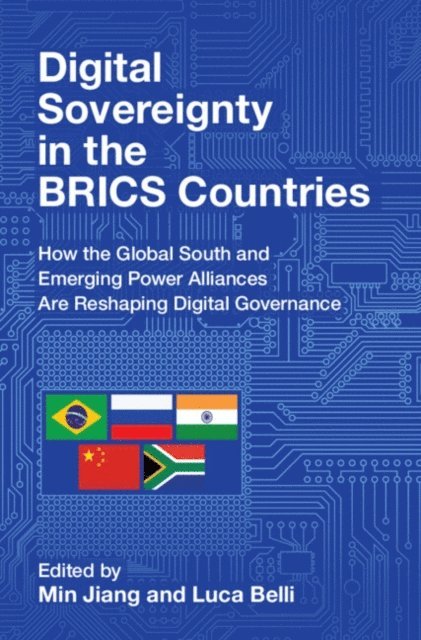
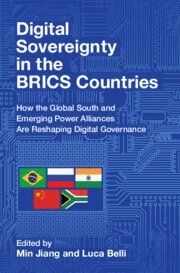
In a world where digital development and policymaking are dominated by Silicon Valley tech giants, the BRICS countries - Brazil, Russia, India, China, and South Africa - play an increasingly important role. With forty percent of the world's population and twenty-five percent of global GDP, these nations possess vast troves of personal data. Yet, their conceptions, narratives, and initiatives of digital sovereignty remain understudied. This volume is the first to explore digital sovereignty from a Global South perspective and offers a forward-looking take on what a world less dependent on Silicon Valley might look like. It brings together excellent analyses of BRICS digital sovereignty issues, from historical imaginaries to up-to-date conceptualizations, e-payment to smart cities, legal analysis to geopolitical assessment. By offering neglected perspectives from the Global South, this book makes important contributions to the digital sovereignty debate. This title is also available as Open Access on Cambridge Core.
Inbunden, Engelska, 2025
1 182 kr
Skickas inom 7-10 vardagar
In a world where digital development and policymaking are dominated by Silicon Valley tech giants, the BRICS countries - Brazil, Russia, India, China, and South Africa - play an increasingly important role. With forty percent of the world's population and twenty-five percent of global GDP, these nations possess vast troves of personal data. Yet, their conceptions, narratives, and initiatives of digital sovereignty remain understudied. This volume is the first to explore digital sovereignty from a Global South perspective and offers a forward-looking take on what a world less dependent on Silicon Valley might look like. It brings together excellent analyses of BRICS digital sovereignty issues, from historical imaginaries to up-to-date conceptualizations, e-payment to smart cities, legal analysis to geopolitical assessment. By offering neglected perspectives from the Global South, this book makes important contributions to the digital sovereignty debate. This title is also available as Open Access on Cambridge Core.
Häftad, Engelska, 2026
349 kr
Kommande
Häftad, Danska, 2023
399 kr
Skickas inom 5-8 vardagar
Inbunden, Engelska, 2021
1 387 kr
Skickas inom 10-15 vardagar
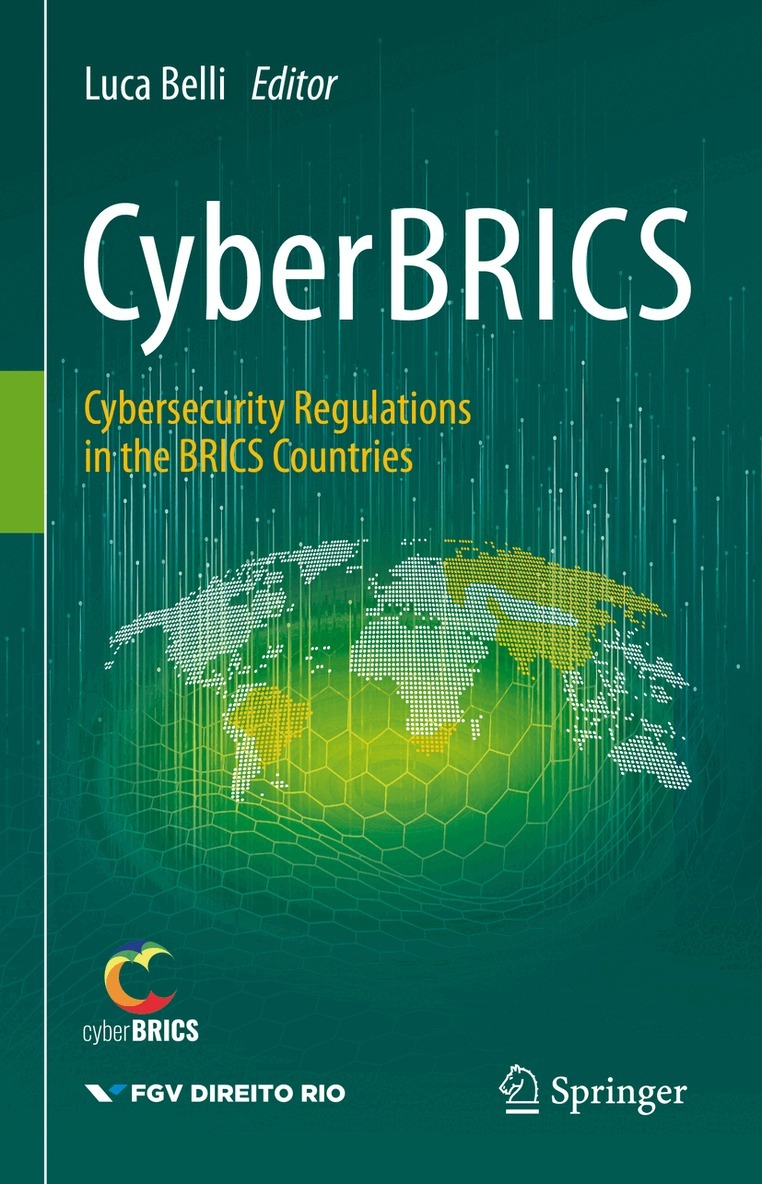
This book stems from the CyberBRICS project, which is the first major attempt to produce a comparative analysis of Internet regulations in the BRICS countries – namely, Brazil, Russia, India, China, and South Africa. The project has three main objectives: 1) to map existing regulations; 2) to identify best practices; and 3) to develop policy recommendations in the various areas that compose cybersecurity governance, with a particular focus on the strategies adopted by the BRICS countries to date. Each study covers five essential dimensions of cybersecurity: data protection, consumer protection, cybercrime, the preservation of public order, and cyberdefense.The BRICS countries were selected not only for their size and growing economic and geopolitical relevance but also because, over the next decade, projected Internet growth is expected to occur predominantly in these countries. Consequently, the technology, policy and governance arrangements defined by the BRICS countries are likely to impact not only the 3.2 billion people living in them, but also the individuals and businesses that choose to utilize increasingly popular applications and services developed in BRICS countries according to BRICS standards. Researchers, regulators, start-up innovators and other Internet stakeholders will find this book a valuable guide to the inner workings of key cyber policies in this rapidly growing region.
E-bok
Engelska, 20211 740 kr
Läs direkt efter köp
This book stems from the CyberBRICS project, which is the first major attempt to produce a comparative analysis of Internet regulations in the BRICS countries – namely, Brazil, Russia, India, China, and South Africa. The project has three main objectives: 1) to map existing regulations; 2) to identify best practices; and 3) to develop policy recommendations in the various areas that compose cybersecurity governance, with a particular focus on the strategies adopted by the BRICS countries to date. Each study covers five essential dimensions of cybersecurity: data protection, consumer protection, cybercrime, the preservation of public order, and cyberdefense.The BRICS countries were selected not only for their size and growing economic and geopolitical relevance but also because, over the next decade, projected Internet growth is expected to occur predominantly in these countries. Consequently, the technology, policy and governance arrangements defined by the BRICS countries are likely to impact not only the 3.2 billion people living in them, but also the individuals and businesses that choose to utilize increasingly popular applications and services developed in BRICS countries according to BRICS standards. Researchers, regulators, start-up innovators and other Internet stakeholders will find this book a valuable guide to the inner workings of key cyber policies in this rapidly growing region.
Häftad, Engelska, 2022
1 387 kr
Skickas inom 10-15 vardagar
This book stems from the CyberBRICS project, which is the first major attempt to produce a comparative analysis of Internet regulations in the BRICS countries – namely, Brazil, Russia, India, China, and South Africa. The project has three main objectives: 1) to map existing regulations; 2) to identify best practices; and 3) to develop policy recommendations in the various areas that compose cybersecurity governance, with a particular focus on the strategies adopted by the BRICS countries to date. Each study covers five essential dimensions of cybersecurity: data protection, consumer protection, cybercrime, the preservation of public order, and cyberdefense.The BRICS countries were selected not only for their size and growing economic and geopolitical relevance but also because, over the next decade, projected Internet growth is expected to occur predominantly in these countries. Consequently, the technology, policy and governance arrangements defined by the BRICS countries are likely to impact not only the 3.2 billion people living in them, but also the individuals and businesses that choose to utilize increasingly popular applications and services developed in BRICS countries according to BRICS standards. Researchers, regulators, start-up innovators and other Internet stakeholders will find this book a valuable guide to the inner workings of key cyber policies in this rapidly growing region.
Inbunden, Engelska, 2026
1 979 kr
Skickas inom 10-15 vardagar
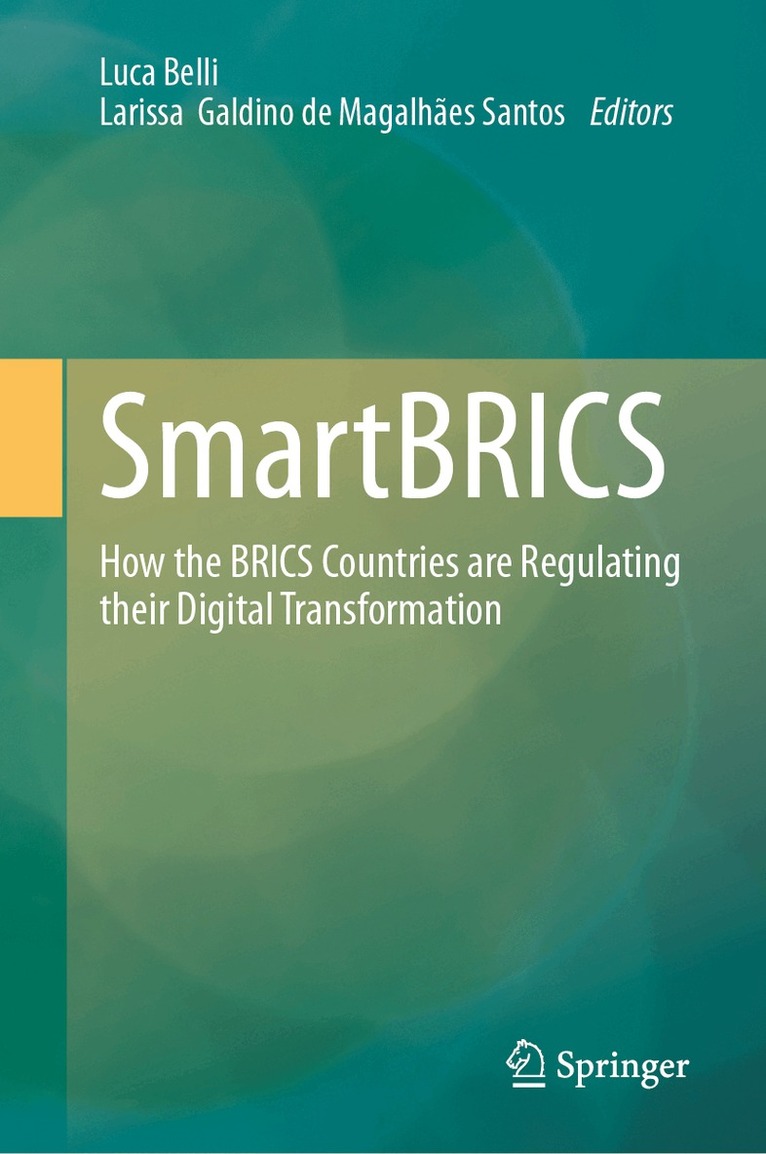
This book provides an in-depth understanding of how the highly strategic BRICS (Brazil, Russia, India, China, and South Africa) countries are planning and implementing their digital transformation processes. It focuses particularly on two essential, yet often neglected, aspects of digital transformation: the expansion of connectivity and the digitalization of public services. Throughout its chapters, this book maps the policies, regulations, governance mechanisms, and initiatives adopted by the BRICS to achieve the ambitious goal of becoming “smart” countries. In these nations, the functioning of the economy, society, and democratic governance is supported and enhanced by technology, leading to significant evolution.Adopting a critical approach, this volume acknowledges that digital transformation processes are not exempt from criticism, despite offering unique opportunities for developing countries to become global leaders. In addition to mapping the digital transformation processes of the BRICS countries, this book provides valuable insights into their approaches, highlighting both limitations and notable success stories. These insights are beneficial for researchers, policymakers, and practitioners alike.This volume is the result of an exceptional collaboration between CTS-FGV, the Center for Technology and Society at Fundação Getulio Vargas Law School, Rio de Janeiro, and UNU-EGOV, the United Nations University Operating Unit on Policy-Driven Electronic Governance.
2 613 kr
Läs direkt efter köp
This book provides an in-depth understanding of how the highly strategic BRICS (Brazil, Russia, India, China, and South Africa) countries are planning and implementing their digital transformation processes. It focuses particularly on two essential, yet often neglected, aspects of digital transformation: the expansion of connectivity and the digitalization of public services. Throughout its chapters, this book maps the policies, regulations, governance mechanisms, and initiatives adopted by the BRICS to achieve the ambitious goal of becoming "e;smart"e; countries. In these nations, the functioning of the economy, society, and democratic governance is supported and enhanced by technology, leading to significant evolution.Adopting a critical approach, this volume acknowledges that digital transformation processes are not exempt from criticism, despite offering unique opportunities for developing countries to become global leaders. In addition to mapping the digital transformation processes of the BRICS countries, this book provides valuable insights into their approaches, highlighting both limitations and notable success stories. These insights are beneficial for researchers, policymakers, and practitioners alike.This volume is the result of an exceptional collaboration between CTS-FGV, the Center for Technology and Society at Fundacao Getulio Vargas Law School, Rio de Janeiro, and UNU-EGOV, the United Nations University Operating Unit on Policy-Driven Electronic Governance.
Del 8 - Data Science, Machine Intelligence, and Law
Quest for AI Sovereignty, Transparency and Accountability
Official Outcome of the UN IGF Data and Artificial Intelligence Governance Coalition
Inbunden, Engelska, 2026
2 176 kr
Skickas inom 10-15 vardagar
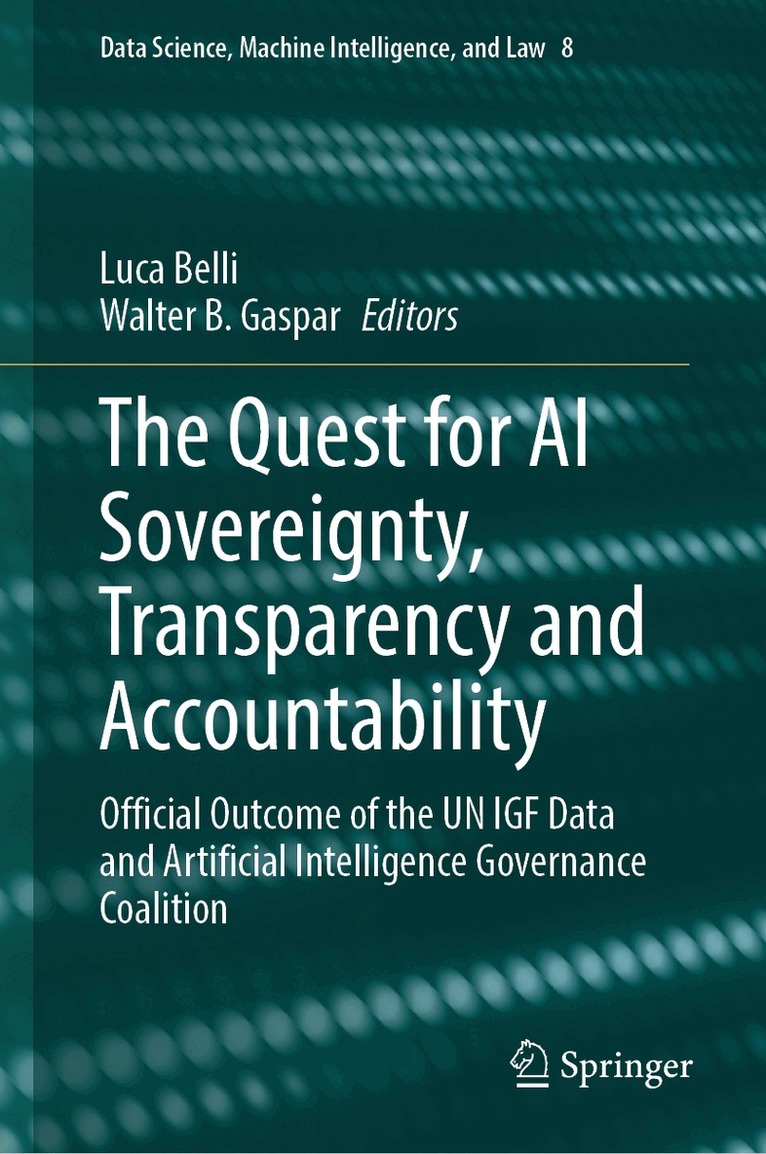
This book presents a comprehensive collection of essays that explore the complex issues surrounding Artificial Intelligence (AI) governance. It is divided into five parts, each offering a unique perspective on AI sovereignty, transparency, and accountability. The book begins by introducing the concept of AI sovereignty and its enablers in Brazil, South Africa, and India. It then delves into the meanings of AI transparency and accountability, proposing new concepts for regulation and innovative analytical frameworks. Following this, the book presents multiple regional perspectives on AI governance, starting with the Western viewpoint, which examines the European Union's approach, the role of corporate governance, and the implications of AI for military affairs. The subsequent chapters focus on Asian and African perspectives, analyzing China's AI law, India's Digi Yatra project, and the development of AI governance in Africa, highlighting the need for AI standards for the Majority World. The collection concludes with Latin American perspectives, featuring case studies and detailed regulatory landscapes from Brazil, Colombia, Chile, and Argentina. Throughout the book, readers will encounter a diverse range of topics, including the operationalization of AI accountability, the regulation of AI based on its supply chains, the promise of AI sovereignty, and the challenges of responsible innovation. With contributions from experts worldwide, "The Quest for AI Sovereignty, Transparency, and Accountability" offers a critical examination and pragmatic guidance on the complexities of AI governance, providing valuable insights for policymakers, entrepreneurs, and scholars alike.
E-bok
Engelska, 20262 904 kr
Läs direkt efter köp
This book presents a comprehensive collection of essays that explore the complex issues surrounding Artificial Intelligence (AI) governance. It is divided into five parts, each offering a unique perspective on AI sovereignty, transparency, and accountability. The book begins by introducing the concept of AI sovereignty and its enablers in Brazil, South Africa, and India. It then delves into the meanings of AI transparency and accountability, proposing new concepts for regulation and innovative analytical frameworks. Following this, the book presents multiple regional perspectives on AI governance, starting with the Western viewpoint, which examines the European Union's approach, the role of corporate governance, and the implications of AI for military affairs. The subsequent chapters focus on Asian and African perspectives, analyzing China's AI law, India's Digi Yatra project, and the development of AI governance in Africa, highlighting the need for AI standards for the Majority World. The collection concludes with Latin American perspectives, featuring case studies and detailed regulatory landscapes from Brazil, Colombia, Chile, and Argentina. Throughout the book, readers will encounter a diverse range of topics, including the operationalization of AI accountability, the regulation of AI based on its supply chains, the promise of AI sovereignty, and the challenges of responsible innovation. With contributions from experts worldwide, "e;The Quest for AI Sovereignty, Transparency, and Accountability"e; offers a critical examination and pragmatic guidance on the complexities of AI governance, providing valuable insights for policymakers, entrepreneurs, and scholars alike.
Inbunden, Engelska, 2026
2 176 kr
Skickas inom 10-15 vardagar
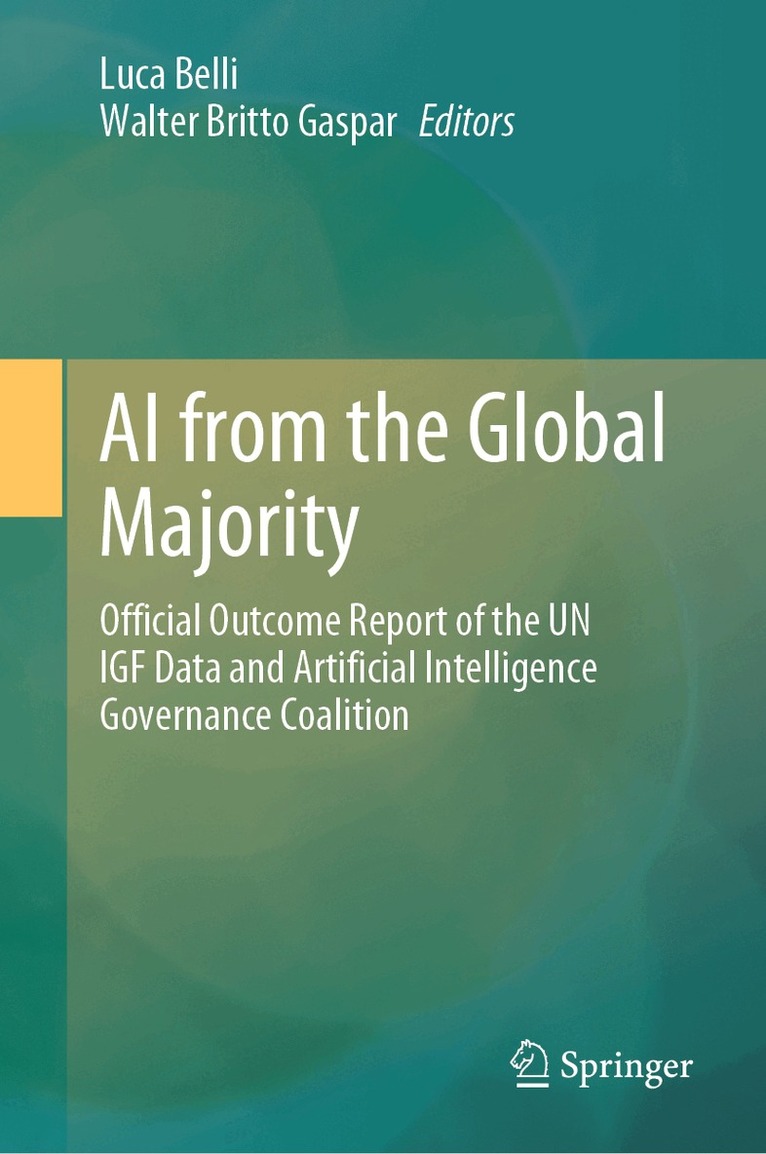
This book provides crucial and largely underexplored Global South-centered perspective on AI governance, ethics, and regulation, challenging dominant narratives shaped by a limited number of developed countries from the Global North. AI from the Global Majority highlights the voices, experiences, and challenges of regions often marginalized in global AI discussions—Africa, Asia, Latin America, and the Middle East—bringing forward solutions tailored to their unique social, economic, and political contexts. Through a diverse collection of essays from leading experts, policymakers, and researchers, this volume examines AI’s impact on human rights, democracy, labor, cybersecurity, and digital sovereignty. It explores pressing issues such as algorithmic bias, data governance, disinformation, AI’s role in reinforcing or disrupting global power asymmetries, and the urgent need for inclusive and ethical AI policies. With real-world case studies from 16 countries, this book offers insights into how different nations and regions are shaping AI regulation, resisting digital colonialism, and advocating for fairer, more responsible technological development. The book contributors focus particularly on how AI systems can perpetuate social inequalities if not designed with diverse perspectives in mind. By analyzing labor exploitation in AI supply chains, discriminatory AI-driven decision-making, and the environmental costs of AI infrastructure, this book raises essential questions about the future of AI governance. It also proposes forward-thinking frameworks that prioritize transparency, accountability, and the participation of historically excluded communities. This book is essential reading for academics, policymakers, legal experts, and technology professionals interested in AI ethics, global technology governance, and digital rights. It is also a valuable resource for activists, journalists, and students looking to understand how AI can be developed and deployed in ways that are equitable and socially just.
E-bok
Engelska, 20262 904 kr
Läs direkt efter köp
This book provides crucial and largely underexplored Global South-centered perspective on AI governance, ethics, and regulation, challenging dominant narratives shaped by a limited number of developed countries from the Global North. AI from the Global Majority highlights the voices, experiences, and challenges of regions often marginalized in global AI discussions—Africa, Asia, Latin America, and the Middle East—bringing forward solutions tailored to their unique social, economic, and political contexts. Through a diverse collection of essays from leading experts, policymakers, and researchers, this volume examines AI’s impact on human rights, democracy, labor, cybersecurity, and digital sovereignty. It explores pressing issues such as algorithmic bias, data governance, disinformation, AI’s role in reinforcing or disrupting global power asymmetries, and the urgent need for inclusive and ethical AI policies. With real-world case studies from 16 countries, this book offers insights into how different nations and regions are shaping AI regulation, resisting digital colonialism, and advocating for fairer, more responsible technological development. The book contributors focus particularly on how AI systems can perpetuate social inequalities if not designed with diverse perspectives in mind. By analyzing labor exploitation in AI supply chains, discriminatory AI-driven decision-making, and the environmental costs of AI infrastructure, this book raises essential questions about the future of AI governance. It also proposes forward-thinking frameworks that prioritize transparency, accountability, and the participation of historically excluded communities. This book is essential reading for academics, policymakers, legal experts, and technology professionals interested in AI ethics, global technology governance, and digital rights. It is also a valuable resource for activists, journalists, and students looking to understand how AI can be developed and deployed in ways that are equitable and socially just.
Inbunden, Engelska, 2015
993 kr
Skickas inom 10-15 vardagar
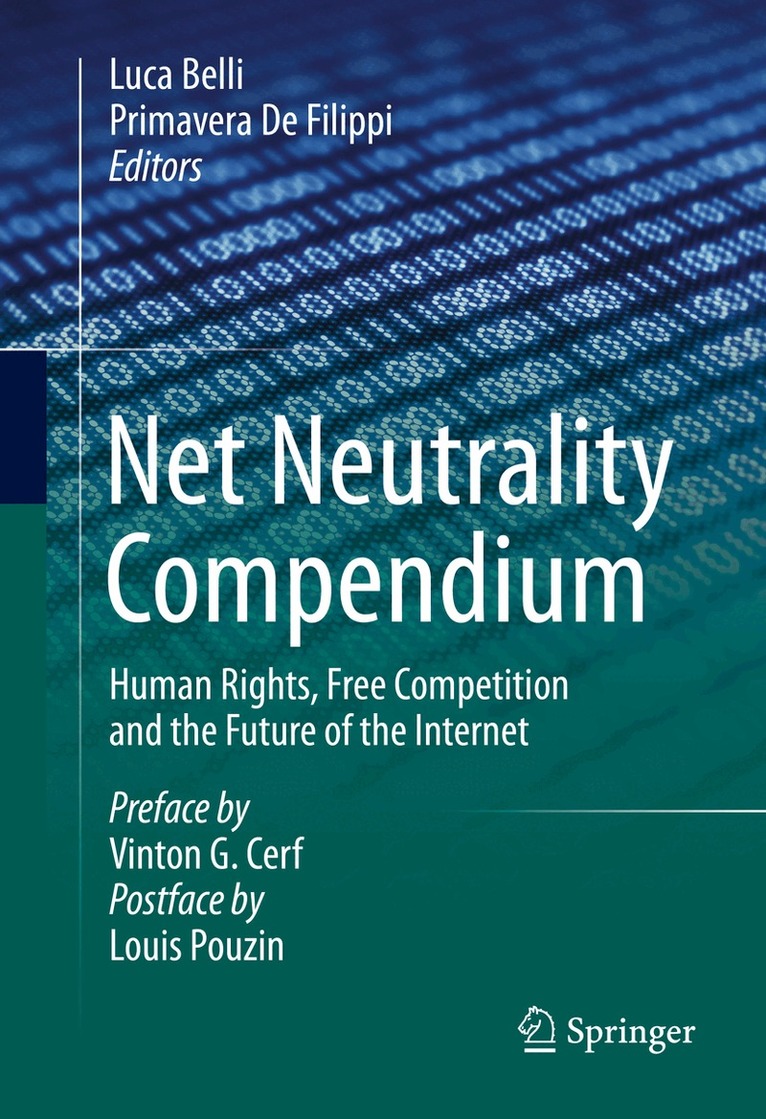
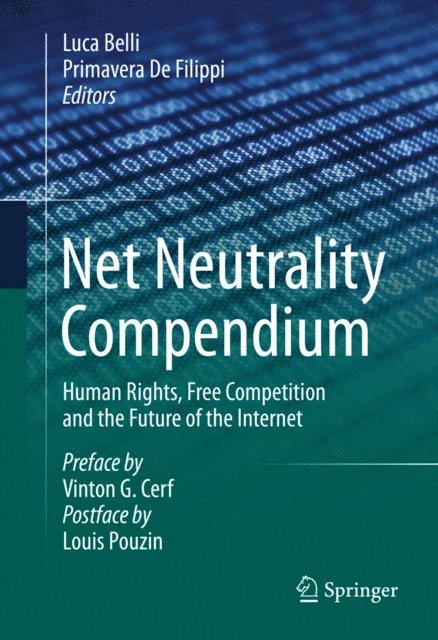
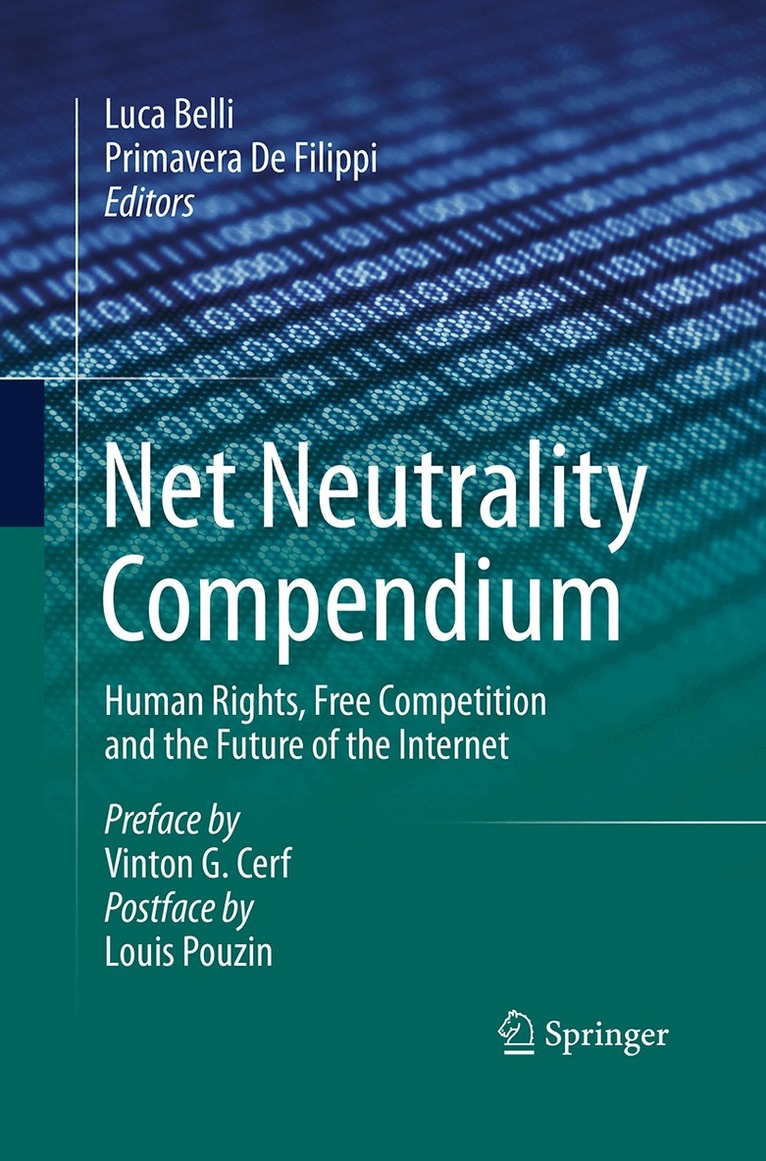
The ways in which Internet traffic is managed have direct consequences on Internet users’ rights as well as on their capability to compete on a level playing field. Network neutrality mandates to treat Internet traffic in a non-discriminatory fashion in order to maximise end users’ freedom and safeguard an open Internet. This book is the result of a collective work aimed at providing deeper insight into what is network neutrality, how does it relates to human rights and free competition and how to properly frame this key issue through sustainable policies and regulations. The Net Neutrality Compendium stems from three years of discussions nurtured by the members of the Dynamic Coalition on Network Neutrality (DCNN), an open and multi-stakeholder group, established under the aegis of the United Nations Internet Governance Forum (IGF).
E-bok
PDF, Engelska, 20151 303 kr
Läs direkt efter köp
The ways in which Internet traffic is managed have direct consequences on Internet users’ rights as well as on their capability to compete on a level playing field. Network neutrality mandates to treat Internet traffic in a non-discriminatory fashion in order to maximise end users’ freedom and safeguard an open Internet. This book is the result of a collective work aimed at providing deeper insight into what is network neutrality, how does it relates to human rights and free competition and how to properly frame this key issue through sustainable policies and regulations. The Net Neutrality Compendium stems from three years of discussions nurtured by the members of the Dynamic Coalition on Network Neutrality (DCNN), an open and multi-stakeholder group, established under the aegis of the United Nations Internet Governance Forum (IGF).
Häftad, Engelska, 2015
993 kr
Skickas inom 10-15 vardagar
The ways in which Internet traffic is managed have direct consequences on Internet users’ rights as well as on their capability to compete on a level playing field. Network neutrality mandates to treat Internet traffic in a non-discriminatory fashion in order to maximise end users’ freedom and safeguard an open Internet. This book is the result of a collective work aimed at providing deeper insight into what is network neutrality, how does it relates to human rights and free competition and how to properly frame this key issue through sustainable policies and regulations. The Net Neutrality Compendium stems from three years of discussions nurtured by the members of the Dynamic Coalition on Network Neutrality (DCNN), an open and multi-stakeholder group, established under the aegis of the United Nations Internet Governance Forum (IGF).