Luca Zavagno – författare
Visar alla böcker från författaren Luca Zavagno. Handla med fri frakt och snabb leverans.
16 produkter
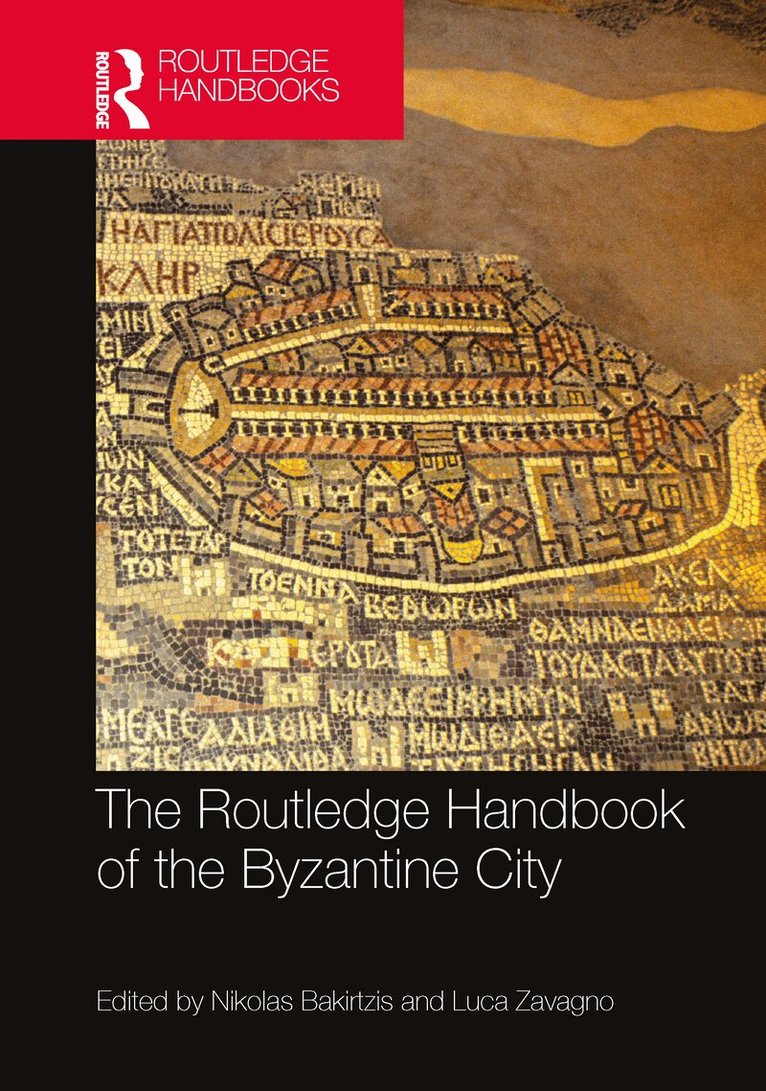
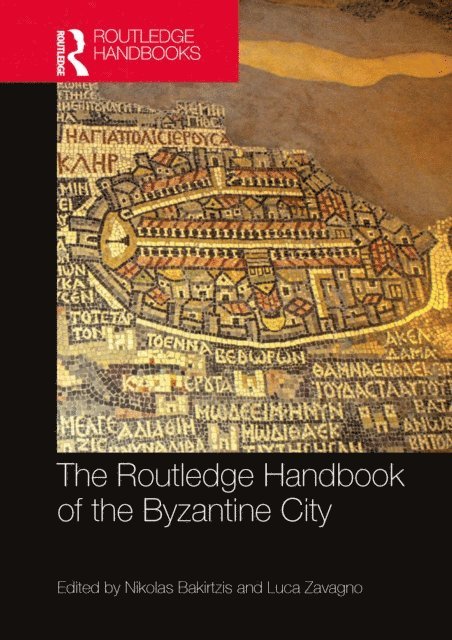
Routledge Handbook of the Byzantine City
From Justinian to Mehmet II (ca. 500 - ca.1500)
Av Nikolas Bakirtzis, Luca Zavagno
Häftad, 2025
816 kr
Lägg i varukorg
The Byzantine world contained many important cities throughout its empire. Although it was not ‘urban’ in the sense of the word today, its cities played a far more fundamental role than those of its European neighbors. This book, through a collection of twenty-four chapters, discusses aspects of, …
Routledge Handbook of the Byzantine City
From Justinian to Mehmet II (ca. 500 - ca.1500)
Av Nikolas Bakirtzis, Luca Zavagno
Inbunden, 2024
3904 kr
Lägg i varukorg
The Byzantine world contained many important cities throughout its empire. Although it was not ‘urban’ in the sense of the word today, its cities played a far more fundamental role than those of its European neighbors. This book, through a collection of twenty-four chapters, discusses aspects of, …
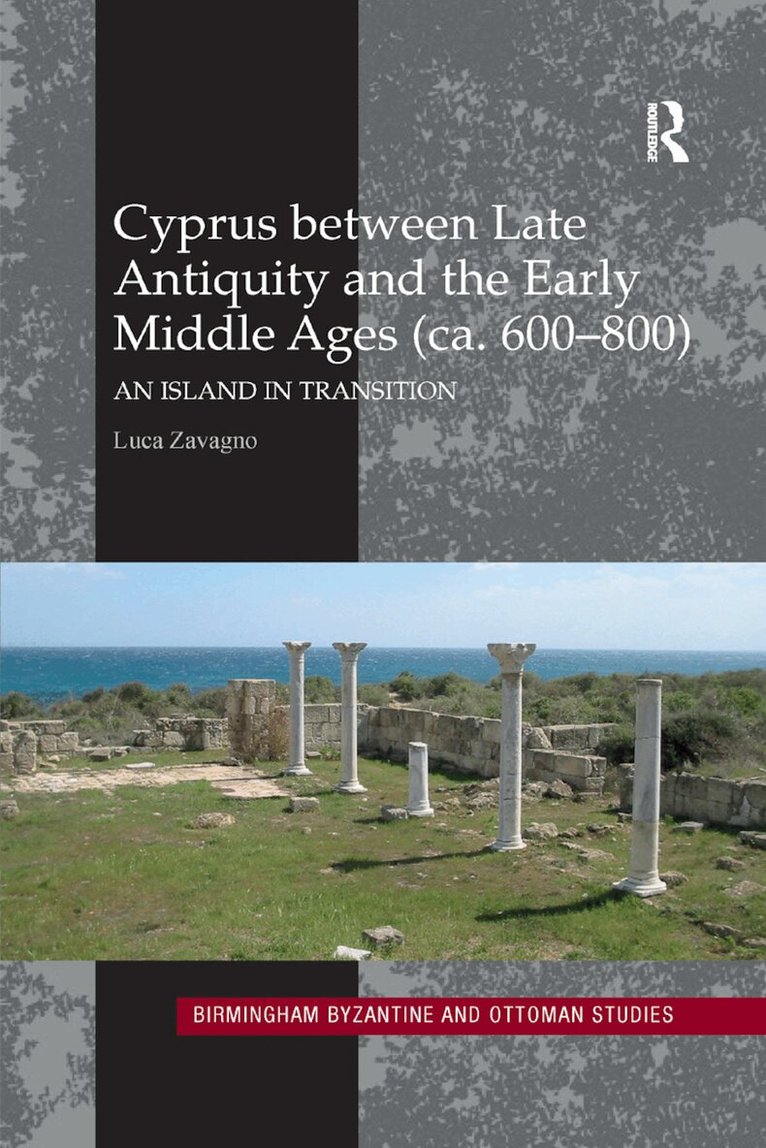
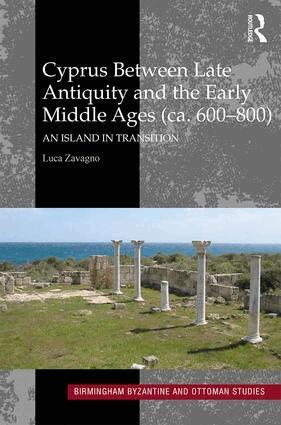
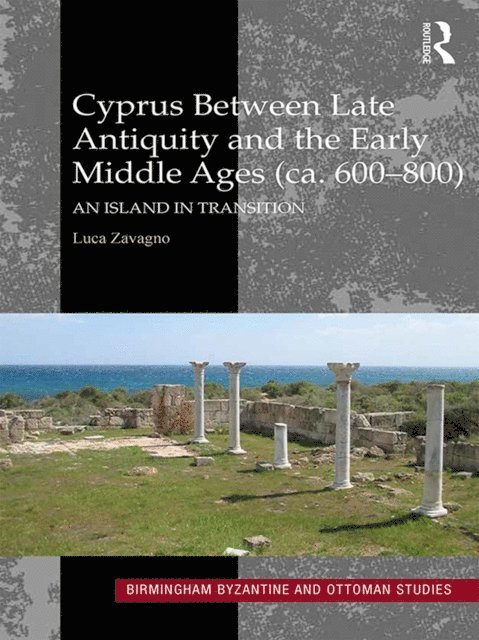
Cyprus between Late Antiquity and the Early Middle Ages (ca. 600–800)
An Island in Transition
Av Luca Zavagno
Häftad, 2019
727 kr
Lägg i varukorg
Research on early medieval Cyprus has focused on the late antique "golden age" (late fourth/early fifth to seventh century) and the so-called Byzantine "Reconquista" (post-AD 965) while overlooking the intervening period. This phase was characterized, supposedly, by the division of the political …
Routledge Handbook of the Byzantine City
From Justinian to Mehmet II (ca. 500 - ca.1500)
Av Luca Zavagno, Nikolas Bakirtzis
E-bok, 2024
933 kr
Lägg i varukorg
The Byzantine world contained many important cities throughout its empire. Although it was not ‘urban’ in the sense of the word today, its cities played a far more fundamental role than those of its European neighbors. This book, through a collection of twenty-four chapters, discusses aspects of, …
Routledge Handbook of the Byzantine City
From Justinian to Mehmet II (ca. 500 - ca.1500)
Av Luca Zavagno, Nikolas Bakirtzis
E-bok, 2024
963 kr
Lägg i varukorg
The Byzantine world contained many important cities throughout its empire. Although it was not ‘urban’ in the sense of the word today, its cities played a far more fundamental role than those of its European neighbors. This book, through a collection of twenty-four chapters, discusses aspects of, …
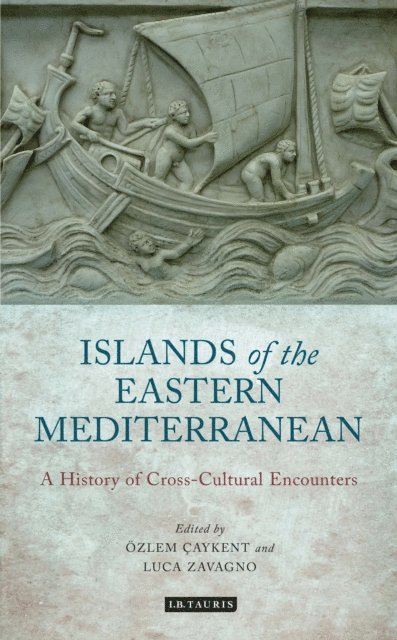
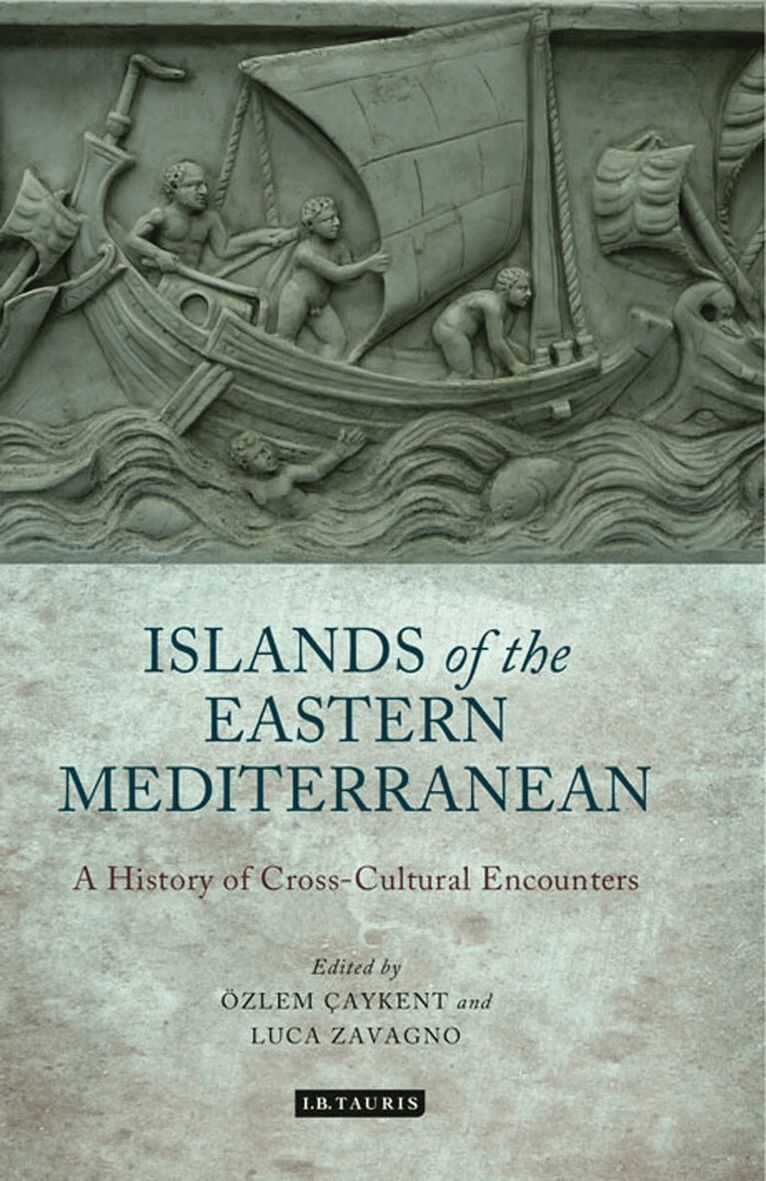
Islands of the Eastern Mediterranean
A History of Cross-Cultural Encounters
Av Ozlem Caykent, Luca Zavagno
E-bok, 2014
1605 kr
Lägg i varukorg
The Mediterranean, or 'Middle Sea', has long been regarded as the symbolic centre of European civilization. The binding water between Turkey, the Middle East, the trading communities of North Africa, and the European powerhouses Italy, France and Greece, a history of this sea is a new and vital way …
Islands of the Eastern Mediterranean
A History of Cross-Cultural Encounters
Av Ozlem Caykent, Luca Zavagno
E-bok, 2014
1570 kr
Lägg i varukorg
The Mediterranean, or 'Middle Sea', has long been regarded as the symbolic centre of European civilization. The binding water between Turkey, the Middle East, the trading communities of North Africa, and the European powerhouses Italy, France and Greece, a history of this sea is a new and vital way …
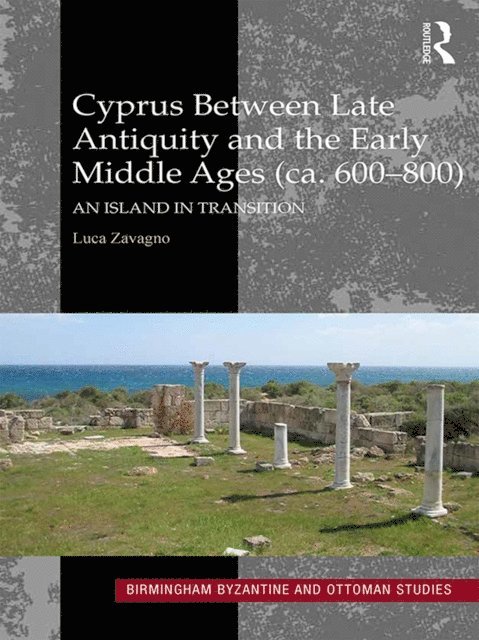
Cyprus between Late Antiquity and the Early Middle Ages (ca. 600–800)
An Island in Transition
Av Luca Zavagno
Inbunden, 2017
2585 kr
Lägg i varukorg
Research on early medieval Cyprus has focused on the late antique "golden age" (late fourth/early fifth to seventh century) and the so-called Byzantine "Reconquista" (post-AD 965) while overlooking the intervening period. This phase was characterized, supposedly, by the division of the political …
Cyprus between Late Antiquity and the Early Middle Ages (ca. 600,800)
An Island in Transition
Av Luca Zavagno
E-bok, 2017
856 kr
Lägg i varukorg
Research on early medieval Cyprus has focused on the late antique "golden age" (late fourth/early fifth to seventh century) and the so-called Byzantine "Reconquista" (post-AD 965) while overlooking the intervening period. This phase was characterized, supposedly, by the division of the political …
Cyprus between Late Antiquity and the Early Middle Ages (ca. 600,800)
An Island in Transition
Av Luca Zavagno
E-bok, 2017
838 kr
Lägg i varukorg
Research on early medieval Cyprus has focused on the late antique "golden age" (late fourth/early fifth to seventh century) and the so-called Byzantine "Reconquista" (post-AD 965) while overlooking the intervening period. This phase was characterized, supposedly, by the division of the political …
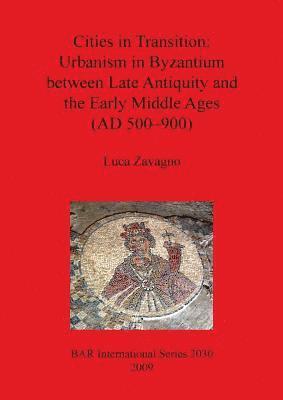
Cities in Transition: Urbanism in Byzantium between Late Antiquity and the Early Middle Ages (500-900 A.D.)
Av Luca Zavagno
Häftad, 2009
391 kr
Lägg i varukorg
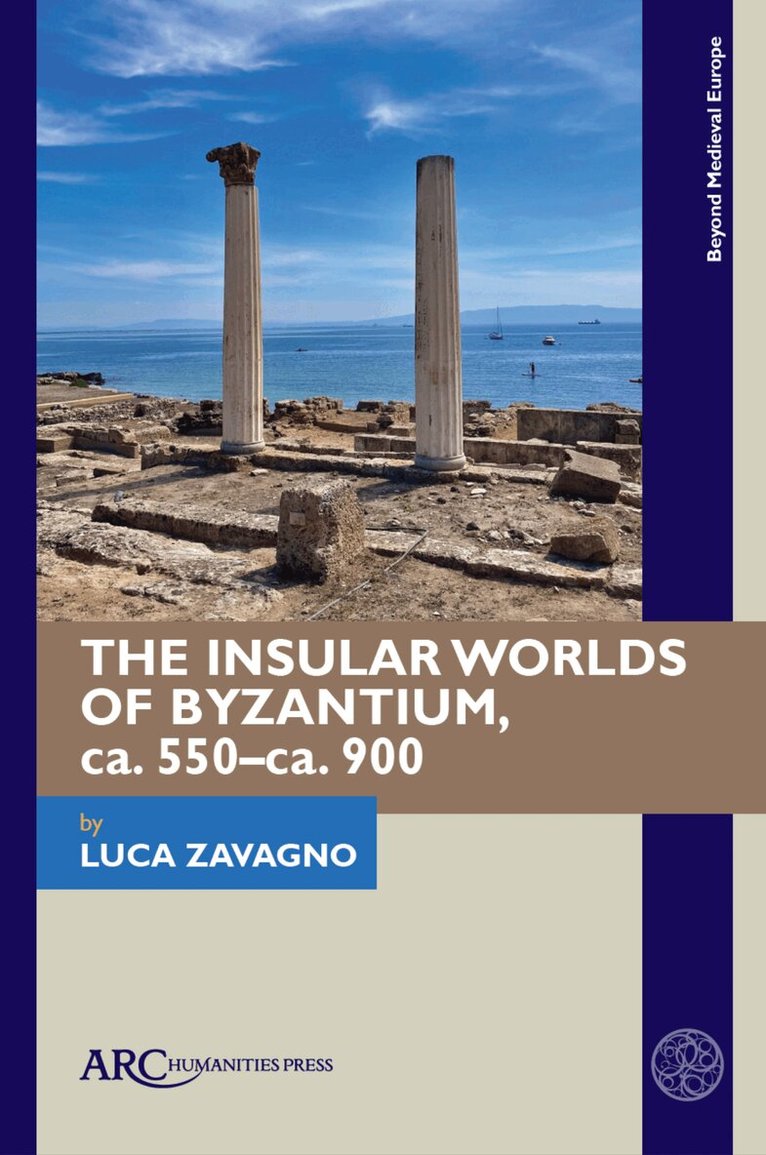
Insular Worlds of Byzantium, ca. 550–ca. 900
Av Luca Zavagno
Inbunden, 2025
2241 kr
Lägg i varukorg
This book explores the "Byzantine" islands of the late antique Mediterranean through different methodologies and a wide array of sources in comparative perspective. It deals with transversal themes centered on the peculiar political and economic structures of insular societies (such as the …
Islands of the Eastern Mediterranean
A History of Cross-Cultural Encounters
Av Ozlem Caykent, Luca Zavagno
Inbunden, 2014
1461 kr
Lägg i varukorg
The Mediterranean, or 'Middle Sea', has long been regarded as the symbolic centre of European civilization. The binding water between Turkey, the Middle East, the trading communities of North Africa, and the European powerhouses Italy, France and Greece, a history of this sea is a new and vital way …
Byzantine City from Heraclius to the Fourth Crusade, 610–1204
Urban Life after Antiquity
Av Luca Zavagno
Inbunden, 2021
1241 kr
Lägg i varukorg
This book explores the Byzantine city and the changes it went through from 610 to 1204. Throughout this period, cities were always the centers of political and social life for both secular and religious authorities, and, furthermore, the focus of the economic interests of local landowning …
Byzantine City from Heraclius to the Fourth Crusade, 610-1204
Urban Life after Antiquity
Av Luca Zavagno
E-bok, 2021
1634 kr
Lägg i varukorg
This book explores the Byzantine city and the changes it went through from 610 to 1204. Throughout this period, cities were always the centers of political and social life for both secular and religious authorities, and, furthermore, the focus of the economic interests of local landowning elites. …
Byzantine City from Heraclius to the Fourth Crusade, 610–1204
Urban Life after Antiquity
Av Luca Zavagno
Häftad, 2022
1241 kr
Lägg i varukorg
This book explores the Byzantine city and the changes it went through from 610 to 1204. Throughout this period, cities were always the centers of political and social life for both secular and religious authorities, and, furthermore, the focus of the economic interests of local landowning …