1 778 kr
Skickas inom 11-20 vardagar
1 778 kr
Skickas inom 11-20 vardagar
2 052 kr
Läs direkt efter köp
2 031 kr
Läs direkt efter köp
1 278 kr
Läs direkt efter köp
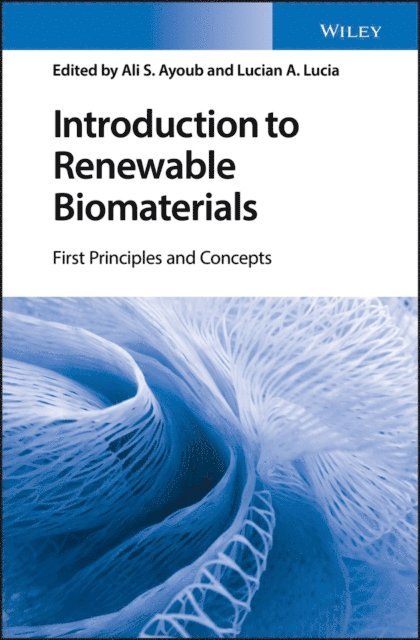
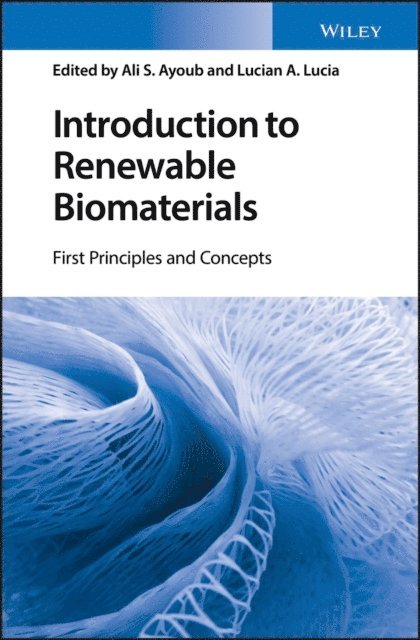
Covers the entire evolutionary spectrum of biomass, from its genetic modification and harvesting, to conversion technologies, life cycle analysis, and its value to the current global economy
This original textbook introduces readers to biomass—a renewable resource derived from forest, agriculture, and organic-based materials—which has attracted significant attention as a sustainable alternative to petrochemicals for large-scale production of fuels, materials, and chemicals. The current renaissance in the manipulation and uses of biomass has been so abrupt and focused, that very few educational textbooks actually cover these topics to any great extent. That’s why this interdisciplinary text is a welcome resource for those seeking a better understanding of this new discipline. It combines the underpinning science of biomass with technology applications and sustainability considerations to provide a broad focus to its readers.
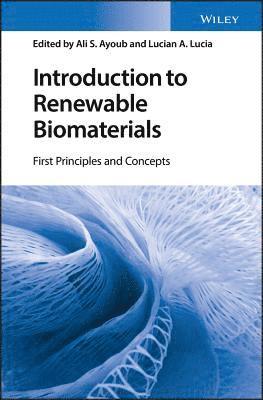
Introduction to Renewable Biomaterials: First Principles and Concepts consists of eight chapters on the following topics: fundamental biochemical & biotechnological principles; principles and methodologies controlling plant growth and silviculture; fundamental science and engineering considerations; critical considerations and strategies for harvesting; first principles of pretreatment; conversion technologies; characterization methods and techniques; and life cycle analysis. Each chapter includes a glossary of terms, two to three problem sets, and boxes to highlight novel discoveries and instruments. Chapters also offer questions for further consideration and suggestions for further reading.
Developed from a successful USDA funded course, run by a partnership of three US universities: BioSUCEED - BioProducts Sustainability, a University Cooperative Center for Excellence in Education Covers the entire evolutionary spectrum of biomass, from genetic modification to life cycle analysis Presents the key chemistry, biology, technology, and sustainability aspects of biomaterials Edited by a highly regarded academic team, with extensive research and teaching experience in the fieldIntroduction to Renewable Biomaterials: First Principles and Concepts is an ideal text for advanced academics and industry professionals involved with biomass and renewable resources, bioenergy, biorefining, biotechnology, materials science, sustainable chemistry, chemical engineering, crop science and technology, agriculture.
1 291 kr
Läs direkt efter köp
Covers the entire evolutionary spectrum of biomass, from its genetic modification and harvesting, to conversion technologies, life cycle analysis, and its value to the current global economy
This original textbook introduces readers to biomass—a renewable resource derived from forest, agriculture, and organic-based materials—which has attracted significant attention as a sustainable alternative to petrochemicals for large-scale production of fuels, materials, and chemicals. The current renaissance in the manipulation and uses of biomass has been so abrupt and focused, that very few educational textbooks actually cover these topics to any great extent. That’s why this interdisciplinary text is a welcome resource for those seeking a better understanding of this new discipline. It combines the underpinning science of biomass with technology applications and sustainability considerations to provide a broad focus to its readers.
Introduction to Renewable Biomaterials: First Principles and Concepts consists of eight chapters on the following topics: fundamental biochemical & biotechnological principles; principles and methodologies controlling plant growth and silviculture; fundamental science and engineering considerations; critical considerations and strategies for harvesting; first principles of pretreatment; conversion technologies; characterization methods and techniques; and life cycle analysis. Each chapter includes a glossary of terms, two to three problem sets, and boxes to highlight novel discoveries and instruments. Chapters also offer questions for further consideration and suggestions for further reading.
Developed from a successful USDA funded course, run by a partnership of three US universities: BioSUCEED - BioProducts Sustainability, a University Cooperative Center for Excellence in Education Covers the entire evolutionary spectrum of biomass, from genetic modification to life cycle analysis Presents the key chemistry, biology, technology, and sustainability aspects of biomaterials Edited by a highly regarded academic team, with extensive research and teaching experience in the fieldIntroduction to Renewable Biomaterials: First Principles and Concepts is an ideal text for advanced academics and industry professionals involved with biomass and renewable resources, bioenergy, biorefining, biotechnology, materials science, sustainable chemistry, chemical engineering, crop science and technology, agriculture.
954 kr
Skickas inom 5-8 vardagar
2 245 kr
Skickas inom 5-8 vardagar
2 623 kr
Läs direkt efter köp
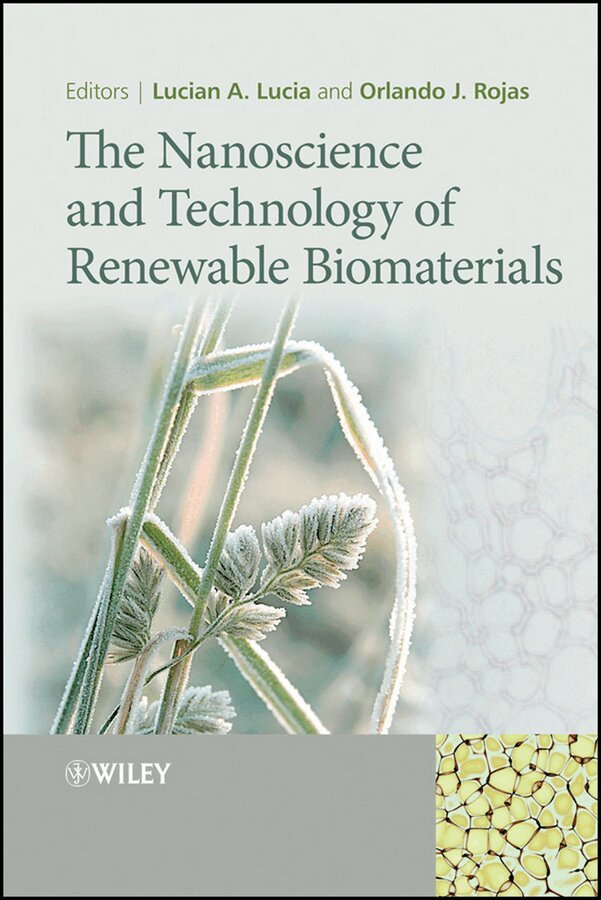
The unique nanoscale properties of renewable biomaterials present valuable opportunities in the field of nanoscience and technology. Lignocellulosic biomass is an important industrial resource which can be used for the production of highly efficient and environmentally sustainable nanomaterials.
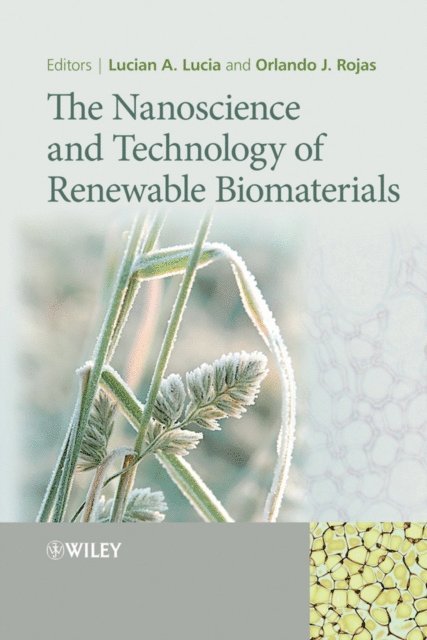
The Nanoscience and Technology of Renewable Biomaterials presents the latest advances in biomass nanotechnology, including leading research from academia and industry, as well as a future vision for the nanotechnology of forest products.
Topics covered include:
A fundamental review of the relationship between nanotechnology and lignocellulosic biomass Characterization methods for biomass on the nanometer scale Cellulose, hemicelluloses and lignin as nanoscopic biomaterials-physical features, chemical properties and potential nanoproducts Nanoscale surface engineering Renewable materials as scaffolds for tissue engineering Nanoscopically-controlled drug deliveryThis book will be a valuable resource for chemists, chemical engineers, bioscience researchers and materials scientists who are interested in harnessing the nanotechnological features of renewable biomaterials.
160 kr
Skickas inom 10-15 vardagar
1 778 kr
Skickas inom 11-20 vardagar
2 052 kr
Läs direkt efter köp
2 031 kr
Läs direkt efter köp
1 278 kr
Läs direkt efter köp
Covers the entire evolutionary spectrum of biomass, from its genetic modification and harvesting, to conversion technologies, life cycle analysis, and its value to the current global economy
This original textbook introduces readers to biomass—a renewable resource derived from forest, agriculture, and organic-based materials—which has attracted significant attention as a sustainable alternative to petrochemicals for large-scale production of fuels, materials, and chemicals. The current renaissance in the manipulation and uses of biomass has been so abrupt and focused, that very few educational textbooks actually cover these topics to any great extent. That’s why this interdisciplinary text is a welcome resource for those seeking a better understanding of this new discipline. It combines the underpinning science of biomass with technology applications and sustainability considerations to provide a broad focus to its readers.
Introduction to Renewable Biomaterials: First Principles and Concepts consists of eight chapters on the following topics: fundamental biochemical & biotechnological principles; principles and methodologies controlling plant growth and silviculture; fundamental science and engineering considerations; critical considerations and strategies for harvesting; first principles of pretreatment; conversion technologies; characterization methods and techniques; and life cycle analysis. Each chapter includes a glossary of terms, two to three problem sets, and boxes to highlight novel discoveries and instruments. Chapters also offer questions for further consideration and suggestions for further reading.
Developed from a successful USDA funded course, run by a partnership of three US universities: BioSUCEED - BioProducts Sustainability, a University Cooperative Center for Excellence in Education Covers the entire evolutionary spectrum of biomass, from genetic modification to life cycle analysis Presents the key chemistry, biology, technology, and sustainability aspects of biomaterials Edited by a highly regarded academic team, with extensive research and teaching experience in the fieldIntroduction to Renewable Biomaterials: First Principles and Concepts is an ideal text for advanced academics and industry professionals involved with biomass and renewable resources, bioenergy, biorefining, biotechnology, materials science, sustainable chemistry, chemical engineering, crop science and technology, agriculture.
1 291 kr
Läs direkt efter köp
Covers the entire evolutionary spectrum of biomass, from its genetic modification and harvesting, to conversion technologies, life cycle analysis, and its value to the current global economy
This original textbook introduces readers to biomass—a renewable resource derived from forest, agriculture, and organic-based materials—which has attracted significant attention as a sustainable alternative to petrochemicals for large-scale production of fuels, materials, and chemicals. The current renaissance in the manipulation and uses of biomass has been so abrupt and focused, that very few educational textbooks actually cover these topics to any great extent. That’s why this interdisciplinary text is a welcome resource for those seeking a better understanding of this new discipline. It combines the underpinning science of biomass with technology applications and sustainability considerations to provide a broad focus to its readers.
Introduction to Renewable Biomaterials: First Principles and Concepts consists of eight chapters on the following topics: fundamental biochemical & biotechnological principles; principles and methodologies controlling plant growth and silviculture; fundamental science and engineering considerations; critical considerations and strategies for harvesting; first principles of pretreatment; conversion technologies; characterization methods and techniques; and life cycle analysis. Each chapter includes a glossary of terms, two to three problem sets, and boxes to highlight novel discoveries and instruments. Chapters also offer questions for further consideration and suggestions for further reading.
Developed from a successful USDA funded course, run by a partnership of three US universities: BioSUCEED - BioProducts Sustainability, a University Cooperative Center for Excellence in Education Covers the entire evolutionary spectrum of biomass, from genetic modification to life cycle analysis Presents the key chemistry, biology, technology, and sustainability aspects of biomaterials Edited by a highly regarded academic team, with extensive research and teaching experience in the fieldIntroduction to Renewable Biomaterials: First Principles and Concepts is an ideal text for advanced academics and industry professionals involved with biomass and renewable resources, bioenergy, biorefining, biotechnology, materials science, sustainable chemistry, chemical engineering, crop science and technology, agriculture.
954 kr
Skickas inom 5-8 vardagar
2 245 kr
Skickas inom 5-8 vardagar
2 623 kr
Läs direkt efter köp
The unique nanoscale properties of renewable biomaterials present valuable opportunities in the field of nanoscience and technology. Lignocellulosic biomass is an important industrial resource which can be used for the production of highly efficient and environmentally sustainable nanomaterials.
The Nanoscience and Technology of Renewable Biomaterials presents the latest advances in biomass nanotechnology, including leading research from academia and industry, as well as a future vision for the nanotechnology of forest products.
Topics covered include:
A fundamental review of the relationship between nanotechnology and lignocellulosic biomass Characterization methods for biomass on the nanometer scale Cellulose, hemicelluloses and lignin as nanoscopic biomaterials-physical features, chemical properties and potential nanoproducts Nanoscale surface engineering Renewable materials as scaffolds for tissue engineering Nanoscopically-controlled drug deliveryThis book will be a valuable resource for chemists, chemical engineers, bioscience researchers and materials scientists who are interested in harnessing the nanotechnological features of renewable biomaterials.
160 kr
Skickas inom 10-15 vardagar