Luis E. Carranza - Böcker
Visar alla böcker från författaren Luis E. Carranza. Handla med fri frakt och snabb leverans.
7 produkter
7 produkter
657 kr
Skickas inom 7-10 vardagar
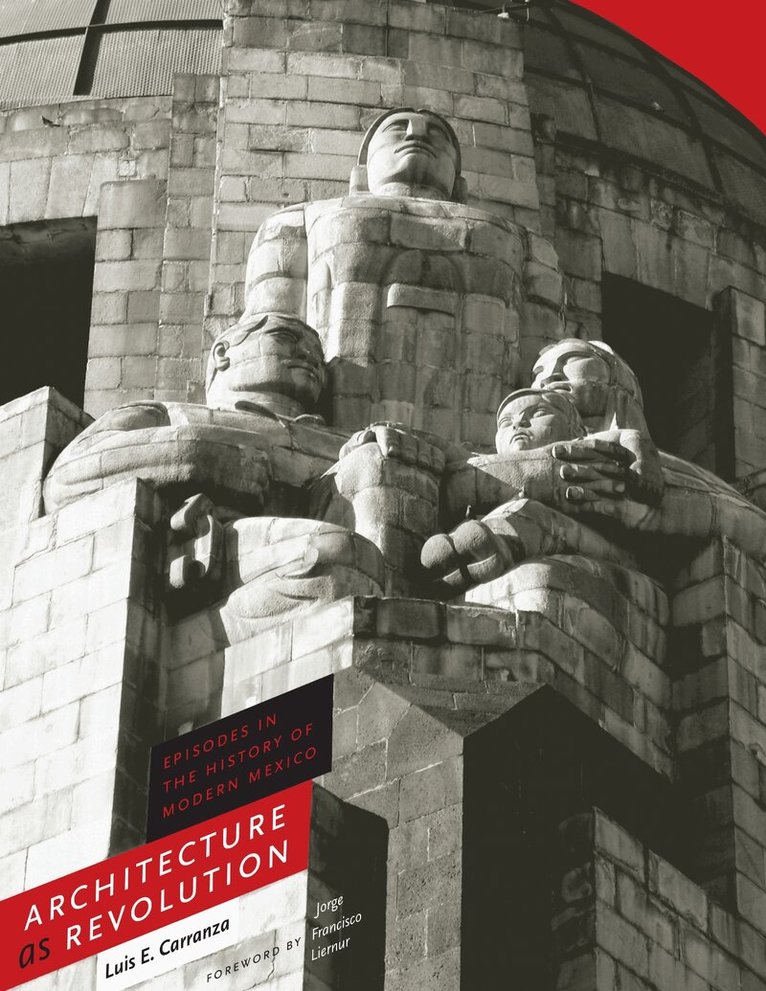
The period following the Mexican Revolution was characterized by unprecedented artistic experimentation. Seeking to express the revolution's heterogeneous social and political aims, which were in a continuous state of redefinition, architects, artists, writers, and intellectuals created distinctive, sometimes idiosyncratic theories and works.Luis E. Carranza examines the interdependence of modern architecture in Mexico and the pressing sociopolitical and ideological issues of this period, as well as the interchanges between post-revolutionary architects and the literary, philosophical, and artistic avant-gardes. Organizing his book around chronological case studies that show how architectural theory and production reflected various understandings of the revolution's significance, Carranza focuses on architecture and its relationship to the philosophical and pedagogic requirements of the muralist movement, the development of the avant-garde in Mexico and its notions of the Mexican city, the use of pre-Hispanic architectural forms to address indigenous peoples, the development of a socially oriented architectural functionalism, and the monumentalization of the revolution itself. In addition, the book also covers important architects and artists who have been marginally discussed within architectural and art historiography.Richly illustrated, Architecture as Revolution is one of the first books in English to present a social and cultural history of early twentieth-century Mexican architecture.
522 kr
Skickas inom 7-10 vardagar
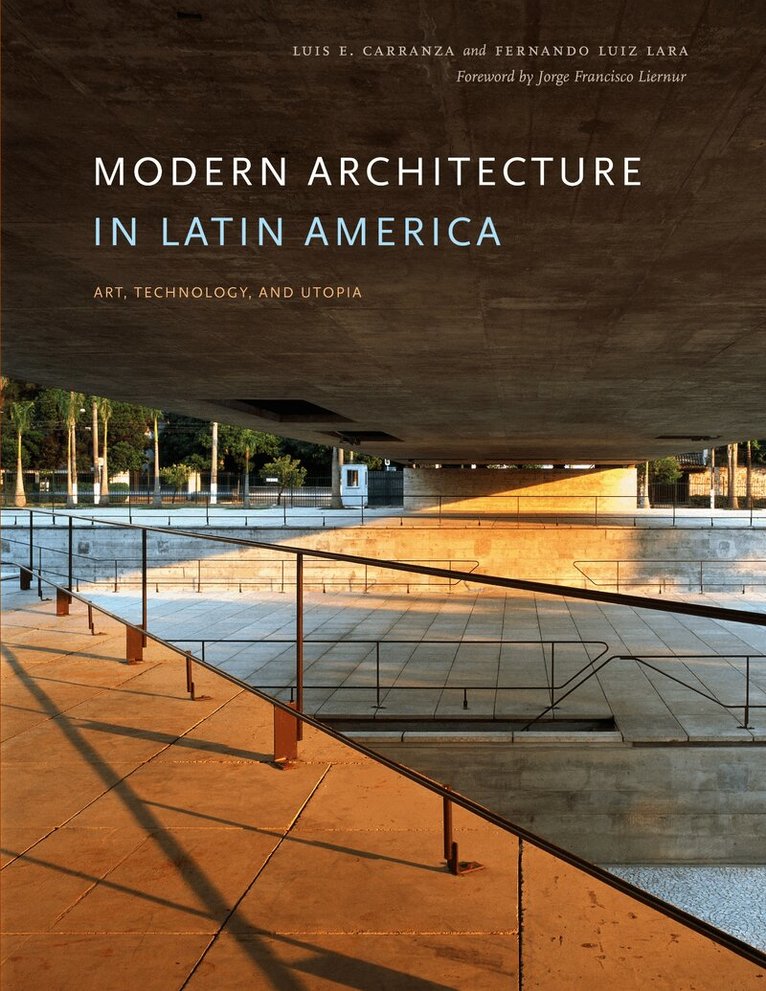
Designed as a survey and focused on key examples and movements arranged chronologically from 1903 to 2003, this is the first comprehensive history of modern architecture in Latin America in any language.Runner-up, University Co-op Robert W. Hamilton Book Award, 2015Modern Architecture in Latin America: Art, Technology, and Utopia is an introductory text on the issues, polemics, and works that represent the complex processes of political, economic, and cultural modernization in the twentieth century. The number and types of projects varied greatly from country to country, but, as a whole, the region produced a significant body of architecture that has never before been presented in a single volume in any language. Modern Architecture in Latin America is the first comprehensive history of this important production.Designed as a survey and focused on key examples/paradigms arranged chronologically from 1903 to 2003, this volume covers a myriad of countries; historical, social, and political conditions; and projects/developments that range from small houses to urban plans to architectural movements. The book is structured so that it can be read in a variety of ways-as a historically developed narrative of modern architecture in Latin America, as a country-specific chronology, or as a treatment of traditions centered on issues of art, technology, or utopia. This structure allows readers to see the development of multiple and parallel branches/historical strands of architecture and, at times, their interconnections across countries. The authors provide a critical evaluation of the movements presented in relationship to their overall goals and architectural transformations.
2 160 kr
Skickas inom 10-15 vardagar
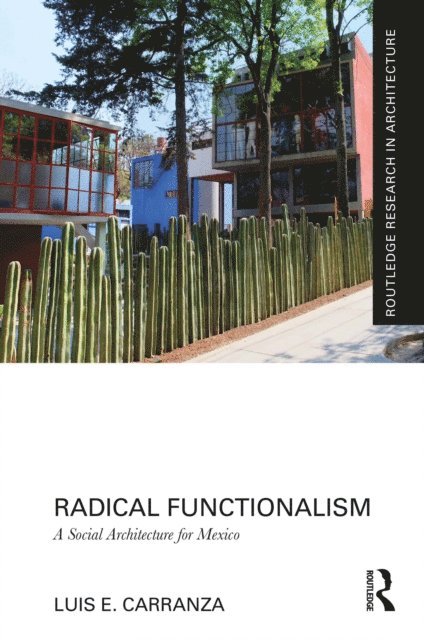
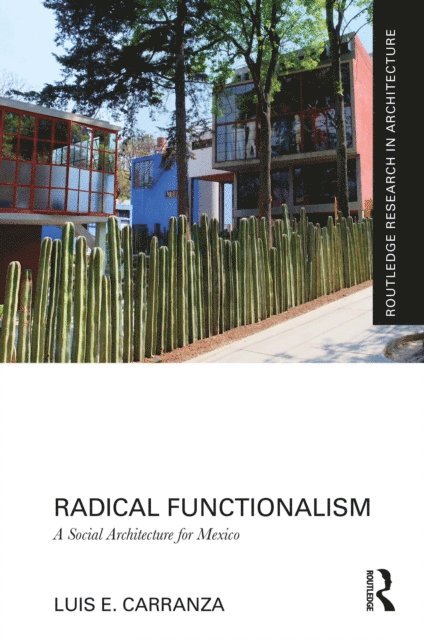
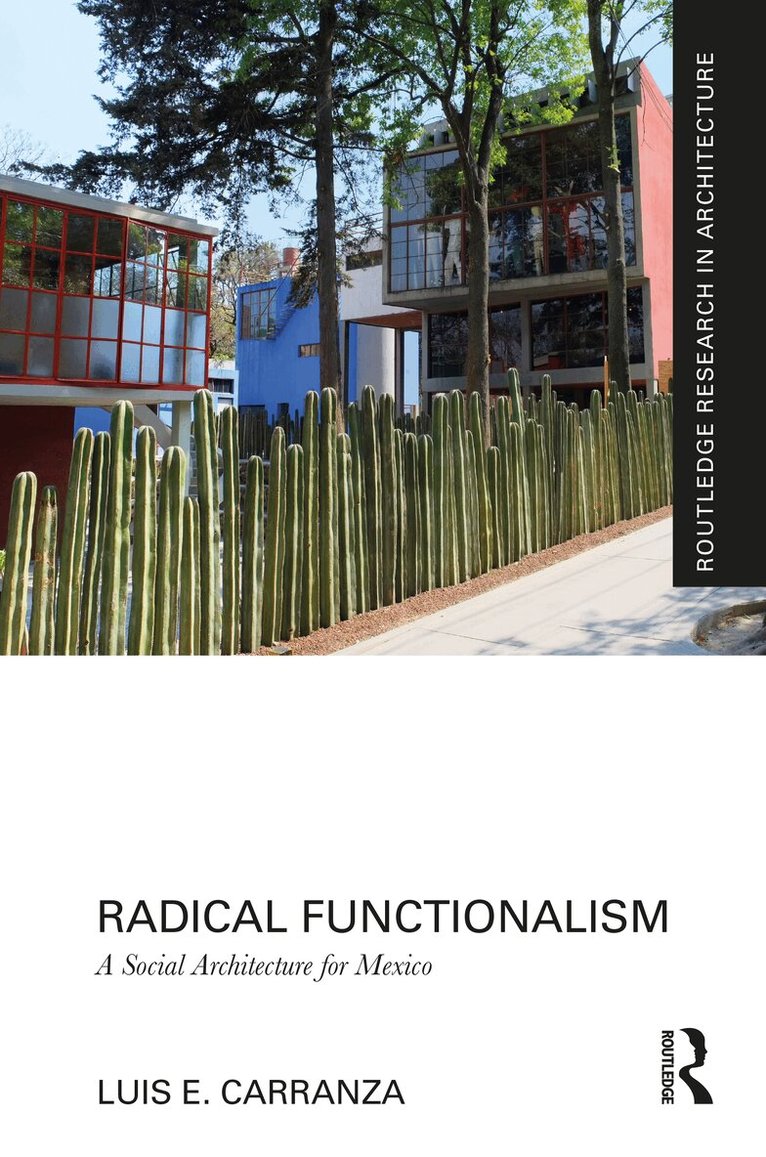
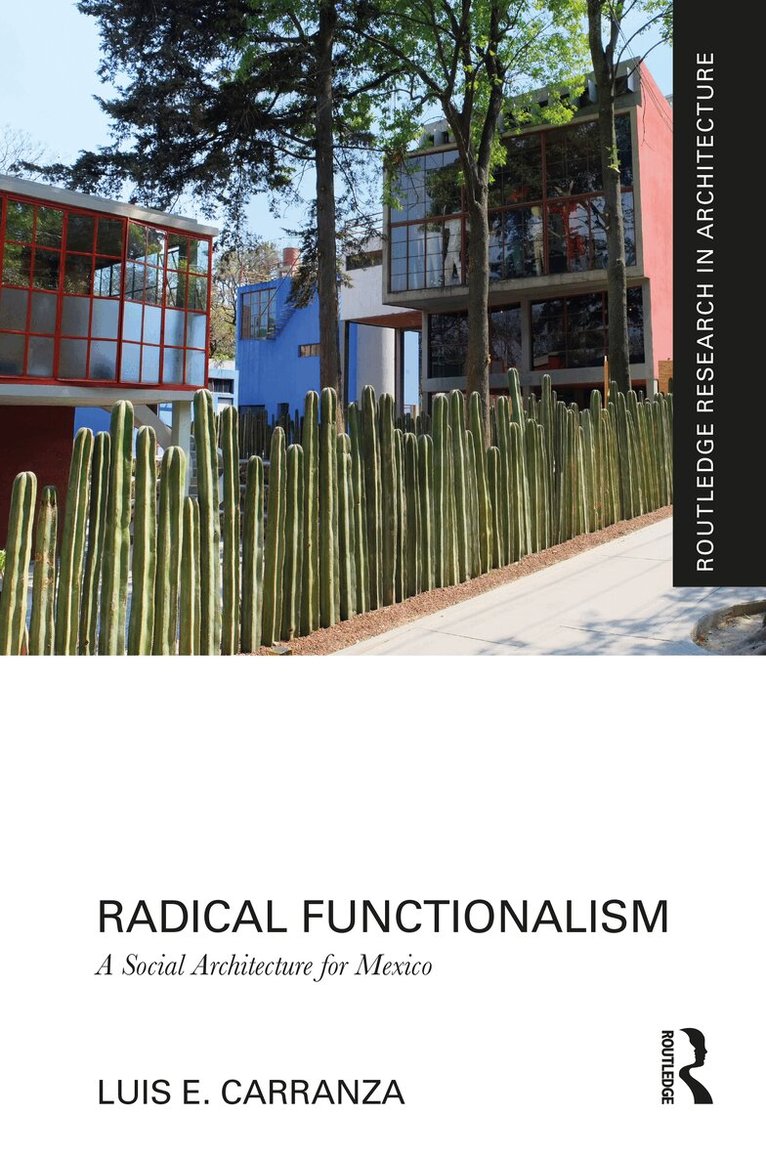
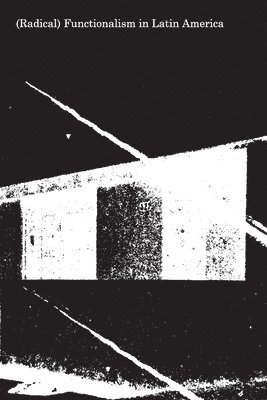
Radical Functionalism: A Social Architecture for Mexico provides a complex and nuanced understanding of the functionalist architecture developed in Mexico during the 1930s. It carefully re-reads the central texts and projects of its main advocates to show how their theories responded to the socially and culturally charged Mexican context. These, such as architects Juan Legarreta, Juan O’Gorman, the Union of Socialist Architects, and Manuel Amábilis, were part of broader explorations to develop a modern, national architecture intended to address the needs of the Mexican working classes.Through their refunctioning of functionalism, these radical thinkers showed how architecture could stand at the precipice of Mexico's impending modernization and respond to its impending changes. The book examines their engagement and negotiation with foreign influences, issues of gender and class, and the separation between art and architecture. Functionalist practices are presented as contradictory and experimental, as challenging the role of architecture in the transformation of society, and as intimately linked to art and local culture in the development of new forms of architecture for Mexico, including the "vernacularization" of functionalism itself. Uniquely including translations of two manifesto-like texts by O’Gorman expressing the polemical nature of their investigations, Radical Functionalism: A Social Architecture for Mexico will be a useful reference for scholars, researchers and students interested in the history of architectural movements.
638 kr
Skickas inom 10-15 vardagar
Radical Functionalism: A Social Architecture for Mexico provides a complex and nuanced understanding of the functionalist architecture developed in Mexico during the 1930s. It carefully re-reads the central texts and projects of its main advocates to show how their theories responded to the socially and culturally charged Mexican context. These, such as architects Juan Legarreta, Juan O’Gorman, the Union of Socialist Architects, and Manuel Amábilis, were part of broader explorations to develop a modern, national architecture intended to address the needs of the Mexican working classes.Through their refunctioning of functionalism, these radical thinkers showed how architecture could stand at the precipice of Mexico's impending modernization and respond to its impending changes. The book examines their engagement and negotiation with foreign influences, issues of gender and class, and the separation between art and architecture. Functionalist practices are presented as contradictory and experimental, as challenging the role of architecture in the transformation of society, and as intimately linked to art and local culture in the development of new forms of architecture for Mexico, including the "vernacularization" of functionalism itself. Uniquely including translations of two manifesto-like texts by O’Gorman expressing the polemical nature of their investigations, Radical Functionalism: A Social Architecture for Mexico will be a useful reference for scholars, researchers and students interested in the history of architectural movements.
276 kr
Skickas inom 3-6 vardagar
183 kr
Skickas inom 3-6 vardagar
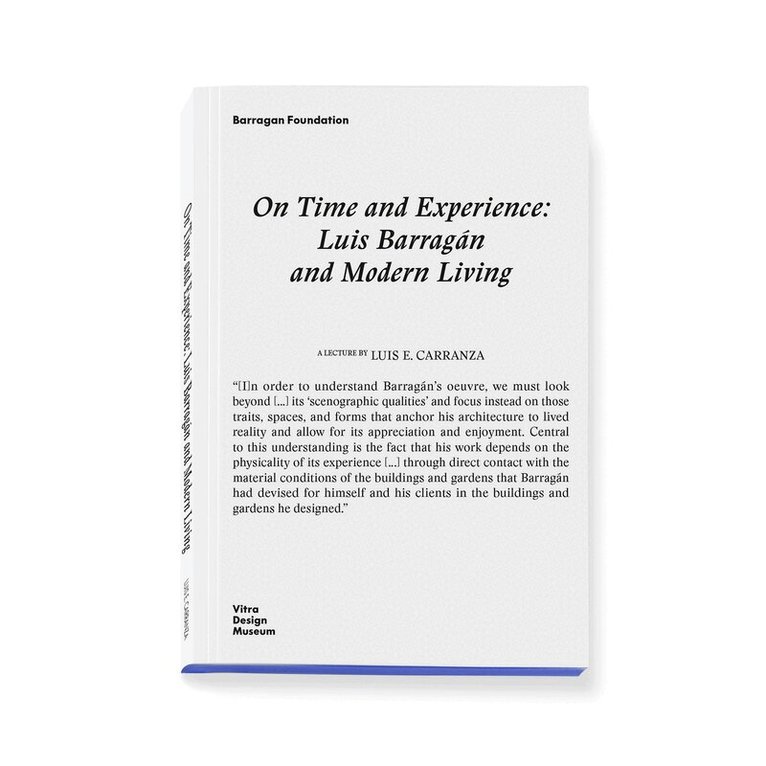
A book that invites readers not merely to look at architecture, but to experience it: On Time and Experience: Luis Barragán and Modern Living opens up an unfamiliar approach to one of the most fascinating bodies of work of the twentieth century.Rather than reproducing well-known images or iconic perspectives, Luis E. Carranza directs attention to those sensorial qualities that reveal themselves only through direct engagement with space and material. He explores how the built environment generates atmosphere - through light, color, texture, and intimacy - and demonstrates why these quiet, subtle experiences form the core of an architectural thinking that remains relevant today.
972 kr
Skickas inom 5-8 vardagar