Luiz Fernando Romanholo Ferreira – författare
2 187 kr
Skickas inom 10-15 vardagar
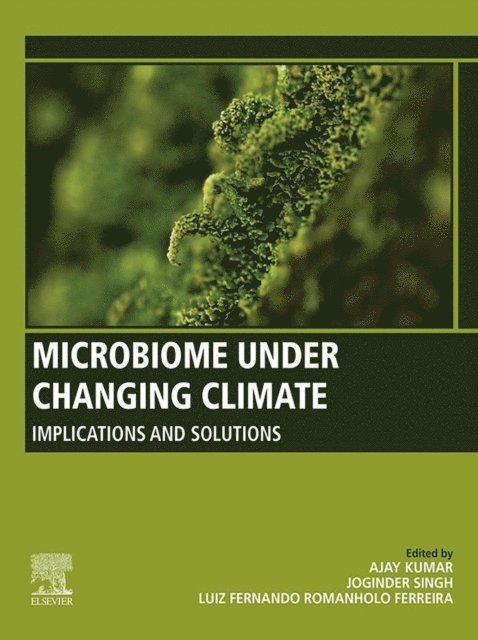
Microbiome Under Changing Climate: Implications and Solutions presents the latest biotechnological interventions for the judicious use of microbes to ensure optimal agricultural yield. Summarizing aspects of vulnerability, adaptation and amelioration of climate impact, this book provides an important resource for understanding microbes, plants and soil in pursuit of sustainable agriculture and improved food security.� It emphasizes the interaction between climate and soil microbes and their potential role in promoting advanced sustainable agricultural solutions, focusing on current research designed to use beneficial microbes such as plant growth promoting microorganisms, fungi, endophytic microbes, and more.
Changes in climatic conditions influence all factors of the agricultural ecosystem, including adversely impacting yield both in terms of quantity and nutritional quality. In order to develop resilience against climatic changes, it is increasingly important to understand the effect on the native micro-flora, including the distribution of methanogens and methanotrophs, nutrient content and microbial biomass, among others.
Demonstrates the impact of climate change on secondary metabolites of plants and potential responses Incorporates insights on microflora of inhabitant soil Explores mitigation processes and their modulation by sustainable methods Highlights the role of microbial technologies in agricultural sustainability3 115 kr
Läs direkt efter köp
2 508 kr
Läs direkt efter köp
1 826 kr
Skickas inom 10-15 vardagar
Recent Advancements In Waste Water Management: Implications and Biological Solutions
2 068 kr
Skickas inom 10-15 vardagar
APMP Volume Nine: Recent Advancement In Waste Water Management: Implication and Biological Solutions highlights new advances in the field, with this new volume presenting interesting chapters on antibiotics and hormone residues in wastewater: Occurrence, risks, and its biological, physical and chemical treatments, Occurrence of pesticides in wastewater: Bioremediation approach for environmental safety and its toxicity, Removal of pharmaceutical compounds from water, Biological solutions for the removal of microplastics from water, Impact of wastewater irrigation on soil attributes, Factors influencing the wastewater treatment process from agro-industrial effluents through microalgae and advanced oxidative processes, and more.
Other sections cover Contamination of soil and food chain through wastewater application and Advanced biomaterials for the removal of pesticides from water.
Provides the authority and expertise of leading contributors from an international board of authors Presents the latest release in APMP Updated release includes the latest information on Recent Advancement In Waste Water Management: Implication and Biological Solutions942 kr
Läs direkt efter köp
Environmental sustainability with rapid industrialization is one of the current major global challenges. Industries are the key drivers of the world economy. But they are also the major polluters of the environment due to the discharge of partially treated/untreated toxic and hazardous wastes containing organic and inorganic pollutants, which cause severe environmental (soil and water) pollution and toxic effects in living beings. So the adequate treatment of industrial wastes to degrade/detoxify pollutants is of the utmost importance for environmental safety and for promoting the sustainable development of our society with low environmental impacts.
Bioremediation: Green Approaches for a Clean and Sustainable Environment showcases the latest information on the different bioremediation approaches used for the many types of industrial pollutants and are dedicated to environmental safety. This book provides a detailed knowledge about the natural as well as anthropogenic sources of different types of toxic pollutants, such as toxic metals, dyes, pesticides, petroleum hydrocarbons and plastics; their fate and transport into the environment; their ecotoxicological effects and health hazards; and different approaches used for their bioremediation for the environmental clean-up.
Key Features:
Covers the different aspects of environmental problems and their remedies with up-to-date developments in the field of bioremediation of industrial/environmental pollutants
Serves as an invaluable source of knowledge for a wide range of students, scientists, and researchers in microbiology, biotechnology, environmental sciences with the fundamental and advanced knowledge about the environmental pollution, challenges, and bioremediation of toxic pollutants
909 kr
Läs direkt efter köp
Environmental sustainability with rapid industrialization is one of the current major global challenges. Industries are the key drivers of the world economy. But they are also the major polluters of the environment due to the discharge of partially treated/untreated toxic and hazardous wastes containing organic and inorganic pollutants, which cause severe environmental (soil and water) pollution and toxic effects in living beings. So the adequate treatment of industrial wastes to degrade/detoxify pollutants is of the utmost importance for environmental safety and for promoting the sustainable development of our society with low environmental impacts.
Bioremediation: Green Approaches for a Clean and Sustainable Environment showcases the latest information on the different bioremediation approaches used for the many types of industrial pollutants and are dedicated to environmental safety. This book provides a detailed knowledge about the natural as well as anthropogenic sources of different types of toxic pollutants, such as toxic metals, dyes, pesticides, petroleum hydrocarbons and plastics; their fate and transport into the environment; their ecotoxicological effects and health hazards; and different approaches used for their bioremediation for the environmental clean-up.
Key Features:
Covers the different aspects of environmental problems and their remedies with up-to-date developments in the field of bioremediation of industrial/environmental pollutants
Serves as an invaluable source of knowledge for a wide range of students, scientists, and researchers in microbiology, biotechnology, environmental sciences with the fundamental and advanced knowledge about the environmental pollution, challenges, and bioremediation of toxic pollutants
1 700 kr
Skickas inom 10-15 vardagar
2 251 kr
Skickas inom 5-8 vardagar
2 503 kr
Läs direkt efter köp
Learn the various microbiological aspects one deals with in environment management and the remediation of toxic contaminants in the environment
In recent years, the accumulation of hazardous contaminants has caused a broad-based deterioration in global environmental quality. These have had wide-ranging negative social impacts, affecting climate, soil and water ecosystems, and more. As traditional methods of contaminant mitigation have proven inadequate to the task, microbial-based remediation offers the clearest, most environmentally friendly path forward for this crucial aspect of global environmental stewardship.
Microbes Based Approaches for the Management of Hazardous Contaminants offers comprehensive coverage of novel and indigenous microbes and their applications in contaminant mitigation. Surveying all the major microbial products and methods for degrading and remediating hazardous pollutants, it offers a key tool in the fight against global environmental degradation. The result is a cutting-edge introduction to an essential subject.
Microbes Based Approaches for the Management of Hazardous Contaminants will also find:
Current and future approaches to microbial degradation Detailed discussion of biofilms, exopolysaccharides, enzymes, metabolites, and many more Coverage of metabolic engineering as an alternative strategyMicrobes Based Approaches for the Management of Hazardous Contaminants is ideal for those working in the field for the application of microbes in the remediation of hazardous pollutants and environment management, particularly those interested in environmental sciences, microbiology and microbial technology, environmental biotechnology, and molecular biology.
2 503 kr
Läs direkt efter köp
Learn the various microbiological aspects one deals with in environment management and the remediation of toxic contaminants in the environment
In recent years, the accumulation of hazardous contaminants has caused a broad-based deterioration in global environmental quality. These have had wide-ranging negative social impacts, affecting climate, soil and water ecosystems, and more. As traditional methods of contaminant mitigation have proven inadequate to the task, microbial-based remediation offers the clearest, most environmentally friendly path forward for this crucial aspect of global environmental stewardship.
Microbes Based Approaches for the Management of Hazardous Contaminants offers comprehensive coverage of novel and indigenous microbes and their applications in contaminant mitigation. Surveying all the major microbial products and methods for degrading and remediating hazardous pollutants, it offers a key tool in the fight against global environmental degradation. The result is a cutting-edge introduction to an essential subject.
Microbes Based Approaches for the Management of Hazardous Contaminants will also find:
Current and future approaches to microbial degradation Detailed discussion of biofilms, exopolysaccharides, enzymes, metabolites, and many more Coverage of metabolic engineering as an alternative strategyMicrobes Based Approaches for the Management of Hazardous Contaminants is ideal for those working in the field for the application of microbes in the remediation of hazardous pollutants and environment management, particularly those interested in environmental sciences, microbiology and microbial technology, environmental biotechnology, and molecular biology.
2 539 kr
Skickas inom 5-8 vardagar
3 021 kr
Läs direkt efter köp
Provides insights into the various aspects of microbial genomics and biotechnology for environmental cleanup
In recent years, the application of genomics to biodegradation and bioremediation research has led to a better understanding of the metabolic capabilities of microorganisms, their interactions with hazardous and toxic chemical compounds, and their adaptability to changing environmental conditions.
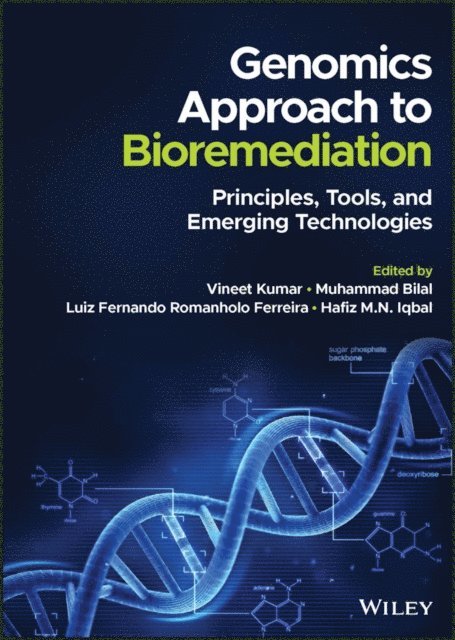
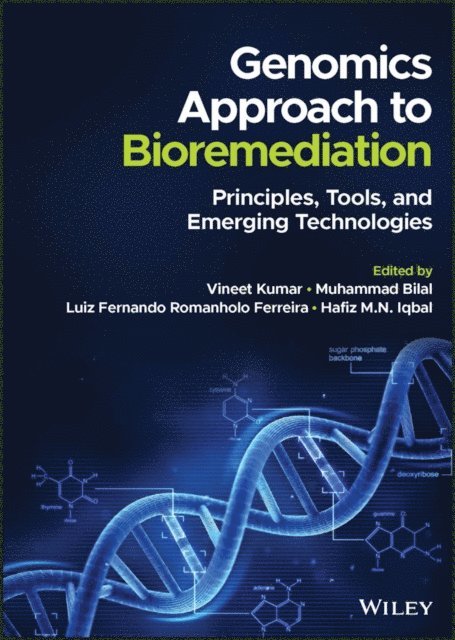
Genomics Approach to Bioremediation: Principles, Tools, and Emerging Technologies provides comprehensive and up-to-date information on cutting-edge technologies and approaches in bioremediation and biodegradation of environmental pollutants. Edited by prominent researchers in the field, this authoritative reference examines advanced genomics technologies, next-generation sequencing (NGS), and state-of-the-art bioinformatics tools while offering valuable insights into the unique functional attributes of different microbial communities and their impact on the removal of chemical contaminants.
Each chapter includes numerous high-quality illustrations, detailed tables, extensive references, and step-by-step descriptions of various microbial metabolic pathways of degradation and biotransformation of environments containing various inorganic, metallic, organometallic, and organic hydrocarbon contaminants.
• Describes methodologies and underlying theory for the remediation, detoxification, and
degradation of contaminated environments
• Covers new genomics technologies that address nutrient removal, resource recovery, and
other major trends in environmental cleanup
• Highlights recent advances in microbial biotechnological approaches including the latest
description of the relationship between microbes and the environment focusing on their impact
on ecosystem services.
• Offers perspectives on energy saving, production, sustainability, and community involvement
• Discusses current challenges and future directions in the field of bioremediation
Genomics Approach to Bioremediation: Principles, Tools, and Emerging Technologies is an essential resource for biochemical and environmental engineers, environmental microbiologists, academic researchers, process and treatment plant managers, policymakers, and industry professionals working in the areas of microbial degradation, bioremediation, and phytoremediation.
3 095 kr
Läs direkt efter köp
Provides insights into the various aspects of microbial genomics and biotechnology for environmental cleanup
In recent years, the application of genomics to biodegradation and bioremediation research has led to a better understanding of the metabolic capabilities of microorganisms, their interactions with hazardous and toxic chemical compounds, and their adaptability to changing environmental conditions.
Genomics Approach to Bioremediation: Principles, Tools, and Emerging Technologies provides comprehensive and up-to-date information on cutting-edge technologies and approaches in bioremediation and biodegradation of environmental pollutants. Edited by prominent researchers in the field, this authoritative reference examines advanced genomics technologies, next-generation sequencing (NGS), and state-of-the-art bioinformatics tools while offering valuable insights into the unique functional attributes of different microbial communities and their impact on the removal of chemical contaminants.
Each chapter includes numerous high-quality illustrations, detailed tables, extensive references, and step-by-step descriptions of various microbial metabolic pathways of degradation and biotransformation of environments containing various inorganic, metallic, organometallic, and organic hydrocarbon contaminants.
• Describes methodologies and underlying theory for the remediation, detoxification, and
degradation of contaminated environments
• Covers new genomics technologies that address nutrient removal, resource recovery, and
other major trends in environmental cleanup
• Highlights recent advances in microbial biotechnological approaches including the latest
description of the relationship between microbes and the environment focusing on their impact
on ecosystem services.
• Offers perspectives on energy saving, production, sustainability, and community involvement
• Discusses current challenges and future directions in the field of bioremediation
Genomics Approach to Bioremediation: Principles, Tools, and Emerging Technologies is an essential resource for biochemical and environmental engineers, environmental microbiologists, academic researchers, process and treatment plant managers, policymakers, and industry professionals working in the areas of microbial degradation, bioremediation, and phytoremediation.