Lynda C. Olman - Böcker
Visar alla böcker från författaren Lynda C. Olman. Handla med fri frakt och snabb leverans.
4 produkter
4 produkter
3 180 kr
Skickas inom 10-15 vardagar
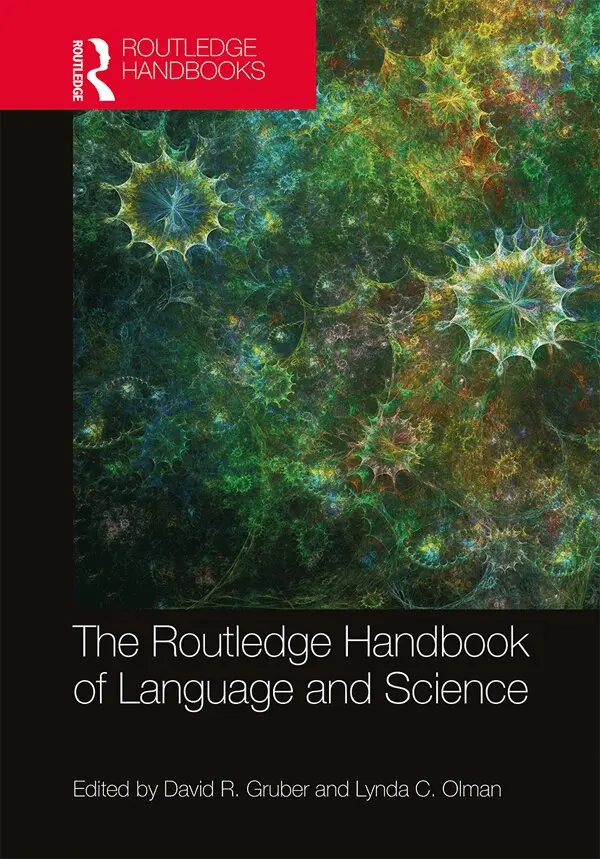
The Routledge Handbook of Language and Science provides a state-of-the-art volume on the language of scientific processes and communications. This book offers comprehensive coverage of socio-cultural approaches to science, as well as analysing new theoretical developments and incorporating discussions about future directions within the field. Featuring original contributions from an international range of renowned scholars, as well as academics at the forefront of innovative research, this handbook:identifies common objects of inquiry across the areas of rhetoric, sociolinguistics, communication studies, science and technology studies, and public understanding of sciencecovers the four key themes of power, pedagogy, public engagement, and materiality in relation to the study of scientific language and its developmentuses qualitative and quantitative approaches to demonstrate how humanities and social science scholars can go about studying sciencedetails the meaning and purpose of socio-cultural approaches to science, including the impact of new media technologiesanalyses the history of the field and how it positions itself in relation to other areas of studyUshering the study of language and science toward a more interdisciplinary, diverse, communal and ecological future, The Routledge Handbook of Language and Science is an essential reference for anyone with an interest in this area.
674 kr
Skickas inom 10-15 vardagar
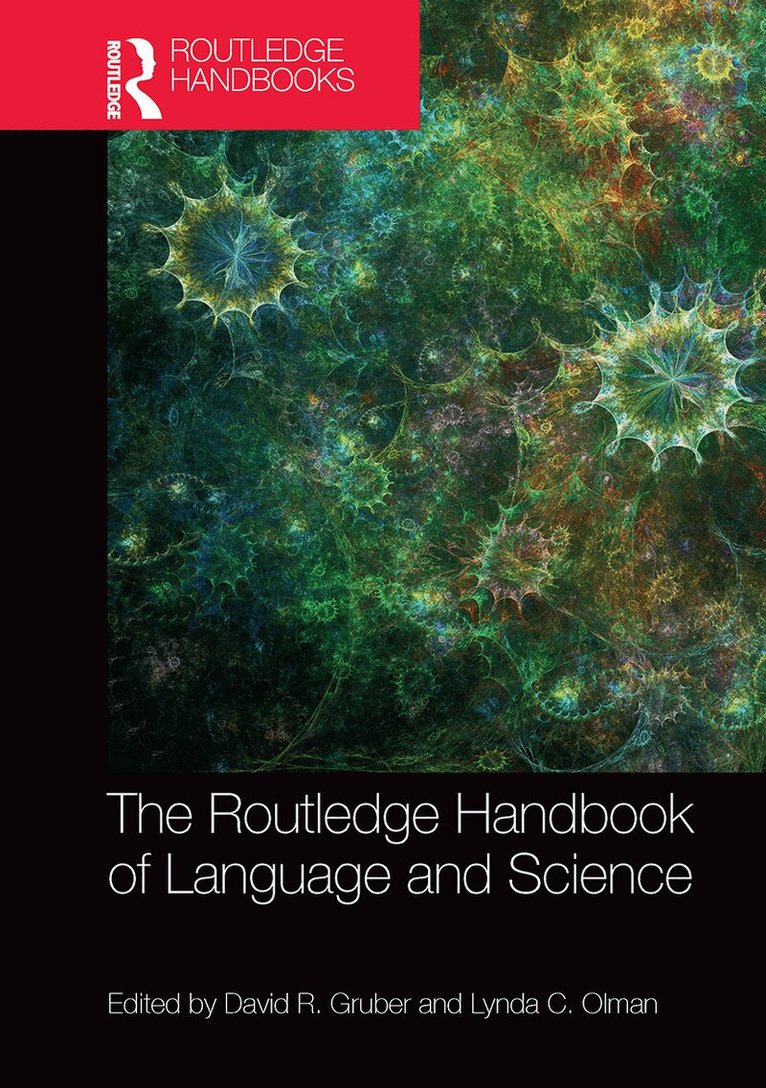
The Routledge Handbook of Language and Science provides a state-of-the-art volume on the language of scientific processes and communications. This book offers comprehensive coverage of socio-cultural approaches to science, as well as analysing new theoretical developments and incorporating discussions about future directions within the field. Featuring original contributions from an international range of renowned scholars, as well as academics at the forefront of innovative research, this handbook: identifies common objects of inquiry across the areas of rhetoric, sociolinguistics, communication studies, science and technology studies, and public understanding of science; covers the four key themes of power, pedagogy, public engagement, and materiality in relation to the study of scientific language and its development; uses qualitative and quantitative approaches to demonstrate how humanities and social science scholars can go about studying science; details the meaning and purpose of socio-cultural approaches to science, including the impact of new media technologies; analyses the history of the field and how it positions itself in relation to other areas of study. Ushering the study of language and science toward a more interdisciplinary, diverse, communal and ecological future, The Routledge Handbook of Language and Science is an essential reference for anyone with an interest in this area.
566 kr
Skickas inom 3-6 vardagar
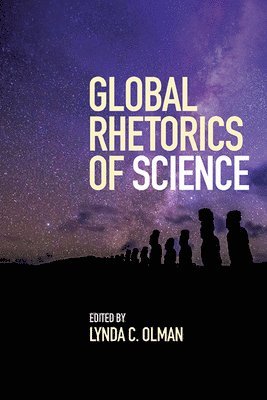
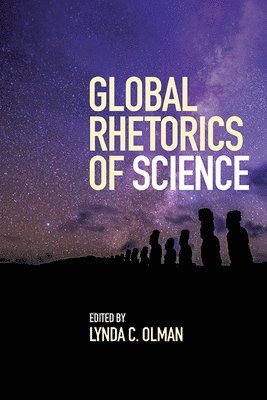
Takes a multicultural, interdisciplinary approach to the rhetoric of science to expand our toolkit for the collective management of global risks like climate change and pandemics.With this volume, the field of rhetoric of science joins its sister disciplines in history and philosophy in challenging the dominance of Euro-American science as a global epistemology. The discipline of rhetoric understands world-making and community-building as interdependent activities: that is, if we practice science differently, we do politics differently, and vice versa. This wider aperture seems crucial at a time when we are confronted with the limitations of Euro-American science and politics in managing global risks such as pandemics and climate change-particularly in our most vulnerable communities. The contributors to this volume draw on their familiarity with a wide range of global scientific traditions-from Australian Aboriginal ecology to West African medicine to Polynesian navigation science-to suggest possibilities for reconfiguring the relationship between science and politics to better manage global risks. These possibilities should not only inspire scholars in rhetoric and technical communication but should also introduce readers from science and technology studies to some useful new approaches to the problem of decolonizing scenes of scientific practice around the world.
1 456 kr
Skickas inom 3-6 vardagar
Takes a multicultural, interdisciplinary approach to the rhetoric of science to expand our toolkit for the collective management of global risks like climate change and pandemics.With this volume, the field of rhetoric of science joins its sister disciplines in history and philosophy in challenging the dominance of Euro-American science as a global epistemology. The discipline of rhetoric understands world-making and community-building as interdependent activities: that is, if we practice science differently, we do politics differently, and vice versa. This wider aperture seems crucial at a time when we are confronted with the limitations of Euro-American science and politics in managing global risks such as pandemics and climate change-particularly in our most vulnerable communities. The contributors to this volume draw on their familiarity with a wide range of global scientific traditions-from Australian Aboriginal ecology to West African medicine to Polynesian navigation science-to suggest possibilities for reconfiguring the relationship between science and politics to better manage global risks. These possibilities should not only inspire scholars in rhetoric and technical communication but should also introduce readers from science and technology studies to some useful new approaches to the problem of decolonizing scenes of scientific practice around the world.