Lynn A. Meisch – författare
Visar alla böcker från författaren Lynn A. Meisch. Handla med fri frakt och snabb leverans.
2 produkter
2 produkter
Inbunden, Engelska, 2007
502 kr
Skickas inom 5-8 vardagar
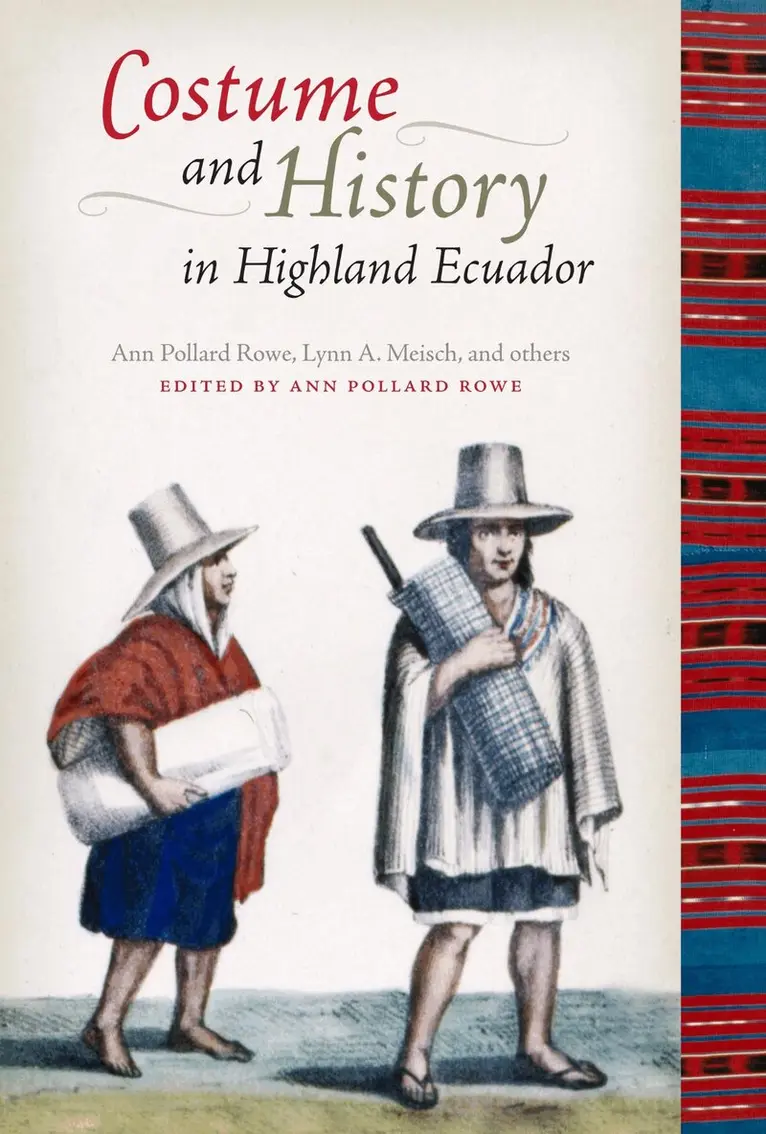
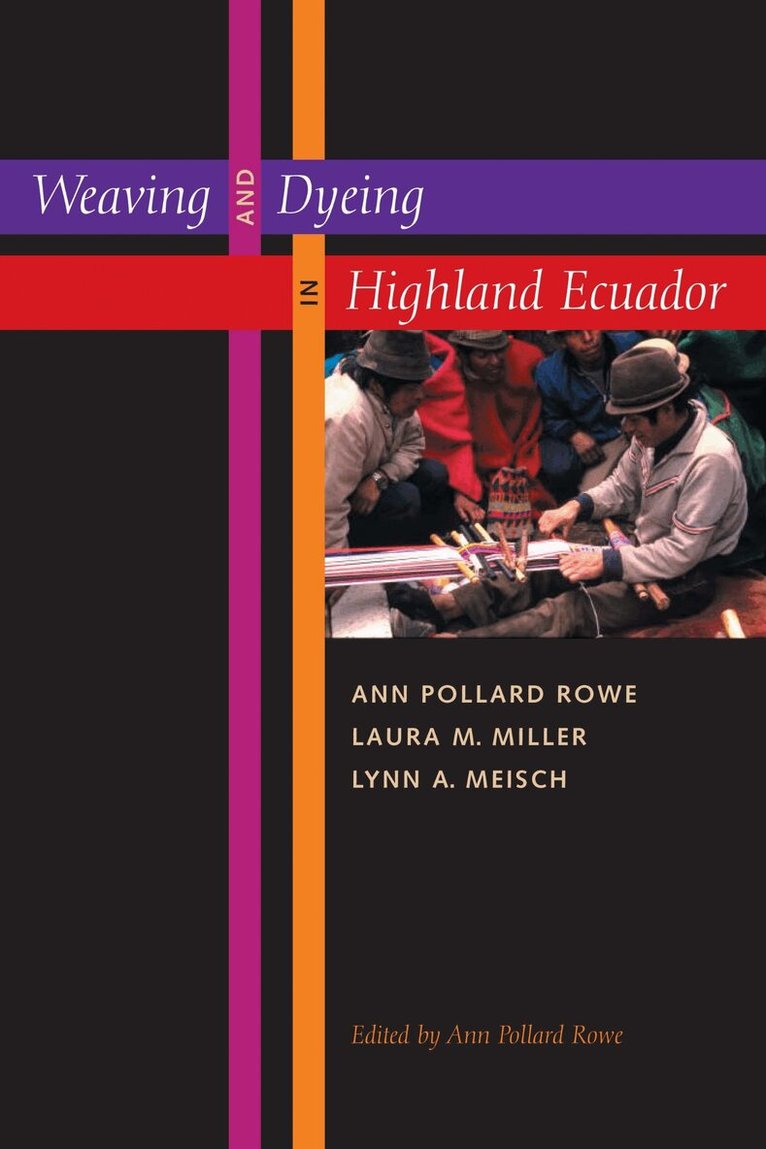
Although less well known than its much-admired counterparts in Peru and Bolivia, highland Ecuadorian weaving is an Andean tradition that has relationships with these more southern areas. A world away from the industrialized textile manufacturing of Euro-American society, these handmade pieces reflect the history and artistry of an ancient culture. This comprehensive study, edited by Ann Pollard Rowe, is unrivaled in its detail and includes not only descriptions of the indigenous weaving and dyeing technology, but also an interpretation of its historical significance, as well as hundreds of photographs, drawings, and maps that inform the understanding of the process. The principal focus is on backstrap-loom weaving, a major pre-Hispanic technology. Ecuadorian backstrap looms, which differ in various ways from those found elsewhere in the Andes, have previously only been treated in general terms. Here, the basic operation of this style of loom is covered, as are a variety of patterning techniques including warp-resist (ikat) dyeing, weaving belts with twill, and supplementary- and complementary-warp patterning. Spanish colonial treadle-loom weaving is also covered. The weaving techniques are explained in detail, so the reader can replicate them if desired. Textiles have been an important art form among Andean peoples from remote prehistory up to the present. A greater understanding of their creation process can yield a more meaningful appreciation of the art itself.
Häftad, Engelska, 2002
318 kr
Skickas inom 10-15 vardagar
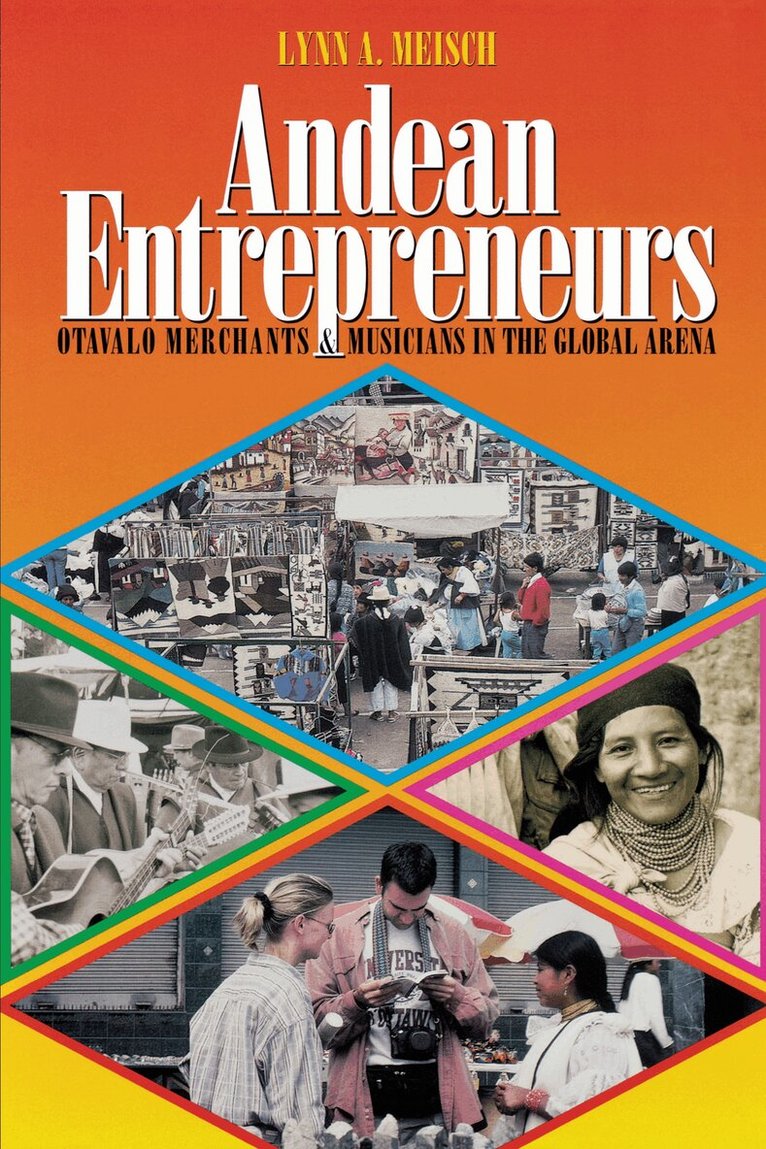
Native to a high valley in the Andes of Ecuador, the Otavalos are an indigenous people whose handcrafted textiles and traditional music are now sold in countries around the globe. Known as weavers and merchants since pre-Inca times, Otavalos today live and work in over thirty countries on six continents, while hosting more than 145,000 tourists annually at their Saturday market.In this ethnography of the globalization process, Lynn A. Meisch looks at how participation in the global economy has affected Otavalo identity and culture since the 1970s. Drawing on nearly thirty years of fieldwork, she covers many areas of Otavalo life, including the development of weaving and music as business enterprises, the increase in tourism to Otavalo, the diaspora of Otavalo merchants and musicians around the world, changing social relations at home, the growth of indigenous political power, and current debates within the Otavalo community over preserving cultural identity in the face of globalization and transnational migration. Refuting the belief that contact with the wider world inevitably destroys indigenous societies, Meisch demonstrates that Otavalos are preserving many features of their culture while adopting and adapting modern technologies and practices they find useful.