Lynsey A. Bates - Böcker
Visar alla böcker från författaren Lynsey A. Bates. Handla med fri frakt och snabb leverans.
2 produkter
2 produkter
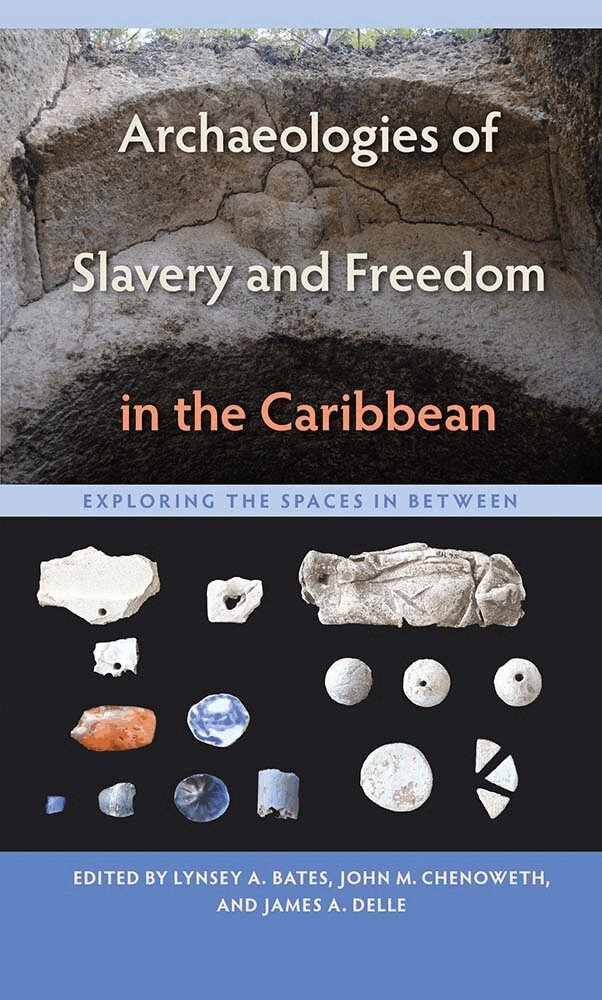
Archaeologies of Slavery and Freedom in the Caribbean
Exploring the Spaces in Between
Inbunden, Engelska, 2016
994 kr
Skickas inom 10-15 vardagar
Caribbean plantations and the forces that shaped them—slavery, sugar, capitalism, and the tropical, sometimes deadly environment—have been studied extensively. This volume turns the focus to the places and times where the rules of the plantation system did not always apply, including the interstitial spaces that linked enslaved Africans with their neighbors at other plantations. The essays also explore the lives of “poor whites,” Afro-descendant members of military garrisons, and free people of color, demonstrating that binary models of black slaves and white planters do not fully encompass the diversity of identities before and after Emancipation. Employing innovative research tools and integrating data from Dominica, St. Lucia, the Dominican Republic, Jamaica, Barbados, Nevis, Montserrat, and the British Virgin Islands, these essays offer a deeper understanding of the complex world within and beyond the sprawling sugar estates.
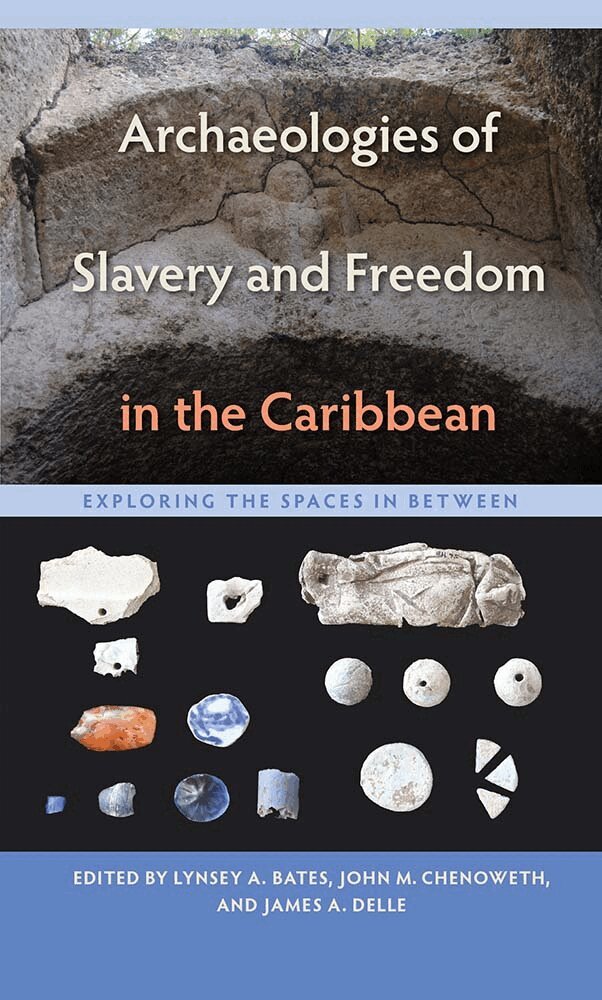
Archaeologies of Slavery and Freedom in the Caribbean
Exploring the Spaces in Between
Häftad, Engelska, 2018
309 kr
Skickas inom 10-15 vardagar
Caribbean plantations and the forces that shaped them--slavery, sugar, capitalism, and the tropical, sometimes deadly environment--have been studied extensively. This volume brings together alternate stories of sites that fall outside the large cash-crop estates. Employing innovative research tools and integrating data from Dominica, St. Lucia, the Dominican Republic, Jamaica, Barbados, Nevis, Montserrat, and the British Virgin Islands, the contributors investigate the oft-overlooked interstitial spaces where enslaved Africans sought to maintain their own identities inside and outside the fixed borders of colonialism.Despite grueling work regimes and social and economic restrictions, people held in bondage carved out places of their own at the margins of slavery's reach. These essays reveal a complex world within and between sprawling plantations--a world of caves, gullies, provision grounds, field houses, fields, and the areas beyond them, where the enslaved networked, interacted, and exchanged goods and information.The volume also explores the lives of poor whites, Afro-descendant members of military garrisons, and free people of color, demonstrating that binary models of black slaves and white planters do not fully encompass the diversity of Caribbean identities before and after emancipation. Together, the analyses of marginal spaces and postemancipation communities provide a more nuanced understanding of the experiences of those who lived in the historic Caribbean, and who created, nurtured, and ultimately cut the roots of empire.A volume in the Florida Museum of Natural History: Ripley P. Bullen Series.