M. A. Hayat – författare
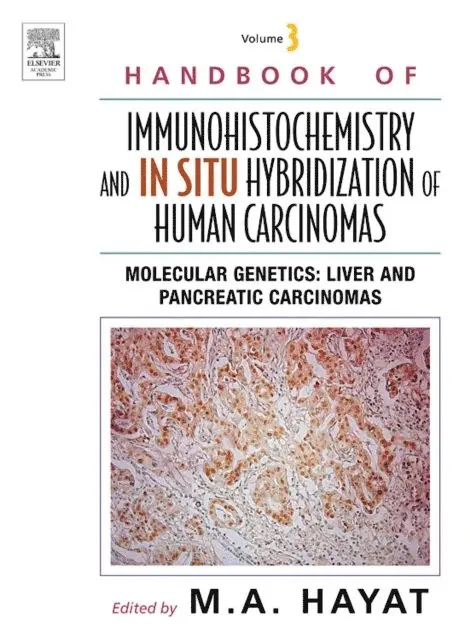
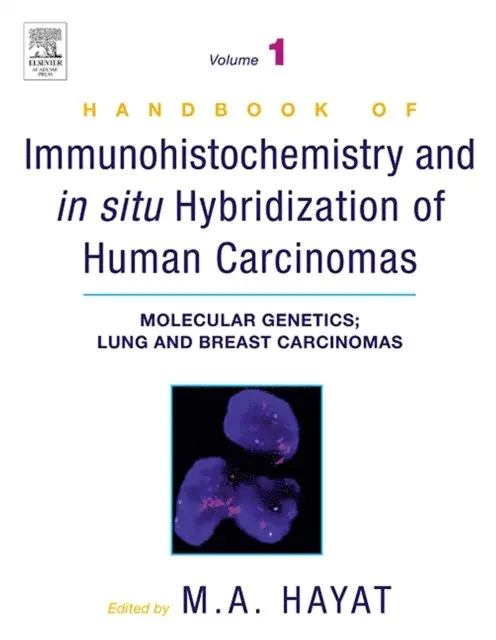
Handbook of Immunohistochemistry and in Situ Hybridization of Human Carcinomas
Molecular Genetics; Lung and Breast Carcinomas
2 457 kr
Skickas inom 7-10 vardagar
The various cell types have traditionally been recognized and classified according to their appearance in the light microscope following the process of fixing, processing, sectioning, and staining tissues that is known as histology. Classical histology has been augmented by immunohistochemistry (the use of specific antibodies to stain particular molecular species in situ). Immunohistochemistry has allowed the identification of many more cell types than could be visualized by classical histology, particularly in the immune system and among the scattered hormone-secreting cells of the endocrine system.
Handbook of Immunohistochemistry and in Situ Hybridization of Human Carcinomas discusses all aspects of immunohistochemistry and in situ hybridization technologies and the important role they play in reaching a cancer diagnosis. It provides step-by-step instructions on the methods of additional molecular technologies such as DNA microarrays, and microdissection, along with the benefits and limitations of each method. The topics of region-specific gene expression, its role in cancer development and the techniques that assist in the understanding of the molecular basis of disease are relevant and necessary in science today, ensuring a wide audience for this book.
The only book available that translates molecular genetics into cancer diagnosis Provides the readers with tools necessary to perform and optimize sensitive, powerful techniques, including immunohistochemistry and fluorescence in situ hybridization, used in tumor diagnosis Written by experts in this field, the book provides theoretical considerations as well as practical approaches to carry out effectively these techniques Offers suggestions, tips, cautions, and guidelines to avoid artifacts and misdiagnosis Introduces new techniques to detect genes and proteins involved in the initiation and progression of cancer Covers the latest developments and a wide range of applications to the detection of antigens and single-copy DNA and RNA Written in a uniform format, each chapter includes Introduction, Materials required, step-by-step detailed Methods, Results, Discussion, and comprehensive up-to-date ReferencesHandbook of Immunohistochemistry and in Situ Hybridization of Human Carcinomas
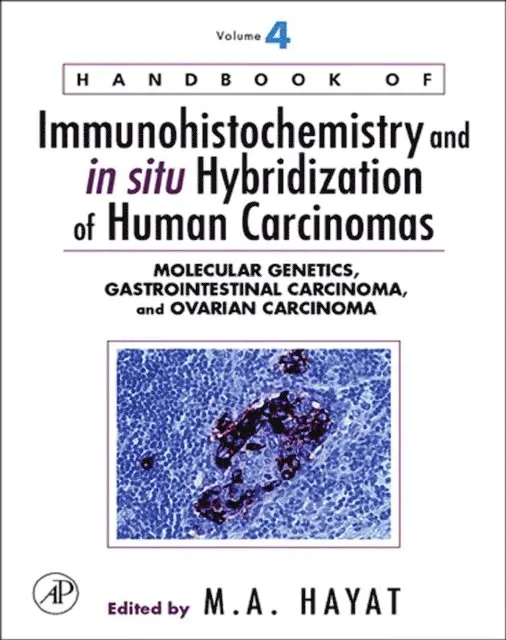
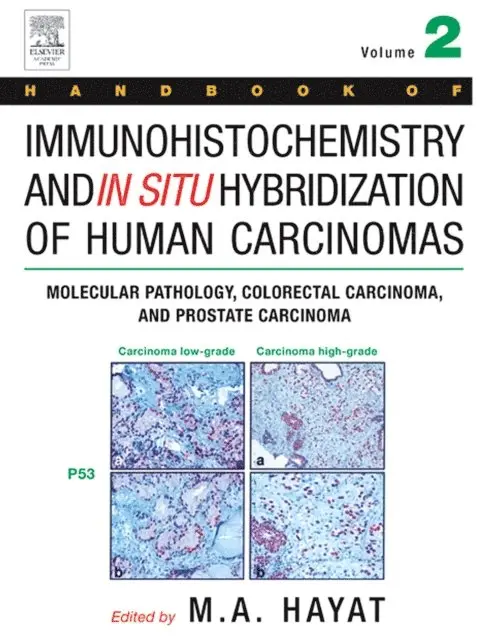
Molecular Pathology, Colorectal Carcinoma, and Prostate Carcinoma
2 457 kr
Skickas inom 7-10 vardagar
Immunohistochemistry is the use of specific antibodies to stain particular molecular species in situ. This technique has allowed the identification of many more cell types than could be visualized by classical histology, particularly in the immune system and among the scattered hormone-secreting cells of the endocrine system, and has the potential to improve diagnosis, prognosis and therapeutic options of cancer.
Handbook of Immunohistochemistry and in Situ Hybridization of Human Carcinomas discusses all aspects of immunohistochemistry and in situ hybridization technologies and the important role they play in reaching a cancer diagnosis. It provides step-by-step instructions on the methods of additional molecular technologies such as DNA microarrays, and microdissection, along with the benefits and limitations of each method. The topics of region-specific gene expression, its role in cancer development and the techniques that assist in the understanding of the molecular basis of disease are relevant and necessary in science today.
This book is the second volume of three planned, individually-sold volumes on this topic. Like Volume 1, this book fully explains the principles and applications of modern techniques used in the field of molecular genetics. It will be of particular interest to pathologists and molecular pathologists conducting both academic and/or clinical research.
The only book available that translates molecular genetics into cancer diagnosis The results of each Immunohistochemical and in situ hybridization method are presented in the form of color illustrations Methods discussed were either developed or refined by expert contributors in their own laboratories2 231 kr
Skickas inom 7-10 vardagar
Autophagy: Cancer, Other Pathologies, Inflammation, Immunity, Infection, and Aging
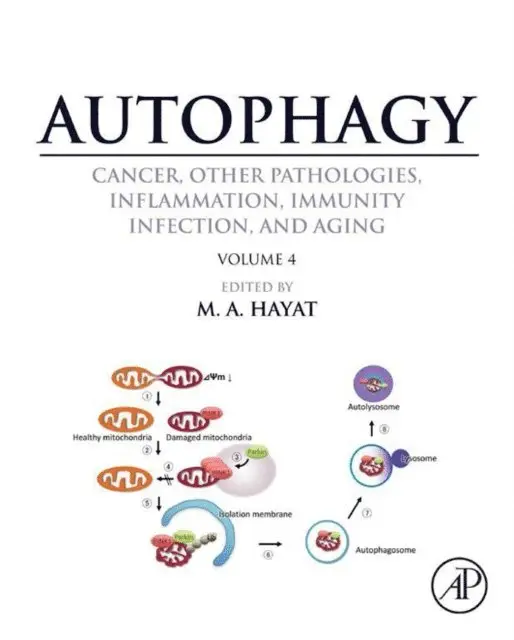
Volume 4 - Mitophagy
1 741 kr
Skickas inom 7-10 vardagar
Autophagy: Cancer, Other Pathologies, Inflammation, Immunity, Infection and Aging, Volume 4 - Mitophagy�presents detailed information on the role of mitophagy, the selective autophagy of mitochondria, in health and disease, by delivering an in-depth treatment of the molecular mechanisms involved in mitophagy initiation and execution, as well as the role of mitophagy in Parkinson's Disease, cardiac aging, and skeletal muscle atrophy. The most current understanding of the proteins and pathways involved in mitophagy are covered, with specific attention to Nix and Bnip3, PINK1/Parkin, Atg32, and FUNDC1. The role of mitophagy in cancer, neurodegeneration, aging, infection, and inflammation is also discussed providing essential insights into the pathogenesis of a variety of mitochondria dysfunction-related diseases.
This book is an asset to newcomers as a concise overview of the current knowledge on mitophagy, while serving as an excellent update reference for more experienced scientists working on other aspects of autophagy. From these well-developed foundations, researchers, translational scientists, and practitioners may work to better implement more effective therapies against some of the most devastating human diseases.
Volumes in the Series
Volume 1: Molecular Mechanisms. Elucidates autophagy's association with numerous biological processes, including cellular development and differentiation, cancer, immunity, infectious diseases, inflammation, maintenance of homeostasis, response to cellular stress, and degenerative diseases such as Alzheimer's, Parkinson's, Huntington's, amyotrophic lateral sclerosis, and prion diseases. Volume 2: Role in General Diseases. Describes the various aspects of the complex process of autophagy in a myriad of devastating human diseases, expanding from a discussion of essential autophagic functions into the role of autophagy in proteins, pathogens, immunity, and general diseases.� Volume 3: Role in Specific Diseases. Explores the role of autophagy in specific diseases and developments, including: Crohn's Disease, Gaucher Disease, Huntington's Disease, HCV infection, osteoarthritis, and liver injury, with a full section devoted to in-depth exploration of autophagy in tumor development and cancer, as well as the relationship between autophagy and apoptosis.Volume 4: Mitophagy. Presents detailed information on the role of mitophagy, the selective autophagy of mitochondria, in health and disease, by delivering an in-depth treatment of the molecular mechanisms involved in mitophagy initiation and execution, as well as the role of mitophagy in Parkinson Disease, cardiac aging, and skeletal muscle atrophy. Volume 5: Role in Human Diseases. Comprehensively describes the role of autophagy in human diseases, delivering coverage of the antitumor and protumor roles of autophagy; the therapeutic inhibition of autophagy in cancer; and the duality of autophagy's effects in various cardiovascular, metabolic, and neurodegenerative disorders.Volume 6: Regulation of Autophagy and Selective Autophagy. Provides coverage of the mechanisms of regulation of autophagy; intracellular pathogen use of the autophagy mechanism; the role of autophagy in host immunity; and selective autophagy. Volume 7: Role of Autophagy in Therapeutic Applications. Provides coverage of the latest developments in autophagosome biogenesis and regulation; the role of autophagy in protein quality control; the role of autophagy in apoptosis; autophagy in the cardiovascular system; and the relationships between autophagy and lifestyle.� Volume 8: Autophagy and Human Diseases. Reviews recent advancements in the molecular mechanisms underlying a large number of genetic and epigenetic diseases and abnormalities, and introduces new, more effective therapeutic strategies, in the development of targeted drugs and programmed cell death, providing information that will aid on preventing detrimental inflammation.Volume 9: Necrosis and Inflammation in Human Diseases. Emphasizes the role of Autophagy in necrosis and inflammation, explaining in detail the molecular mechanism(s) underlying the formation of autophagosomes, including the progression of Omegasomes to autophagosomes.
Brings together a wide swathe of experts (oncologists, neurosurgeons, physicians, research scientists, and pathologists) in the field of autophagy to discuss cutting-edge developments in this rapidly-advancing field Discusses in detail myriad aspects of yeast mitophagy, including proteins involved, generation of reactive oxygen species (ROS), and various mechanisms of mitochondrial quality control Builds upon recent advances in genome-scale approaches and computational tools to discuss the advances in regulation of autophagy at the systems level Organized for readers into easy-to-access sections: general applications; molecular mechanisms; and role in diseaseAutophagy: Cancer, Other Pathologies, Inflammation, Immunity, Infection, and Aging
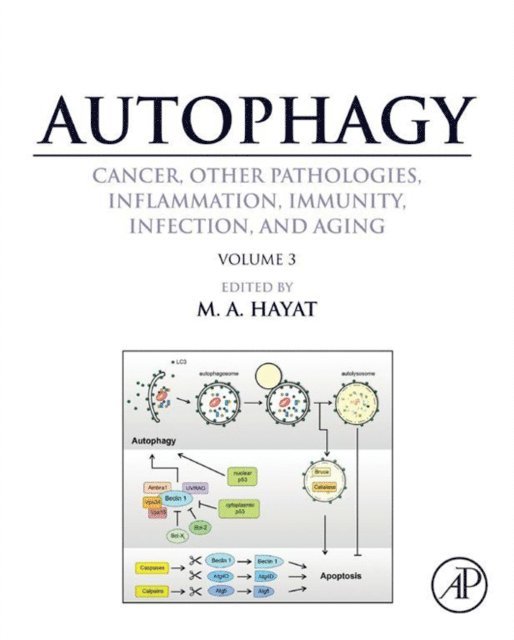
Volume 3 - Role in Specific Diseases
1 741 kr
Skickas inom 7-10 vardagar
Understanding the importance and necessity of the role of autophagy in health and disease is vital for the studies of cancer, aging, neurodegeneration, immunology, and infectious diseases. Comprehensive and up-to-date, this book offers a valuable guide to these cellular processes whilst encouraging researchers to explore their potentially important connections.
Volume 3 explores the role of autophagy in specific diseases and developments, including: Crohn's Disease, Gaucher Disease, Huntington's Disease, HCV infection, osteoarthritis, and liver injury. A full section is devoted to in-depth exploration of autophagy in tumor development and cancer. Finally, the work explores the relationship between autophagy and apoptosis, with attention to the ways in which autophagy regulates apoptosis, and the ways in which autophagy has been explored in Lepidoptera, elucidating the use of larval midgut as a model for such exploration. From these well-developed foundations, researchers, translational scientists, and practitioners may work to better implement more effective therapies against some of the most devastating human diseases.
Volumes in the Series
Volume 1: Molecular Mechanisms. Elucidates autophagy's association with numerous biological processes, including cellular development and differentiation, cancer, immunity, infectious diseases, inflammation, maintenance of homeostasis, response to cellular stress, and degenerative diseases such as Alzheimer's, Parkinson's, Huntington's, amyotrophic lateral sclerosis, and prion diseases. Volume 2: Role in General Diseases. Describes the various aspects of the complex process of autophagy in a myriad of devastating human diseases, expanding from a discussion of essential autophagic functions into the role of autophagy in proteins, pathogens, immunity, and general diseases. Volume 3: Role in Specific Diseases. Explores the role of autophagy in specific diseases and developments, including: Crohn's Disease, Gaucher Disease, Huntington's Disease, HCV infection, osteoarthritis, and liver injury, with a full section devoted to in-depth exploration of autophagy in tumor development and cancer, as well as the relationship between autophagy and apoptosis.Volume 4: Mitophagy. Presents detailed information on the role of mitophagy, the selective autophagy of mitochondria, in health and disease, by delivering an in-depth treatment of the molecular mechanisms involved in mitophagy initiation and execution, as well as the role of mitophagy in Parkinson Disease, cardiac aging, and skeletal muscle atrophy. Volume 5: Role in Human Diseases. Comprehensively describes the role of autophagy in human diseases, delivering coverage of the antitumor and protumor roles of autophagy; the therapeutic inhibition of autophagy in cancer; and the duality of autophagy's effects in various cardiovascular, metabolic, and neurodegenerative disorders.Volume 6: Regulation of Autophagy and Selective Autophagy. Provides coverage of the mechanisms of regulation of autophagy; intracellular pathogen use of the autophagy mechanism; the role of autophagy in host immunity; and selective autophagy. Volume 7: Role of Autophagy in Therapeutic Applications. Provides coverage of the latest developments in autophagosome biogenesis and regulation; the role of autophagy in protein quality control; the role of autophagy in apoptosis; autophagy in the cardiovascular system; and the relationships between autophagy and lifestyle. Volume 8: Autophagy and Human Diseases. Reviews recent advancements in the molecular mechanisms underlying a large number of genetic and epigenetic diseases and abnormalities, and introduces new, more effective therapeutic strategies, in the development of targeted drugs and programmed cell death, providing information that will aid on preventing detrimental inflammation.Volume 9: Necrosis and Inflammation in Human Diseases. Emphasizes the role of Autophagy in necrosis and inflammation, explaining in detail the molecular mechanism(s) underlying the formation of autophagosomes, including the progression of Omegasomes to autophagosomes.
Brings together oncologists, neurosurgeons, physicians, research scientists, and pathologists in the field of autophagy to discuss cutting-edge developments in this rapidly-advancing field Builds upon recent advances in genome-scale approaches and computational tools to discuss the advances in regulation of autophagy at the systems level Organized for readers into easy-to-access sections: molecular mechanisms; role of autophagy in disease; role of autophagy in cancer; and autophagy and apoptosis Explores exciting new developments, including the measurement of autophagic flux; the molecular role of the Atg12-Atg5-Atg16 complex; and the molecular bases of autophagosome formation in yeastAutophagy: Cancer, Other Pathologies, Inflammation, Immunity, Infection, and Aging
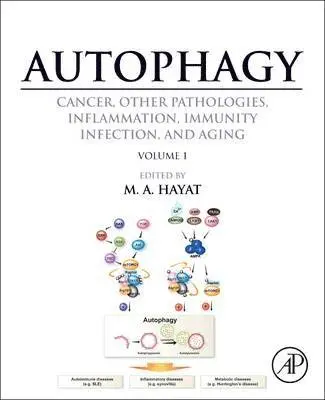
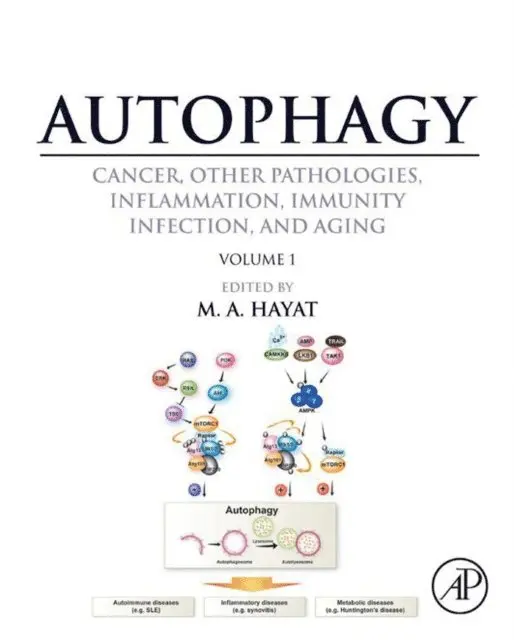
Volume 1 - Molecular Mechanisms
1 741 kr
Skickas inom 7-10 vardagar
Understanding the importance and necessity of the role of autophagy in health and disease is vital for the studies of cancer, aging, neurodegeneration, immunology, and infectious diseases. Comprehensive and forward thinking, these books offer a valuable guide to both cellular processes while inciting researchers to explore their potentially important connections.
Considering that autophagy is associated with numerous biological processes, including cellular development and differentiation, cancer (both antitumor and protumor functions), immunity, infectious diseases, inflammation, maintenance of homeostasis, response to cellular stress, and degenerative diseases such as Alzheimer's, Parkinson's, Huntington's, amyotrophic lateral sclerosis, and prion diseases, there is a great need to understanding its role. Cell homeostasis is achieved by balancing biosynthesis and cellular turnover. In spite of the increasing importance of autophagy in various pathophysiological situations (conditions) mentioned above, this process remains underestimated and overlooked. As a consequence, its role in the initiation, stability, maintenance, and progression of these and other diseases (e.g., autoimmune disease) remains poorly understood.
Volumes in the Series
Volume 1: Molecular Mechanisms. Elucidates autophagy's association with numerous biological processes, including cellular development and differentiation, cancer, immunity, infectious diseases, inflammation, maintenance of homeostasis, response to cellular stress, and degenerative diseases such as Alzheimer's, Parkinson's, Huntington's, amyotrophic lateral sclerosis, and prion diseases. Volume 2: Role in General Diseases. Describes the various aspects of the complex process of autophagy in a myriad of devastating human diseases, expanding from a discussion of essential autophagic functions into the role of autophagy in proteins, pathogens, immunity, and general diseases. Volume 3: Role in Specific Diseases. Explores the role of autophagy in specific diseases and developments, including: Crohn's Disease, Gaucher Disease, Huntington's Disease, HCV infection, osteoarthritis, and liver injury, with a full section devoted to in-depth exploration of autophagy in tumor development and cancer, as well as the relationship between autophagy and apoptosis.Volume 4: Mitophagy. Presents detailed information on the role of mitophagy, the selective autophagy of mitochondria, in health and disease, by delivering an in-depth treatment of the molecular mechanisms involved in mitophagy initiation and execution, as well as the role of mitophagy in Parkinson Disease, cardiac aging, and skeletal muscle atrophy. Volume 5: Role in Human Diseases. Comprehensively describes the role of autophagy in human diseases, delivering coverage of the antitumor and protumor roles of autophagy; the therapeutic inhibition of autophagy in cancer; and the duality of autophagy's effects in various cardiovascular, metabolic, and neurodegenerative disorders.Volume 6: Regulation of Autophagy and Selective Autophagy. Provides coverage of the mechanisms of regulation of autophagy; intracellular pathogen use of the autophagy mechanism; the role of autophagy in host immunity; and selective autophagy. Volume 7: Role of Autophagy in Therapeutic Applications. Provides coverage of the latest developments in autophagosome biogenesis and regulation; the role of autophagy in protein quality control; the role of autophagy in apoptosis; autophagy in the cardiovascular system; and the relationships between autophagy and lifestyle. Volume 8: Autophagy and Human Diseases. Reviews recent advancements in the molecular mechanisms underlying a large number of genetic and epigenetic diseases and abnormalities, and introduces new, more effective therapeutic strategies, in the development of targeted drugs and programmed cell death, providing information that will aid on preventing detrimental inflammation.Volume 9: Necrosis and Inflammation in Human Diseases. Emphasizes the role of Autophagy in necrosis and inflammation, explaining in detail the molecular mechanism(s) underlying the formation of autophagosomes, including the progression of Omegasomes to autophagosomes.
Presents the most advanced information regarding the role of the autophagic system in life and death and whether autophagy acts fundamentally as a cell survivor or cell death pathway or both Introduces new, more effective therapeutic strategies in the development of targeted drugs and programmed cell death, providing information that will aid on preventing detrimental inflammation States recent advancements in the molecular mechanisms underlying a large number of genetic and epigenetic diseases and abnormalitiesAutophagy: Cancer, Other Pathologies, Inflammation, Immunity, Infection, and Aging
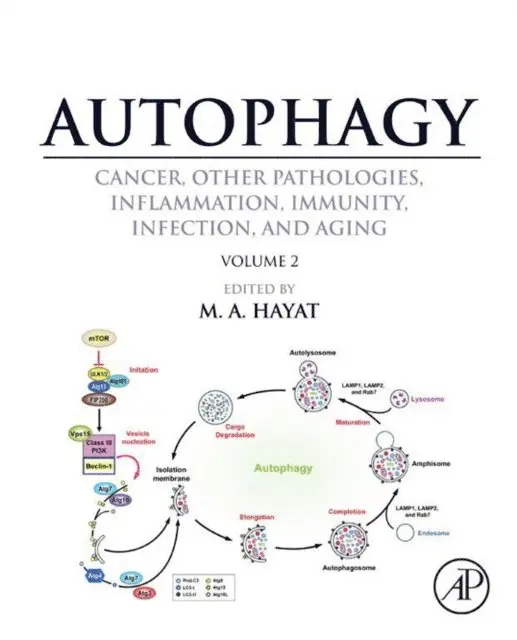
Volume 2 - Role in General Diseases
1 578 kr
Skickas inom 7-10 vardagar
Autophagy: Cancer, Other Pathologies, Inflammation, Immunity, Infection, and Aging is a complete, authoritative examination of the role of autophagy in health and disease. Understanding this phenomenon is vital for the studies of cancer, aging, neurodegeneration, immunology, and infectious diseases. Comprehensive and forward thinking, this four-volume work offers a valuable guide to cellular processes while encouraging researchers to explore their potentially important connections.
Understanding the role of autophagy is critical, considering its association with numerous biological processes, including cellular development and differentiation, cancer (both antitumor and protumor functions), immunity, infectious diseases, inflammation, maintenance of homeostasis, response to cellular stress, and degenerative diseases such as Alzheimer's, Parkinson's, Huntington's, amyotrophic lateral sclerosis, and prion diseases. Cell homeostasis is achieved by balancing biosynthesis and cellular turnover. In spite of the increasing importance of autophagy in various pathophysiological conditions mentioned above, this process remains underestimated and overlooked. As a consequence, its role in the initiation, stability, maintenance, and progression of these and other diseases (e.g., autoimmune disease) remains poorly understood.
This work will broaden the knowledge base of academic and clinical professors, post-doctoral fellows, graduate and medical students regarding this vital biological process.
Volumes in the Series
Volume 1: Molecular Mechanisms. Elucidates autophagy's association with numerous biological processes, including cellular development and differentiation, cancer, immunity, infectious diseases, inflammation, maintenance of homeostasis, response to cellular stress, and degenerative diseases such as Alzheimer's, Parkinson's, Huntington's, amyotrophic lateral sclerosis, and prion diseases. Volume 2: Role in General Diseases. Describes the various aspects of the complex process of autophagy in a myriad of devastating human diseases, expanding from a discussion of essential autophagic functions into the role of autophagy in proteins, pathogens, immunity, and general diseases. Volume 3: Role in Specific Diseases. Explores the role of autophagy in specific diseases and developments, including: Crohn's Disease, Gaucher Disease, Huntington's Disease, HCV infection, osteoarthritis, and liver injury, with a full section devoted to in-depth exploration of autophagy in tumor development and cancer, as well as the relationship between autophagy and apoptosis.Volume 4: Mitophagy. Presents detailed information on the role of mitophagy, the selective autophagy of mitochondria, in health and disease, by delivering an in-depth treatment of the molecular mechanisms involved in mitophagy initiation and execution, as well as the role of mitophagy in Parkinson Disease, cardiac aging, and skeletal muscle atrophy. Volume 5: Role in Human Diseases. Comprehensively describes the role of autophagy in human diseases, delivering coverage of the antitumor and protumor roles of autophagy; the therapeutic inhibition of autophagy in cancer; and the duality of autophagy's effects in various cardiovascular, metabolic, and neurodegenerative disorders.Volume 6: Regulation of Autophagy and Selective Autophagy. Provides coverage of the mechanisms of regulation of autophagy; intracellular pathogen use of the autophagy mechanism; the role of autophagy in host immunity; and selective autophagy. Volume 7: Role of Autophagy in Therapeutic Applications. Provides coverage of the latest developments in autophagosome biogenesis and regulation; the role of autophagy in protein quality control; the role of autophagy in apoptosis; autophagy in the cardiovascular system; and the relationships between autophagy and lifestyle. Volume 8: Autophagy and Human Diseases. Reviews recent advancements in the molecular mechanisms underlying a large number of genetic and epigenetic diseases and abnormalities, and introduces new, more effective therapeutic strategies, in the development of targeted drugs and programmed cell death, providing information that will aid on preventing detrimental inflammation.Volume 9: Necrosis and Inflammation in Human Diseases. Emphasizes the role of Autophagy in necrosis and inflammation, explaining in detail the molecular mechanism(s) underlying the formation of autophagosomes, including the progression of Omegasomes to autophagosomes.
Presents the most advanced information regarding the role of the autophagic system in life and death and whether autophagy acts fundamentally as a cell survivor or cell death pathway, or both Introduces new, more effective therapeutic strategies in the development of targeted drugs and programmed cell death, providing information that will aid in preventing detrimental inflammation Covers recent advancements in the molecular mechanisms underlying a large number of genetic and epigenetic diseases and abnormalitiesBrain Metastases from Primary Tumors Volume 1
Epidemiology, Biology, and Therapy
1 741 kr
Skickas inom 7-10 vardagar
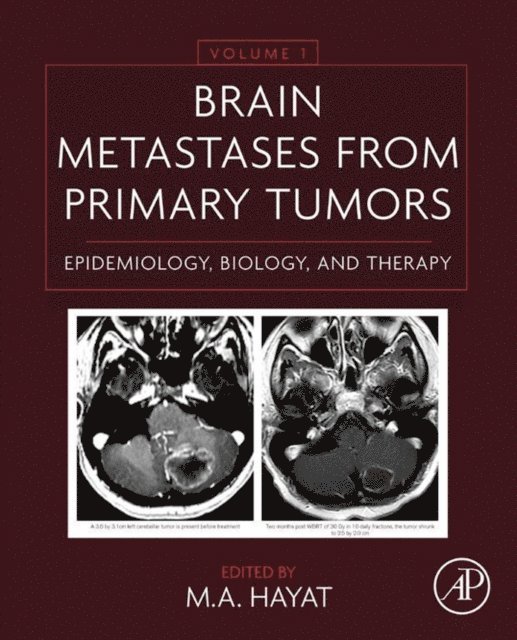
With an annual rate of more than 12 million global diagnoses and 7.6 million deaths, the societal and economic burden of cancer cannot be overstated. Brain metastases are the most common malignant tumors of the central nervous system, yet their incidence appears to be increasing in spite of the advancement of cancer therapies. While much is known about primary cancers (including primary brain tumors), less work has been done to uncover the roots of metastatic disease. Brain Metastases from Primary Tumors Volume 1 fills that gap, serving as the first reference to focus primarily on the link between primary cancers and brain metastases. This link is explored for the most common cancer types - lung, breast, and melanoma. Additionally, biological background as well as therapy for CNS metastases is addressed. Age and gender related trends are also discussed, as is the use of biomarkers for early detection.
The only comprehensive reference detailing the link between primary cancers and brain metastases Aids the target audience in determining the incidence of brain metastases in patients with a primary cancer Provided education about the potential use of biomarkers for early detection, diagnosis and prevention of the spread of primary cancer to the brain Documents temporal and gender-related trends in brain metastases from other cancers Edited work with chapters authored by leaders in the field around the globe - the broadest, most expert coverage availableAutophagy: Cancer, Other Pathologies, Inflammation, Immunity, Infection, and Aging
Volume 6- Regulation of Autophagy and Selective Autophagy
1 741 kr
Skickas inom 7-10 vardagar
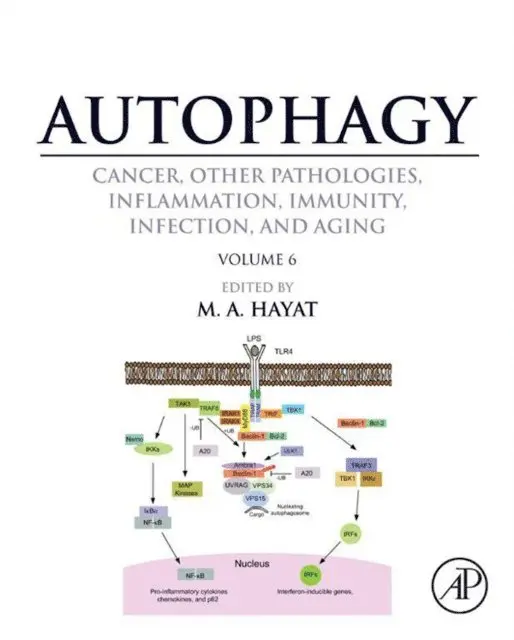
Volume 6 provides coverage of the mechanisms of regulation of autophagy; intracellular pathogen use of the autophagy mechanism; the role of autophagy in host immunity; and selective autophagy. Attention is given to a number of mechanistic advances in the understanding of regulation, particularly the importance of nutrient availability; microRNAs; and cross-talk with other protein degradation pathways. Intracellular pathogen repurposing of autophagy for pathogenic benefit is also provided, with coverage of Herpesvirus protein modulation of autophagy; the varicella-zoster virus and the maintenance of homeostasis; and the relationship between autophagy and the hepatitis b virus.
The significance of autophagy in host defense is elucidated, providing a specific focus on facilitation of antigen presentation; participation in thymic development; and the sharing of regulatory nodes with innate immunity. Selective autophagy for the degradation of mitochondria and endocytosed gap junctions are also explored.
This book is an asset to newcomers as a concise overview of the regulation of autophagy, its role in host defense and immunity, and selective autophagy, while serving as an excellent reference for more experienced scientists and clinicians looking to update their knowledge.
Volumes in the Series
Volume 1: Molecular Mechanisms. Elucidates autophagy's association with numerous biological processes, including cellular development and differentiation, cancer, immunity, infectious diseases, inflammation, maintenance of homeostasis, response to cellular stress, and degenerative diseases such as Alzheimer's, Parkinson's, Huntington's, amyotrophic lateral sclerosis, and prion diseases. Volume 2: Role in General Diseases. Describes the various aspects of the complex process of autophagy in a myriad of devastating human diseases, expanding from a discussion of essential autophagic functions into the role of autophagy in proteins, pathogens, immunity, and general diseases. Volume 3: Role in Specific Diseases. Explores the role of autophagy in specific diseases and developments, including: Crohn's Disease, Gaucher Disease, Huntington's Disease, HCV infection, osteoarthritis, and liver injury, with a full section devoted to in-depth exploration of autophagy in tumor development and cancer, as well as the relationship between autophagy and apoptosis.Volume 4: Mitophagy. Presents detailed information on the role of mitophagy, the selective autophagy of mitochondria, in health and disease, by delivering an in-depth treatment of the molecular mechanisms involved in mitophagy initiation and execution, as well as the role of mitophagy in Parkinson Disease, cardiac aging, and skeletal muscle atrophy. Volume 5: Role in Human Diseases. Comprehensively describes the role of autophagy in human diseases, delivering coverage of the antitumor and protumor roles of autophagy; the therapeutic inhibition of autophagy in cancer; and the duality of autophagy's effects in various cardiovascular, metabolic, and neurodegenerative disorders.Volume 6: Regulation of Autophagy and Selective Autophagy. Provides coverage of the mechanisms of regulation of autophagy; intracellular pathogen use of the autophagy mechanism; the role of autophagy in host immunity; and selective autophagy. Volume 7: Role of Autophagy in Therapeutic Applications. Provides coverage of the latest developments in autophagosome biogenesis and regulation; the role of autophagy in protein quality control; the role of autophagy in apoptosis; autophagy in the cardiovascular system; and the relationships between autophagy and lifestyle. Volume 8: Autophagy and Human Diseases. Reviews recent advancements in the molecular mechanisms underlying a large number of genetic and epigenetic diseases and abnormalities, and introduces new, more effective therapeutic strategies, in the development of targeted drugs and programmed cell death, providing information that will aid on preventing detrimental inflammation.Volume 9: Necrosis and Inflammation in Human Diseases. Emphasizes the role of Autophagy in necrosis and inflammation, explaining in detail the molecular mechanism(s) underlying the formation of autophagosomes, including the progression of Omegasomes to autophagosomes.
Bings together a wide swathe of experts (oncologists, neurosurgeons, physicians, research scientists, and pathologists) in the field of autophagy to discuss recent developments in this rapidly-advancing field Discuses role of autophagy in immunity, with coverage of toll-like receptors as activators for autophagy; role in antigen processing; and control of production and secretion of il-1B Covers role of autophagy receptors in mitophagy; role of parkin and pink1 in mitochondrial quality control; and the degradation of endocytosed gap junctions Organized for readers into easy-to-access sections: autophagy and molecular mechanisms; autophagy and intracellular pathogens; autophagy and immunity; and general applicationsAutophagy: Cancer, Other Pathologies, Inflammation, Immunity, Infection, and Aging
Volume 5 - Role in Human Diseases
1 578 kr
Skickas inom 7-10 vardagar
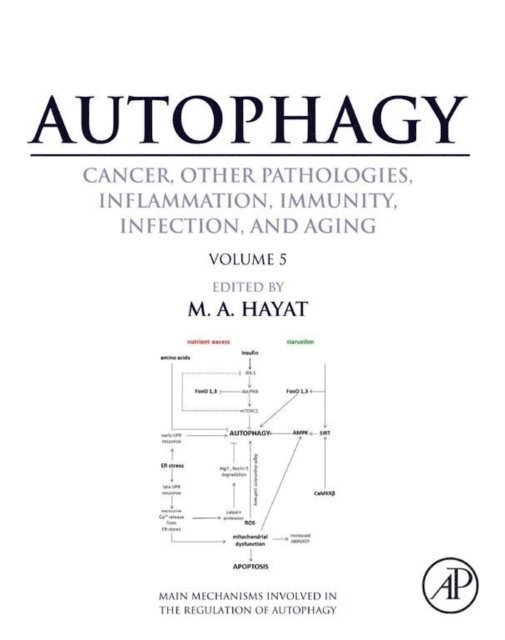
Understanding the importance and necessity of the role of autophagy in health and disease is vital for the studies of cancer, aging, neurodegeneration, immunology, and infectious diseases. Comprehensive and up-to-date, this book offers a valuable guide to these cellular processes whilst inciting researchers to explore their potentially important connections.
Volume 5 comprehensively describes the role of autophagy in human diseases, delivering coverage of the antitumor and protumor roles of autophagy; the therapeutic inhibition of autophagy in cancer; and the duality of autophagy's effects in various cardiovascular, metabolic, and neurodegenerative disorders. In spite of the increasing importance of autophagy in the various pathophysiological conditions mentioned above, this process remains underestimated and overlooked. As a consequence, its role in the initiation, stability, maintenance, and progression of these and other diseases remains poorly understood.
This book is an asset to newcomers as a concise overview of the diverse disease implications of autophagy, while serving as an excellent reference for more experienced scientists and clinicians looking to update their knowledge.
Volumes in the Series
Volume 1: Molecular Mechanisms. Elucidates autophagy's association with numerous biological processes, including cellular development and differentiation, cancer, immunity, infectious diseases, inflammation, maintenance of homeostasis, response to cellular stress, and degenerative diseases such as Alzheimer's, Parkinson's, Huntington's, amyotrophic lateral sclerosis, and prion diseases. Volume 2: Role in General Diseases. Describes the various aspects of the complex process of autophagy in a myriad of devastating human diseases, expanding from a discussion of essential autophagic functions into the role of autophagy in proteins, pathogens, immunity, and general diseases. Volume 3: Role in Specific Diseases. Explores the role of autophagy in specific diseases and developments, including: Crohn's Disease, Gaucher Disease, Huntington's Disease, HCV infection, osteoarthritis, and liver injury, with a full section devoted to in-depth exploration of autophagy in tumor development and cancer, as well as the relationship between autophagy and apoptosis.Volume 4: Mitophagy. Presents detailed information on the role of mitophagy, the selective autophagy of mitochondria, in health and disease, by delivering an in-depth treatment of the molecular mechanisms involved in mitophagy initiation and execution, as well as the role of mitophagy in Parkinson Disease, cardiac aging, and skeletal muscle atrophy. Volume 5: Role in Human Diseases. Comprehensively describes the role of autophagy in human diseases, delivering coverage of the antitumor and protumor roles of autophagy; the therapeutic inhibition of autophagy in cancer; and the duality of autophagy's effects in various cardiovascular, metabolic, and neurodegenerative disorders.Volume 6: Regulation of Autophagy and Selective Autophagy. Provides coverage of the mechanisms of regulation of autophagy; intracellular pathogen use of the autophagy mechanism; the role of autophagy in host immunity; and selective autophagy. Volume 7: Role of Autophagy in Therapeutic Applications. Provides coverage of the latest developments in autophagosome biogenesis and regulation; the role of autophagy in protein quality control; the role of autophagy in apoptosis; autophagy in the cardiovascular system; and the relationships between autophagy and lifestyle. Volume 8: Autophagy and Human Diseases. Reviews recent advancements in the molecular mechanisms underlying a large number of genetic and epigenetic diseases and abnormalities, and introduces new, more effective therapeutic strategies, in the development of targeted drugs and programmed cell death, providing information that will aid on preventing detrimental inflammation.Volume 9: Necrosis and Inflammation in Human Diseases. Emphasizes the role of Autophagy in necrosis and inflammation, explaining in detail the molecular mechanism(s) underlying the formation of autophagosomes, including the progression of Omegasomes to autophagosomes.
Brings together a wide swathe of experts (oncologists, neurosurgeons, physicians, research scientists, and pathologists) in the field of autophagy to discuss recent developments in this rapidly-advancing field Discusses the role of autophagy in cancer cell proliferation and death, and the potential of manipulation of autophagy in cancer cells as an avenue for treatment Covers the importance of autophagy of mitochondria to cellular homeostasis; insulin secretion by pancreatic beta cells; cardiac function; atheroschlerosis; and organ tolerance to ischemic stress Organized for readers into easy-to-access sections: general applications; role in cancer; and role in cardiovascular, metabolic, and neurodegenerative diseasesAutophagy: Cancer, Other Pathologies, Inflammation, Immunity, Infection, and Aging
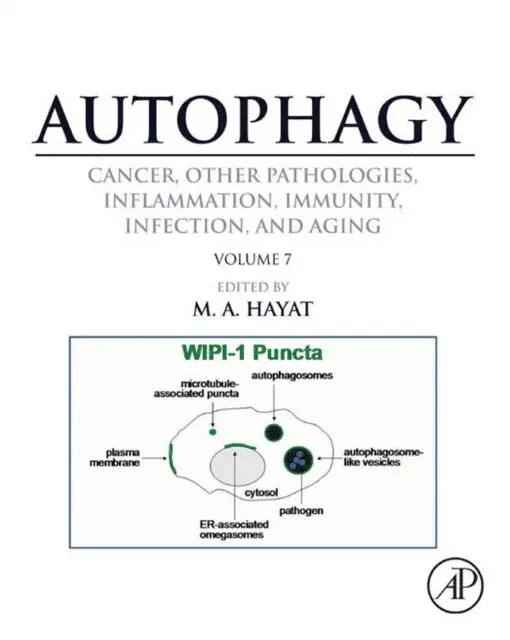
Volume 7- Role of Autophagy in Therapeutic Applications
1 741 kr
Skickas inom 7-10 vardagar
Understanding the importance and necessity of the role of autophagy in health and disease is vital for the studies of cancer, aging, neurodegeneration, immunology, and infectious diseases. Comprehensive and up-to-date, this book offers a valuable guide to these cellular processes whilst inciting researchers to explore their potentially important connections.
Volume 7 provides coverage of the latest developments in autophagosome biogenesis and regulation; the role of autophagy in protein quality control; and the role of autophagy in apoptosis. Attention is given to autophagy in the cardiovascular system, with particular insights into the role of autophagy in atherosclerosis and the distinctive behavior of autophagy in the sinoatrial node. Cutting-edge findings in the relationships between autophagy and lifestyle are explored with the regulation of macroautophagy in response to exercise, as well as the promotion of carcinogenesis via autophagy in response to cigarette smoking.
Volume 7 highlights the importance of understanding the role of autophagy in context, as the complexity of autophagic function becomes increasingly clear. Autophagy may be differentially regulated, and may perform distinctive cell-specific functions even within a single tissue. The overall significance of autophagy thus cannot be oversimplified, and must be explored with granular detail of the specific role, function, and area of impact.This book is an asset to newcomers as a concise overview of the complex significance of autophagy, while serving as an excellent reference for more experienced scientists and clinicians looking to update their knowledge.
Volumes in the SeriesVolume 1: Molecular Mechanisms. Elucidates autophagy's association with numerous biological processes, including cellular development and differentiation, cancer, immunity, infectious diseases, inflammation, maintenance of homeostasis, response to cellular stress, and degenerative diseases such as Alzheimer's, Parkinson's, Huntington's, amyotrophic lateral sclerosis, and prion diseases. Volume 2: Role in General Diseases. Describes the various aspects of the complex process of autophagy in a myriad of devastating human diseases, expanding from a discussion of essential autophagic functions into the role of autophagy in proteins, pathogens, immunity, and general diseases. Volume 3: Role in Specific Diseases. Explores the role of autophagy in specific diseases and developments, including: Crohn's Disease, Gaucher Disease, Huntington's Disease, HCV infection, osteoarthritis, and liver injury, with a full section devoted to in-depth exploration of autophagy in tumor development and cancer, as well as the relationship between autophagy and apoptosis.Volume 4: Mitophagy. Presents detailed information on the role of mitophagy, the selective autophagy of mitochondria, in health and disease, by delivering an in-depth treatment of the molecular mechanisms involved in mitophagy initiation and execution, as well as the role of mitophagy in Parkinson Disease, cardiac aging, and skeletal muscle atrophy. Volume 5: Role in Human Diseases. Comprehensively describes the role of autophagy in human diseases, delivering coverage of the antitumor and protumor roles of autophagy; the therapeutic inhibition of autophagy in cancer; and the duality of autophagy's effects in various cardiovascular, metabolic, and neurodegenerative disorders.Volume 6: Regulation of Autophagy and Selective Autophagy. Provides coverage of the mechanisms of regulation of autophagy; intracellular pathogen use of the autophagy mechanism; the role of autophagy in host immunity; and selective autophagy. Volume 7: Role of Autophagy in Therapeutic Applications. Provides coverage of the latest developments in autophagosome biogenesis and regulation; the role of autophagy in protein quality control; the role of autophagy in apoptosis; autophagy in the cardiovascular system; and the relationships between autophagy and lifestyle. Volume 8: Autophagy and Human Diseases. Reviews recent advancements in the molecular mechanisms underlying a large number of genetic and epigenetic diseases and abnormalities, and introduces new, more effective therapeutic strategies, in the development of targeted drugs and programmed cell death, providing information that will aid on preventing detrimental inflammation.Volume 9: Necrosis and Inflammation in Human Diseases. Emphasizes the role of Autophagy in necrosis and inflammation, explaining in detail the molecular mechanism(s) underlying the formation of autophagosomes, including the progression of Omegasomes to autophagosomes.
Brings together a wide swathe of experts (oncologists, neurosurgeons, physicians, research scientists, and pathologists) in the field of autophagy to discuss recent developments in this rapidly-advancing field Discusses the formation of phagophores / autophagosomes, focusing on imaging tools, three-dimensional morphology, and the role of the endoplasmic reticulum Covers role of autophagy in monocyte-macrophage differentiation; cell death in cancer; and apoptosis in odontogenesis Organized for readers into easy-to-access sections: autophagosome biogenesis and regulation; autophagy in protein quality control; autophagy and apoptosis; autophagy in the cardiovascular system; and lifestyle and autophagyBrain Metastases from Primary Tumors, Volume 2
Epidemiology, Biology, and Therapy
1 314 kr
Skickas inom 7-10 vardagar
Brain metastases are the most common malignant tumors of the central nervous system, yet their incidence appears to be increasing in spite of the advancement of cancer therapies. While much is known about primary cancers (including primary brain tumors), less work has been done to uncover the roots of metastatic disease. Brain Metastases from Primary Tumors fills that gap, serving as the first two-part reference to focus primarily on the link between primary cancers and brain metastases. This link is explored for the most common cancer types - lung, breast, and melanoma. Additionally, biological background as well as therapy for CNS metastases is addressed. Age- and gender-related trends are also discussed, as is the use of biomarkers for early detection.
The only comprehensive reference detailing the link between primary cancers and brain metastases Aids the target audience in determining the incidence of brain metastases in patients with a primary cancer Provides education about the potential use of biomarkers for early detection, diagnosis and prevention of the spread of primary cancer to the brain Documents temporal and gender-related trends in brain metastases from other cancers Edited work with chapters authored by leaders in the field around the globe - the broadest, most expert coverage available The only comprehensive reference detailing the link between primary cancers and brain metastasesAutophagy: Cancer, Other Pathologies, Inflammation, Immunity, Infection, and Aging
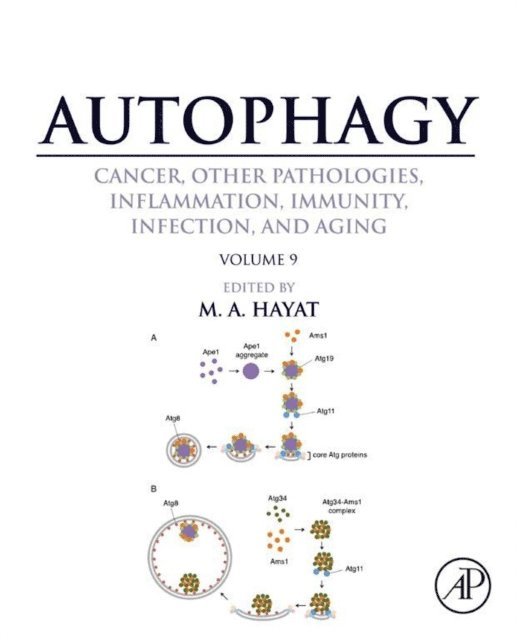
Volume 9: Human Diseases and Autophagosome
1 917 kr
Skickas inom 7-10 vardagar
Autophagy: Cancer, Other Pathologies, Inflammation, Immunity, Infection, and Aging: Volume 9: Human Diseases and Autophagosome offers a valuable guide to both cellular processes while helping researchers explore their potentially important connections.
Volume 9 emphasizes the role of autophagy in diseases, such as leukemia, antifungal and antibacterial immunity, and transplantation. This volume also explains, in detail, the molecular mechanism(s) underlying the formation of autophagosomes, including the progression of omegasomes to autophagosomes. This information is important because one of the major functions of autophagy is to degrade and eliminate excessive, old, and harmful materials from the cell. Autophagosomes receive these materials (cellular cargo) and transport them to lysosomes for degradation. Lysosomes contain the digestive enzymes (hydrolases) that breakdown proteins, lipids, carbohydrates, etc. (self-digestion).
To further explain this phenomenon, the role of the endoplasmic reticulum (ER) in the formation of autophagosomes is discussed. ULK1 and Beclin 1 proteins are also important in the initial formation of autophagosomes, and are also discussed. Because much of the early research in this area was carried out using yeast cells, the role of Golgi complex in the autophagosome formation in these cells is explained.
This volume also includes an explanation of the role of the autophagy-related gene ATG5 in cancer (e.g., gastrointestinal cancer). Paradoxically, autophagy is a "double-edged sword� because it eliminates some pathogens, whereas it can be used by some intracellular pathogens to multiply and cause infection. This book is an asset to newcomers, providing a concise overview of the role of autophagy in necrosis and inflammation, while also serving as an excellent reference for more experienced scientists and clinicians.
Presents the most advanced information regarding the role of the autophagic system in life and death emphasizes autophagy in diseases, such as leukemia Introduces new, more effective therapeutic strategies in the development of targeted drugs and programmed cell death, providing information that will aid in preventing detrimental inflammation States recent advancements in the molecular mechanisms underlying a large number of genetic and epigenetic diseases and abnormalities Edited work with chapters authored by leaders in the field from around the globe-the broadest, most expert coverage availableAutophagy: Cancer, Other Pathologies, Inflammation, Immunity, Infection, and Aging
Volume 8- Human Diseases
1 917 kr
Skickas inom 7-10 vardagar
Volume 8 Autophagy and Human Diseases, concentrates on the role of Autophagy in human diseases, including tumorigenesis. The diseases discussed include melanoma, liver cancer, pancreatic cancer, and neurodegenerative disorders. Loss of autophagy in the central nervous system causes neurodegeneration (Alzheimers disease, Huntington's disease, Parkin's disease, and Amyotrophic Lateral Sclerosis). Melanoma is one of the most serious diseases in humans. Autophagy plays a key role in the anticancer response to Chemotherapy. However, autophagy can increase or decrease the effectiveness of chemotherapy. The reasons for these contradictory effects are explained. Autophagy also plays a role in idiopathic inflammatory diseases, infection, and immunity. An explanation is given how autophagy is closely linked to control of innate and adaptive immune responses in host defense in part by regulating cytokine production. The role of autophagy in cutaneous malignant melanoma is discussed in detail and expression of Beclin 1 and LC3 autophagic genes in melanoma is included to explain the molecular mechanisms underlying this very serious disease, which tends to metastasize to the brain. The effect of the treatment of this disease using Terfenadine through the induction of autophagy and apoptosis is also included. Autophagy and apoptosis are two main mechanisms involved in programmed cell death.
Presents the most advanced information regarding the role of the autophagic system in life and death and whether autophagy acts fundamentally as a cell survivor, or cell death pathway, or both Introduces new, more effective therapeutic strategies, in the development of targeted drugs and programmed cell death, providing information that will aid on preventing detrimental inflammation States recent advancements in the molecular mechanisms underlying a large number of genetic and epigenetic diseases and abnormalitiesBrain Metastases from Primary Tumors, Volume 3
Epidemiology, Biology, and Therapy of Melanoma and Other Cancers
1 314 kr
Skickas inom 7-10 vardagar
Brain Metastases from Primary Tumors Volume Three: Epidemiology, Biology, and Therapy of Melanoma and Other Cancers provides a comprehensive overview of the metastasis of cancer, the main cause of approximately 90% of cancer associated deaths, yet the mechanisms governing this clinically important process remain poorly understood.
Melanoma is the third most common diagnosis among patients with brain metastases, after lung and breast cancer. Approximately 75% of patients with metastatic melanoma develop brain metastases during the course of their disease. Although tumorigenesis of melanoma remains poorly understood, recent advances in gene expression profiling have revealed molecular mechanisms of this deadly disease. In addition, high-throughput gene expression has many advantages over techniques in cancer transcriptomic studies and has led to the discovery of numerous diagnostic, prognostic, and therapeutic targets, which are also detailed in this book.
The book discusses the link between primary tumors and brain metastasis of melanoma, including molecular mechanisms, treatment options, prognosis, and general applications. Comprehensive chapters discuss systemic therapy, integrin inhibitors, stereotaxic radiosurgery, and more, making this book a great resource for neurooncologists, neurosurgeons, neurologists, and cancer researchers.
Presents the only comprehensive reference detailing the link between primary cancers and brain metastases in melanoma Aids the target audience in discussing various treatment options for patients with brain metastases from melanoma Edited work with chapters authored by leaders in the field around the globe - the broadest, most expert coverage availableAutophagy: Cancer, Other Pathologies, Inflammation, Immunity, Infection, and Aging
1 753 kr
Skickas inom 7-10 vardagar
Autophagy: Cancer, Other Pathologies, Inflammation, Immunity, Infection, and Aging is an eleven volume series that discusses in detail all aspects of autophagy machinery in the context of health, cancer, and other pathologies. Autophagy maintains homeostasis during starvation or stress conditions by balancing the synthesis of cellular components and their deregulation by autophagy. This series discusses the characterization of autophagosome-enriched vaccines and its efficacy in cancer immunotherapy.
Autophagy serves to maintain healthy cells, tissues, and organs, but also promotes cancer survival and growth of established tumors. Impaired or deregulated autophagy can also contribute to disease pathogenesis. Understanding the importance and necessity of the role of autophagy in health and disease is vital for the studies of cancer, aging, neurodegeneration, immunology, and infectious diseases. Comprehensive and forward-thinking, these books offer a valuable guide to cellular processes while also inciting researchers to explore their potentially important connections.
Presents the most advanced information regarding the role of the autophagic system in life and death Examines whether autophagy acts fundamentally as a cell survivor or cell death pathway or both Introduces new, more effective therapeutic strategies in the development of targeted drugs and programmed cell death, providing information that will aid in preventing detrimental inflammation Features recent advancements in the molecular mechanisms underlying a large number of genetic and epigenetic diseases and abnormalities, including atherosclerosis and CNS tumors, and their development and treatment Includes chapters authored by leaders in the field around the globe-the broadest, most expert coverage availableAutophagy: Cancer, Other Pathologies, Inflammation, Immunity, Infection, and Aging
Volume 10
1 741 kr
Skickas inom 7-10 vardagar
Autophagy: Cancer, Other Pathologies, Inflammation, Immunity, Infection, and Aging, Volume 10 offer a valuable guide to both cellular processes, while encouraging researchers to explore their potentially important connections. Autophagy serves to maintain healthy cells, tissues, and organs, but also promotes cancer survival and growth of established tumors. Impaired or deregulated autophagy can also contribute to disease pathogenesis.
This is the tenth volume of the multivolume series that discusses, in detail, almost all aspects of the autophagy machinery in the context of health, cancer, and other pathologies. Autophagy maintains homeostasis during starvation or stress conditions by balancing the synthesis of cellular components and their deregulation by autophagy. Volume 10 of the Autophagy series discusses the role of a novel binuclear palladacycle complex that inhibits melanoma growth through apoptosis and autophagy.
Presents the most advanced information regarding the role of the autophagic system in life and death Contains a direct focus on the role of a novel binuclear palladacycle complex that inhibits melanoma growth Introduces new, more effective therapeutic strategies in the development of targeted drugs and programmed cell death, providing information that will aid in preventing detrimental inflammation States recent advancements in the molecular mechanisms underlying a large number of genetic and epigenetic diseases and abnormalities Edited work with chapters authored by leaders in the field from around the globe-the broadest, most expert coverage available1 860 kr
Skickas inom 7-10 vardagar
Immunology, Volume 1: Immunotoxicology, Immunopathology, and Immunotherapy discusses the investment of time, effort and finance that go into making progress in preventing and/or curing serious diseases by using standard treatments (chemotherapy, radiotherapy, surgery, and hormone therapy). The use of these treatments is accompanied by unavoidable, devastating side effects. At the cost of being repetitious, it has to be emphasized that an improved understanding of the immune system, avoidance of unhealthy habits (e.g., smoking, intake of alcohol, perpetual stress, and lack of exercise) and early detection (using biomarkers) are the only three friends we have to at least delay the onset of serious diseases.
Presents the most advanced information regarding the role of autophagy and immunity Introduces new, more effective therapeutic strategies in the development of targeted drugs and programmed cell death Edited work with chapters authored by leaders from around the globe - the broadest, most expert coverage availableAutophagy: Cancer, Other Pathologies, Inflammation, Immunity, Infection, and Aging
Volume 12
1 753 kr
Skickas inom 7-10 vardagar
Autophagy: Cancer, Other Pathologies, Inflammation, Immunity, Infection, and Aging, Volume 12 discusses and details almost all aspects of the autophagy machinery in the context of health, cancer and other pathologies. Autophagy is more widely accepted as beneficial given its role in eliminating 'toxic assets' and promoting cell viability, hence, it has emerged as a new and potent modulator of disease progression that is both scientifically intriguing and clinically relevant. As the latest release in the Autophagy book series, users will find a detailed explanation of the role of molecular mechanisms.
Presents the most advanced information regarding the role of the autophagic system in life and death States recent advancements in the molecular mechanisms underlying a large number of genetic and epigenetic diseases and abnormalities Summarizes the most up-to-date findings on how autophagy is executed and regulated at the molecular level and how its disruption can lead to disease Authored by global leaders in the field, bringing the broadest, most expert coverage available1 756 kr
Skickas inom 10-15 vardagar
4 135 kr
Skickas inom 10-15 vardagar
Methods of Cancer Diagnosis, Therapy and Prognosis
General Methods and Overviews, Lung Carcinoma and Prostate Carcinoma
3 266 kr
Skickas inom 10-15 vardagar
2 180 kr
Skickas inom 10-15 vardagar
3 266 kr
Skickas inom 10-15 vardagar
3 266 kr
Skickas inom 10-15 vardagar
Methods of Cancer Diagnosis, Therapy, and Prognosis
Ovarian Cancer, Renal Cancer, Urogenitary tract Cancer, Urinary Bladder Cancer, Cervical Uterine Cancer, Skin Cancer, Leukemia, Multiple Myeloma and Sarcoma
3 266 kr
Skickas inom 10-15 vardagar
Methods of Cancer Diagnosis, Therapy, and Prognosis
General Overviews, Head and Neck Cancer and Thyroid Cancer
3 592 kr
Skickas inom 10-15 vardagar
3 865 kr
Skickas inom 10-15 vardagar
Methods of Cancer Diagnosis, Therapy and Prognosis
General Methods and Overviews, Lung Carcinoma and Prostate Carcinoma
3 266 kr
Skickas inom 10-15 vardagar
2 180 kr
Skickas inom 10-15 vardagar