M. Brown – författare
Visar alla böcker från författaren M. Brown. Handla med fri frakt och snabb leverans.
16 produkter
16 produkter
Inbunden, Engelska, 1990
1 633 kr
Skickas inom 10-15 vardagar
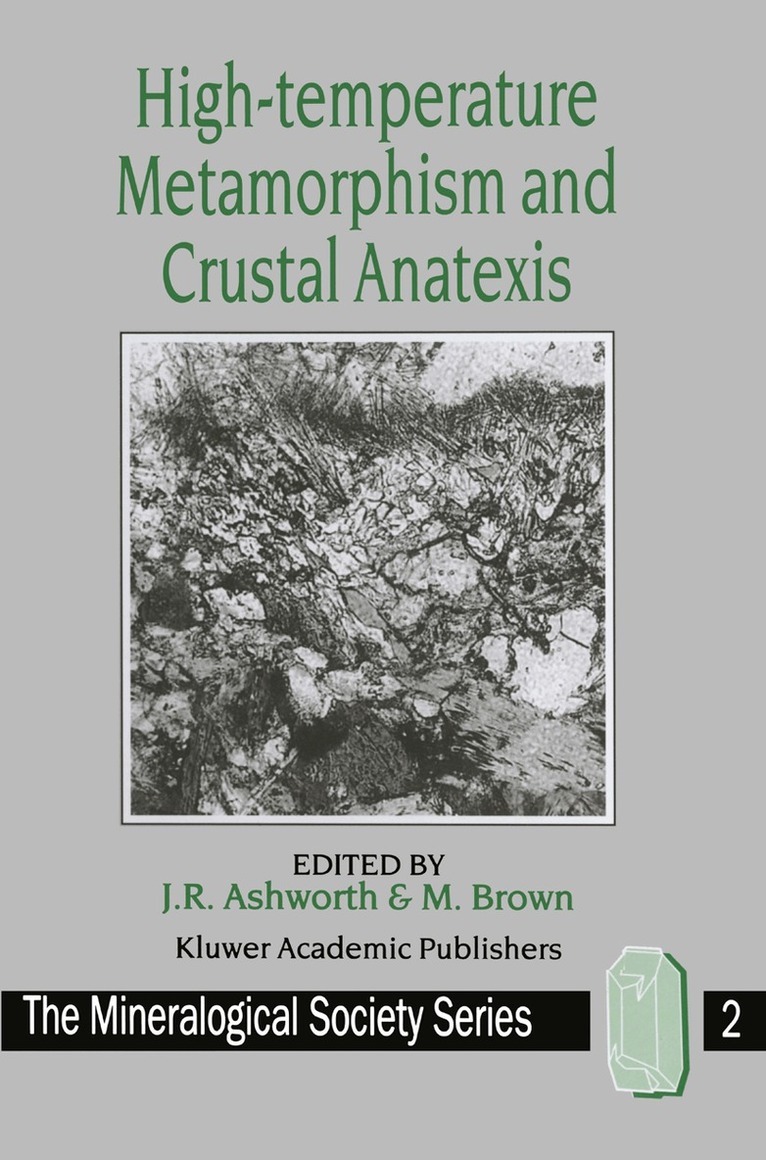
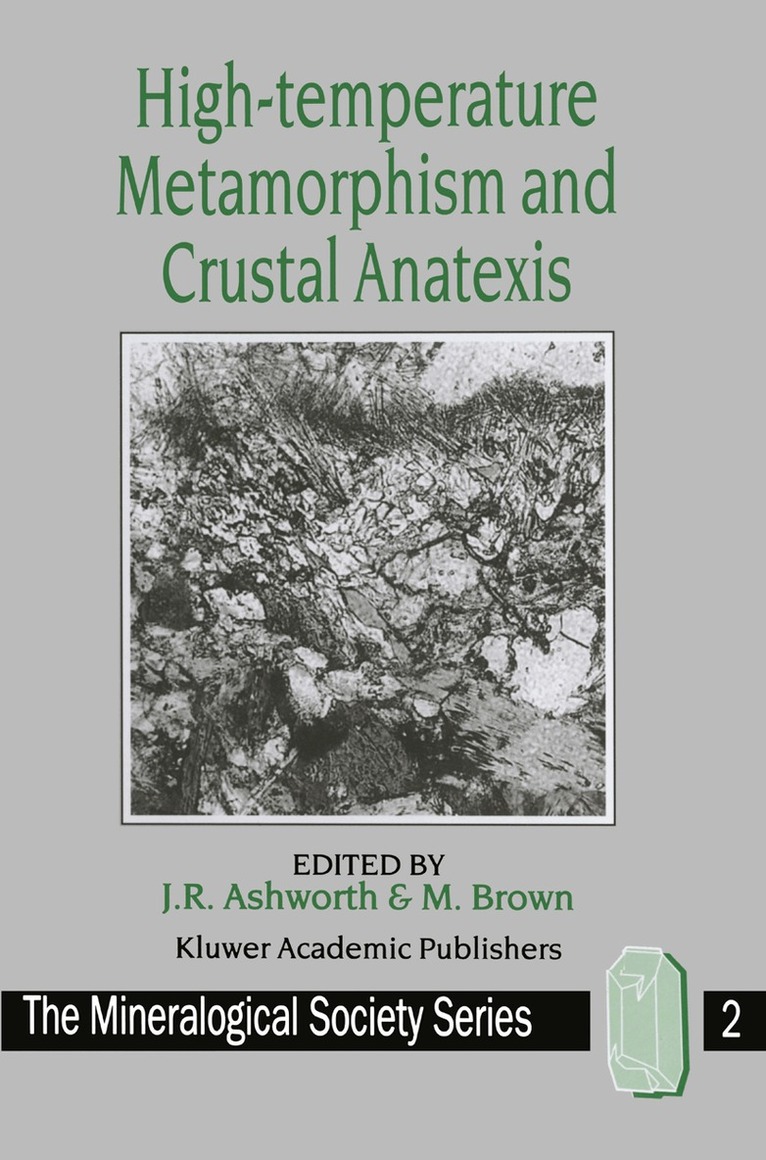
This second volume in the new series produced by the Mineralogical Society is concerned with the study of rocks from the deep continental crust. It is, we hope, timely to summarize recent petrological advances contributing to this field of active interest. Based mainly on review papers read at a conference, the chapters have subsequently been revised and expanded, while the editors have produced an introductory overview as Chapter 1. The conference was the Winter Meeting of the Mineralogical Society on 15 December 1988, at wh ich Prof. R. C. Newton delivered the 20th Hallimond Lecture of the Society (which forms the basis of Ch. 7). The editors are grateful to all who contrib uted to the smooth running of the meeting at Kingston Polytechnic, and in the ensuing preparation of the volume: in particular, we sincerely thank all of the following for their labours as referees: A. J. Baker, L. M. Barron, M. J. Bickle, A. D. Chambers, J. D. Clemens, J. S. Daly, G. T. R. Droop, C. R. L. Friend, E. S. Grew, S. L. Harley, R. S. Harmon, N. B. W. Harris, B. Harte, T. J. B. Holland, N. F. C. Hudson, W. S. MacKenzie, W. Perkins, H. R. Rollinson, J. W. Sheraton, D. J. Waters, R. H. Worden and B. W. D. Yardley. John R.
E-bok
PDF, Engelska, 2009687 kr
Läs direkt efter köp
The Cultural Work of Corporations argues that corporate culture - the values, customs, and conventions of a business organization - has altered how workers conduct themselves both inside and outside the workplace. Brown demonstrates that corporate culture, an idea celebrated by business magazines and books, human resources departments, executives, and management theorists, is really a means of extending and strengthening work''s presence in all aspects of workers'' lives, even aspects generally categorized as private. Innovative in its execution, this book draws together a range of literature and information, including popular advice books, organizational theory, fiction, corporate mission statements, business histories, and economic histories.
Inbunden, Engelska, 2012
565 kr
Skickas inom 10-15 vardagar
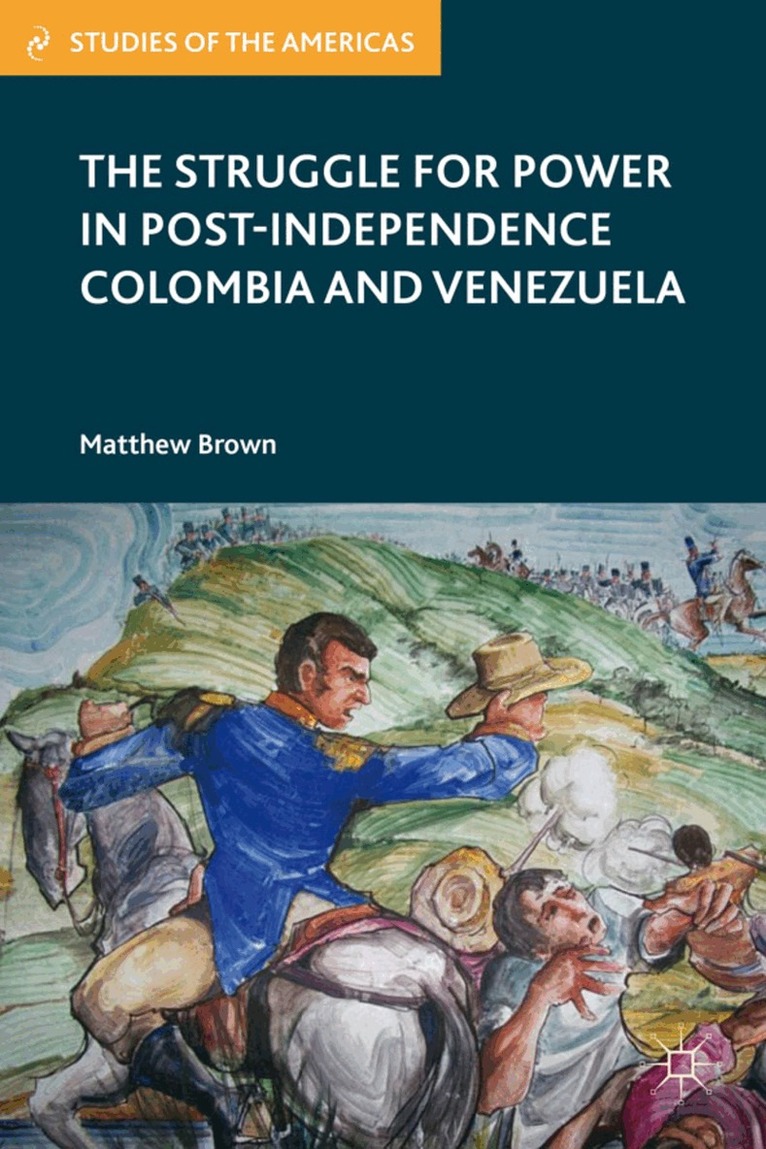
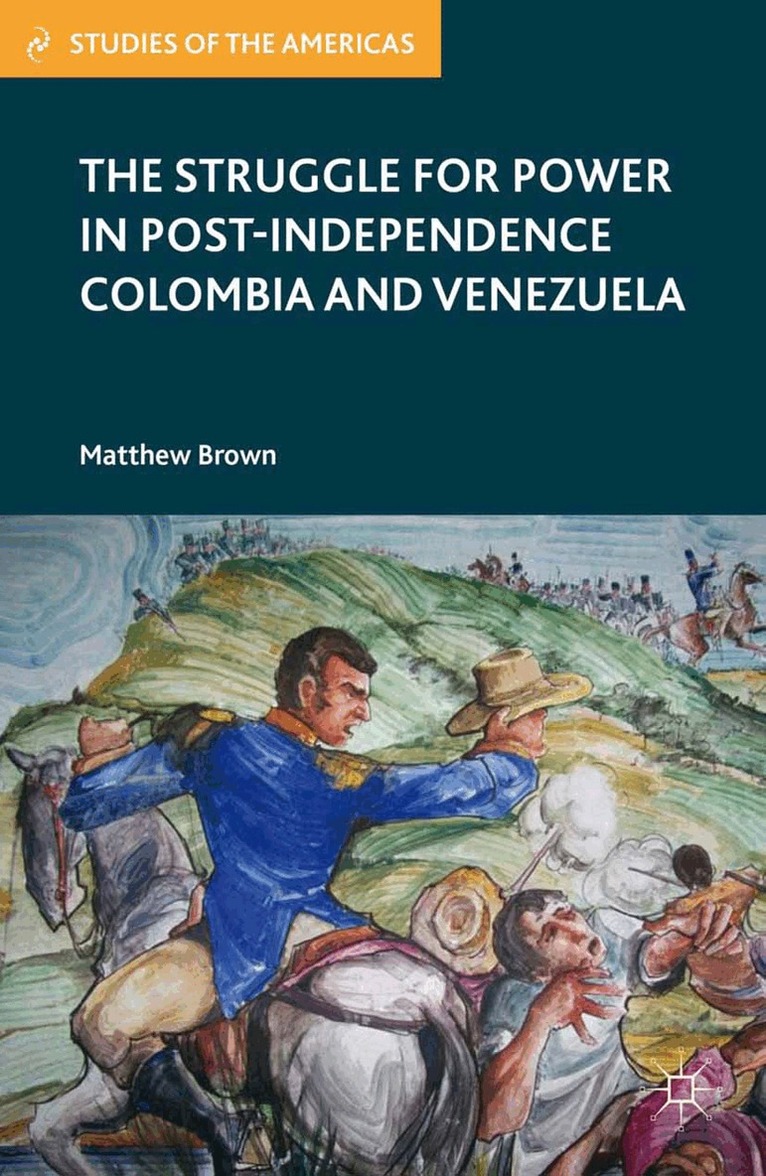
A collective biography of the veterans of the battle of El Santuario (1829), this book uses the untold stories of ordinary lives to examine the history of the imperial conflicts that shaped politics and society in Colombia and Venezuela after independence from colonial rule.
E-bok
PDF, Engelska, 2012764 kr
Läs direkt efter köp
A collective biography of the veterans of the battle of El Santuario (1829), this book uses the untold stories of ordinary lives to examine the history of the imperial conflicts that shaped politics and society in Colombia and Venezuela after independence from colonial rule.
Häftad, Engelska, 2012
621 kr
Skickas inom 10-15 vardagar
A collective biography of the veterans of the battle of El Santuario (1829), this book uses the untold stories of ordinary lives to examine the history of the imperial conflicts that shaped politics and society in Colombia and Venezuela after independence from colonial rule.
Häftad, Engelska, 2009
565 kr
Skickas inom 10-15 vardagar
The Cultural Work of Corporations argues that corporate culture - the values, customs, and conventions of a business organization - has altered how workers conduct themselves both inside and outside the workplace. Brown demonstrates that corporate culture, an idea celebrated by business magazines and books, human resources departments, executives, and management theorists, is really a means of extending and strengthening work's presence in all aspects of workers' lives, even aspects generally categorized as private. Innovative in its execution, this book draws together a range of literature and information, including popular advice books, organizational theory, fiction, corporate mission statements, business histories, and economic histories.
E-bok
Engelska, 20083 054 kr
Läs direkt efter köp
The key requirements for chilled food products are good quality and microbiological safety at the point of consumption. The first edition of Chilled foods quickly established itself as the standard work on these issues. This major new edition strengthens that reputation, with extensively revised and expanded coverage (including more than ten new chapters) and significant participation from those in the chilled food industry to increase the publication''s relevance to practitioners.The introduction discusses key trends and influences in the chilled foods market. Part one explores the critical importance of raw material selection and packaging materials in final product quality, with expanded coverage of particular ingredients such as fish, cheese and poultry and a new contribution on chilled food packaging materials and technologies. Part two focuses on technologies and processes in the supply chain, with entirely new chapters on refrigeration, storage and transport and non-microbial hazards such as allergens, among others. Alongside are updated chapters on the important topics of hygienic design, cleaning and disinfection and temperature monitoring and measurement. Part three covers microbiological hazards, with new chapters on predictive microbiology and conventional and rapid analytical microbiology. The final part contains three new chapters devoted to essential issues in safety and quality management, such as shelf-life, quality and consumer acceptability. A wholly updated chapter on legislation and criteria completes the volume.Extensively revised and expanded, the third edition of Chilled foods is an essential reference for professionals involved in the manufacture of chilled food products.- Reviews key trends and influences in the chilled food market- Explores the importance of raw material selection and packaging materials in final product quality- Discusses technologies and processes in the supply chain, focusing on refrigeration, storage and transport
Inbunden, Engelska, 2000
2 412 kr
Skickas inom 10-15 vardagar
The recent outbreaks of E.coli and BSE have ensured that the issue of meat safety has never had such a high profile. Meanwhile HACCP has become the preferred tool for the management of microbiological safety. Against a background of consumer and regulatory pressure, the effective implementation of HACCP systems is critical. Written by leading experts in the field, HACCP in the meat industry provides an authoritative guide to making HACCP systems work effectively.This book examines the HACCP in the meat industry across the supply chain, from rearing through to primary and secondary processing.
Inbunden, Engelska, 2002
2 351 kr
Skickas inom 10-15 vardagar
Microbiological risk assessment (MRA) is one of the most important recent developments in food safety management. Adopted by Codex Alimentarius and many other international bodies, it provides a structured way of identifying and assessing microbiological risks in food. Edited by two leading authorities, and with contributions by international experts in the field, Microbiological risk assessment provides a detailed coverage of the key steps in MRA and how it can be used to improve food safety.The book begins by placing MRA within the broader context of the evolution of international food safety standards.Part one introduces the key steps in MRA methodology. A series of chapters discusses each step, starting with hazard identification and characterisation before going on to consider exposure assessment and risk characterisation. Given its importance, risk communication is also covered. Part two then considers how MRA can be implemented in practice. There are chapters on implementing the results of a microbiological risk assessment and on the qualitative and quantitative tools available in carrying out a MRA. It also discusses the relationship of MRA to the use of microbiological criteria and another key tool in food safety management, Hazard Analysis and Critical Control Point (HACCP) systems.With its authoritative coverage of both principles and key issues in implementation, Microbiological risk assessment in food processing is a standard work on one of the most important aspects of food safety management.Provides a detailed coverage of the key steps in microbiological risk assessment (MRA) and how it can be used to improve food safetyPlaces MRA within the broader context of the evolution of international food safety standardsIntroduces the key steps in MRA methodology, considers exposure assessment and risk characterisation, and covers risk communication
E-bok
PDF, Engelska, 20002 596 kr
Läs direkt efter köp
The recent outbreaks of E.coli and BSE have ensured that the issue of meat safety has never had such a high profile. Meanwhile HACCP has become the preferred tool for the management of microbiological safety. Against a background of consumer and regulatory pressure, the effective implementation of HACCP systems is critical. Written by leading experts in the field, HACCP in the meat industry provides an authoritative guide to making HACCP systems work effectively.This book examines the HACCP in the meat industry across the supply chain, from rearing through to primary and secondary processing.
E-bok
PDF, Engelska, 20022 542 kr
Läs direkt efter köp
Microbiological risk assessment (MRA) is one of the most important recent developments in food safety management. Adopted by Codex Alimentarius and many other international bodies, it provides a structured way of identifying and assessing microbiological risks in food. Edited by two leading authorities, and with contributions by international experts in the field, Microbiological risk assessment provides a detailed coverage of the key steps in MRA and how it can be used to improve food safety.The book begins by placing MRA within the broader context of the evolution of international food safety standards.Part one introduces the key steps in MRA methodology. A series of chapters discusses each step, starting with hazard identification and characterisation before going on to consider exposure assessment and risk characterisation. Given its importance, risk communication is also covered. Part two then considers how MRA can be implemented in practice. There are chapters on implementing the results of a microbiological risk assessment and on the qualitative and quantitative tools available in carrying out a MRA. It also discusses the relationship of MRA to the use of microbiological criteria and another key tool in food safety management, Hazard Analysis and Critical Control Point (HACCP) systems.With its authoritative coverage of both principles and key issues in implementation, Microbiological risk assessment in food processing is a standard work on one of the most important aspects of food safety management.- Provides a detailed coverage of the key steps in microbiological risk assessment (MRA) and how it can be used to improve food safety- Places MRA within the broader context of the evolution of international food safety standards- Introduces the key steps in MRA methodology, considers exposure assessment and risk characterisation, and covers risk communication
Häftad, Engelska, 2012
549 kr
Skickas inom 10-15 vardagar
The past twenty years have seen dramatic changes in the processing, storage, distribution and packaging of meat and meat products, and consequently the important areas of its microbiology have also changed. These changes in product ranges have been largely prompted by the producers' desire for economies of scale in production and the con sumers' desire for a wide variety of meat products to be readily available. The purpose of this book is to present a collection of chapters written by specialists on particular aspects of meat microbiology. I hope the structure will present the reader with chapters which, read singly, present a clear account of one aspect, but taken together present a practical and coherent survey of meat microbiology. The chapters may be roughly divided into: (i) Commodity chapters - carcass meat, poultry meat, processed meat, cured meat and by-products. (ii) Quality assurance chapters - bacteria of public health significance, microbiological examination of meat, sampling and limits. The commodity chapters set out the characteristic microbiology of product groups in some detail and provide a practical guide to micro biological considerations in the production of particular types of pro duct. Whilst the content of these chapters is particularly useful to the is often difficult to working microbiologist, information of this nature gather, if it is considered to be commercially valuable, so that the authors have done specially useful tasks in assembling comprehensive data concerning their topics.
E-bok
PDF, Engelska, 20121 937 kr
Läs direkt efter köp
This second volume in the new series produced by the Mineralogical Society is concerned with the study of rocks from the deep continental crust. It is, we hope, timely to summarize recent petrological advances contributing to this field of active interest. Based mainly on review papers read at a conference, the chapters have subsequently been revised and expanded, while the editors have produced an introductory overview as Chapter 1. The conference was the Winter Meeting of the Mineralogical Society on 15 December 1988, at wh ich Prof. R. C. Newton delivered the 20th Hallimond Lecture of the Society (which forms the basis of Ch. 7). The editors are grateful to all who contrib uted to the smooth running of the meeting at Kingston Polytechnic, and in the ensuing preparation of the volume: in particular, we sincerely thank all of the following for their labours as referees: A. J. Baker, L. M. Barron, M. J. Bickle, A. D. Chambers, J. D. Clemens, J. S. Daly, G. T. R. Droop, C. R. L. Friend, E. S. Grew, S. L. Harley, R. S. Harmon, N. B. W. Harris, B. Harte, T. J. B. Holland, N. F. C. Hudson, W. S. MacKenzie, W. Perkins, H. R. Rollinson, J. W. Sheraton, D. J. Waters, R. H. Worden and B. W. D. Yardley. John R.
Häftad, Engelska, 2012
1 633 kr
Skickas inom 10-15 vardagar
This second volume in the new series produced by the Mineralogical Society is concerned with the study of rocks from the deep continental crust. It is, we hope, timely to summarize recent petrological advances contributing to this field of active interest. Based mainly on review papers read at a conference, the chapters have subsequently been revised and expanded, while the editors have produced an introductory overview as Chapter 1. The conference was the Winter Meeting of the Mineralogical Society on 15 December 1988, at wh ich Prof. R. C. Newton delivered the 20th Hallimond Lecture of the Society (which forms the basis of Ch. 7). The editors are grateful to all who contrib uted to the smooth running of the meeting at Kingston Polytechnic, and in the ensuing preparation of the volume: in particular, we sincerely thank all of the following for their labours as referees: A. J. Baker, L. M. Barron, M. J. Bickle, A. D. Chambers, J. D. Clemens, J. S. Daly, G. T. R. Droop, C. R. L. Friend, E. S. Grew, S. L. Harley, R. S. Harmon, N. B. W. Harris, B. Harte, T. J. B. Holland, N. F. C. Hudson, W. S. MacKenzie, W. Perkins, H. R. Rollinson, J. W. Sheraton, D. J. Waters, R. H. Worden and B. W. D. Yardley. John R.
Inbunden, Engelska
522 kr
Tillfälligt slut
Del 6 - World Scientific Series In Robotics And Intelligent Systems
Intelligent Control: Aspects Of Fuzzy Logic And Neural Nets
Inbunden, Engelska, 1993
1 407 kr
Tillfälligt slut
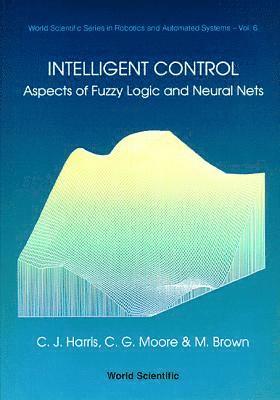
With increasing demands for high precision autonomous control over wide operating envelopes, conventional control engineering approaches are unable to adequately deal with system complexity, nonlinearities, spatial and temporal parameter variations, and with uncertainty. Intelligent Control or self-organising/learning control is a new emerging discipline that is designed to deal with problems. Rather than being model based, it is experiential based. Intelligent Control is the amalgam of the disciplines of Artificial Intelligence, Systems Theory and Operations Research. It uses most recent experiences or evidence to improve its performance through a variety of learning schemas, that for practical implementation must demonstrate rapid learning convergence, be temporally stable, be robust to parameter changes and internal and external disturbances. It is shown in this book that a wide class of fuzzy logic and neural net based learning algorithms satisfy these conditions. It is demonstrated that this class of intelligent controllers is based upon a fixed nonlinear mapping of the input (sensor) vector, followed by an output layer linear mapping with coefficients that are updated by various first order learning laws. Under these conditions self-organising fuzzy logic controllers and neural net controllers have common learning attributes.A theme example of the navigation and control of an autonomous guided vehicle is included throughout, together with a series of bench examples to demonstrate this new theory and its applicability.