M. Ishaq Bhatti – författare
1 887 kr
Skickas inom 10-15 vardagar
2 494 kr
Skickas inom 10-15 vardagar
2 494 kr
Skickas inom 10-15 vardagar
687 kr
Skickas inom 10-15 vardagar
3 658 kr
Skickas inom 10-15 vardagar
542 kr
Skickas inom 10-15 vardagar
641 kr
Läs direkt efter köp
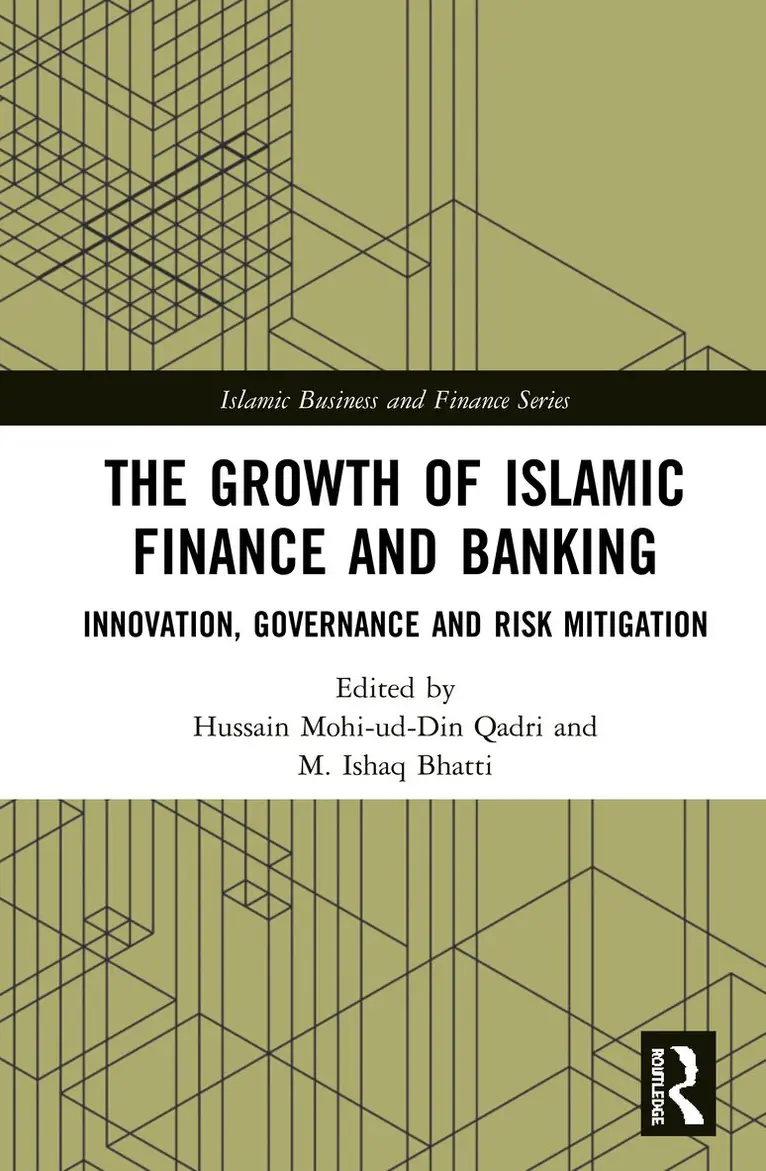
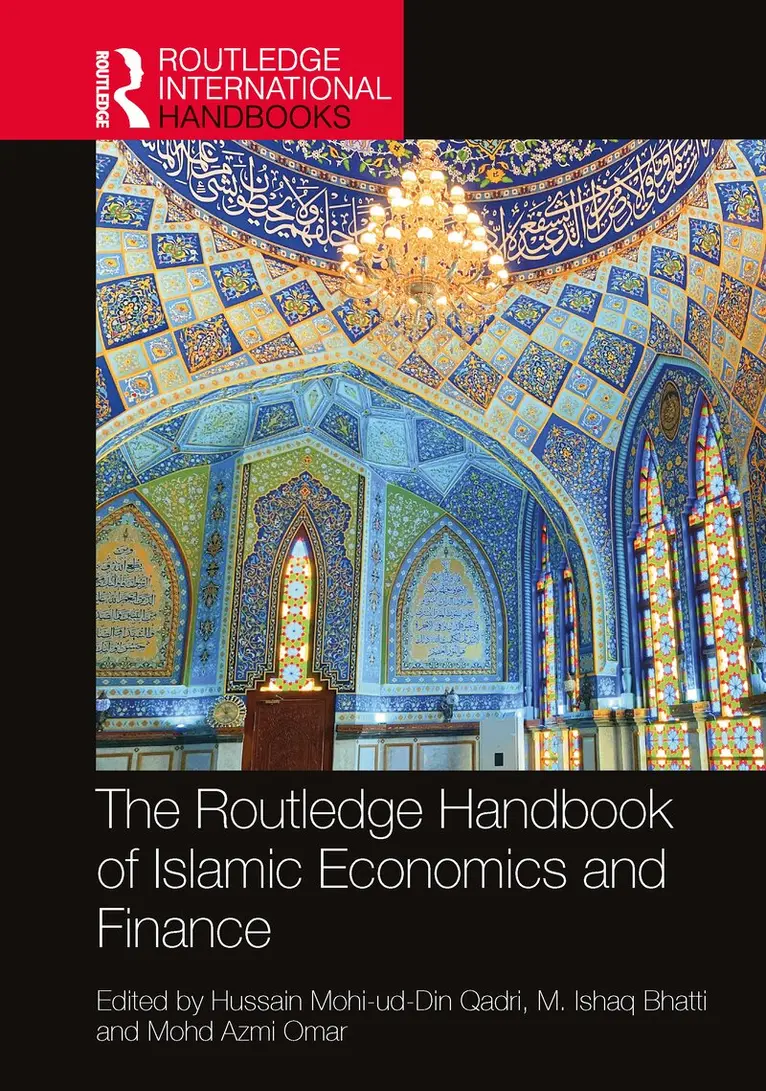
This book covers the recent literature concerning Islamic banking and finance (IBF), focuses on the history of IBF since its inception and introduces the latest innovative concepts and practices in the field.
The authors cover important topics such as the role of ownership, Shari`ah compliance and governance structures in raising debt capital using IBF practices, including Fatwa issues and the use of benchmarking practices. The book also addresses topics like archival data, the influence of leverage on ownership structure, and sukuk structures, as well as misconceptions, threats, challenges and opportunities in IBF. Finally, the book deals with prominent issues such as business score-carding, Takāful (Islamic Insurance), IBF implications for block-chain-based fintech and finance hub concepts in Islamic microfinance models.
This edited volume is an important contribution to the IBF literature as it provides a much-needed in-depth look into industry practices through the perspective of corporate finance and governance. With its interdisciplinary approach covering legal and financial issues along with a wide variety of notable contributors, this book will be a valuable reference guide to both teachers and students of Islamic banking and economics.
641 kr
Läs direkt efter köp
This book covers the recent literature concerning Islamic banking and finance (IBF), focuses on the history of IBF since its inception and introduces the latest innovative concepts and practices in the field.
The authors cover important topics such as the role of ownership, Shari`ah compliance and governance structures in raising debt capital using IBF practices, including Fatwa issues and the use of benchmarking practices. The book also addresses topics like archival data, the influence of leverage on ownership structure, and sukuk structures, as well as misconceptions, threats, challenges and opportunities in IBF. Finally, the book deals with prominent issues such as business score-carding, Takāful (Islamic Insurance), IBF implications for block-chain-based fintech and finance hub concepts in Islamic microfinance models.
This edited volume is an important contribution to the IBF literature as it provides a much-needed in-depth look into industry practices through the perspective of corporate finance and governance. With its interdisciplinary approach covering legal and financial issues along with a wide variety of notable contributors, this book will be a valuable reference guide to both teachers and students of Islamic banking and economics.
831 kr
Läs direkt efter köp
831 kr
Läs direkt efter köp
614 kr
Skickas inom 10-15 vardagar
790 kr
Läs direkt efter köp
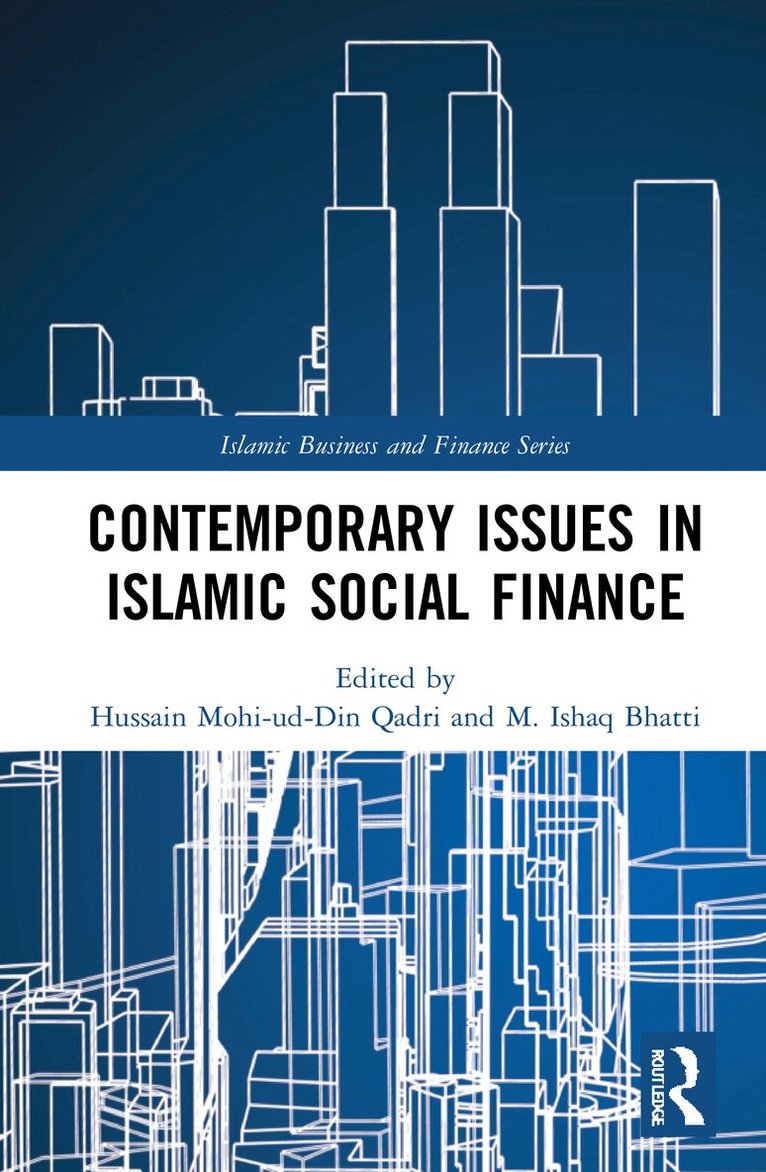
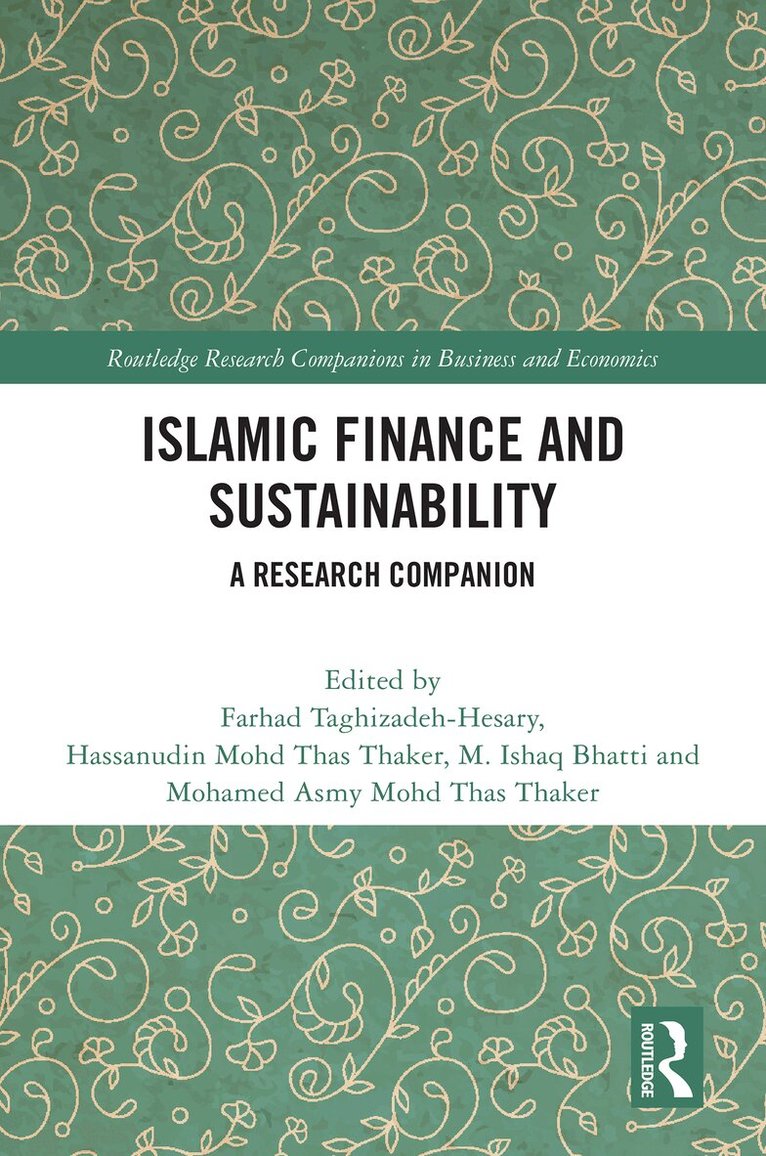
The development of Islamic banking and finance (IBF) previously centred around three regions of the world: the Middle East, Southeast Asia, and South Asia. However, in recent years, this has expanded, as interest in IBF has gained momentum in Australia, the USA, and Europe, especially in the UK. Several Western market players have established their own Islamic window or subsidiaries to cater to the need of growing Muslim populations in these regions.
This book examines the recent developments in IBF, particularly in the context of Islamic social finance instruments, such as Islamic microfinance, halal education, takaful, mutual funds, and waqf. It covers the religiosity, spirituality, and tawhid index, which promotes social well-being and empowerment. The book is interdisciplinary, and theories, practice, and key issues are presented simultaneously, introducing new ideas and techniques to the IBF community. Moreover, the book examines topics such as innovation in Islamic social finance instruments, advanced techniques of risk mitigation in Islamic capital markets, marketing and the halal industry, and shari’ah-compliant instruments, which are critical to Islamic finance.
The book is an essential reference text for academics and research students at the master’s and doctorate levels in IBF.
790 kr
Läs direkt efter köp
The development of Islamic banking and finance (IBF) previously centred around three regions of the world: the Middle East, Southeast Asia, and South Asia. However, in recent years, this has expanded, as interest in IBF has gained momentum in Australia, the USA, and Europe, especially in the UK. Several Western market players have established their own Islamic window or subsidiaries to cater to the need of growing Muslim populations in these regions.
This book examines the recent developments in IBF, particularly in the context of Islamic social finance instruments, such as Islamic microfinance, halal education, takaful, mutual funds, and waqf. It covers the religiosity, spirituality, and tawhid index, which promotes social well-being and empowerment. The book is interdisciplinary, and theories, practice, and key issues are presented simultaneously, introducing new ideas and techniques to the IBF community. Moreover, the book examines topics such as innovation in Islamic social finance instruments, advanced techniques of risk mitigation in Islamic capital markets, marketing and the halal industry, and shari’ah-compliant instruments, which are critical to Islamic finance.
The book is an essential reference text for academics and research students at the master’s and doctorate levels in IBF.
381 kr
Läs direkt efter köp
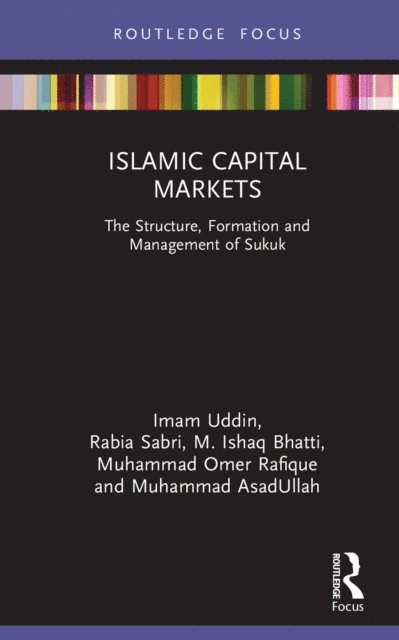
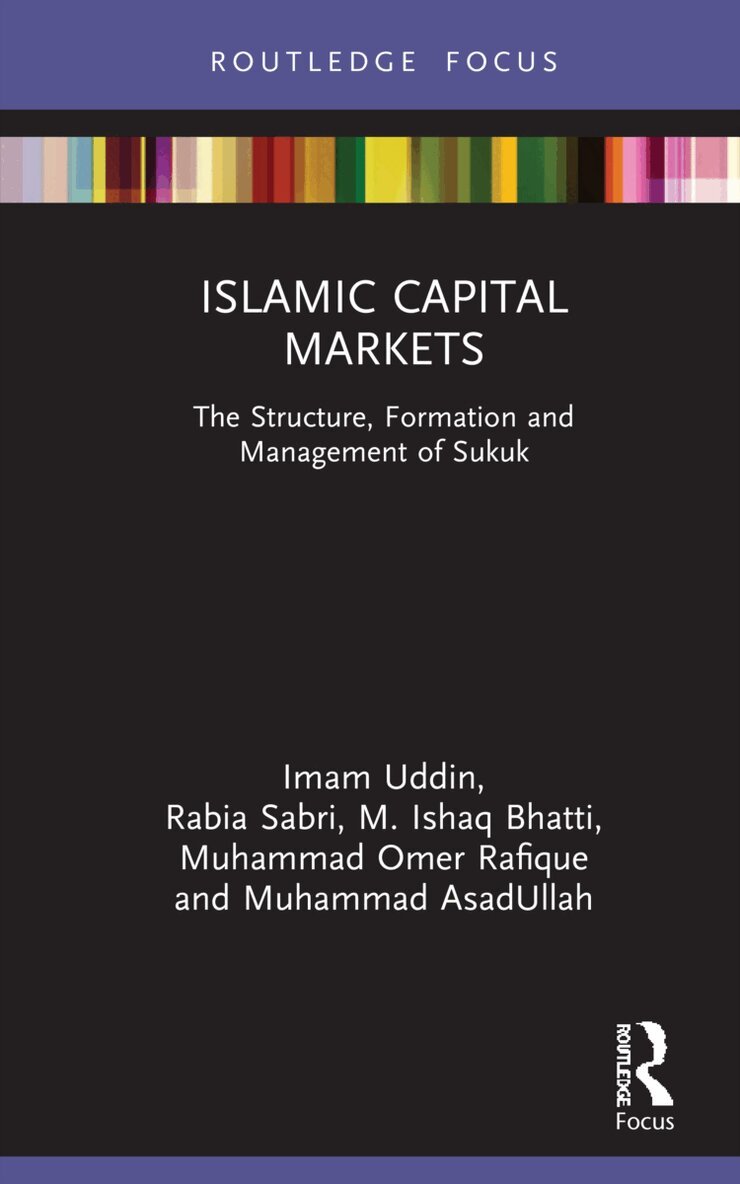
This book offers a unique, in-depth, and up-to-date overview of Islamic banking and finance, capital markets, and sukuks at the grassroots level. It deals with one of the most potent and increasingly popular financial instruments. It defines and explores the differences between conventional and Sukuk bonds and also examines the integration of Sukuk in various country contexts and both Muslim and non-Muslim economies.
The book consists of five core topics. First, it describes the evolution of the Islamic finance industry and capital markets; second, it discusses the basic features and instruments of Islamic banking; and third, it illustrates the current state of capital markets and Islamic finance. The book then examines the development of Sukuk in Islamic capital markets and Shariah perspectives and, finally, briefly discusses the structure of Sukuks and its development in the context of Pakistan.
In a nutshell, this book provides a basic understanding of Islamic financial instruments, their implementation in different regions, and their points of differentiation from conventional modes of finance; therefore, it will be a useful addition to the literature for scholars, researchers, and students of Islamic banking and finance.
381 kr
Läs direkt efter köp
This book offers a unique, in-depth, and up-to-date overview of Islamic banking and finance, capital markets, and sukuks at the grassroots level. It deals with one of the most potent and increasingly popular financial instruments. It defines and explores the differences between conventional and Sukuk bonds and also examines the integration of Sukuk in various country contexts and both Muslim and non-Muslim economies.
The book consists of five core topics. First, it describes the evolution of the Islamic finance industry and capital markets; second, it discusses the basic features and instruments of Islamic banking; and third, it illustrates the current state of capital markets and Islamic finance. The book then examines the development of Sukuk in Islamic capital markets and Shariah perspectives and, finally, briefly discusses the structure of Sukuks and its development in the context of Pakistan.
In a nutshell, this book provides a basic understanding of Islamic financial instruments, their implementation in different regions, and their points of differentiation from conventional modes of finance; therefore, it will be a useful addition to the literature for scholars, researchers, and students of Islamic banking and finance.
807 kr
Läs direkt efter köp
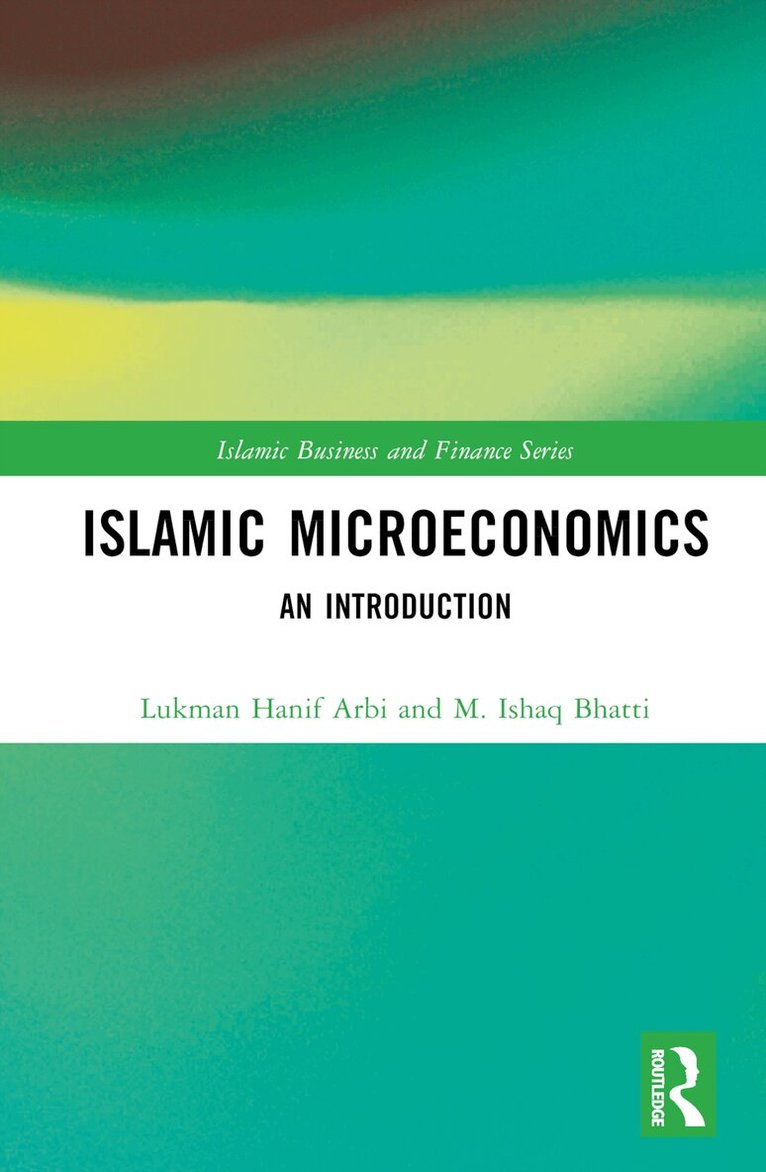
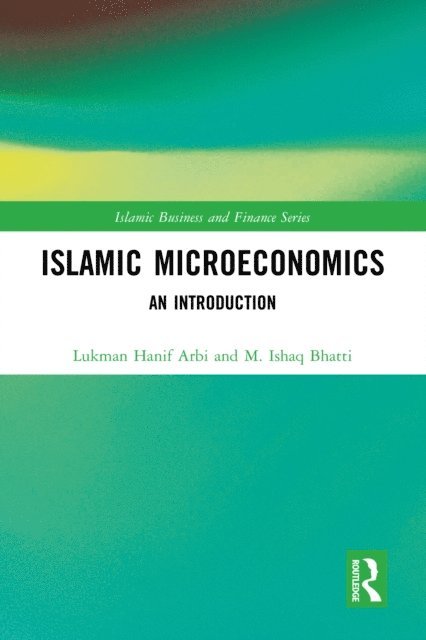
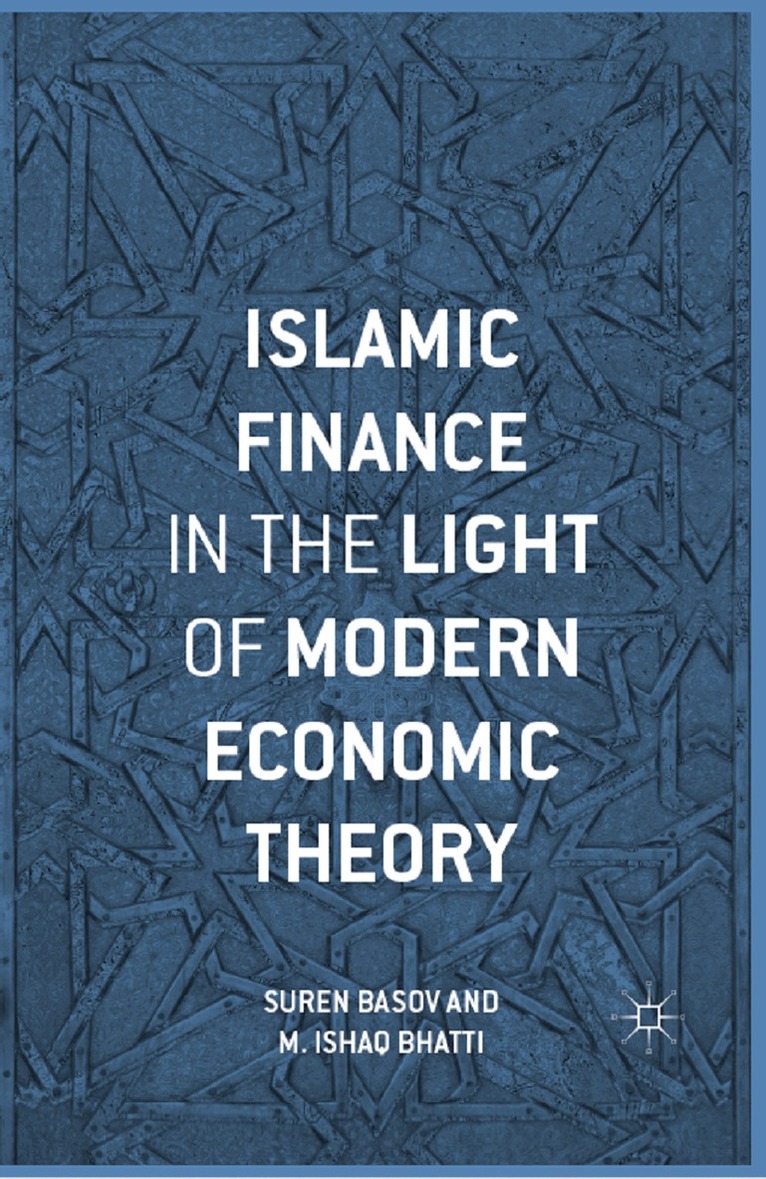
This book bridges the gap between Islamic and conventional (micro)economics by demonstrating how modern tools and theories of microeconomics can be applied to Islamic assumptions regarding economics and finance. In contrast to the tendency for Islamic economics and finance proponents to use qualitative and normative approaches based on idealistic assumptions, this book demonstrates how one can instead construct analytical models of Islamic economics and finance and simply compare the implications with those predominant in today’s world. This book also offers extensive literature reviews demonstrating that for a long time, the gap between Islamic and conventional economics and finance is not as wide as previously thought, allowing those with an interest in both fields to participate more effectively and meaningfully in the ongoing discourse between the two fields.
The authors conceptualize a general approach and apply it to basic consumer theory. More advanced microeconomic ideas are then discussed, culminating in demonstrations of how contract theory can facilitate a deeper analysis and appreciation of Islamic financial securities. A wide spectrum of academic literature on both Islamic and conventional economics and finance is drawn upon to facilitate a better appreciation for both fields and to inspire future works comparing the two in a more objective manner.
807 kr
Läs direkt efter köp
This book bridges the gap between Islamic and conventional (micro)economics by demonstrating how modern tools and theories of microeconomics can be applied to Islamic assumptions regarding economics and finance. In contrast to the tendency for Islamic economics and finance proponents to use qualitative and normative approaches based on idealistic assumptions, this book demonstrates how one can instead construct analytical models of Islamic economics and finance and simply compare the implications with those predominant in today’s world. This book also offers extensive literature reviews demonstrating that for a long time, the gap between Islamic and conventional economics and finance is not as wide as previously thought, allowing those with an interest in both fields to participate more effectively and meaningfully in the ongoing discourse between the two fields.
The authors conceptualize a general approach and apply it to basic consumer theory. More advanced microeconomic ideas are then discussed, culminating in demonstrations of how contract theory can facilitate a deeper analysis and appreciation of Islamic financial securities. A wide spectrum of academic literature on both Islamic and conventional economics and finance is drawn upon to facilitate a better appreciation for both fields and to inspire future works comparing the two in a more objective manner.
962 kr
Skickas inom 10-15 vardagar
325 kr
Skickas inom 10-15 vardagar
2 494 kr
Skickas inom 10-15 vardagar
833 kr
Skickas inom 5-8 vardagar
681 kr
Skickas inom 10-15 vardagar
2 422 kr
Skickas inom 10-15 vardagar
719 kr
Kommande
3 307 kr
Skickas inom 10-15 vardagar
778 kr
Kommande
797 kr
Läs direkt efter köp
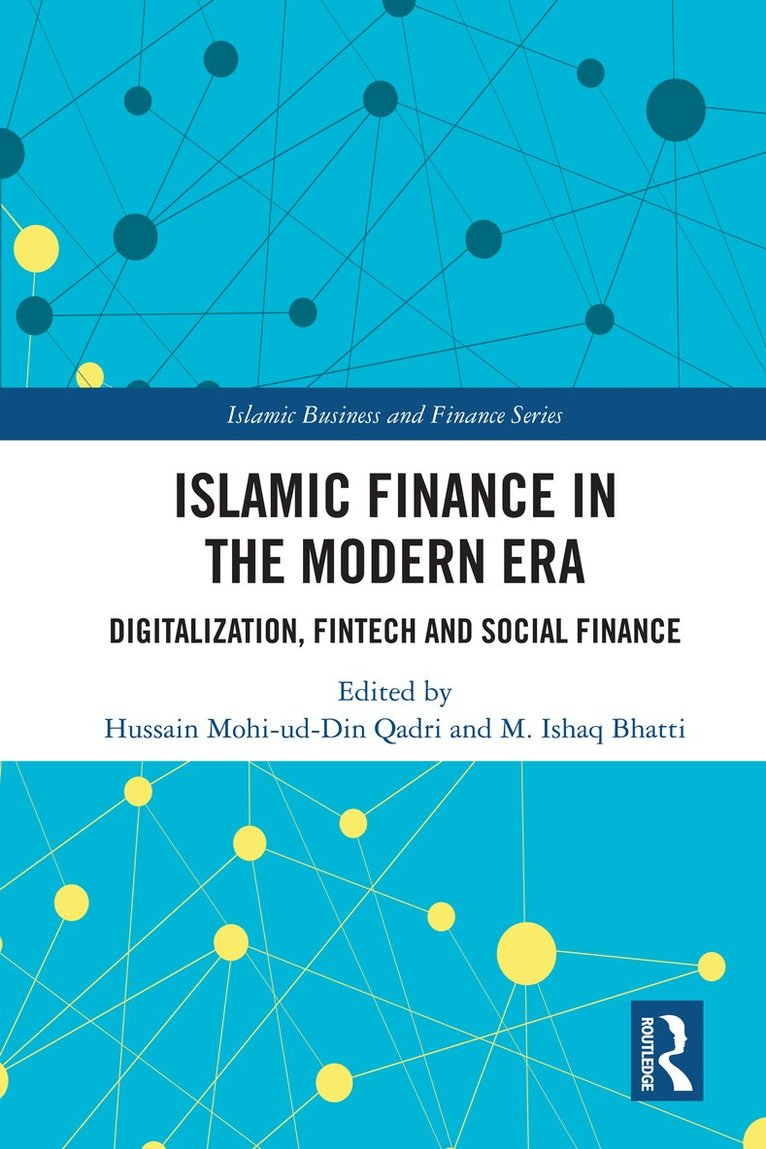
This book focuses on recent developments in financial technology: specifically, how FinTech affects the Islamic finance industry. It examines the challenges of Shariah compliance and explores opportunities for riba-free finance.
The book describes contemporary FinTech solutions, investigating their relation to Islamic financial institutions. It outlines the current status of Islamic FinTech, arguing that it can provide Shariah-compliant innovative financial services to bridge the gap and compete with or complement conventional finance. Islamic FinTech can play a transformational role in making Islamic finance more accessible to a wide range of audiences and can also support the SME sector, which has been significantly impacted by the fallout of the COVID-19 pandemic.
First, the book addresses thematic issues in Islamic finance, including its role in poverty eradication, elevating SMEs, and the Islamic digital economy. Second, it examines Shariah-compliant instruments in Islamic finance. The final part encompasses the risk profile of Islamic finance products and explores mitigation strategies. The book simultaneously presents theories, practice, and key issues, introducing new ideas and perspectives to the Islamic banking and financial community.
The primary audience for the book will be researchers and scholars of Islamic economics and finance, and it will also appeal to practitioners and regulatory bodies.
797 kr
Läs direkt efter köp
This book focuses on recent developments in financial technology: specifically, how FinTech affects the Islamic finance industry. It examines the challenges of Shariah compliance and explores opportunities for riba-free finance.
The book describes contemporary FinTech solutions, investigating their relation to Islamic financial institutions. It outlines the current status of Islamic FinTech, arguing that it can provide Shariah-compliant innovative financial services to bridge the gap and compete with or complement conventional finance. Islamic FinTech can play a transformational role in making Islamic finance more accessible to a wide range of audiences and can also support the SME sector, which has been significantly impacted by the fallout of the COVID-19 pandemic.
First, the book addresses thematic issues in Islamic finance, including its role in poverty eradication, elevating SMEs, and the Islamic digital economy. Second, it examines Shariah-compliant instruments in Islamic finance. The final part encompasses the risk profile of Islamic finance products and explores mitigation strategies. The book simultaneously presents theories, practice, and key issues, introducing new ideas and perspectives to the Islamic banking and financial community.
The primary audience for the book will be researchers and scholars of Islamic economics and finance, and it will also appeal to practitioners and regulatory bodies.
807 kr
Läs direkt efter köp
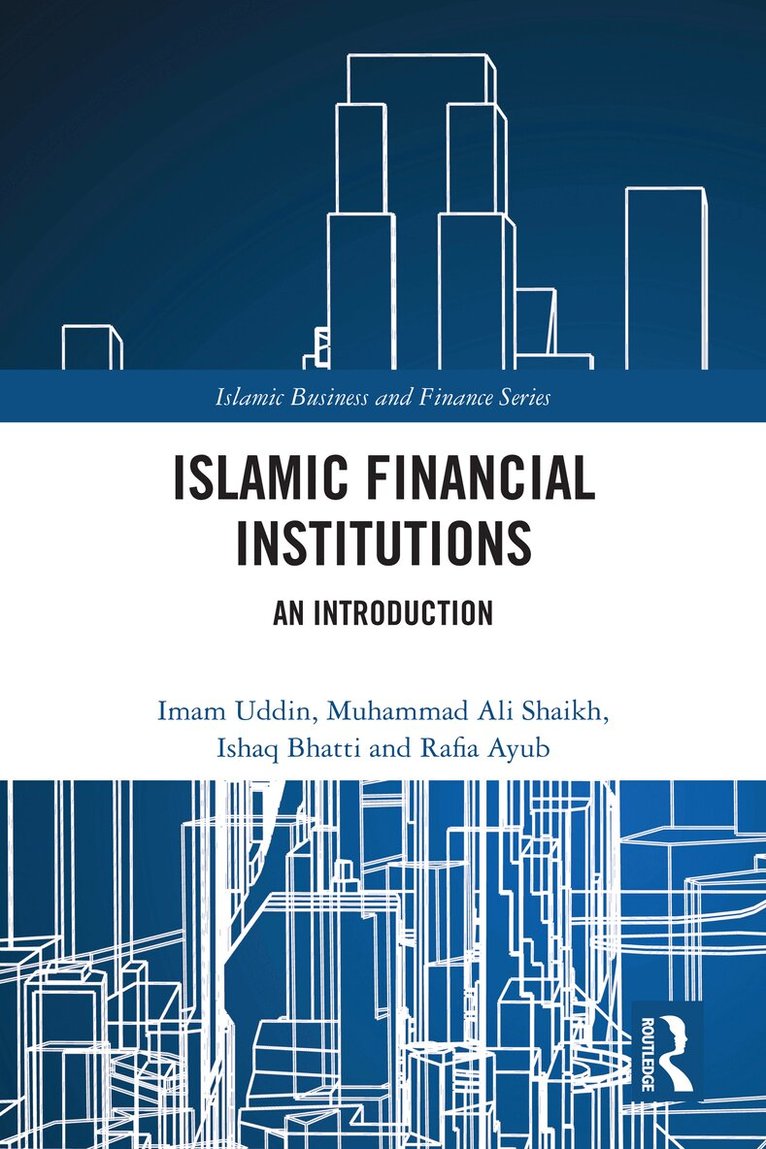
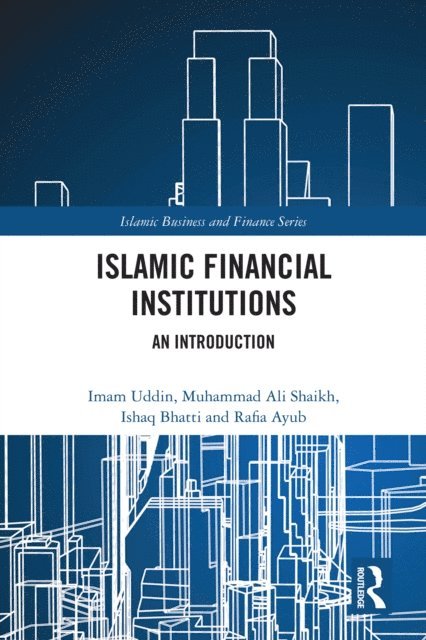
This book provides a comprehensive overview of Islamic Financial Institutions, exploring current issues, including governance, Shariah compliance frameworks and regulatory aspects, as well as the principles involved in product structuring.
It offers a basic understanding of Islamic financial instruments and their implementation in different regions. The book begins by introducing the Islamic financial system, its objectives, the financial intermediation process, the philosophy and methods of mobilization and utilization of funds followed by an overall comparison with the conventional financial system. It offers a definition and explanation of types of riba, sources of prohibition, the difference between riba and profit, types of transactions which involve interest and the adverse effects of interest on the economy. It covers a detailed study of Islamic financial contracts and discusses trade-based financing products, illustrating the structural and legal differences between conventional and trade-based financing products. Further, the book outlines the criteria for the determination of Shariah compliant status of equity securities, and the role and functions of capital markets in an Islamic framework. Finally, it goes on to present an overall model of an Islamic bank in comparison with a conventional bank, examining its methodology and procedures for ensuring shariah compliance, governance and regulation, keeping in view the operating strategies, risk management issues, liquidity requirements and so on.
The book will be used by researchers, students and scholars of Islamic Banking and Finance and will also serve as a practical guide for bankers and finance professionals who wish to enhance their knowledge in the field, as well as those embarking on professional training or certification programs.
807 kr
Läs direkt efter köp
This book provides a comprehensive overview of Islamic Financial Institutions, exploring current issues, including governance, Shariah compliance frameworks and regulatory aspects, as well as the principles involved in product structuring.
It offers a basic understanding of Islamic financial instruments and their implementation in different regions. The book begins by introducing the Islamic financial system, its objectives, the financial intermediation process, the philosophy and methods of mobilization and utilization of funds followed by an overall comparison with the conventional financial system. It offers a definition and explanation of types of riba, sources of prohibition, the difference between riba and profit, types of transactions which involve interest and the adverse effects of interest on the economy. It covers a detailed study of Islamic financial contracts and discusses trade-based financing products, illustrating the structural and legal differences between conventional and trade-based financing products. Further, the book outlines the criteria for the determination of Shariah compliant status of equity securities, and the role and functions of capital markets in an Islamic framework. Finally, it goes on to present an overall model of an Islamic bank in comparison with a conventional bank, examining its methodology and procedures for ensuring shariah compliance, governance and regulation, keeping in view the operating strategies, risk management issues, liquidity requirements and so on.
The book will be used by researchers, students and scholars of Islamic Banking and Finance and will also serve as a practical guide for bankers and finance professionals who wish to enhance their knowledge in the field, as well as those embarking on professional training or certification programs.