M. Nazif Shahrani – författare
Visar alla böcker från författaren M. Nazif Shahrani. Handla med fri frakt och snabb leverans.
6 produkter
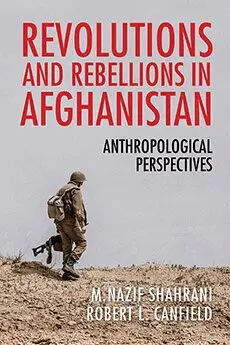
Revolutions and Rebellions in Afghanistan
Anthropological Perspectives
Av M. Nazif Shahrani, Robert L. Canfield m. fl.
Häftad, 2022
396 kr
Lägg i varukorg
When originally published in 1984, Revolutions and Rebellions in Afghanistan provided the first focused consideration of the 1978 Saur Revolution and the subsequent Soviet invasion and occupation of the country. Nearly four decades later, its conclusions remain crucial to understanding Afghanistan …
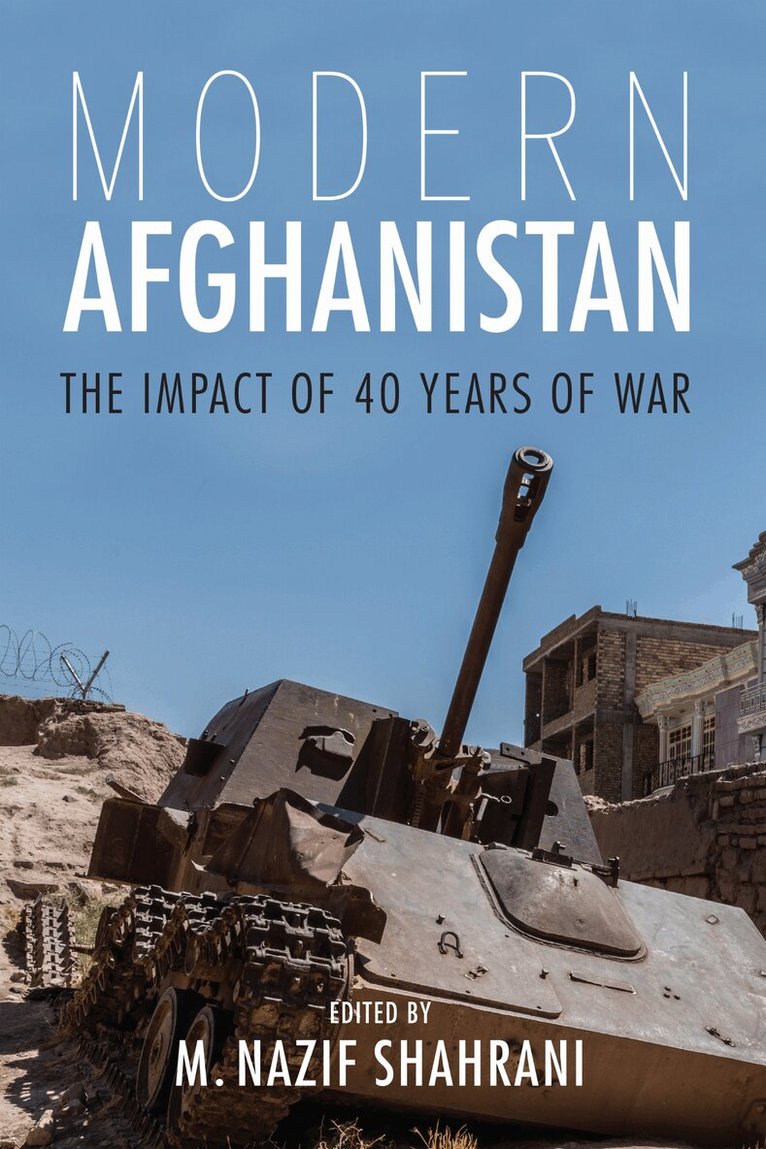
Modern Afghanistan
The Impact of 40 Years of War
Inbunden, 2018
930 kr
Lägg i varukorg
What impact does 40 years of war, violence, and military intervention have on a country and its people? As the "global war on terror" now stretches into the 21st century with no clear end in sight, Identity and Politics in Modern Afghanistan collects the work of interdisciplinary scholars, aid …
Modern Afghanistan
The Impact of 40 Years of War
Häftad, 2018
512 kr
Lägg i varukorg
What impact does 40 years of war, violence, and military intervention have on a country and its people? As the "global war on terror" now stretches into the 21st century with no clear end in sight, Identity and Politics in Modern Afghanistan collects the work of interdisciplinary scholars, aid …
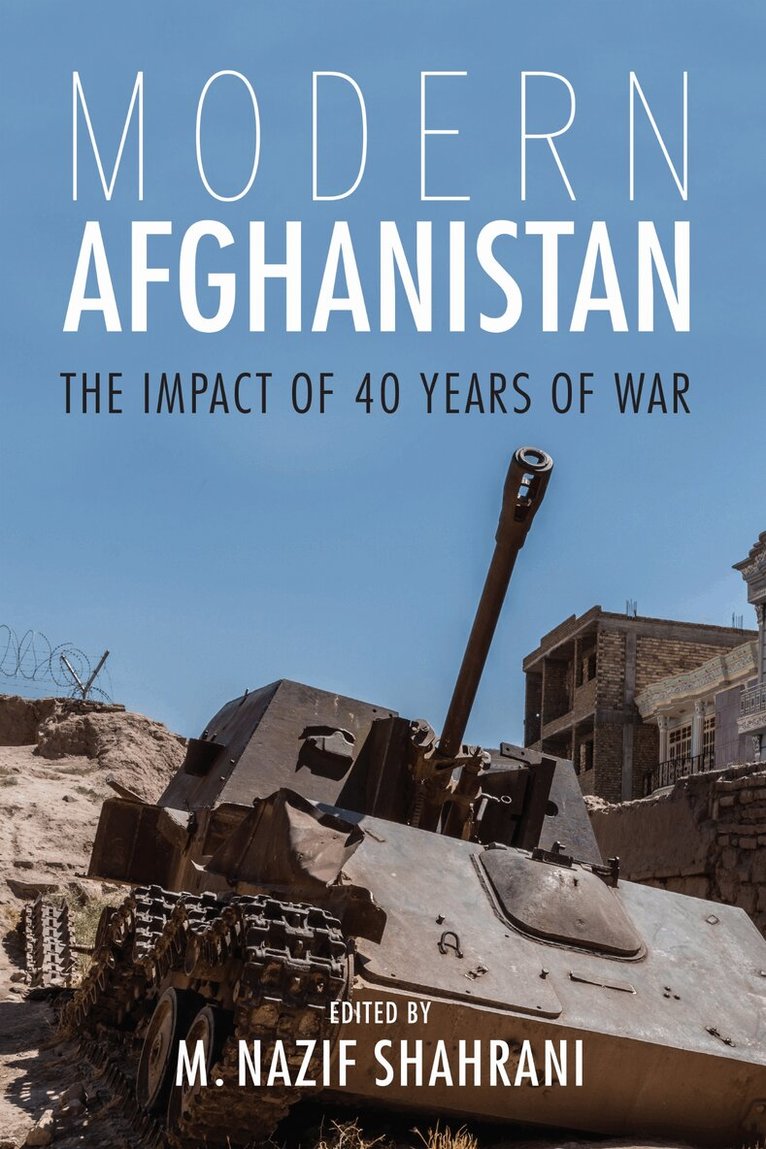
Modern Afghanistan
The Impact of 40 Years of War
E-bok, 2018
104 kr
Lägg i varukorg
What impact does 40 years of war, violence, and military intervention have on a country and its people? As the "global war on terror" now stretches into the 21st century with no clear end in sight, Identity and Politics in Modern Afghanistan collects the work of interdisciplinary scholars, aid …
Modern Afghanistan
The Impact of 40 Years of War
E-bok, 2018
104 kr
Lägg i varukorg
What impact does 40 years of war, violence, and military intervention have on a country and its people? As the "global war on terror" now stretches into the 21st century with no clear end in sight, Identity and Politics in Modern Afghanistan collects the work of interdisciplinary scholars, aid …
Kirghiz and Wakhi of Afghanistan
Adaptation to Closed Frontiers and War
Häftad, 2002
458 kr
Lägg i varukorg
An extended new Preface and a new Epilogue written after the fall of the Taliban in 2001, place The Kirghiz and Wakhi of Afghanistan, originally published in 1979, in the context of a vastly changed world. The original book describes the cultural and ecological adaptation of the nomadic Kirghiz and …