M. Norton Wise – författare
Visar alla böcker från författaren M. Norton Wise. Handla med fri frakt och snabb leverans.
7 produkter
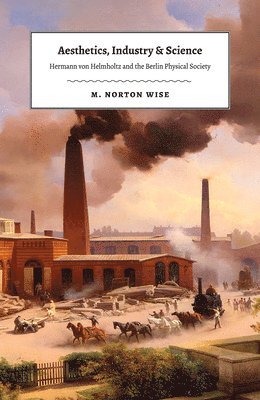
Aesthetics, Industry, and Science
Hermann Von Helmholtz and the Berlin Physical Society
Inbunden, 2018
432 kr
Lägg i varukorg
On January 5, 1845, the Prussian Cultural Minister received a request by a group of six young men to form a new Physical Society in Berlin. In fields from thermodynamics, mechanics, and electromagnetism to animal electricity, ophthalmology, and psychophysics, members of this small but growing …
Values of Precision
Häftad, 1997
848 kr
Lägg i varukorg
The Values of Precision examines how exactitude has come to occupy such a prominent place in Western culture. What has been the value of numerical values? Beginning with the late eighteenth century and continuing into the twentieth, the essays in this volume support the view that centralizing …
Values of Precision
E-bok, 2020
1170 kr
Lägg i varukorg
The Values of Precision examines how exactitude has come to occupy such a prominent place in Western culture. What has been the value of numerical values? Beginning with the late eighteenth century and continuing into the twentieth, the essays in this volume support the view that centralizing …
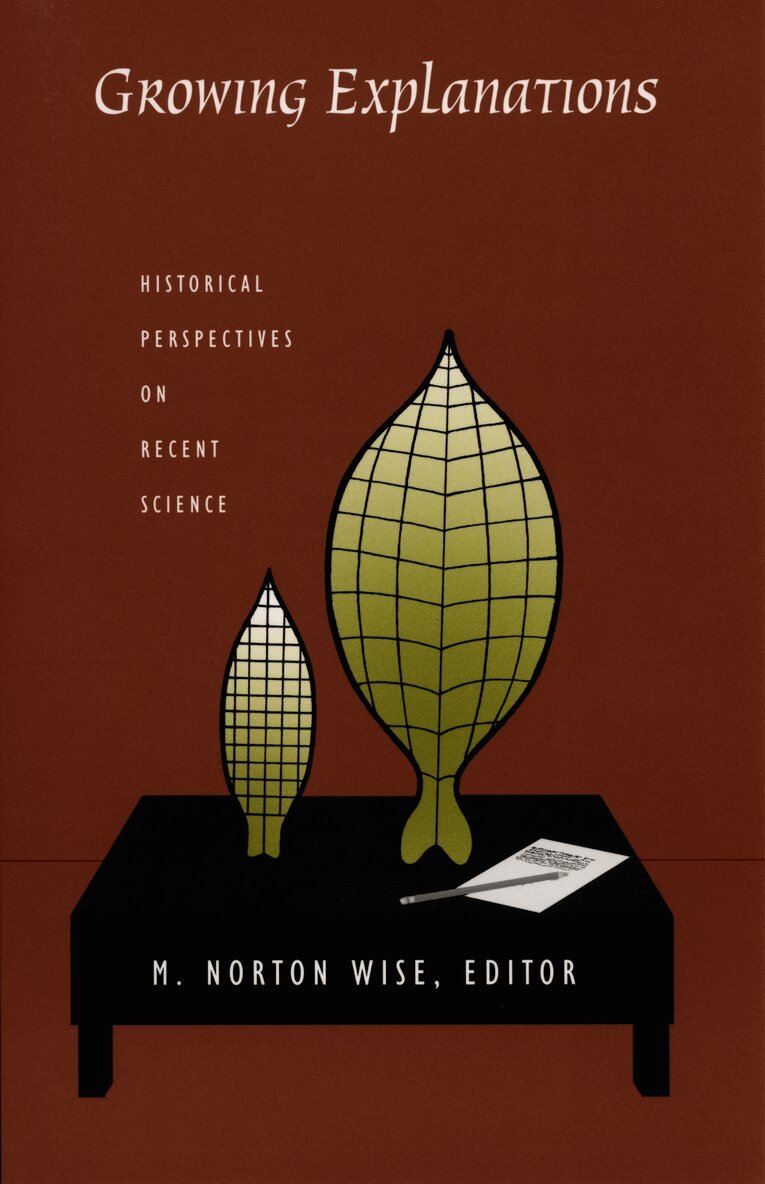
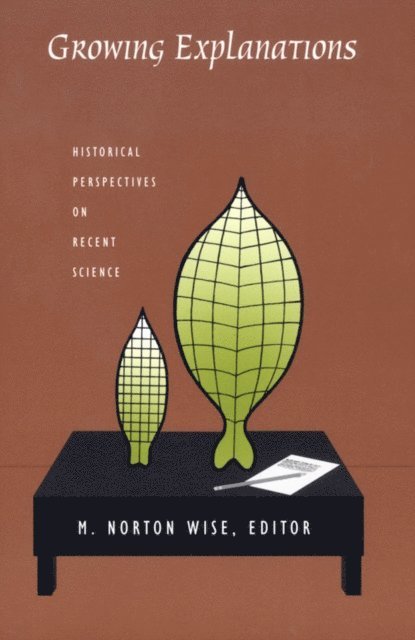
Growing Explanations
Historical Perspectives on Recent Science
Häftad, 2004
441 kr
Lägg i varukorg
For much of the twentieth century scientists sought to explain objects and processes by reducing them to their components-nuclei into protons and neutrons, proteins into amino acids, and so on-but over the past forty years there has been a marked turn toward explaining phenomena by building them up …
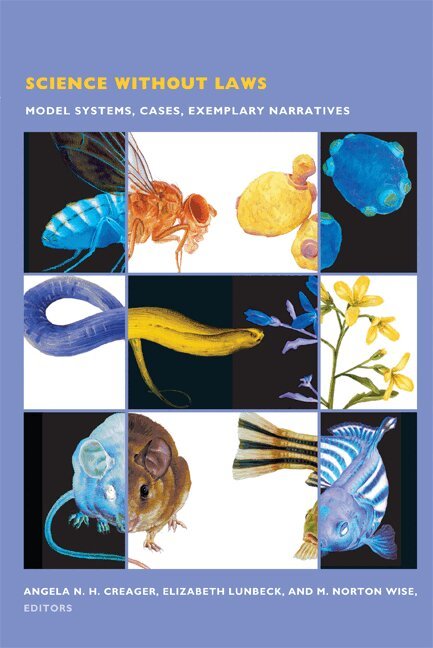
Science Without Laws
Model Systems, Cases, Exemplary Narratives
Av Angela N. H. Creager, Elizabeth Lunbeck m. fl.
Häftad, 2007
385 kr
Lägg i varukorg
Physicists regularly invoke universal laws, such as those of motion and electromagnetism, to explain events. Biological and medical scientists have no such laws. How then do they acquire a reliable body of knowledge about biological organisms and human disease? One way is by repeatedly returning …
Growing Explanations
Historical Perspectives on Recent Science
E-bok, 2004
651 kr
Lägg i varukorg
For much of the twentieth century scientists sought to explain objects and processes by reducing them to their components—nuclei into protons and neutrons, proteins into amino acids, and so on—but over the past forty years there has been a marked turn toward explaining phenomena by building them up …
Science without Laws
Model Systems, Cases, Exemplary Narratives
Av M. Norton Wise, Elizabeth Lunbeck m. fl.
E-bok, 2007
558 kr
Lägg i varukorg
Physicists regularly invoke universal laws, such as those of motion and electromagnetism, to explain events. Biological and medical scientists have no such laws. How then do they acquire a reliable body of knowledge about biological organisms and human disease? One way is by repeatedly returning …