M. R. Ahuja - Böcker
Visar alla böcker från författaren M. R. Ahuja. Handla med fri frakt och snabb leverans.
9 produkter
9 produkter
2 692 kr
Skickas inom 10-15 vardagar
Atlantic salmon (Salmo salar, L) is an anadromous species contributing to major fishery catches and comprising a significant part of the aquaculturally produced fish for human consumption. The aim of this book is to incite the interest in the field of knowledge gathered from a broad scope of disciplines that have investigated this fish species. Undeniably, increasing fishery pressure on wild fish stocks throughout the world oceans has prompted the need for sustainable aquacultural production for increasing human demands.
1 578 kr
Skickas inom 10-15 vardagar
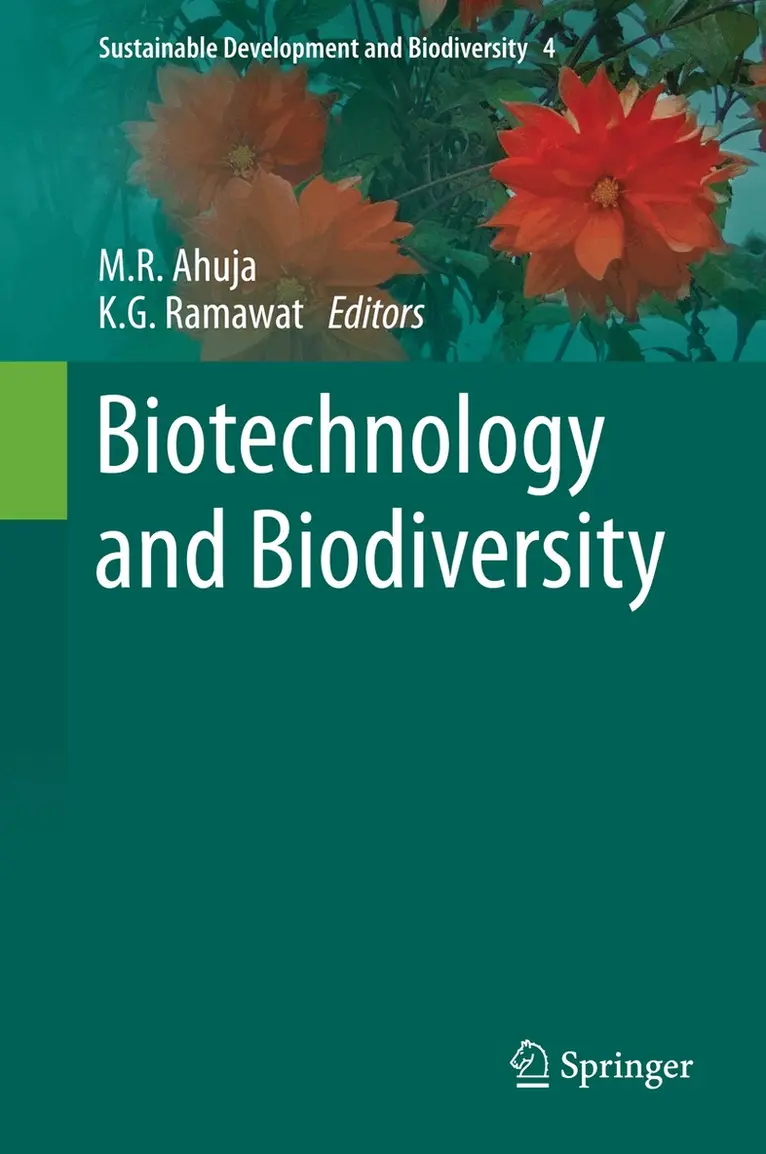
The purpose of this book is to assess the potential effects of biotechnological approaches particularly genetic modification on biodiversity and the environment. All aspects of biodiversity such as ecological diversity, species diversity and genetic diversity are considered. Higher organisms contain a specific set of linear DNA molecules called chromosomes and a complete set of chromosomes in an organism comprises its genome. The collection of traits displayed by any organism (phenotype) depends on the genes present in its genome (genotype). The appearance of any specific trait also will depend on many other factors, including whether the gene(s) responsible for the trait is/are turned on (expressed) or off, the specific cells within which the genes are expressed and how the genes, their expression and the gene products interact with environmental factors. The primary biotechnology which concerns us is that of genetic manipulation, which has a direct impact on biodiversity at the genetic level. By these manipulations, novel genes or gene fragments can be introduced into organisms (creating transgenics) or existing genes within an organism can be altered. Transgenics are a major area of concern, combining genes from different species to effectively create novel organisms. Current rates of disappearance of biological and cultural diversity in the world are unprecedented. Intensive resource exploitation due to social and economic factors has led to the destruction, conversion or degradation of ecosystems. Reversing these trends requires time to time assessment to integrate conservation and development.
Del 7 - Sustainable Development and Biodiversity
Genetic Diversity and Erosion in Plants
Indicators and Prevention
Inbunden, Engelska, 2015
1 064 kr
Skickas inom 10-15 vardagar
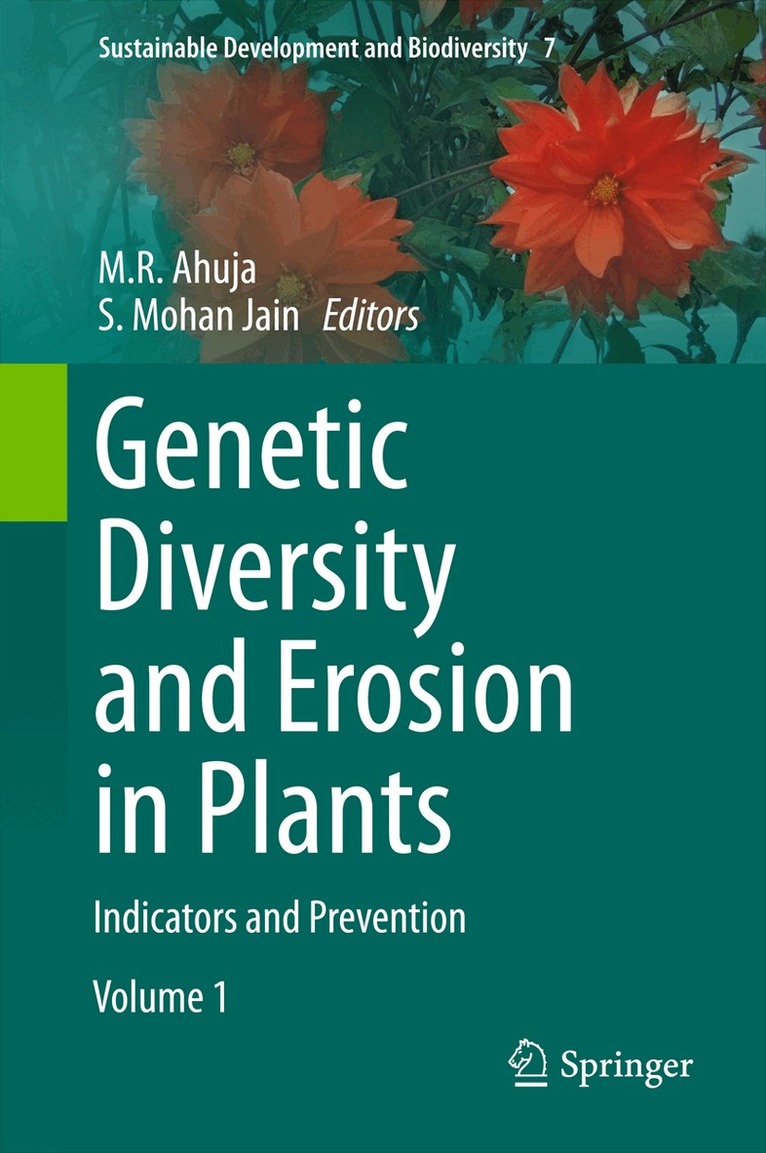
Genetic erosion is the loss of genetic diversity within a species. It can happen very quickly, due to catastrophic events, or changes in land use leading to habitat loss. But it can also occur more gradually and remain unnoticed for a long time. One of the main causes of genetic erosion is the replacement of local varieties by modern varieties. Other causes include environmental degradation, urbanization, and land clearing through deforestation and brush fires. In order to conserve biodiversity in plants, it is important to targets three independent levels that include ecosystems, species and genes. Genetic diversity is important to a species’ fitness, long-term viability, and ability to adapt to changing environmental conditions. Chapters in this book are written by leading geneticists, molecular biologists and other specialists on relevant topics on genetic erosion and conservation genetic diversity in plants. This divisible set of two volumes dealswith a broad spectrum of topics on genetic erosion, and approaches to biodiversity conservation in crop plants and trees. Volume 1 deals with indicators and prevention of genetic erosion, while volume 2 covers genetic diversity and erosion in a number of plants species. These two volumes will also be useful to botanists, biotechnologists, environmentalists, policy makers, conservationists, and NGOs working to manage genetic erosion and biodiversity.
Del 7 - Sustainable Development and Biodiversity
Genetic Diversity and Erosion in Plants
Indicators and Prevention
Häftad, Engelska, 2016
1 064 kr
Skickas inom 10-15 vardagar
Genetic erosion is the loss of genetic diversity within a species. Volume 1 deals with indicators and prevention of genetic erosion, while volume 2 covers genetic diversity and erosion in a number of plants species.
1 578 kr
Skickas inom 10-15 vardagar
The purpose of this book is to assess the potential effects of biotechnological approaches particularly genetic modification on biodiversity and the environment. All aspects of biodiversity such as ecological diversity, species diversity and genetic diversity are considered. Higher organisms contain a specific set of linear DNA molecules called chromosomes and a complete set of chromosomes in an organism comprises its genome. The collection of traits displayed by any organism (phenotype) depends on the genes present in its genome (genotype). The appearance of any specific trait also will depend on many other factors, including whether the gene(s) responsible for the trait is/are turned on (expressed) or off, the specific cells within which the genes are expressed and how the genes, their expression and the gene products interact with environmental factors. The primary biotechnology which concerns us is that of genetic manipulation, which has a direct impact on biodiversity at the genetic level. By these manipulations, novel genes or gene fragments can be introduced into organisms (creating transgenics) or existing genes within an organism can be altered. Transgenics are a major area of concern, combining genes from different species to effectively create novel organisms. Current rates of disappearance of biological and cultural diversity in the world are unprecedented. Intensive resource exploitation due to social and economic factors has led to the destruction, conversion or degradation of ecosystems. Reversing these trends requires time to time assessment to integrate conservation and development.
1 578 kr
Skickas inom 10-15 vardagar
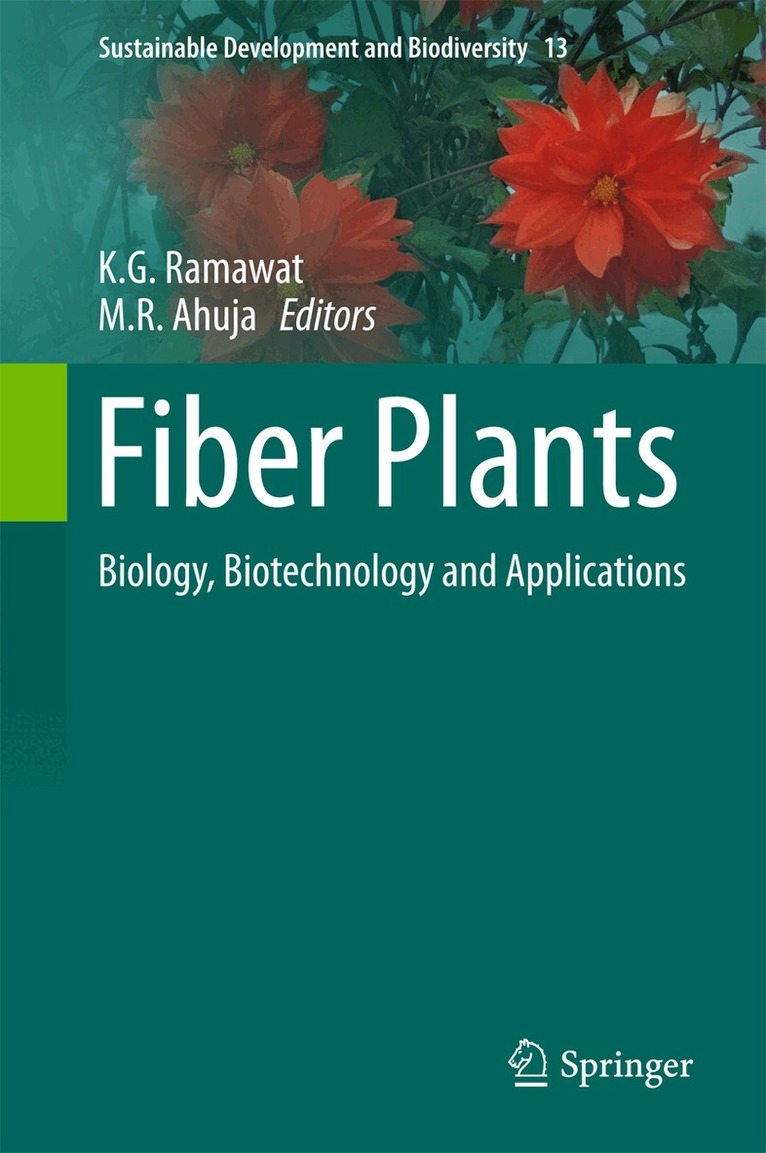
This book assesses the potential effects of biotechnological approaches, particularly genetic modification, on the present state of fiber crop cultivation and sustainable production. Leading international researchers discuss and explain how biotechnology can affect and solve problems in connection with fiber crops. The topics covered include biology, biotechnology, genomics and applications of fiber crops like cotton, flax, jute and bamboo. Providing complete, comprehensive and broad subject-based reviews, the book offers a valuable resource for students, teachers, and researchers including agriculturists, biotechnologists and botanists, as well as industrialists and government agencies involved in the planning of fiber crop cultivation.
2 625 kr
Skickas inom 10-15 vardagar
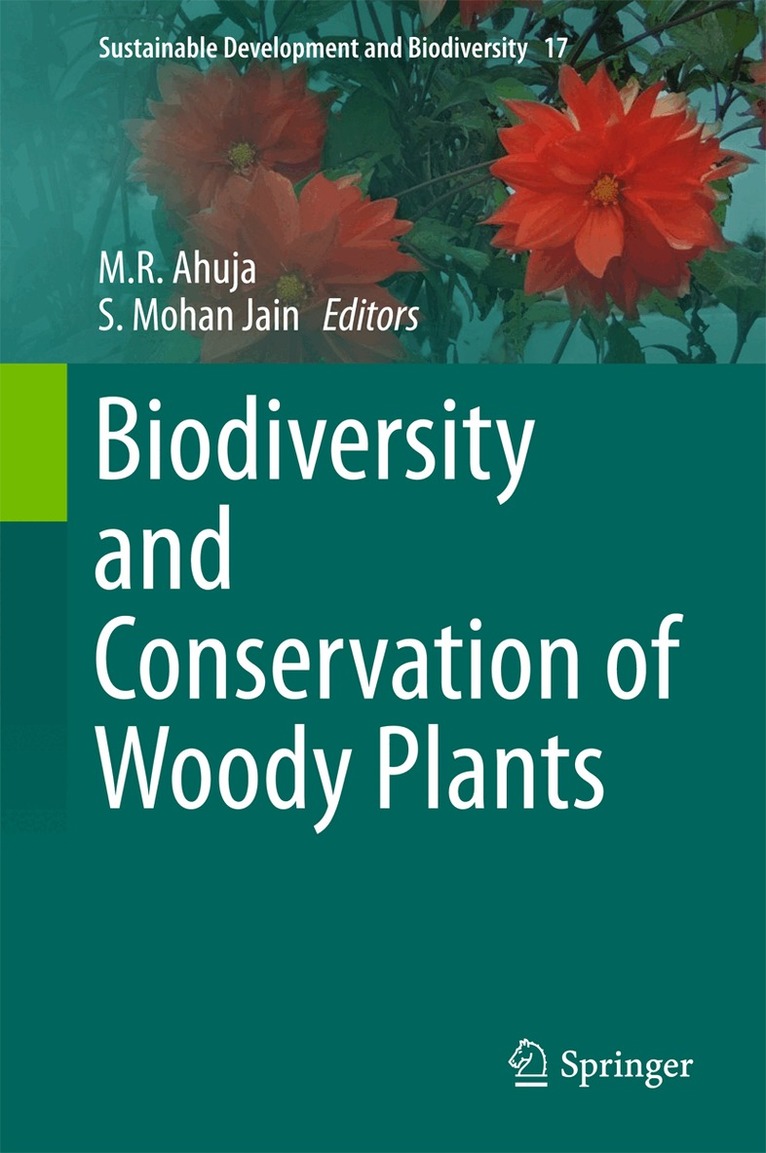
This book provides complete, comprehensive, and broad subject-based reviews for students, teachers, researchers, policymakers, conservationists, and NGOs interested in the biodiversity and conservation of woody plants.Forests cover approximately 31 percent of the world’s total landmass; 93 percent is natural forest and only 7 percent consists of planted trees. Forest decline is progressing at an alarming rate worldwide. In addition to human activities (logging, deforestation, and exploiting forest lands for agriculture and industrial use), a number of other factors – including pests and diseases, drought, soil acidity, radiation, and ozone – are cumulatively contributing to global forest decline. The present situation forces us to focus on forest conservation strategies for the present and future. Gene conservation and maintaining genetic diversity in forest ecosystems are crucial to the preservation of forest genetic resources. This calls for integrated action to implement both the in situ (on site) preservation of forest stands and ex situ (distant from the original site) strategies for the conservation of woody plants’ genetic resources. Selected priority areas include: 1) assessing patterns of genetic diversity and threats, 2) understanding the biological processes regulating genetic diversity, 3) assessing the impact of human activities and climate change on genetic diversity, and 5) finding methods for prioritizing species and populations for the conservation of forest trees genetic resources.All chapters were written by leading scientists in their respective fields, which include: woody plant diversity, ecology and evolution; assessment of genetic diversity in forest tree populations; conservation planning under climate change; and in situ and ex situ strategies, including biotechnological approaches, for the conservation of woody plants genetic resources.
1 578 kr
Skickas inom 10-15 vardagar
This book assesses the potential effects of biotechnological approaches, particularly genetic modification, on the present state of fiber crop cultivation and sustainable production. Leading international researchers discuss and explain how biotechnology can affect and solve problems in connection with fiber crops. The topics covered include biology, biotechnology, genomics and applications of fiber crops like cotton, flax, jute and bamboo. Providing complete, comprehensive and broad subject-based reviews, the book offers a valuable resource for students, teachers, and researchers including agriculturists, biotechnologists and botanists, as well as industrialists and government agencies involved in the planning of fiber crop cultivation.
2 625 kr
Skickas inom 10-15 vardagar
This book provides complete, comprehensive, and broad subject-based reviews for students, teachers, researchers, policymakers, conservationists, and NGOs interested in the biodiversity and conservation of woody plants.Forests cover approximately 31 percent of the world’s total landmass; 93 percent is natural forest and only 7 percent consists of planted trees. Forest decline is progressing at an alarming rate worldwide. In addition to human activities (logging, deforestation, and exploiting forest lands for agriculture and industrial use), a number of other factors – including pests and diseases, drought, soil acidity, radiation, and ozone – are cumulatively contributing to global forest decline. The present situation forces us to focus on forest conservation strategies for the present and future. Gene conservation and maintaining genetic diversity in forest ecosystems are crucial to the preservation of forest genetic resources. This calls for integrated action to implement both the in situ (on site) preservation of forest stands and ex situ (distant from the original site) strategies for the conservation of woody plants’ genetic resources. Selected priority areas include: 1) assessing patterns of genetic diversity and threats, 2) understanding the biological processes regulating genetic diversity, 3) assessing the impact of human activities and climate change on genetic diversity, and 5) finding methods for prioritizing species and populations for the conservation of forest trees genetic resources.All chapters were written by leading scientists in their respective fields, which include: woody plant diversity, ecology and evolution; assessment of genetic diversity in forest tree populations; conservation planning under climate change; and in situ and ex situ strategies, including biotechnological approaches, for the conservation of woody plants genetic resources.