M. Walker – författare
Visar alla böcker från författaren M. Walker. Handla med fri frakt och snabb leverans.
7 produkter
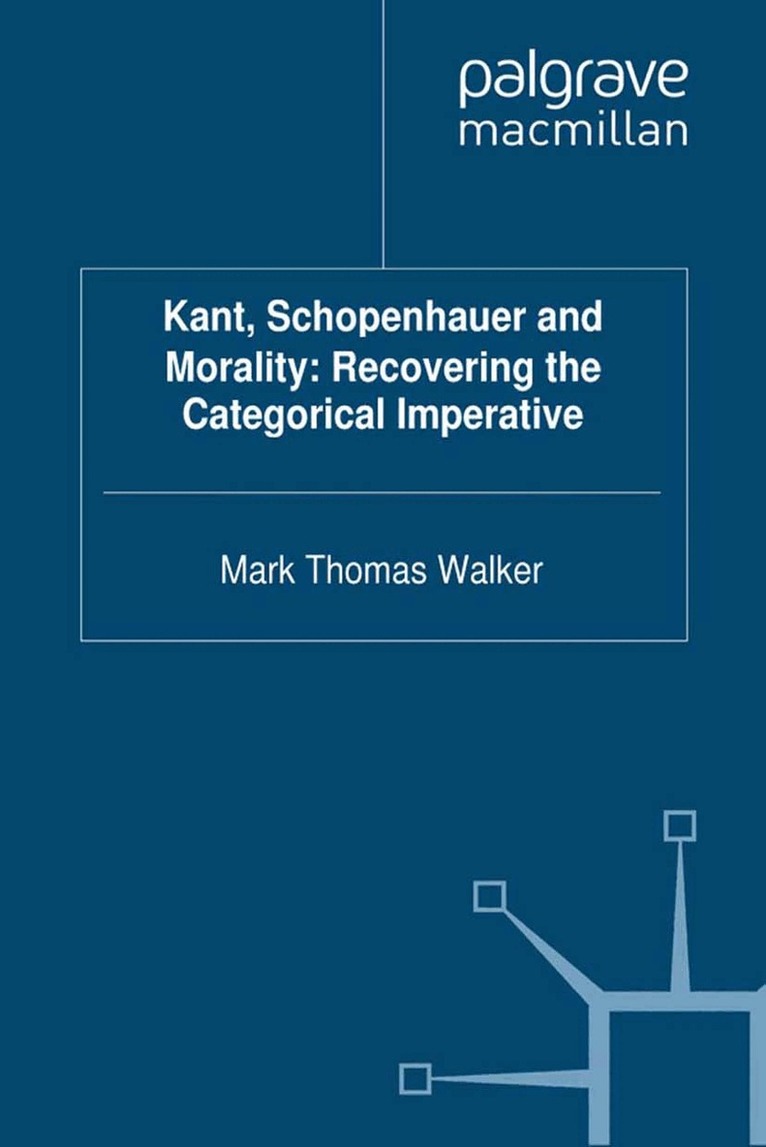
Kant, Schopenhauer and Morality: Recovering the Categorical Imperative
Av M. Walker
Inbunden, 2011
552 kr
Lägg i varukorg
Addressing the perennial question: why should we be moral? this book argues that we can only give a truly and morally satisfying answer to that question by radically reconfiguring our conception of the self and the way it relates to others.
Kant, Schopenhauer and Morality: Recovering the Categorical Imperative
Av M. Walker
E-bok, 2011
779 kr
Lägg i varukorg
Addressing the perennial question: why should we be moral? this book argues that we can only give a truly and morally satisfying answer to that question by radically reconfiguring our conception of the self and the way it relates to others.
Kant, Schopenhauer and Morality: Recovering the Categorical Imperative
Av M. Walker
Häftad, 2012
552 kr
Lägg i varukorg
Addressing the perennial question: why should we be moral? this book argues that we can only give a truly and morally satisfying answer to that question by radically reconfiguring our conception of the self and the way it relates to others.
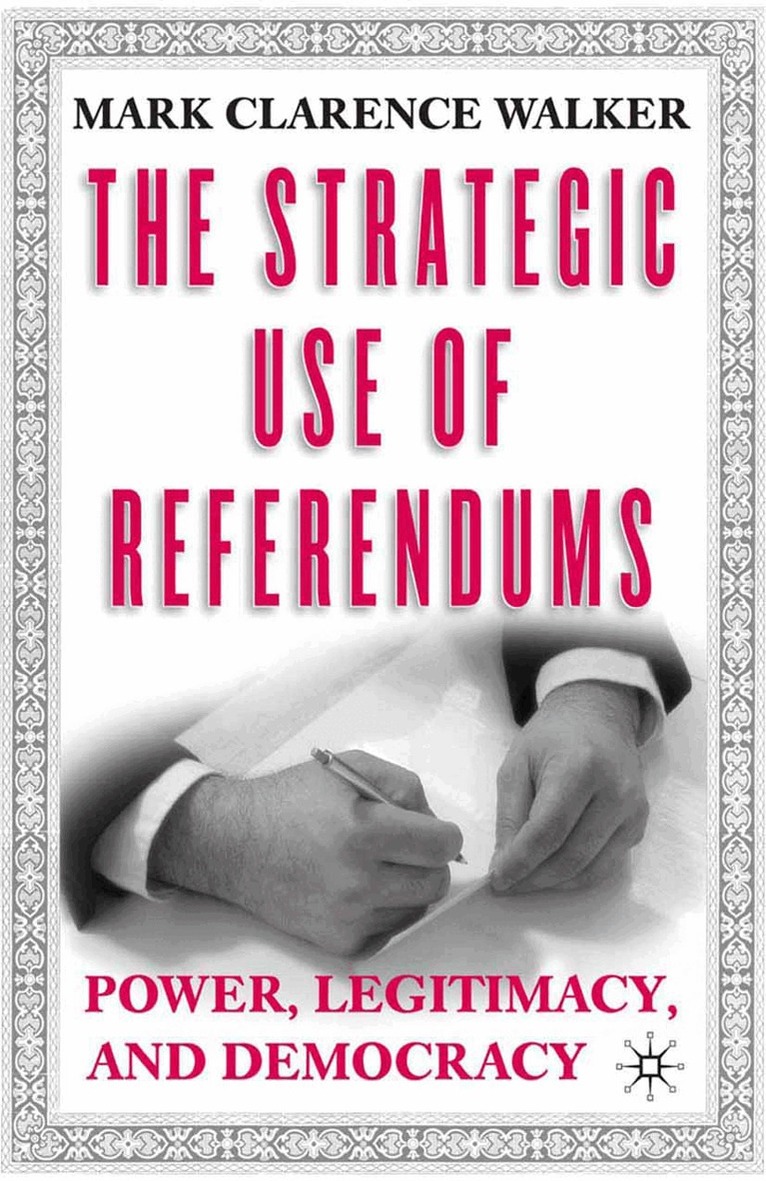
Strategic Use of Referendums
Power, Legitimacy, and Democracy
Av M. Walker
Häftad, 2003
552 kr
Lägg i varukorg
The strategic use of referendums by leaders often confers legitimacy but it may also reflect the power struggle between leaders, groups, and institutions and in doing so not provide a democratic result for the citizenry of a country.
Strategic Use of Referendums
Power, Legitimacy, and Democracy
Av M. Walker
Inbunden, 2003
552 kr
Lägg i varukorg
The strategic use of referendums by leaders often confers legitimacy but it may also reflect the power struggle between leaders, groups, and institutions and in doing so not provide a democratic result for the citizenry of a country.
Strategic Use of Referendums
Power, Legitimacy, and Democracy
Av M. Walker
E-bok, 2003
717 kr
Lägg i varukorg
The strategic use of referendums by leaders often confers legitimacy but it may also reflect the power struggle between leaders, groups, and institutions and in doing so not provide a democratic result for the citizenry of a country.