M. William Steele - Böcker
Visar alla böcker från författaren M. William Steele. Handla med fri frakt och snabb leverans.
4 produkter
4 produkter
2 150 kr
Skickas inom 10-15 vardagar
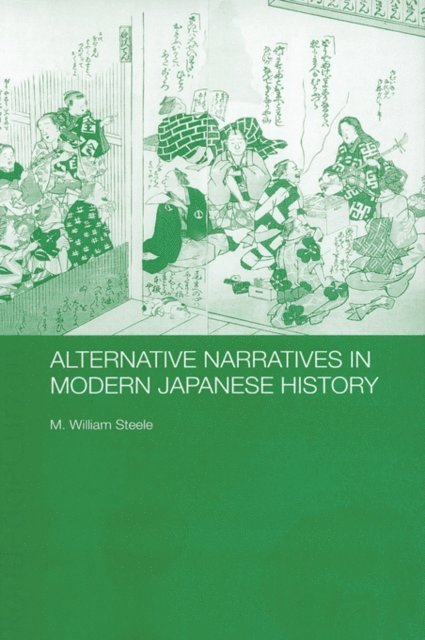
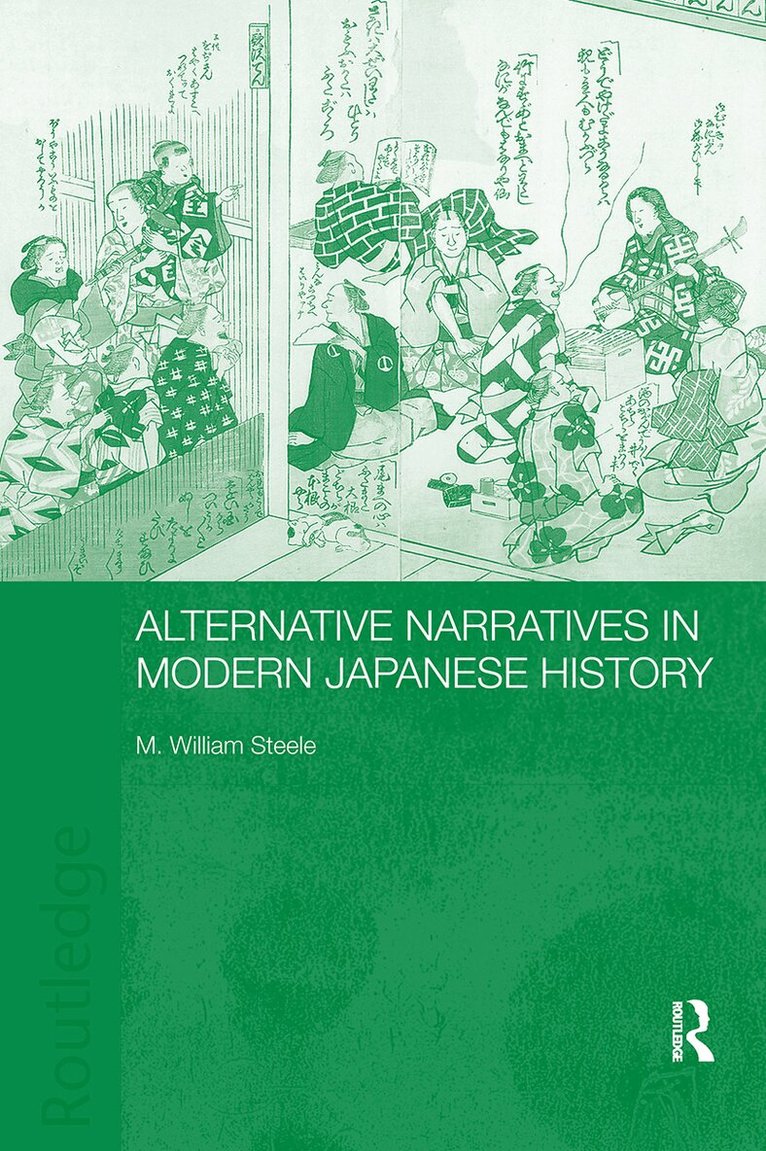
How did ordinary people experience Japan's modern transformation? What role did people in local areas play in the making of modern Japan? How do studies of local politics help explain national events?The dominant account of modern Japanese history focuses on the nation-building that brought Japan into the modern world. After centuries of isolation, American warships forced Japan to open its doors to the West and a group of tough new leaders transformed the country into one of the great military and economic powers of the world. But different perspectives need to be examined. Alternative Narratives introduces other actors, other places and other dimensions of social and political activity in an attempt to construct a broader and more complex account of modern Japanese history.Focusing on the initial years of Japan's modern transformation, from the 1850s to the 1890s, Steele explores responses of commoners to the arrival of American warships in 1853; the growth of popular political consciousness; reactions of the residents of Edo in 1868 on the deposition of the shogun; responses of the village elite to the fall of the old regime; and established frameworks of historical narration - including American attempts to understand Japan's 1868 civil war.The author draws upon a wealth of documents, including broadsheets, woodblock prints, political cartoons and local campaign literature, as well as more conventional material in an endeavour to find new and different ways to examine the past. This book forms an important resource to students of Japanese history and culture while simultaneously appealing to scholars interested in the general problem of history and history-writing.
691 kr
Skickas inom 10-15 vardagar
How did ordinary people experience Japan's modern transformation? What role did people in local areas play in the making of modern Japan? How do studies of local politics help explain national events?The dominant account of modern Japanese history focuses on the nation-building that brought Japan into the modern world. After centuries of isolation, American warships forced Japan to open its doors to the West and a group of tough new leaders transformed the country into one of the great military and economic powers of the world. But different perspectives need to be examined. Alternative Narratives introduces other actors, other places and other dimensions of social and political activity in an attempt to construct a broader and more complex account of modern Japanese history.Focusing on the initial years of Japan's modern transformation, from the 1850s to the 1890s, Steele explores responses of commoners to the arrival of American warships in 1853; the growth of popular political consciousness; reactions of the residents of Edo in 1868 on the deposition of the shogun; responses of the village elite to the fall of the old regime; and established frameworks of historical narration - including American attempts to understand Japan's 1868 civil war.The author draws upon a wealth of documents, including broadsheets, woodblock prints, political cartoons and local campaign literature, as well as more conventional material in an endeavour to find new and different ways to examine the past. This book forms an important resource to students of Japanese history and culture while simultaneously appealing to scholars interested in the general problem of history and history-writing.
Del 473 - Harvard East Asian Monographs
Rethinking Japan's Modernity
Stories and Translations
Inbunden, Engelska, 2024
493 kr
Skickas inom 7-10 vardagar
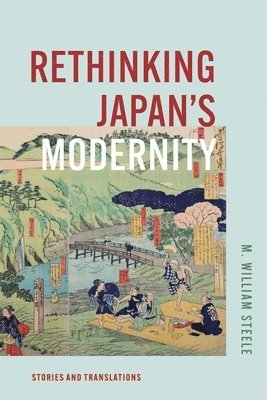
History is not one story, but many. In Rethinking Japan’s Modernity, M. William Steele takes a new look at the people, places, and events associated with Japan’s engagement with modernity, starting with American Commodore Matthew Perry’s arrival in Japan in 1853. In many cases, this new look derives from visual sources, such as popular broadsheets, satirical cartoons, ukiyo-e and other woodblock prints, postcards, and photographs. The book illustrates the diverse, and sometimes conflicting, perceptions of people who experienced the unfolding of modern Japan. It focuses both on the experiences of people living the events “at that time” and on the reflections of others looking back. Also included are three new translations—two of them by Japan’s pioneer Westernizer, Fukuzawa Yukichi, and another by Mantei Ōga—parodying Fukuzawa’s monumental work advocating Western learning. These and other stories show how Japanese views of modernity evolved over time. Each chapter is prefaced with a short introduction to the topic covered and historiographical approach taken, allowing each to stand alone as well as support the overall goal of the work—to inform and challenge our understanding of the links between Japan’s past, present, and future.
1 774 kr
Skickas inom 5-8 vardagar
This volume recognizes the growing awareness of the importance of images in international relations, exploring the phenomenon over three centuries as it relates to Russia and Japan. The general perception of one country by another – the ‘stereotypical collective mentality’ – is an historic phenomenon that continues to be a fundamental component in international relations at all levels, but especially in the political and business arenas, and remains an ongoing challenge for future generations. Bringing together international scholars from various disciplines, this innovative study focuses especially on modes of seeing and on the enigma of visual experience. It draws on numerous visual representations from propaganda posters and cartoons to artworks and films and to more recent media, such as television, the internet, pop-culture icons, as well as direct visual encounters. The volume raises questions of how different cultures observe, understand and represent each other, how and why mutual representations have changed or remained unchanged during the long history of Japanese-Russian interactions, what mental frameworks exist on both sides of the encounter; and how visions of otherness influence the construction of national, cultural and social identities.