Magdalena Banaszkiewicz – författare
Visar alla böcker från författaren Magdalena Banaszkiewicz. Handla med fri frakt och snabb leverans.
8 produkter
Tourism and Heritage in the Chornobyl Exclusion Zone
Inbunden, 2022
2578 kr
Lägg i varukorg
Tourism and Heritage in the Chornobyl Exclusion Zone (CEZ) uses an ethnographic lens to explore the dissonances associated with the commodification of Chornobyl’s heritage.The book considers the role of the guides as experience brokers, focusing on the synergy between tourists and guides in the …
Tourism and Heritage in the Chornobyl Exclusion Zone
Häftad, 2024
631 kr
Lägg i varukorg
Tourism and Heritage in the Chornobyl Exclusion Zone (CEZ) uses an ethnographic lens to explore the dissonances associated with the commodification of Chornobyl’s heritage.The book considers the role of the guides as experience brokers, focusing on the synergy between tourists and guides in the …
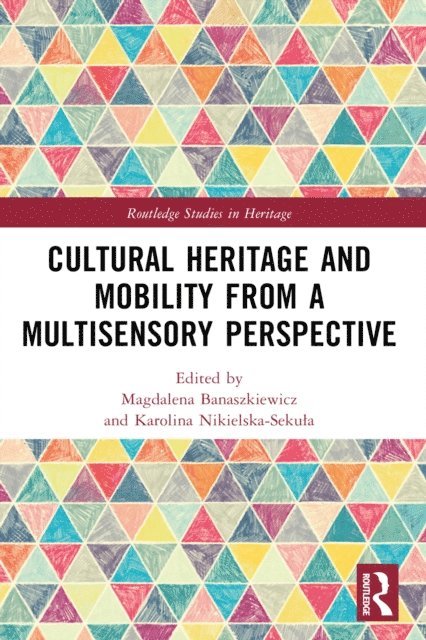
Cultural Heritage and Mobility from a Multisensory Perspective
Av Magdalena Banaszkiewicz, Karolina Nikielska-Sekuła
Inbunden, 2024
2578 kr
Lägg i varukorg
Cultural Heritage and Mobility from a Multisensory Perspective bridges the gap between cultural heritage and mobility studies through the employment of theoretical and methodological multisensory perspectives.An interdisciplinary volume covering a broad range of empirical cases, this book focuses …
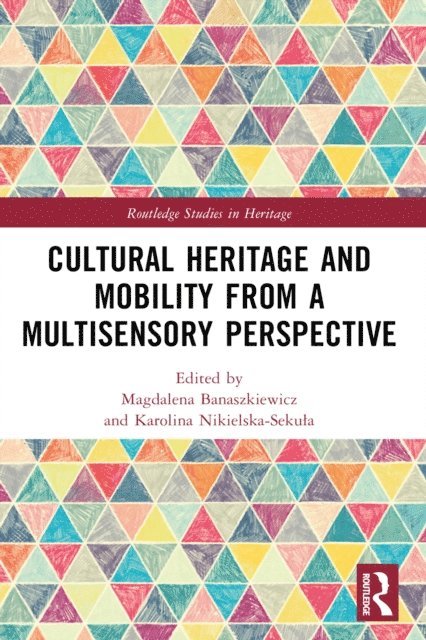
Cultural Heritage and Mobility from a Multisensory Perspective
Av Magdalena Banaszkiewicz, Karolina Nikielska-Sekuła
Häftad, 2026
704 kr
Lägg i varukorg
Cultural Heritage and Mobility from a Multisensory Perspective bridges the gap between cultural heritage and mobility studies through the employment of theoretical and methodological multisensory perspectives.An interdisciplinary volume covering a broad range of empirical cases, this book focuses …
Cultural Heritage and Mobility from a Multisensory Perspective
Av Karolina Nikielska-SekuA‚a, Magdalena Banaszkiewicz
E-bok, 2024
745 kr
Lägg i varukorg
Cultural Heritage and Mobility from a Multisensory Perspective bridges the gap between cultural heritage and mobility studies through the employment of theoretical and methodological multisensory perspectives. An interdisciplinary volume covering a broad range of empirical cases, this book focuses …
Cultural Heritage and Mobility from a Multisensory Perspective
Av Karolina Nikielska-SekuA‚a, Magdalena Banaszkiewicz
E-bok, 2024
721 kr
Lägg i varukorg
Cultural Heritage and Mobility from a Multisensory Perspective bridges the gap between cultural heritage and mobility studies through the employment of theoretical and methodological multisensory perspectives. An interdisciplinary volume covering a broad range of empirical cases, this book focuses …
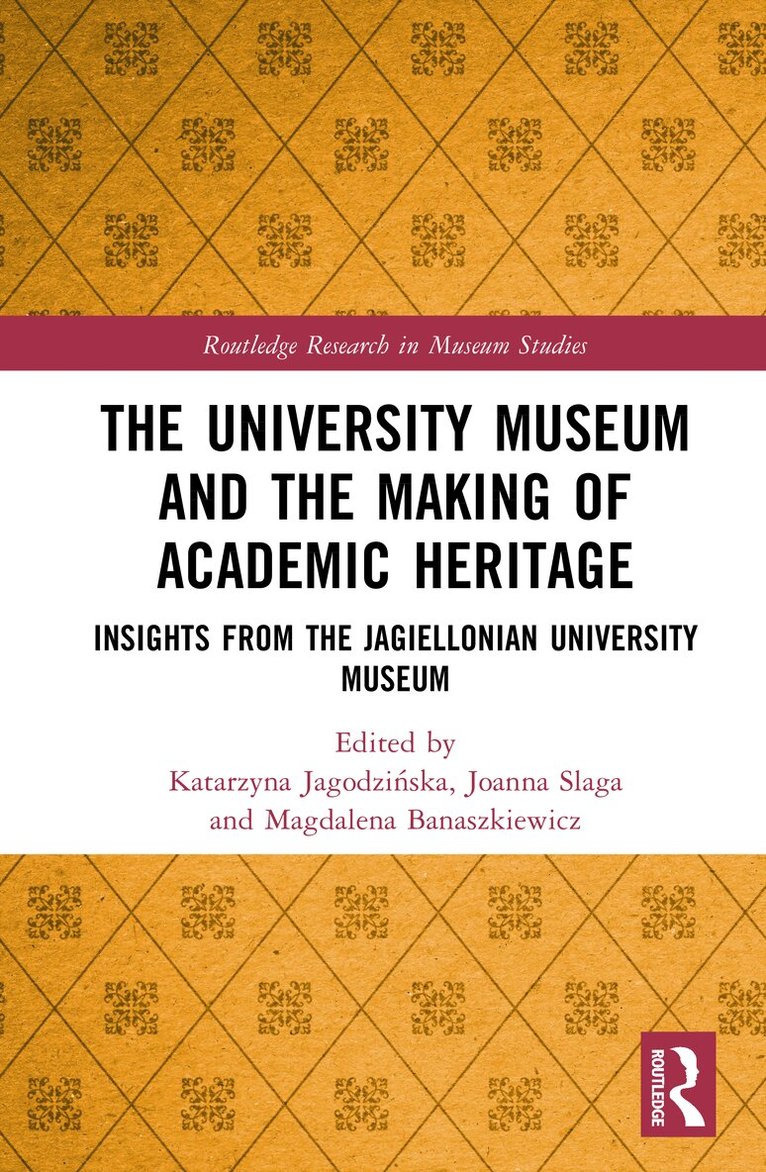
University Museum and the Making of Academic Heritage
Insights from the Jagiellonian University Museum
Av Katarzyna Jagodzińska, Joanna Ślaga m. fl.
Inbunden, 2026
2433 kr
Lägg i varukorg
This book provides a critical examination of the underexplored concept of academic heritage through a detailed case study of the Collegium Maius Museum at the Jagiellonian University in Kraków, Poland.The book examines the theoretical boundaries of academic heritage by exploring the collections and …
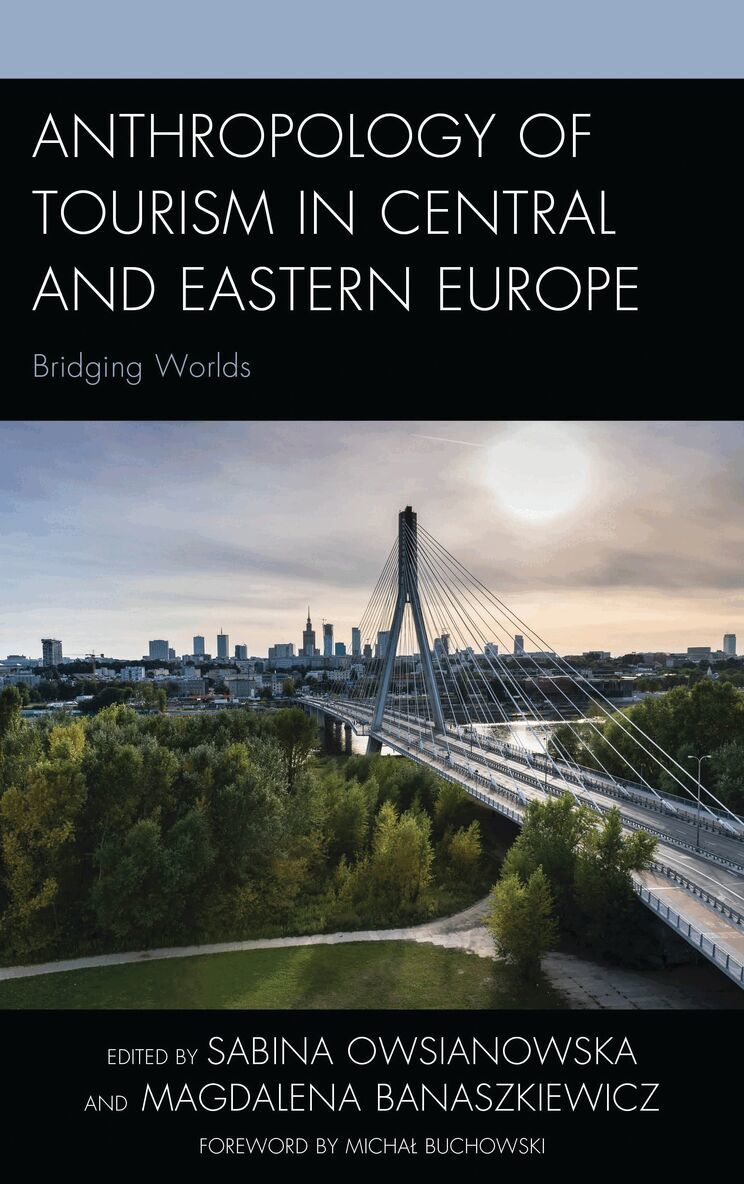
Anthropology of Tourism in Central and Eastern Europe
Bridging Worlds
Av Sabina Owsianowska, Magdalena Banaszkiewicz
Inbunden, 2018
1556 kr
Lägg i varukorg
In Anthropology of Tourism in Central and Eastern Europe: Bridging Worlds, Sabina Owsianowska and Magdalena Banaszkiewicz examine the limitations of the anthropological study of tourism, which stem from both the domination of researchers representing the Anglophone circle as well as the current …