Magdalena Solska - Böcker
Visar alla böcker från författaren Magdalena Solska. Handla med fri frakt och snabb leverans.
2 produkter
2 produkter
Del 19 - Interdisciplinary Studies on Central and Eastern Europe
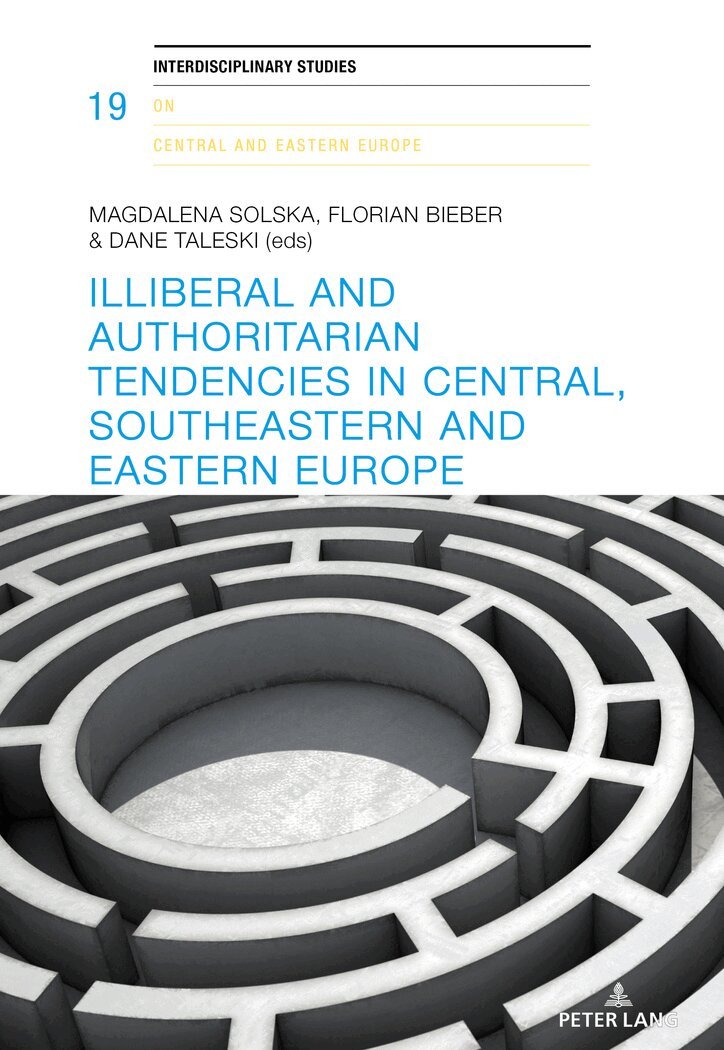
Illiberal and authoritarian tendencies in Central, Southeastern and Eastern Europe
Häftad, Engelska, 2018
1 151 kr
Skickas inom 5-8 vardagar
Even though the democratic decline has been deemed a global phenomenon, the question of how it manifests itself in the postcommunist world and how it varies across different regions with divergent levels of democratic consolidation has not been sufficiently addressed yet. This book tries to fill the gap and examines the causes and nature of the deteriorating quality of democracy in Central Europe as well as the reversal or stagnation of democratization processes in Southeastern and Eastern Europe. The political elite plays a key role in initiating legislative changes that may lead to democratic backsliding. Its constant commitment to the rule of law and to the practice of selfrestraint in securing the independence of judiciary and the rights of political opposition appears hence indispensable for sustainable liberal democracy.
Del 17 - Interdisciplinary Studies on Central and Eastern Europe
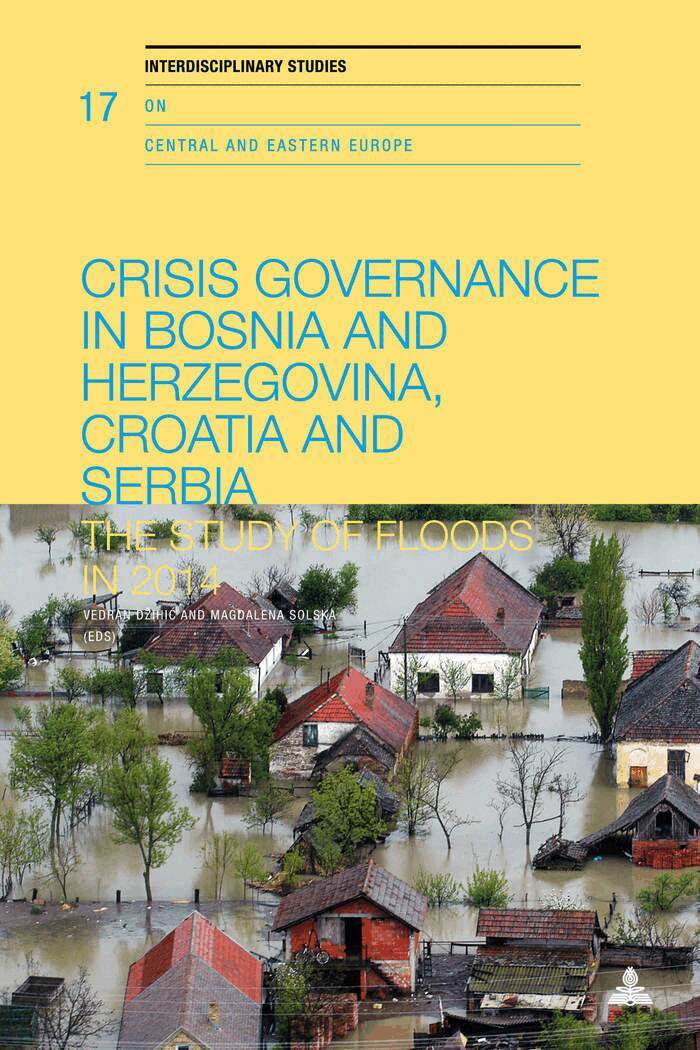
Crisis Governance in Bosnia and Herzegovina, Croatia and Serbia
The Study of Floods in 2014
Häftad, Engelska, 2018
1 013 kr
Skickas inom 5-8 vardagar
This comparative study at hand has been the result of a two-year research project on floods in 2014 in the Western Balkans engaging eight research teams from Bosnia and Herzegovina, Serbia and Croatia. Representing quite different disciplines, the authors of this volume have analysed diverse aspects of the crisis governance and its ramifications. This publication’s goals are twofold. Firstly, it pins down the characteristics of the crisis responses during the floods of 2014 in three affected countries, preconditioned by the existing institutions, crisis leadership, the role of media and the social capital as well as the foreign financial aid. On the other hand, through the lenses of the crisis governance we conclude on the state capacities and the nature of political regime of the cases under study. The flood megacrisis did not constitute a "window of opportunity" for individual or institutional learning. On the contrary, it did unveil some authoritarian tendencies in Serbia and Bosnia, and thus stalled the hitherto ongoing democratization process.