Maimuna S. Majumder – författare
Visar alla böcker från författaren Maimuna S. Majumder. Handla med fri frakt och snabb leverans.
4 produkter
Ebola's Message
Av Maimuna S. Majumder, Tara C. Smith m. fl.
E-bok, 2016
563 kr
Lägg i varukorg
Interdisciplinary perspectives on the science, politics, and ethics of the 2013–2015 Ebola virus disease outbreak. The 2013–2015 outbreak of the Ebola virus disease (EVD) was a public health disaster: 28,575 infections and 11,313 deaths (as of October 2015), devastating the countries of Guinea, …
Ebola's Message
Public Health and Medicine in the Twenty-First Century
Av Nicholas G. Evans, Tara C. Smith m. fl.
Häftad, 2024
671 kr
Lägg i varukorg
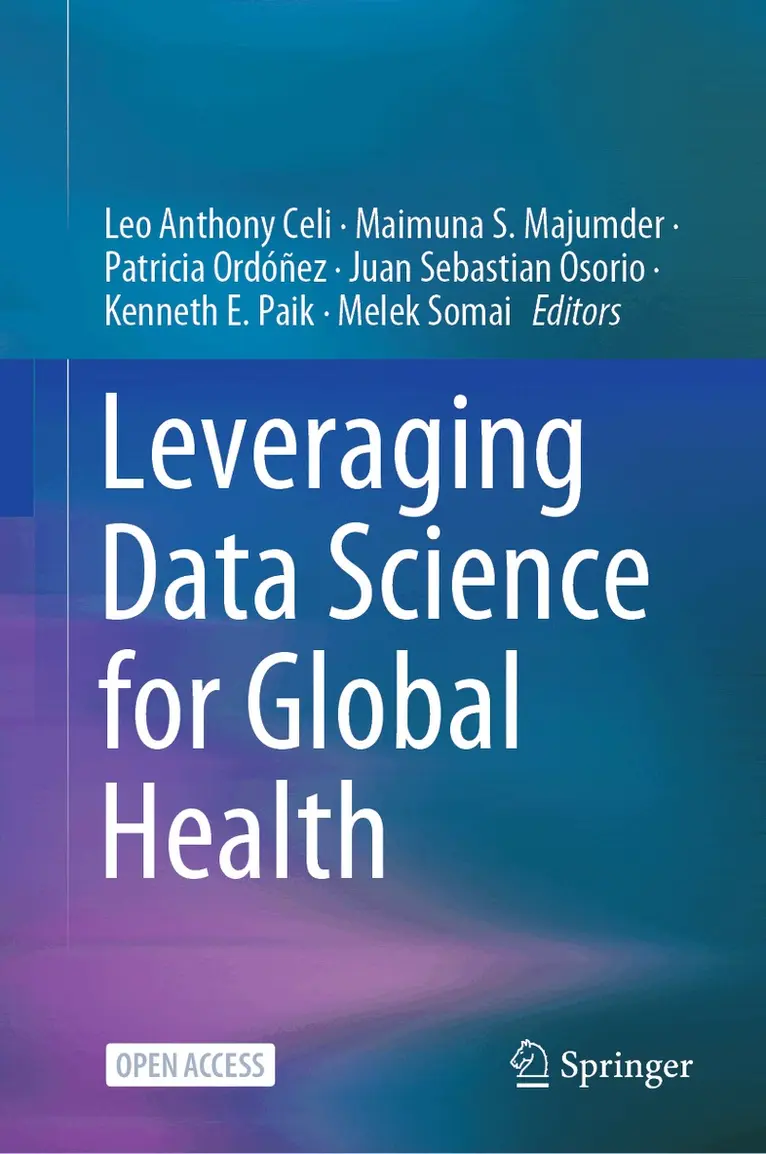
Leveraging Data Science for Global Health
Av Leo Anthony Celi, Maimuna S. Majumder m. fl.
Inbunden, 2020
568 kr
Lägg i varukorg
This open access book explores ways to leverage information technology and machine learning to combat disease and promote health, especially in resource-constrained settings. It focuses on digital disease surveillance through the application of machine learning to non-traditional data sources. …
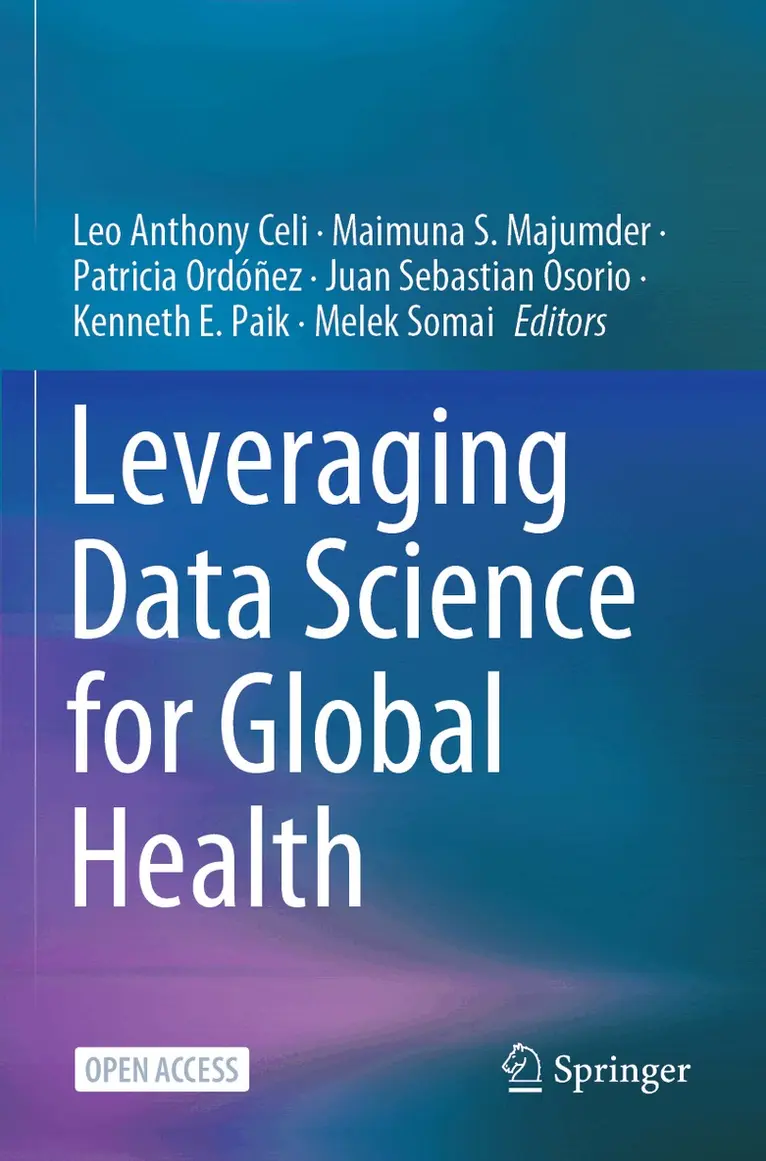
Leveraging Data Science for Global Health
Av Leo Anthony Celi, Maimuna S. Majumder m. fl.
Häftad, 2020
443 kr
Lägg i varukorg
This open access book explores ways to leverage information technology and machine learning to combat disease and promote health, especially in resource-constrained settings. It focuses on digital disease surveillance through the application of machine learning to non-traditional data sources. …