Malek Abisaab – författare
Visar alla böcker från författaren Malek Abisaab. Handla med fri frakt och snabb leverans.
12 produkter
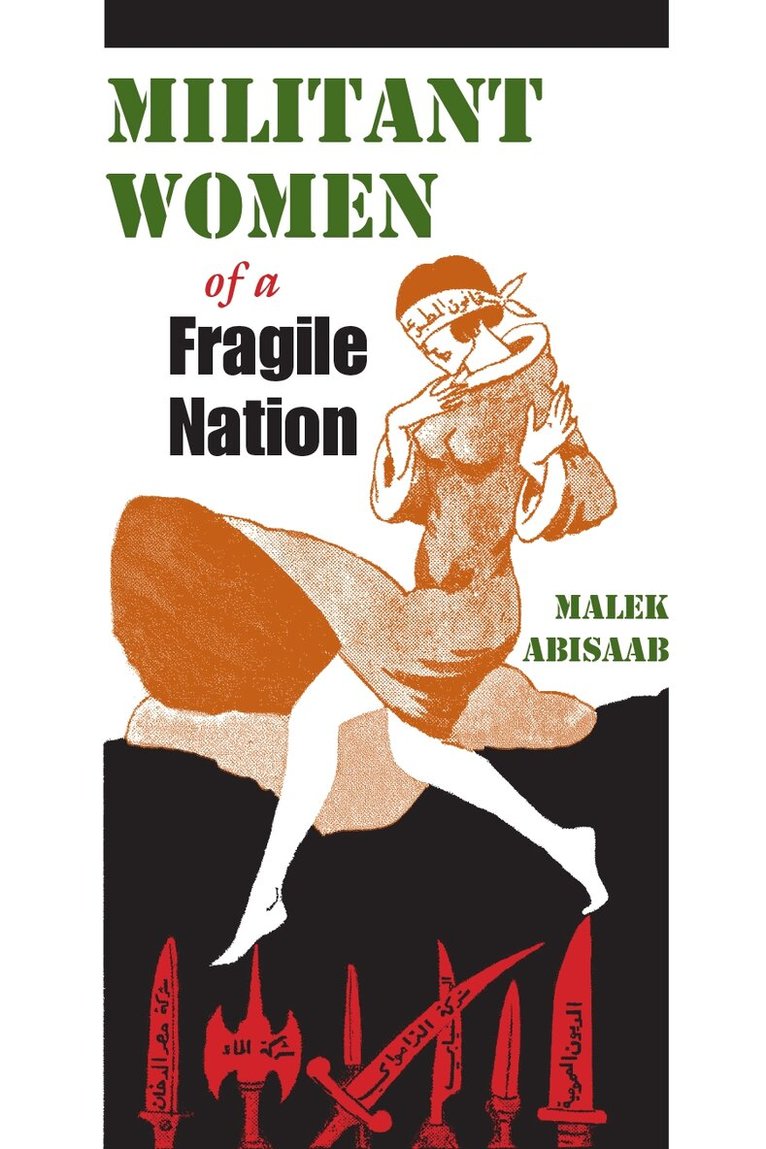
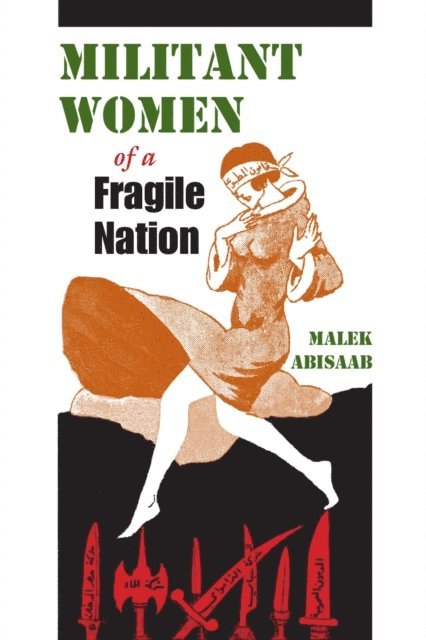
Militant Women of a Fragile Nation
Inbunden, 2010
770 kr
Lägg i varukorg
In ""Militant Women of a Fragile Nation"", Malek Abisaab takes a gendered approach to labor conflicts, anticolonial struggles, and citizenship in modern Lebanon. The author traces the conditions and experiences of women workers at the French Tobacco Monopoly. Challenging the prevailing assumptions …
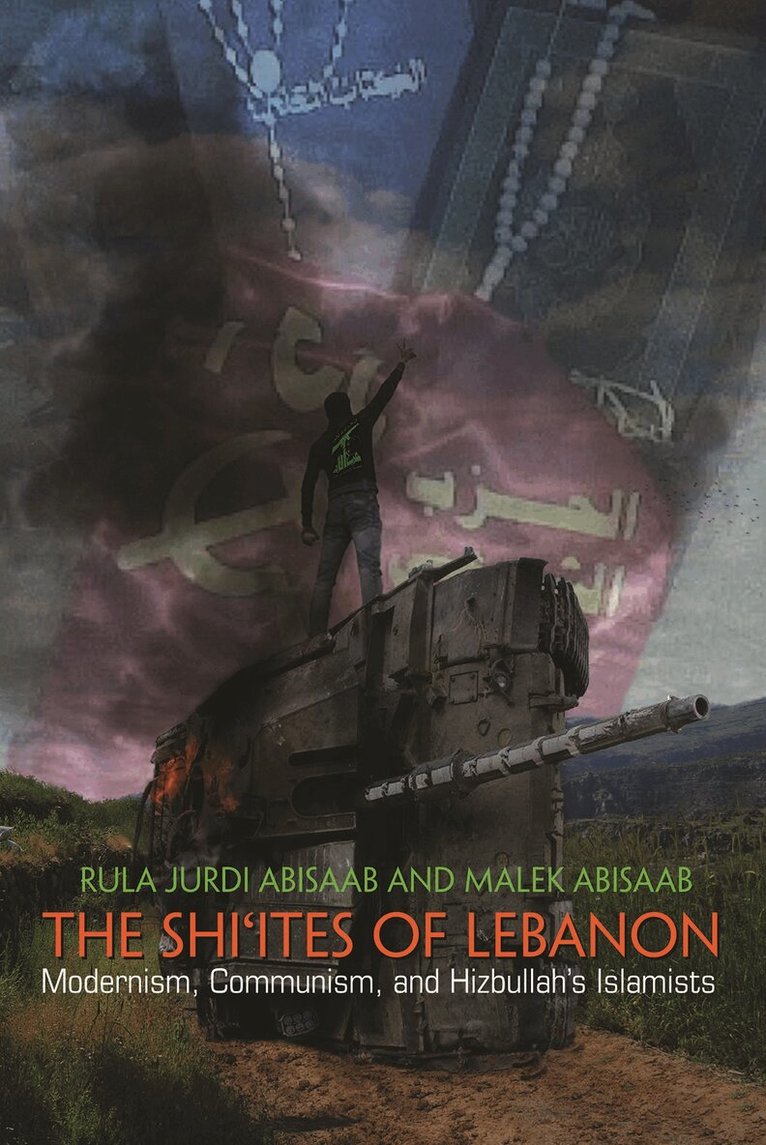
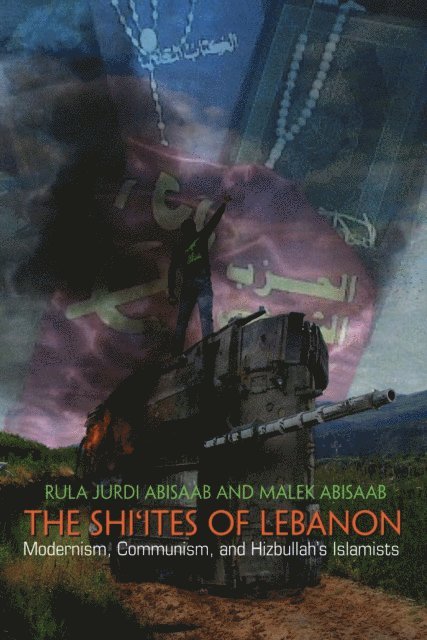
Shi'ites of Lebanon
Modernism, Communism, and Hizbullah's Islamists
Av Rula Jurdi Abisaab, Malek Abisaab
Inbunden, 2014
573 kr
Lägg i varukorg
The complex history of Lebanese Shi‘ites has traditionally been portrayed as rooted in religious and sectarian forces. The Abisaabs uncover a more nuanced account in which colonialism, the modern state, social class, and provincial politics profoundly shaped Shi‘i society.The authors trace the …
Shi'ites of Lebanon
Modernism, Communism, and Hizbullah's Islamists
Av Rula Jurdi Abisaab, Malek Abisaab
Häftad, 2017
321 kr
Lägg i varukorg
The complex history of Lebanese Shi‘ites has traditionally been portrayed as rooted in religious and sectarian forces. The Abisaabs uncover a more nuanced account in which colonialism, the modern state, social class, and provincial politics profoundly shaped Shi‘i society.The authors trace the …
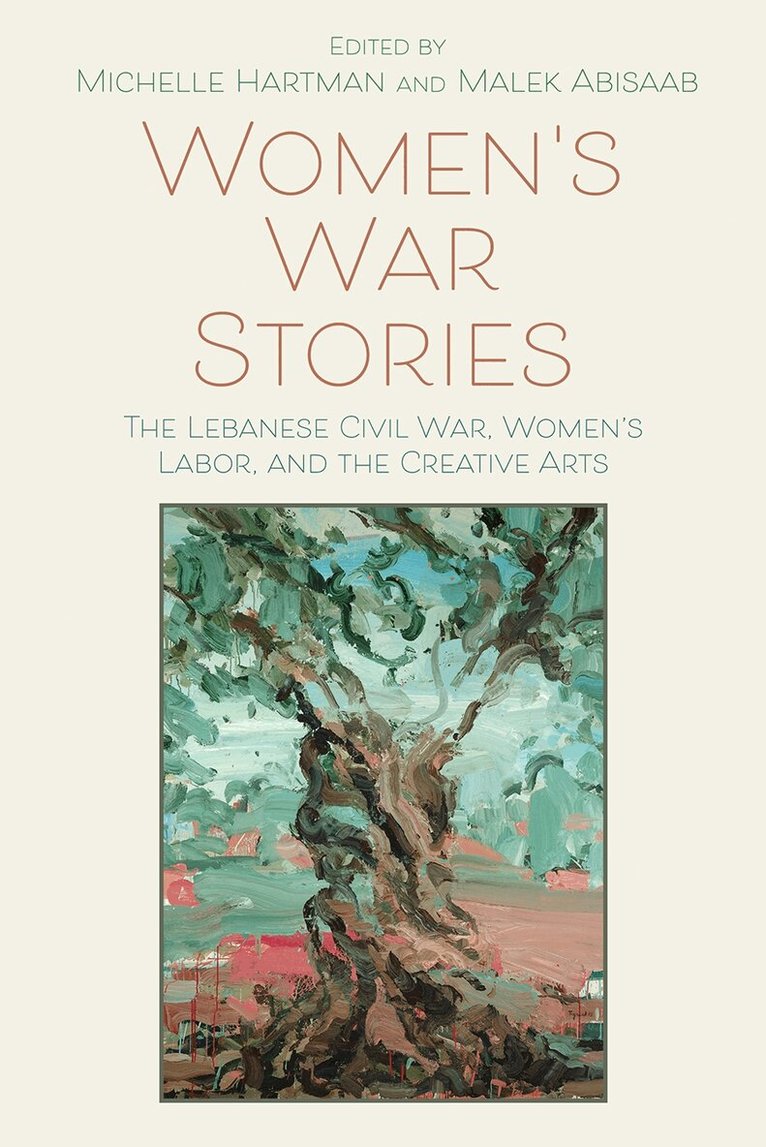
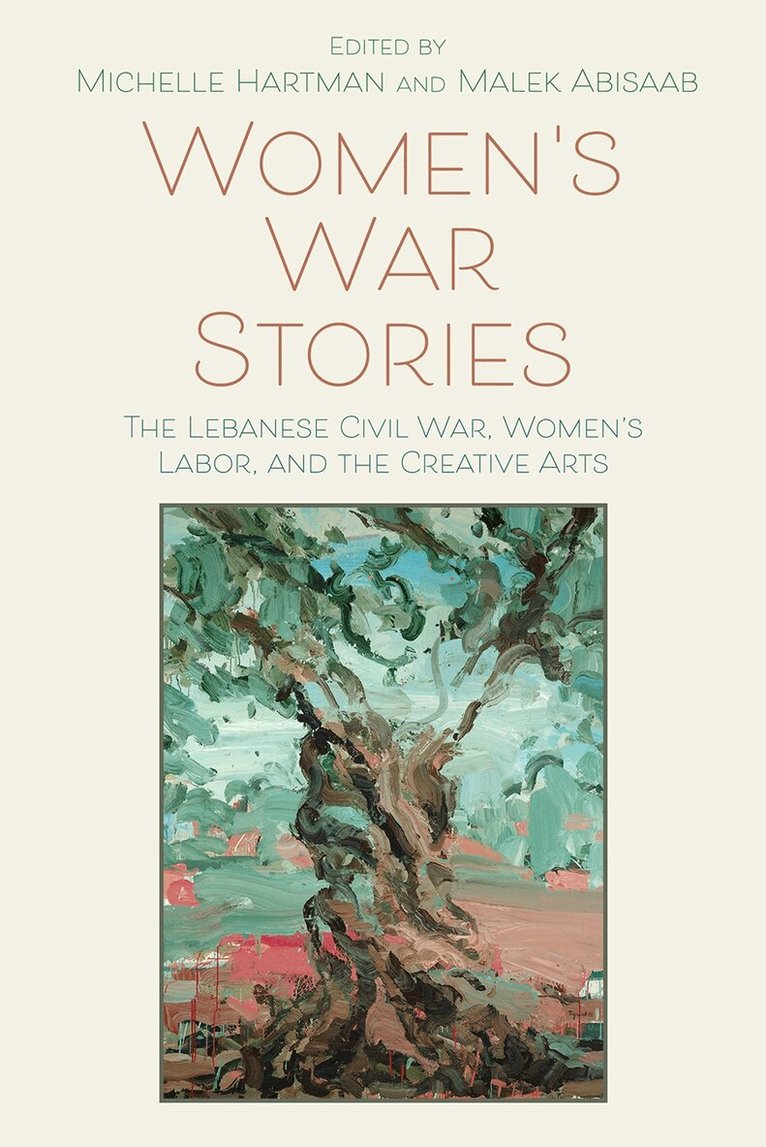
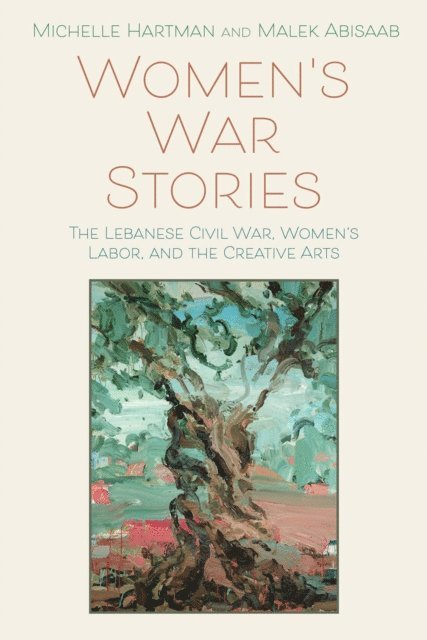
Women's War Stories
The Lebanese Civil War, Women's Labor, and the Creative Arts
Av Michelle Hartman, Malek Abisaab
Inbunden, 2022
872 kr
Lägg i varukorg
Women have consistently been left out of the official writing of Lebanese history, and nowhere is this more obvious than in writing on the Lebanese Civil War. As more and more histories of the war begin to circulate, few include any in-depth discussion of the multiple roles women played in wartime …
Women's War Stories
The Lebanese Civil War, Women's Labor, and the Creative Arts
Av Michelle Hartman, Malek Abisaab
Häftad, 2022
322 kr
Lägg i varukorg
Women have consistently been left out of the official writing of Lebanese history, and nowhere is this more obvious than in writing on the Lebanese Civil War. As more and more histories of the war begin to circulate, few include any in-depth discussion of the multiple roles women played in wartime …
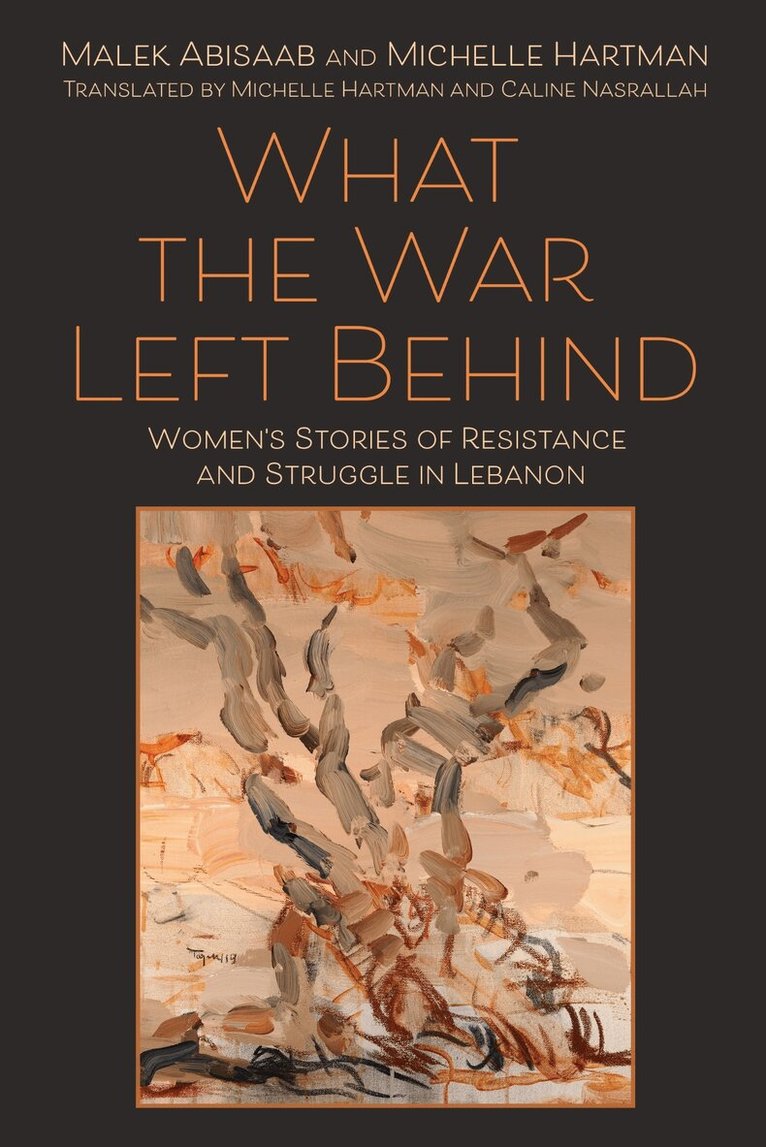
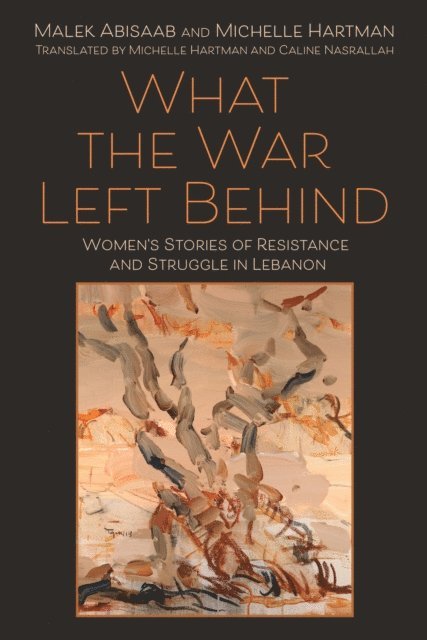
What the War Left Behind
Women's Stories of Resistance and Struggle in Lebanon
Av Malek Abisaab, Michelle Hartman
Inbunden, 2024
823 kr
Lägg i varukorg
Conspicuously missing from narratives of the Lebanese Civil War are the stories of women who took part in daily social activism and political organizing during the tumultuous conflict. What the War Left Behind documents their stories, with eight women directly sharing their experiences of action …
What the War Left Behind
Women's Stories of Resistance and Struggle in Lebanon
Av Malek Abisaab, Michelle Hartman
Häftad, 2024
396 kr
Lägg i varukorg
Conspicuously missing from narratives of the Lebanese Civil War are the stories of women who took part in daily social activism and political organizing during the tumultuous conflict. What the War Left Behind documents their stories, with eight women directly sharing their experiences of action …
Militant Women of a Fragile Nation
E-bok, 2010
589 kr
Lägg i varukorg
In Militant Women of a Fragile Nation, Malek Abisaab takes a gendered approach to labor conflicts, anticolonial struggles, and citizenship in modern Lebanon. The author traces the conditions and experiences of women workers at the French Tobacco Monopoly.
Shi'ites of Lebanon
Modernism, Communism, and Hizbullah''s Islamists
E-bok, 2014
410 kr
Lägg i varukorg
The complex history of Lebanese Shi‘ites has traditionally been portrayed as rooted in religious and sectarian forces. The Abisaabs uncover a more nuanced account in which colonialism, the modern state, social class, and provincial politics profoundly shaped Shi‘i society. The authors trace the …
Women's War Stories
The Lebanese Civil War, Women’s Labor, and the Creative Arts
Av Malek Abisaab, Michelle Hartman
E-bok, 2022
375 kr
Lägg i varukorg
Women have consistently been left out of the official writing of Lebanese history, and nowhere is this more obvious than in writing on the Lebanese Civil War. As more and more histories of the war begin to circulate, few include any in-depth discussion of the multiple roles women played in wartime …
What the War Left Behind
Women''s Stories of Resistance and Struggle in Lebanon
Av Michelle Hartman, Malek Abisaab
E-bok, 2024
468 kr
Lägg i varukorg
Conspicuously missing from narratives of the Lebanese Civil War are the stories of women who took part in daily social activism and political organizing during the tumultuous conflict. What the War Left Behind documents their stories, with eight women directly sharing their experiences of action …
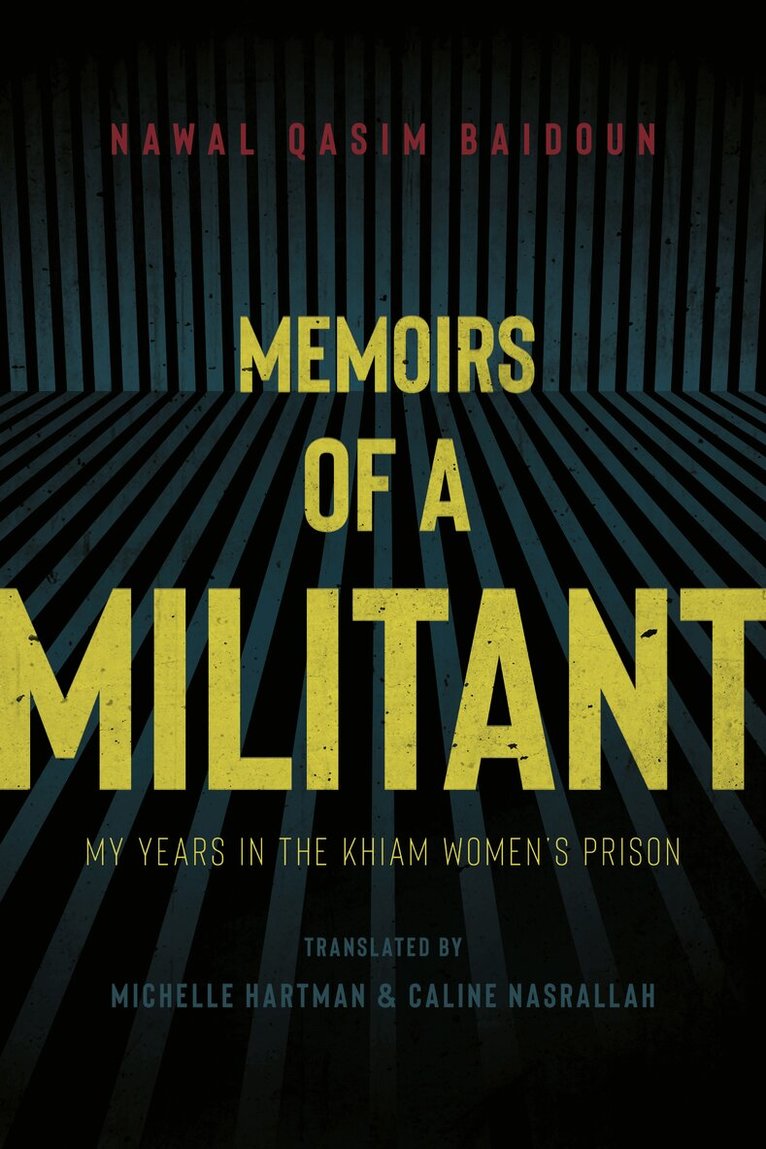
Memoirs of a Militant
My Years In The Khiam Women's Prison
Av Nawal Baidoun, Caline Nasrallah m. fl.
Häftad, 2021
216 kr
Lägg i varukorg