Mantha Zarmakoupi - Böcker
Visar alla böcker från författaren Mantha Zarmakoupi. Handla med fri frakt och snabb leverans.
6 produkter
6 produkter
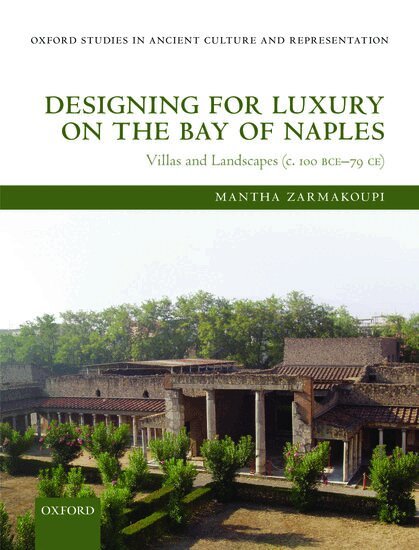
Designing for Luxury on the Bay of Naples
Villas and Landscapes (c. 100 BCE-79 CE)
Inbunden, Engelska, 2014
2 662 kr
Skickas inom 5-8 vardagar
This study explores Roman luxury villa architecture and the Roman luxury villa lifestyle to shed light on the villas' design as a dynamic process related to cultural, social, and environmental factors. Roman villas expressed a novel architectural language which was developed by designers appropriating the existing stylistic and thematic vocabularies of Hellenistic and Roman architecture. Zarmakoupi seeks to describe and explain the ways in which this architecture accommodated the lifestyle of educated leisure and an appreciation of the Roman landscape, and how, in doing so, it became a cultural phenomenon and a crucial element in the construction of Roman cultural identity. In their effort to accommodate the Greek style, Romans created something completely unprecedented in the history of architecture. Through an analysis of five villas from around the bay of Naples (c. 100 BCE - 79 CE), the volume shows that in designing for luxury, Romans developed a sophisticated interplay between architecture and landscape, an interplay which is still seen in architectural design today.
1 459 kr
Kommande
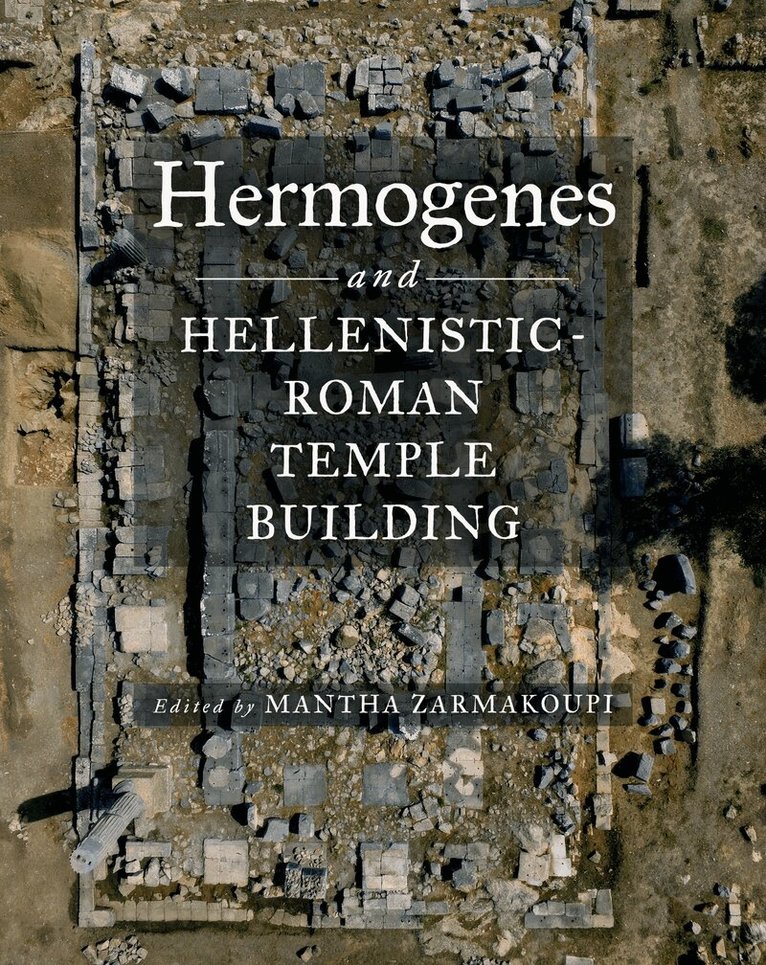
Recent major excavations at a variety of sites associated with Hermogenes have refreshed, invigorated, and refined our understanding of this important Hellenistic architect. Here, in the first volume dedicated to him in more than two decades, new evidence and multivocal analysis allow for fresh contextualization, offering new insights into ancient Greek and Roman architecture and the sociopolitical factors that informed it. Hermogenes remains perhaps the most influential and famous designer of the Hellenistic world, although he is known primarily via the first-century BCE Roman architect Vitruvius, who credited his Greek predecessor with major accomplishments. Despite his comparative fame, the paucity of sources has left Hermogenes’ legacy obscured. This volume updates the evidence, reevaluates this highly significant figure, and reintroduces crucial innovations in the ancient Greek world—innovations that continue to be influential today.
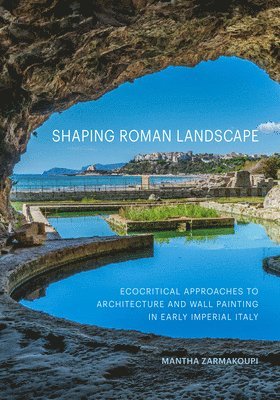
Shaping Roman Landscape
Ecocritical Approaches to Architecture and Decoration in Early Imperial Italy
Inbunden, Engelska, 2023
556 kr
Skickas inom 7-10 vardagar
"Landscape emerged as a significant theme in the Roman Late Republican and Early Imperial periods. Writers described landscape in texts and treatises, its qualities were praised and sought out in everyday life, and contemporary perceptions of the natural and built environment, as well as ideas about nature and art, were intertwined with architectural and decorative trends. This generously illustrated volume examines how representations of real and depicted landscapes, and the merging of both in visual space, contributed to the creation of novel languages of art and architecture. Drawing on a diverse body of archaeological, art historical, and literary evidence, this study applies a groundbreaking ecocritical lens that moves beyond the limits of traditional iconography. Chapters consider, for example, how garden designs and paintings appropriated the cultures and ecosystems brought under Roman control and the ways miniature landscape paintings chronicled the transformation of the Italian shoreline with colonnaded villas, pointing to the changing relationship of humans with nature. Making a timely and original contribution to current discourses on ecology and art and architectural history, Shaping Roman Landscape reveals how Roman ideas of landscape, and the decorative strategies at imperial domus and villa complexes that gave these ideas shape, were richly embedded with meanings of nature, culture, and labor. ""A fresh and original perspective on Roman landscape painting and architecture, this book integrates these artistic forms into an ecocritical approach examining Roman attitudes toward landscape and nature more broadly. It confirms my belief that art and material culture truly come alive as essential sources for understanding the ancient world when studied within the complete tapestry of ancient life experience and thought. The book's exquisite presentation, complemented by a wealth of stunning images, adds an extra layer of enjoyment to the reading experience."-Barbara E. Borg, Professor of Classical Archeology, Scuola Normale Superiore"Combining a deep understanding of ancient architecture and visual culture with ecocritical approaches to environmental design, Shaping Roman Landscape offers a fresh and timely account of the relationship between landscape, representation, and empire in Roman Italy. Through astute and beautifully illustrated analysis, Mantha Zarmakoupi carefully navigates shifting tensions between the Roman elite's sensitivity to nature and climate, on one hand, and their urge to master and aestheticize both space and people and flora and fauna, on the other."-Verity Platt, Professor of Classics and History of Art, Cornell University“This is a bold and meticulously researched attempt to understand how the ancient Romans thought about landscape. It encompasses a wide range of evidence—all beautifully illustrated: from architectural plans of urban parks or country villas to framed panel paintings of rural sanctuaries or palatial residences. And it offers a novel and persuasive picture of the interrelationship of nature and the built environment—‘a way of seeing’—that is distinctively Roman.”—Chris Hallett, U.C. Berkeley, History of Art
406 kr
Skickas inom 7-10 vardagar
Villa of the Papyri at Herculaneum
Archaeology, Reception, and Digital Reconstruction
Inbunden, Engelska, 2010
2 623 kr
Skickas inom 5-8 vardagar
The Villa of the Papyri is a unique archaeological site and has been very influential in the field of classical studies. The papyri (the only intact library to survive from Greco-Roman antiquity) and bronze sculptures found in the villa have contributed to our knowledge of the ancient world and the villa has become for us the “ideal model” of Roman luxury villa culture.This volume brings together papers delivered by experts in various fields addressing the cultural significance of this ancient site in its contemporary Roman context as well as its cultural reception from its discovery over two hundred and fifty years ago to the most recent excavations in the late twentieth century. They also explore the ways in which digital archaeology can assist our efforts to understand and investigate ancient sites. Topics treated include the Villa’s architecture, decoration, and content (i.e., wall-paintings, sculptures, and papyri); their reception since the 18th century; and the current state of knowledge based on the recent partial excavations in the Villa, presented here in English for the first time. Furthermore, the use of digital models of the Villa that incorporate the data from the new excavations and a discussion on the ways in which such models may be used for educational and research purposes are also presented.
Del 1 - Sozomena
Villa of the Papyri at Herculaneum
Archaeology, Reception, and Digital Reconstruction
Häftad, Engelska, 2016
373 kr
Skickas inom 3-6 vardagar
The Villa of the Papyri is a unique archaeological site and has been very influential in the field of classical studies. The papyri (the only intact library to survive from Greco-Roman antiquity) and bronze sculptures found in the villa have contributed to our knowledge of the ancient world and the villa has become for us the “ideal model” of Roman luxury villa culture.This volume brings together papers delivered by experts in various fields addressing the cultural significance of this ancient site in its contemporary Roman context as well as its cultural reception from its discovery over two hundred and fifty years ago to the most recent excavations in the late twentieth century. They also explore the ways in which digital archaeology can assist our efforts to understand and investigate ancient sites. Topics treated include the Villa’s architecture, decoration, and content (i.e., wall-paintings, sculptures, and papyri); their reception since the 18th century; and the current state of knowledge based on the recent partial excavations in the Villa, presented here in English for the first time. Furthermore, the use of digital models of the Villa that incorporate the data from the new excavations and a discussion on the ways in which such models may be used for educational and research purposes are also presented.