Simon Richards - Böcker
Visar alla böcker från författaren Simon Richards. Handla med fri frakt och snabb leverans.
5 produkter
5 produkter
2 021 kr
Skickas inom 10-15 vardagar
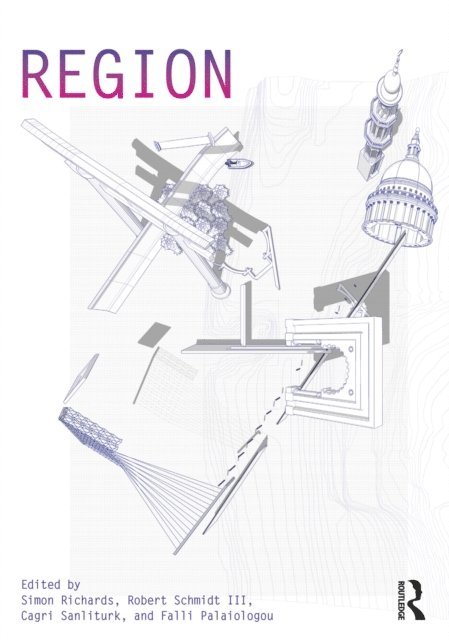
This book explores how the concept of ‘region’ has evolved over time and shaped architectural culture and practice. It questions what the words ‘region’ and ‘regional’ mean for architecture, cities and landscapes past and present, and speculates on the forms they might take in the future. Region is explored in many thematic guises: as a real geographical site of evolving socio-economic activity; as a mythical locus of enduring value; as a gatekeeper of indigenous crafts and vernacular techniques; as a site of architectural and artistic imagination; as a repository of contested, conflicted and mobile identities. The contributing chapters take these themes from the theoretical and literary page through to architectural and urban practice, and from the scale of the domestic hearth through to the ocean archipelago and international law, enriching the long-standing trope of viewing architectural regionalism purely as a matter of style. Curated into four key thematic areas – Theorised Regions, Contested Regions, Heritage Regions and Future Regions – the book incorporates the values, concerns and approaches of a truly diverse international community of scholars, curators and practitioners, as well as the design work of international students tasked to explore what region means to them.
582 kr
Skickas inom 10-15 vardagar
This book explores how the concept of ‘region’ has evolved over time and shaped architectural culture and practice. It questions what the words ‘region’ and ‘regional’ mean for architecture, cities and landscapes past and present, and speculates on the forms they might take in the future. Region is explored in many thematic guises: as a real geographical site of evolving socio-economic activity; as a mythical locus of enduring value; as a gatekeeper of indigenous crafts and vernacular techniques; as a site of architectural and artistic imagination; as a repository of contested, conflicted and mobile identities. The contributing chapters take these themes from the theoretical and literary page through to architectural and urban practice, and from the scale of the domestic hearth through to the ocean archipelago and international law, enriching the long-standing trope of viewing architectural regionalism purely as a matter of style. Curated into four key thematic areas – Theorised Regions, Contested Regions, Heritage Regions and Future Regions – the book incorporates the values, concerns and approaches of a truly diverse international community of scholars, curators and practitioners, as well as the design work of international students tasked to explore what region means to them.
Architect Knows Best
Environmental Determinism in Architecture Culture from 1956 to the Present
Häftad, Engelska, 2016
778 kr
Skickas inom 10-15 vardagar
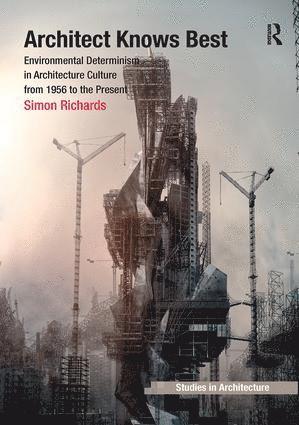
The idea that buildings could be used to reform human behaviour and improve society was fundamental to the 'modernist' architecture and planning of people like Walter Gropius, Le Corbusier and José Luis Sert in the first half of the 20th century. Their proposals for functional zoning, multi-level transport, high-rise living, and machine-inspired aesthetics came under attack from the 1950s onwards, and many alternative approaches to architecture and planning emerged. It was thought that the environmental determinist strand of the discourse was killed off at this time as well. This book argues that it was not, but on the contrary, that it has deepened and diversified. Many of the most prominent architect-planners continue to design with a view to improving the behaviour of individual people and of society at large. By looking at - and interviewing - major figures and movements of recent years in Britain, Europe and America, including Léon Krier, Peter Eisenman, Andrés Duany, Jane Jacobs, Robert Venturi and Denise Scott Brown, it demonstrates the myriad ways that architect-planners seek to shape human behaviour through buildings. In doing so, the book raises awareness of this strand within the discourse and examines its different purposes and manifestations. It questions whether it is an ineradicable and beneficial part of architecture and planning, or a regrettable throwback to a more authoritarian phase, discusses why is it seldom acknowledged directly and whether it could be handled more responsibly and with greater understanding. Richards does not provide any simple solutions but in conclusion, is critical of architect-planners who abuse the rhetoric of social reform simply to leverage their attempts to secure building commissions, while being more sympathetic towards those who appear to have a sincere desire to improve society through their buildings.
Architect Knows Best
Environmental Determinism in Architecture Culture from 1956 to the Present
Inbunden, Engelska, 2012
2 230 kr
Skickas inom 10-15 vardagar
The idea that buildings could be used to reform human behaviour and improve society was fundamental to the 'modernist' architecture and planning of people like Walter Gropius, Le Corbusier and José Luis Sert in the first half of the 20th century. Their proposals for functional zoning, multi-level transport, high-rise living, and machine-inspired aesthetics came under attack from the 1950s onwards, and many alternative approaches to architecture and planning emerged. It was thought that the environmental determinist strand of the discourse was killed off at this time as well. This book argues that it was not, but on the contrary, that it has deepened and diversified. Many of the most prominent architect-planners continue to design with a view to improving the behaviour of individual people and of society at large. By looking at - and interviewing - major figures and movements of recent years in Britain, Europe and America, including Léon Krier, Peter Eisenman, Andrés Duany, Jane Jacobs, Robert Venturi and Denise Scott Brown, it demonstrates the myriad ways that architect-planners seek to shape human behaviour through buildings. In doing so, the book raises awareness of this strand within the discourse and examines its different purposes and manifestations. It questions whether it is an ineradicable and beneficial part of architecture and planning, or a regrettable throwback to a more authoritarian phase, discusses why is it seldom acknowledged directly and whether it could be handled more responsibly and with greater understanding. Richards does not provide any simple solutions but in conclusion, is critical of architect-planners who abuse the rhetoric of social reform simply to leverage their attempts to secure building commissions, while being more sympathetic towards those who appear to have a sincere desire to improve society through their buildings.
408 kr
Skickas inom 7-10 vardagar