Robert Schmidt III - Böcker
Visar alla böcker från författaren Robert Schmidt III. Handla med fri frakt och snabb leverans.
4 produkter
4 produkter
2 635 kr
Skickas inom 10-15 vardagar
Adaptable Architecture provides thought-provoking and inquisitive insights into how we can prolong the useful life of buildings by designing them to be more adaptable, and hence create a more sustainable built environment. The book provides a theoretical foundation counterpointed by the experiences and ideas of those involved in the design and use of buildings. It explains many approaches to designing for change, with lessons from history, and case studies including The Cedar Rapids Public Library, Kentish Town Health Centre and Folkestone Performing Arts Centre, which stretch our thinking beyond the conventional notions of adaptability. The authors reveal the many conditions that make it a complex design phenomenon, by considering the purpose, design and business case of buildings as well as the physical product.Full of summaries, diagrams, reference charts, tables, and photos of exemplar solutions for use as conversational tools or working aids, this book is for any professional or student who wants to research, question, imagine, illustrate - and ultimately design for - adaptation.In addition, further information and resources are available through the Adaptable Futures website www.adaptablefutures.com which includes additional case studies, videos, information about industry events and up-to-the-minute developments.
831 kr
Skickas inom 10-15 vardagar
Adaptable Architecture provides thought-provoking and inquisitive insights into how we can prolong the useful life of buildings by designing them to be more adaptable, and hence create a more sustainable built environment. The book provides a theoretical foundation counterpointed by the experiences and ideas of those involved in the design and use of buildings. It explains many approaches to designing for change, with lessons from history, and case studies including The Cedar Rapids Public Library, Kentish Town Health Centre and Folkestone Performing Arts Centre, which stretch our thinking beyond the conventional notions of adaptability. The authors reveal the many conditions that make it a complex design phenomenon, by considering the purpose, design and business case of buildings as well as the physical product.Full of summaries, diagrams, reference charts, tables, and photos of exemplar solutions for use as conversational tools or working aids, this book is for any professional or student who wants to research, question, imagine, illustrate - and ultimately design for - adaptation.In addition, further information and resources are available through the Adaptable Futures website www.adaptablefutures.com which includes additional case studies, videos, information about industry events and up-to-the-minute developments.
2 021 kr
Skickas inom 10-15 vardagar
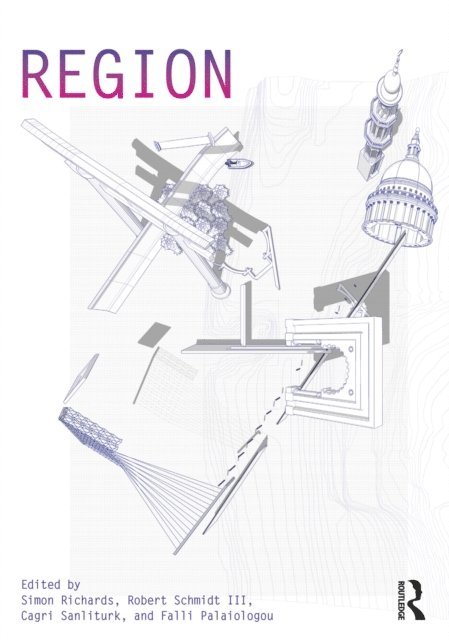
This book explores how the concept of ‘region’ has evolved over time and shaped architectural culture and practice. It questions what the words ‘region’ and ‘regional’ mean for architecture, cities and landscapes past and present, and speculates on the forms they might take in the future. Region is explored in many thematic guises: as a real geographical site of evolving socio-economic activity; as a mythical locus of enduring value; as a gatekeeper of indigenous crafts and vernacular techniques; as a site of architectural and artistic imagination; as a repository of contested, conflicted and mobile identities. The contributing chapters take these themes from the theoretical and literary page through to architectural and urban practice, and from the scale of the domestic hearth through to the ocean archipelago and international law, enriching the long-standing trope of viewing architectural regionalism purely as a matter of style. Curated into four key thematic areas – Theorised Regions, Contested Regions, Heritage Regions and Future Regions – the book incorporates the values, concerns and approaches of a truly diverse international community of scholars, curators and practitioners, as well as the design work of international students tasked to explore what region means to them.
582 kr
Skickas inom 10-15 vardagar
This book explores how the concept of ‘region’ has evolved over time and shaped architectural culture and practice. It questions what the words ‘region’ and ‘regional’ mean for architecture, cities and landscapes past and present, and speculates on the forms they might take in the future. Region is explored in many thematic guises: as a real geographical site of evolving socio-economic activity; as a mythical locus of enduring value; as a gatekeeper of indigenous crafts and vernacular techniques; as a site of architectural and artistic imagination; as a repository of contested, conflicted and mobile identities. The contributing chapters take these themes from the theoretical and literary page through to architectural and urban practice, and from the scale of the domestic hearth through to the ocean archipelago and international law, enriching the long-standing trope of viewing architectural regionalism purely as a matter of style. Curated into four key thematic areas – Theorised Regions, Contested Regions, Heritage Regions and Future Regions – the book incorporates the values, concerns and approaches of a truly diverse international community of scholars, curators and practitioners, as well as the design work of international students tasked to explore what region means to them.