Manu Kapur - Böcker
Visar alla böcker från författaren . Handla med fri frakt och snabb leverans.
4 produkter
4 produkter
243 kr
Skickas inom 7-10 vardagar
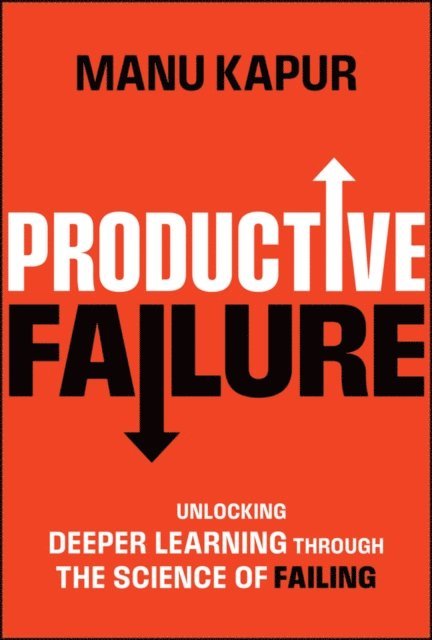
Design for and turn your failures into meaningful learning experiences Written by a leading global expert on human cognition, productive failure, and learning methods, Productive Failure shows you how to design the experience of failing. Research shows that repeated experiences of intriguing, constructive failure can help students (and our own children, and anyone else we lead) develop creativity and learn more deeply. When carefully curated, failure can become a signal for learning, not the noise detracting from it. The result? Learners gain a lifelong readiness to push themselves outside of their comfort zones, using setbacks as launchpads for learning and innovation. The evidence-based principles in this book are powerful, not only in formal schooling contexts, but also for anyone taking charge of and designing their own lifelong learning. From learning a new language or skill to setting up goals that push you past your limits, this book unpacks the science of Productive Failure and describes design principles—and specific strategies built upon them—that let you harness Productive Failure for your own benefit. Learn and understand the science of failureApply the research-based Productive Failure framework in classrooms, teams, groups, and organizational settingsLearn techniques like retrieval practice, generative problem-solving, motivational hacking, culture building, and so on to deepen learning experiencesReach new levels of critical thinking, innovation, and success by making failure the norm, not the exception, and learning how to cope with itThis fascinating and actionable book is a must for educators, parents, managers, leaders, and anyone who needs to help others (or themselves) learn how to learn.
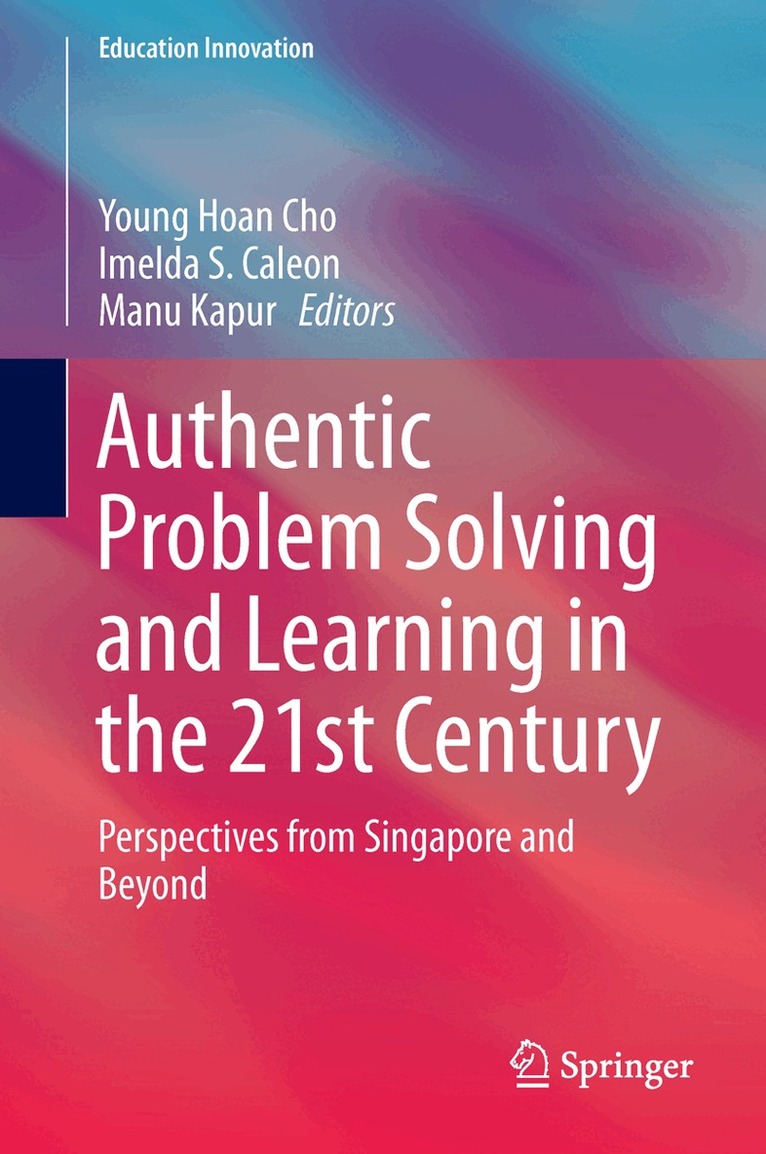
Authentic Problem Solving and Learning in the 21st Century
Perspectives from Singapore and Beyond
Häftad, Engelska, 2016
1 442 kr
Skickas inom 10-15 vardagar
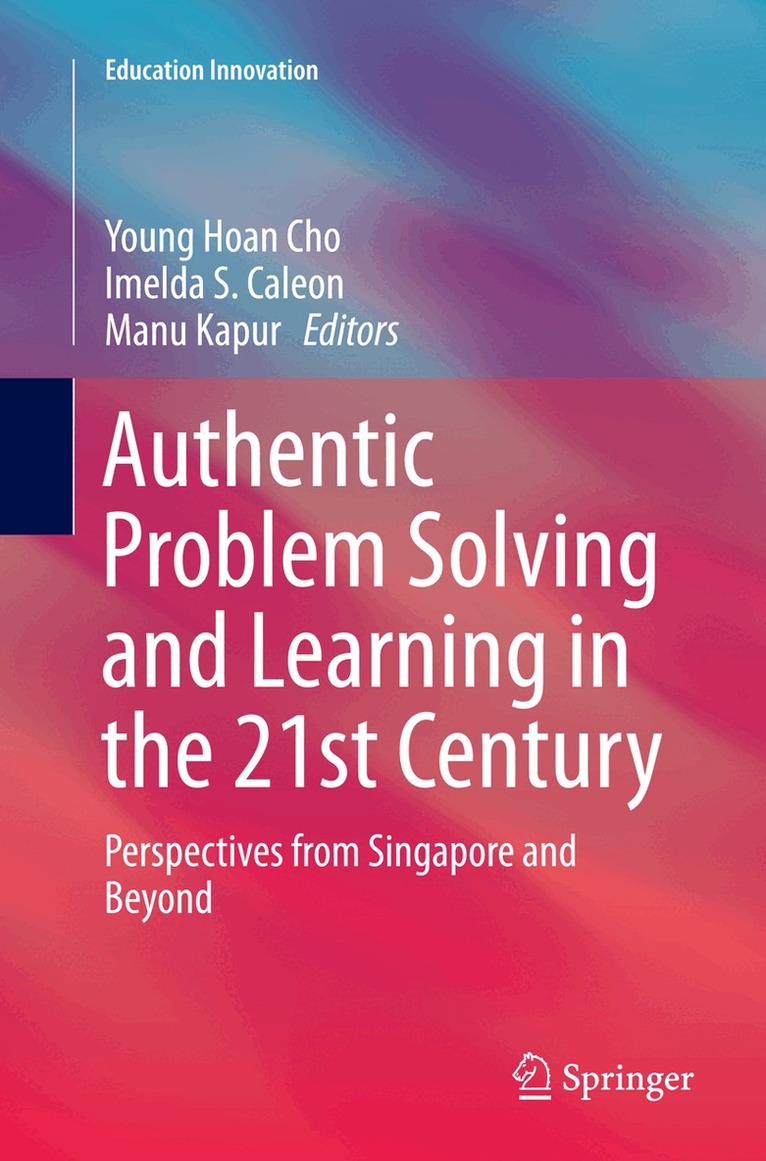
With the rapid changes in the social, political, economic and technological landscape around the world, today’s learners face a more globally competitive job market after leaving school. The 21st century, which is characterized by the emergence of knowledge-based societies, expects learners to be comfortable in dealing with ambiguities and complexities in the real world and to be able to use knowledge as a tool at their workplace. This book will help readers develop an in-depth understanding of authentic problem solving and learning, and how it can be used to make a difference in their school or learning communities for the development of 21st century competencies. Comprising 20 chapters written by Singapore-based and international authors, the book is organized into three themes: authentic problems, authentic practices, and authentic participation. It details innovative school practices (e.g. productive failure) concerning the design of problems, learning activities, learning environments, and ICT tools for authentic problem solving and learning. Along with theoretical explanations of authentic learning processes and outcomes, the book also elucidates how students learn by generating and exploring solutions to complex problems and which cognitive functions are needed at different stages of problem-based learning. Presenting coherent descriptions of instructional design principles, successful cases and challenges encountered in K-12 schools and learning communities, the book provides useful information, new insights, and practical guidance for school directors, parents, teachers and researchers seeking to develop authentic learning environments for 21st century learners.
Authentic Problem Solving and Learning in the 21st Century
Perspectives from Singapore and Beyond
Inbunden, Engelska, 2015
1 442 kr
Skickas inom 10-15 vardagar
With the rapid changes in the social, political, economic and technological landscape around the world, today’s learners face a more globally competitive job market after leaving school. The 21st century, which is characterized by the emergence of knowledge-based societies, expects learners to be comfortable in dealing with ambiguities and complexities in the real world and to be able to use knowledge as a tool at their workplace. This book will help readers develop an in-depth understanding of authentic problem solving and learning, and how it can be used to make a difference in their school or learning communities for the development of 21st century competencies. Comprising 20 chapters written by Singapore-based and international authors, the book is organized into three themes: authentic problems, authentic practices, and authentic participation. It details innovative school practices (e.g. productive failure) concerning the design of problems, learning activities, learning environments, and ICT tools for authentic problem solving and learning. Along with theoretical explanations of authentic learning processes and outcomes, the book also elucidates how students learn by generating and exploring solutions to complex problems and which cognitive functions are needed at different stages of problem-based learning. Presenting coherent descriptions of instructional design principles, successful cases and challenges encountered in K-12 schools and learning communities, the book provides useful information, new insights, and practical guidance for school directors, parents, teachers and researchers seeking to develop authentic learning environments for 21st century learners.
Mathematical Problem Solving: Yearbook 2009, Association Of Mathematics Educator
Inbunden, Engelska, 2009
1 409 kr
Skickas inom 5-8 vardagar
This book is the first in the series of the yearbooks of the Association of Mathematics Educators in Singapore. It is highly unique as it addresses a focused theme of mathematics education. The chapters of the book illustrate the immense diversity within the theme and presents research that translates into classroom pedagogies.The chapters of the book illustrate how mathematical problems may be crafted and infused in classroom teaching. Several novel pedagogies, such as learning mathematics through productive failure, problem posing and generative activities are presented in the book. The chapters are comprehensive and laden with evidence-based examples for both mathematics educators and classroom teachers of mathematics. The book is an invaluable contribution towards the already established field of research of mathematical problem solving. It is also a must read for graduate research students and mathematics educators.