Manuel Álvarez Tardío – författare
Visar alla böcker från författaren . Handla med fri frakt och snabb leverans.
7 produkter
7 produkter
Inbunden, Engelska, 2011
1 834 kr
Skickas inom 5-8 vardagar
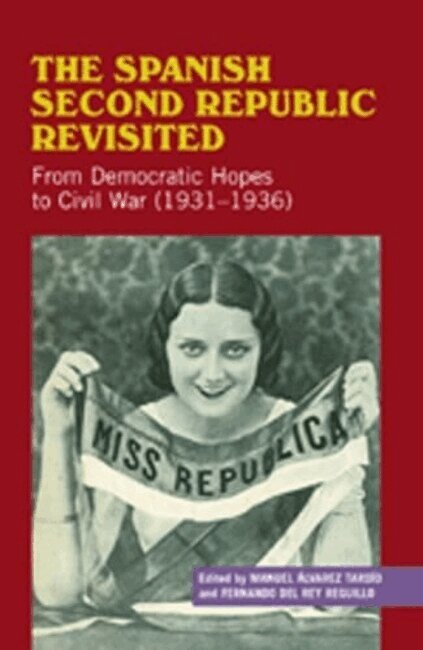
The Spanish Civil War is one of the most studied events in modern European history. Its origins, that is to say the politics of the Second Republic (1931-1936), have been much debated. The republican period has been much idealised and in particular the myth of Spanish democracy beset by fascism, of which Franco was its leading figure, has been much cultivated. But was this really the case? Recently historians of the Republic have proposed a new and non-ideological perspective on the 1930s. Spain's path was at once different yet in many ways similar to that of Europe during the inter-war period. This book brings together leading and innovative specialists to analyse the main obstacles to the consolidation of democracy in Spain and to debate the principal stereotypes of the traditional historiography of both left and right. The issues addressed include: the breakdown of democracy; whether the CEDA was an opportunity or a threat; the centrist appeal under the Republic; how the elections were viewed and conducted; the transformation of fascism; new revelations about the Communist party; the politics of exclusion at the local level; the perceived necessity for repression; new perspectives on the Civil Guard; the role of intellectuals in the Republic; and revisionism and sectarian history. The book offers a new and dynamic vision of why Spanish democracy failed to consolidate itself and why it finally fell into the terror of civil war. Essential reading for all those interested in modern European history.
Häftad, Engelska, 2013
502 kr
Skickas inom 5-8 vardagar
The Spanish Civil War is one of the most studied events in modern European history. Its origins, that is to say the politics of the Second Republic (1931-1936), have been much debated. The republican period has been much idealised and in particular the myth of Spanish democracy beset by fascism, of which Franco was its leading figure, has been much cultivated. But was this really the case? Recently historians of the Republic have proposed a new and non-ideological perspective on the 1930s. Spain's path was at once different yet in many ways similar to that of Europe during the inter-war period. This book brings together leading and innovative specialists to analyse the main obstacles to the consolidation of democracy in Spain and to debate the principal stereotypes of the traditional historiography of both left and right. The issues addressed include: the breakdown of democracy; whether the CEDA was an opportunity or a threat; the centrist appeal under the Republic; how the elections were viewed and conducted; the transformation of fascism; new revelations about the Communist party; the politics of exclusion at the local level; the perceived necessity for repression; new perspectives on the Civil Guard; the role of intellectuals in the Republic; and revisionism and sectarian history. The book offers a new and dynamic vision of why Spanish democracy failed to consolidate itself and why it finally fell into the terror of civil war. Essential reading for all those interested in modern European history.
Inbunden, Engelska, 2018
1 834 kr
Skickas inom 5-8 vardagar
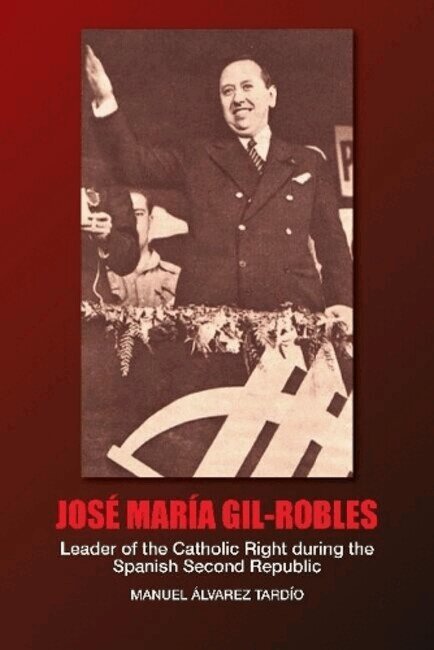
Jose Maria Gil-Robles (18981980) was one of the major protagonists of twentieth-century Spanish politics. He founded the CEDA, the first modern party of the Spanish right, and did so during the Second Republic of 193136, at a critical moment for conservative Catholics opposed to several aspects of the new constitution. He sought to create a new legalist, possibilist right-wing movement that could win at the ballot box and demonstrate its strength in parliament. He achieved a great electoral victory in November 1933, but did not succeed in becoming prime minister. The left considered him a danger to the republican regime. In July 1936, after another election and a tense spring, there was an attempted coup detat, and the Civil War began. This brought a definitive end to party politics and, therefore, to the experience of the CEDA. From that point Gil-Robles lived in Portugal, and did not return to Spain until the 1950s. He supported the Allies during the Second World War, and argued for the restoration of the Spanish monarchy. He also played an important role in inspiring new movements for Christian Democracy. This book is an account of the republican period in the life of Gil-Robles. It is the first thoroughly-researched biography that examines in a balanced, well-documented manner the paramount, though still problematic, contribution he made to the democratization of Spanish conservative politics. It responds to certain crucial questions as to why the CEDA was unsuccessful, and what were the obstacles that it encountered in its attempts to amend the republican system. Equally, it also analyses the manner in which Gil-Robles led the forces of conservatism, one based on tenets that were clearly distant from fascism but equally opposed both to Marxism and liberal individualism.
E-bok
Spanska, 2017229 kr
Läs direkt efter köp
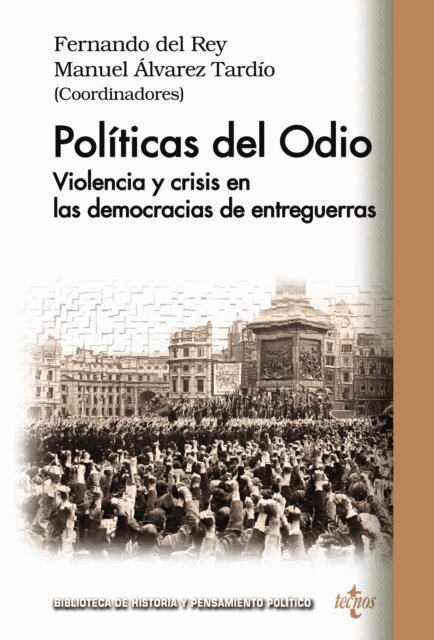
Tras el final de la Primera Guerra Mundial (1914 -1918) se produce en el mundo un proceso de aceleracion de cambios politicos provocados por las consecuencias traumaticas del conflicto belico que se acaba de cerrar, y que lejos de lograr la paz y la cooperacion entre los pueblos y estados enfrentados en los campos de batalla , supuso un periodo de convulsiones sociales y economicas que llevarian a un nuevo conflicto militar, tambien de caracter mundial , con resultados devastadores para la humanidad. Esta obra en la que participan mas de 20 especialistas universitarios en historia y politica y cuyos textos en diferentes escenarios geopoliticos van acompanados de casi 50 imagenes de la epoca, nos sirve para comprender por que las crisis y conflictos locales vividos por el mundo de entreguerras no fueron episodios aislados entre si, sino el preludio argumental de la gran tragedia global que estaba a punto de estallar al finalizar la decada de 1930.
E-bok
Spanska, 2024198 kr
Läs direkt efter köp
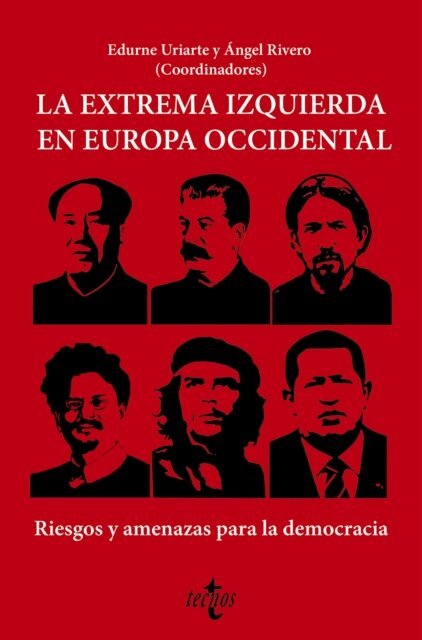
En esta obra analizaremos los partidos de extrema izquierda con una significativa representacion electoral y/o con una influencia relevante en el sistema politico de cada pais. Esto incluye el analisis de partidos de notable representacion electoral, como Unidas Podemos, y tambien partidos mas pequenos, como los partidos nacionalistas de extrema izquierda en Espana, como Bildu y ERC, que tienen una importante influencia en el sistema politico espanol.
E-bok
Spanska, 2025260 kr
Läs direkt efter köp
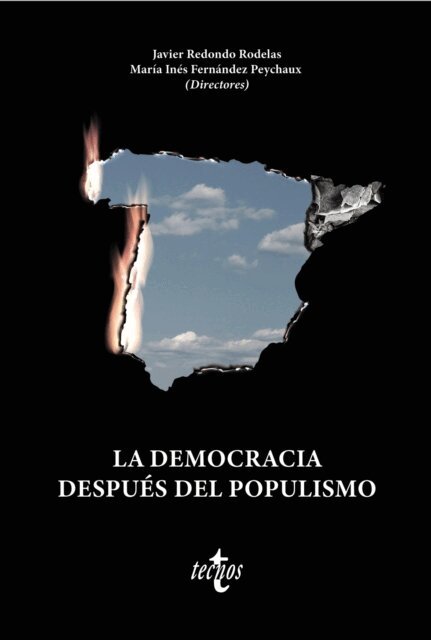
Lo clasico es lo que no se puede hacer mejor. Las democracias de posguerra se rearmaron sobre estos pilares: la aceptacion de la economia de mercado, la division de poderes, el reconocimiento del pluralismo y alternancia politicas, un amplio regimen de libertades, el ensanchamiento del Estado social y la cooperacion entre sociedades abiertas para preservar la paz. Tras la caida del Muro de Berlin, este consenso fue cuestionado. Bajo el pretexto de la crisis de la representacion, corrientes posmarxistas exigieron "e;mas democracia"e;. Posteriormente, la crisis de deuda de 2008 permitio el repunte de movimientos antipoliticos, soberanistas y antielitistas. La (primera) victoria de Trump en Estados Unidos permitio el despliegue de un amplio abanico de titulos sobre el declive de las democracias y el auge de los populismos. La democracia despues del populismo no expone las razones que explican la crecida populista. Desde la Filosofia, plantea una defensa de la politica y democracia en su sentido clasico y contemporaneo: Ley, representacion, participacion y verdad. Los populismos ya han penetrado y contaminado las instituciones democraticas. Este libro no se centra en explicar por que sucedio sino en como ocurrio. Desde enfoques propios del analisis politico, se analizan los metodos y tecnicas que han desplegado las fuerzas antipoliticas para deteriorar nuestro modelo de convivencia. Espana no es una excepcion. Nuestra democracia tambien ha sido danada por la retorica, programa, puesta en escena y politicas populistas. Las democracias asisten perplejas a una mutacion y desviacion; el mundo y las generaciones futuras se encaminan hacia un nuevo paradigma.
E-bok
Spanska, 2011111 kr
Läs direkt efter köp
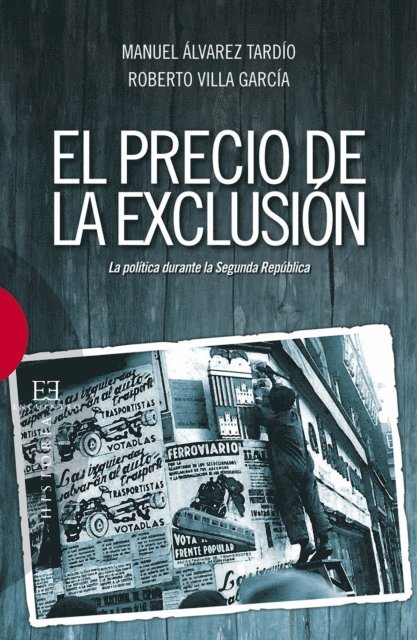
La Segunda República continúa suscitando enorme interés en la política y la sociedad española. Sin embargo, las claves políticas del régimen republicano siguen siendo en gran medida desconocidas: ¿Qué concepción de la democracia proyectaron los fundadores de la República? ¿Por qué dio alas a quienes propiciaban una política de exclusión y marginó a los moderados? ¿En qué medida la polarización y la violencia políticas fueron consecuencia de determinadas leyes? ¿Cómo reaccionaron los conservadores y cómo contribuyeron a las lógicas de exclusión? ¿Qué efectos tuvo el acceso al voto de las mujeres? ¿Hubo una verdadera separación de poderes? ¿Qué papel jugaron las diferentes facciones políticas durante la República? El precio de la exclusión ofrece una interpretación global de la relación entre partidos, elecciones, movilización y violencia política durante esta época fundamental de la reciente historia de España.