Roberto Villa Garcia – författare
Visar alla böcker från författaren Roberto Villa Garcia. Handla med fri frakt och snabb leverans.
3 produkter
3 produkter
Inbunden, Engelska, 2020
1 872 kr
Skickas inom 5-8 vardagar
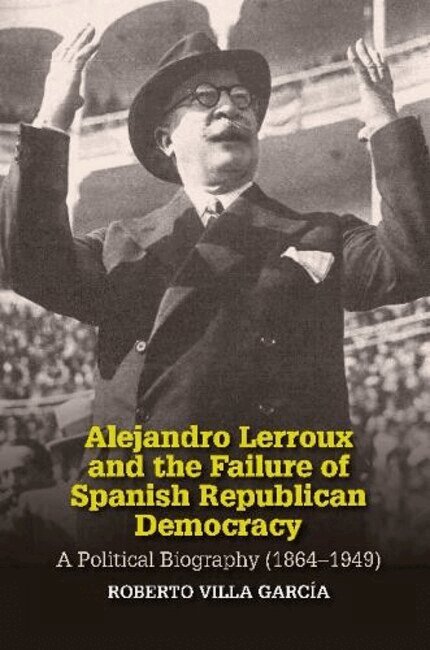
Alejandro Lerroux (18641949) was one of the most polemical figures of early twentieth century Spanish politics. As leader of the Radical Republican Party and six-time prime minister between 1933 and 1935, his admirers saw him as a patriot determined to create a Republic for all citizens, while his critics denounced him as an opportunistic demagogue willing to sacrifice the Republic to its enemies. Like his French republican contemporary Georges Clemenceau, Lerrouxs long political journey took him from the fiery radical leftism of his youth to centrist consensual politics. Thus while Lerroux was the most significant advocate of a revolutionary break with Spains monarchical and authoritarian past before 1931, after the proclamation of the Second Republic he wished to build an inclusive and tolerant democracy. This book is the first scholarly biography in any language of this titan of modern Spanish politics. Nigel Townsons The Crisis of Democracy in Spain (2000) is the only book in English to discuss Lerrouxs career in any detail, but his study is restricted to the Second Republic. Utilising neglected primary material, Villa Garcia argues that Lerroux embodies the transition from the elitist liberal politics of the nineteenth century to the modern mass politics of the twentieth. Like the Second Republic itself, Lerrouxs political career ended in failure. The work is a timely reminder to students of modern Spain that the demise of Republican democracy was not inevitable. Nevertheless, after the abrupt end to Lerrouxs effort to sustain a broadly based moderate and democratic government, Spain would never again achieve stable and constitutional rule until 1977. The political defeat of Lerroux was a major turning point in the countrys history, a fateful step in the failure of democracy and the coming of civil war.
Häftad, Engelska, 2020
590 kr
Skickas inom 5-8 vardagar
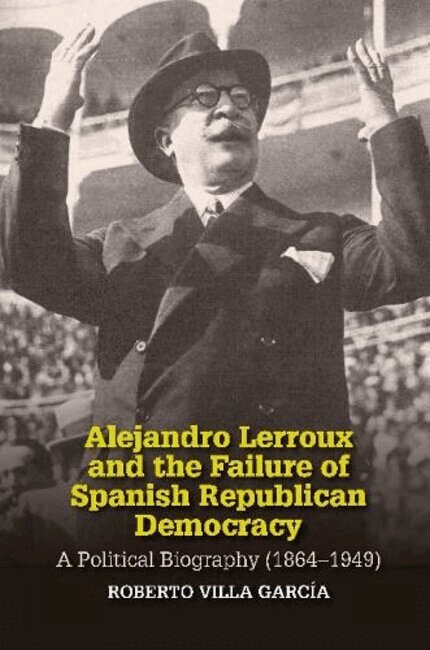
Alejandro Lerroux (18641949) was one of the most polemical figures of early twentieth century Spanish politics. As leader of the Radical Republican Party and six-time prime minister between 1933 and 1935, his admirers saw him as a patriot determined to create a Republic for all citizens, while his critics denounced him as an opportunistic demagogue willing to sacrifice the Republic to its enemies. Like his French republican contemporary Georges Clemenceau, Lerrouxs long political journey took him from the fiery radical leftism of his youth to centrist consensual politics. Thus while Lerroux was the most significant advocate of a revolutionary break with Spains monarchical and authoritarian past before 1931, after the proclamation of the Second Republic he wished to build an inclusive and tolerant democracy. This book is the first scholarly biography in any language of this titan of modern Spanish politics. Nigel Townsons The Crisis of Democracy in Spain (2000) is the only book in English to discuss Lerrouxs career in any detail, but his study is restricted to the Second Republic. Utilising neglected primary material, Villa Garcia argues that Lerroux embodies the transition from the elitist liberal politics of the nineteenth century to the modern mass politics of the twentieth. Like the Second Republic itself, Lerrouxs political career ended in failure. The work is a timely reminder to students of modern Spain that the demise of Republican democracy was not inevitable. Nevertheless, after the abrupt end to Lerrouxs effort to sustain a broadly based moderate and democratic government, Spain would never again achieve stable and constitutional rule until 1977. The political defeat of Lerroux was a major turning point in the countrys history, a fateful step in the failure of democracy and the coming of civil war.
E-bok
Spanska, 2011108 kr
Läs direkt efter köp
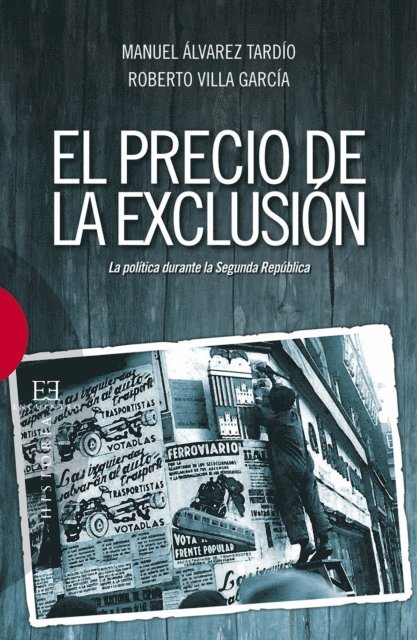
La Segunda República continúa suscitando enorme interés en la política y la sociedad española. Sin embargo, las claves políticas del régimen republicano siguen siendo en gran medida desconocidas: ¿Qué concepción de la democracia proyectaron los fundadores de la República? ¿Por qué dio alas a quienes propiciaban una política de exclusión y marginó a los moderados? ¿En qué medida la polarización y la violencia políticas fueron consecuencia de determinadas leyes? ¿Cómo reaccionaron los conservadores y cómo contribuyeron a las lógicas de exclusión? ¿Qué efectos tuvo el acceso al voto de las mujeres? ¿Hubo una verdadera separación de poderes? ¿Qué papel jugaron las diferentes facciones políticas durante la República? El precio de la exclusión ofrece una interpretación global de la relación entre partidos, elecciones, movilización y violencia política durante esta época fundamental de la reciente historia de España.