Manuel Dominguez-Rodrigo – författare
Visar alla böcker från författaren Manuel Dominguez-Rodrigo. Handla med fri frakt och snabb leverans.
6 produkter
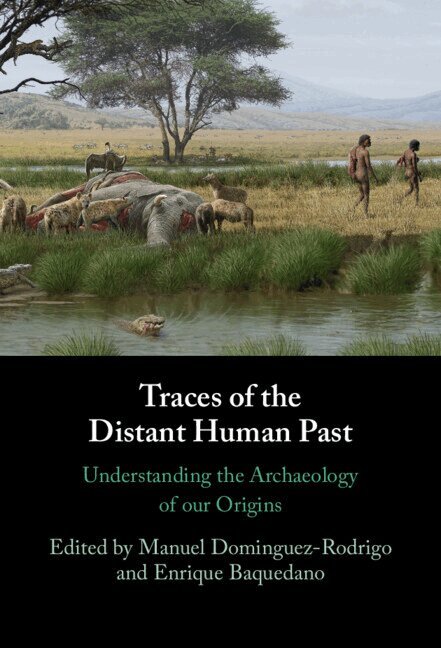
Traces of the Distant Human Past
Understanding the Archaeology of our Origins
Av Manuel Dominguez-Rodrigo, Enrique Baquedano
Inbunden, 2026
1610 kr
Lägg i varukorg
Traces of the Distant Human Past offers a critical examination of early human behavior by challenging traditional narratives and pushing for a more scientific, theoretically informed approach to archaeology. Emphasizing the importance of understanding early humans within their environmental …
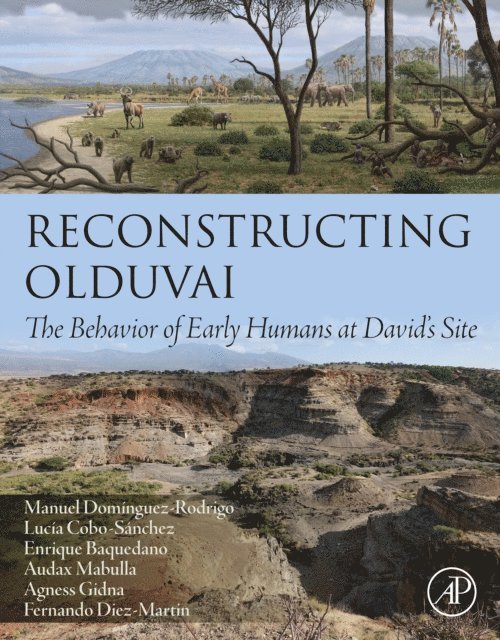
Reconstructing Olduvai
The Behavior of Early Humans at David''s Site
Av Fernando Diez-Martin, Agness Gidna m. fl.
E-bok, 2024
2188 kr
Lägg i varukorg
Reconstructing Olduvai: The Behavior of Early Humans at David''s Site provides the necessary information for future generations of archaeologists to peer into the lifestyle of early humans. Much of what is known about these hominins originates from the detailed excavations that Mary Leakey carried …
Traces of the Distant Human Past
Understanding the Archaeology of our Origins
Av Enrique Baquedano, Manuel Dominguez-Rodrigo
E-bok, 2026
1560 kr
Lägg i varukorg
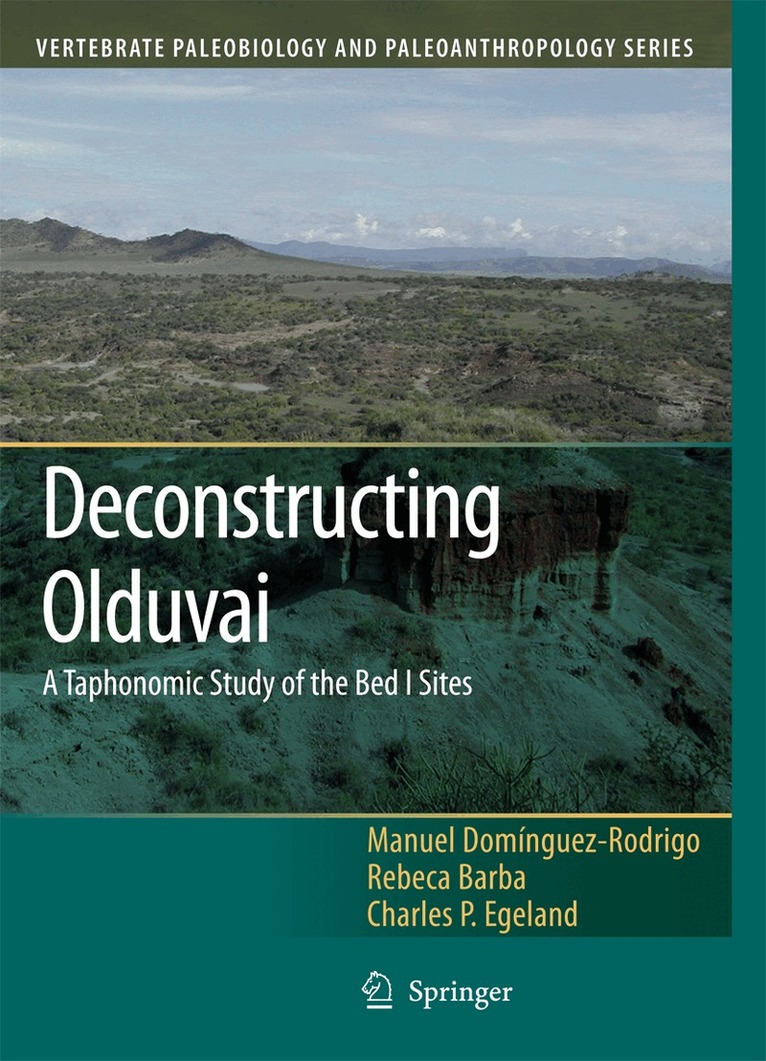
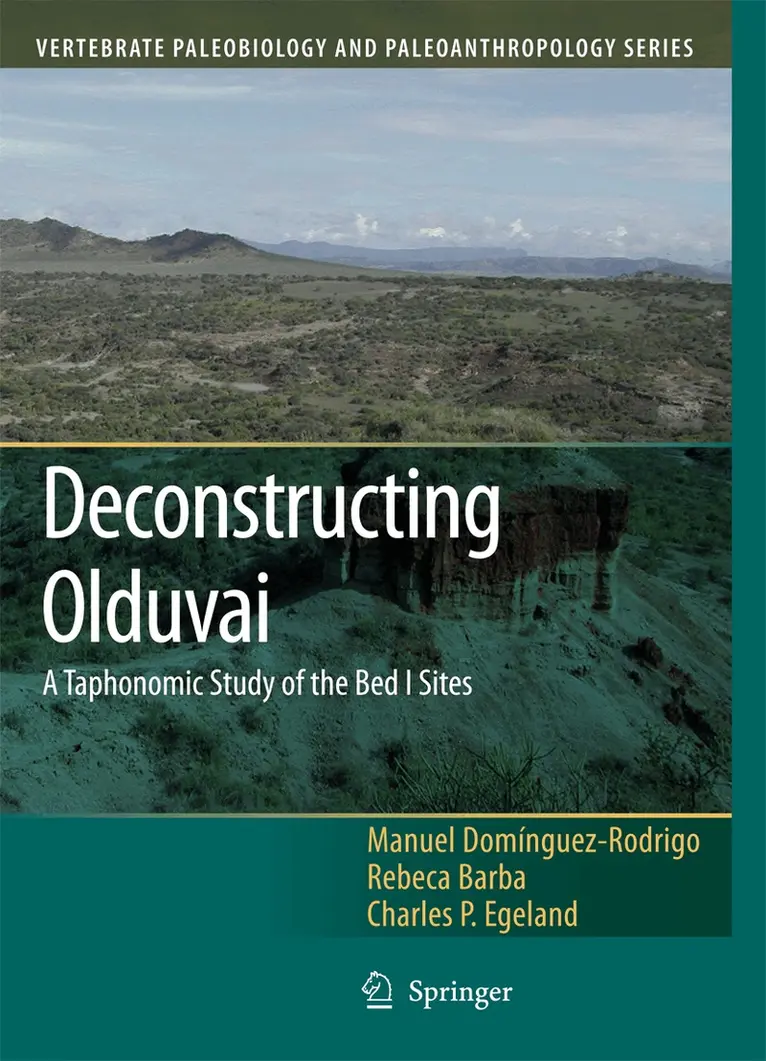
Deconstructing Olduvai: A Taphonomic Study of the Bed I Sites
Av Manuel Domínguez-Rodrigo, Rebeca Barba m. fl.
Inbunden, 2007
568 kr
Lägg i varukorg
Plio-Pleistocene sites are a rare occurrence in same sites. This combination of factors is the archaeological record. When they are unique in East African Plio-Pleistocene uncovered, the faunal materials so crucial to archaeology and has stimulated much debate unlocking their behavioral meaning are …
Deconstructing Olduvai: A Taphonomic Study of the Bed I Sites
Av Charles P. Egeland, Rebeca Barba m. fl.
E-bok, 2007
755 kr
Lägg i varukorg
Plio-Pleistocene sites are a rare occurrence in same sites. This combination of factors is the archaeological record. When they are unique in East African Plio-Pleistocene uncovered, the faunal materials so crucial to archaeology and has stimulated much debate unlocking their behavioral meaning are …
Deconstructing Olduvai: A Taphonomic Study of the Bed I Sites
Av Manuel Domínguez-Rodrigo, Rebeca Barba m. fl.
Häftad, 2014
566 kr
Lägg i varukorg
Plio-Pleistocene sites are a rare occurrence in same sites. This combination of factors is the archaeological record. When they are unique in East African Plio-Pleistocene uncovered, the faunal materials so crucial to archaeology and has stimulated much debate unlocking their behavioral meaning are …