Manuel J. Caro – författare
Visar alla böcker från författaren Manuel J. Caro. Handla med fri frakt och snabb leverans.
4 produkter
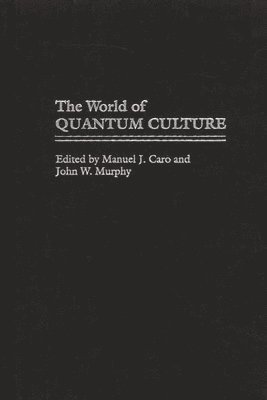
World of Quantum Culture
Inbunden, 2002
1067 kr
Lägg i varukorg
Caro and Murphy introduce the philosophy of Quantum Aesthetics—a theoretical framework developed by Spanish-language theorists that has spread throughout the world in the last three years—to an English-speaking audience. In order to achieve this, writers from around the world were asked to either …
Globalization with a Human Face
Av Jung Min Choi, John W. Murphy m. fl.
Inbunden, 2004
855 kr
Lägg i varukorg
This collection of essays reflects a wide array of realities and experiences of people from different areas of the world, including England, Nicaragua, Colombia, Spain, and Guatemala. Globalization requires innovation and adaptation, things that are easier for some countries to achieve than others. …
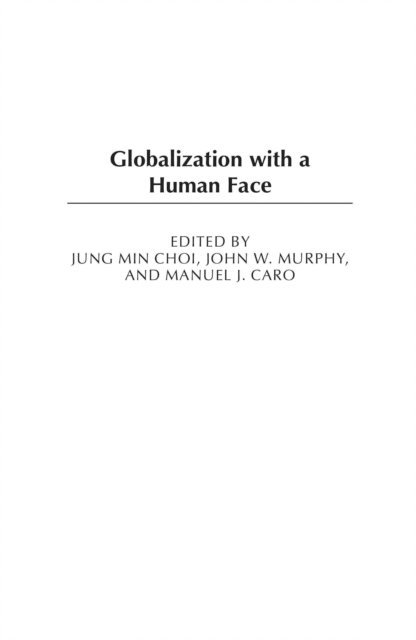
Globalization with a Human Face
Av Jung Min Choi, John W. Murphy m. fl.
E-bok, 2004
915 kr
Lägg i varukorg
This collection of essays reflects a wide array of realities and experiences of people from different areas of the world, including England, Nicaragua, Colombia, Spain, and Guatemala. Globalization requires innovation and adaptation, things that are easier for some countries to achieve than others. …
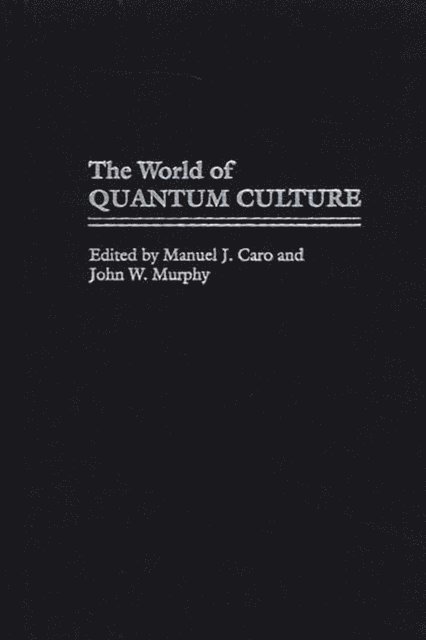
World of Quantum Culture
E-bok, 2002
1169 kr
Lägg i varukorg
Caro and Murphy introduce the philosophy of Quantum Aesthetics—a theoretical framework developed by Spanish-language theorists that has spread throughout the world in the last three years—to an English-speaking audience. In order to achieve this, writers from around the world were asked to either …