Manuel Lago - Böcker
Visar alla böcker från författaren Manuel Lago. Handla med fri frakt och snabb leverans.
4 produkter
4 produkter
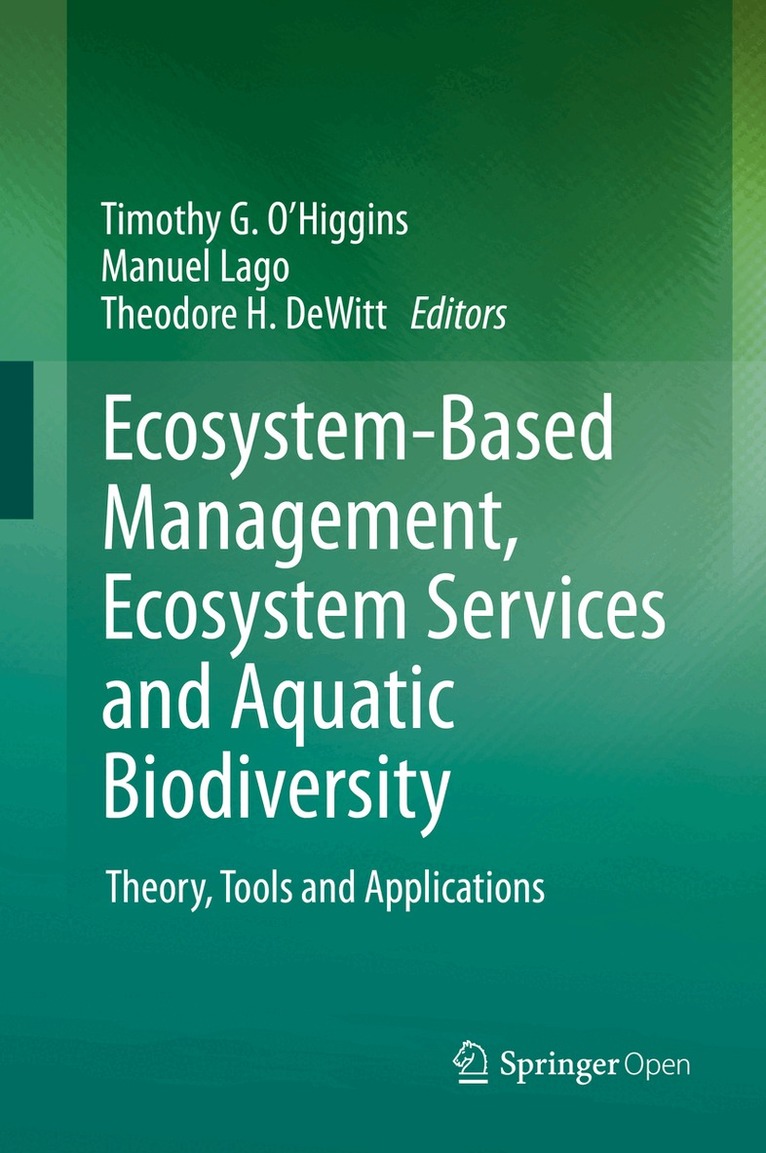
Ecosystem-Based Management, Ecosystem Services and Aquatic Biodiversity
Theory, Tools and Applications
Inbunden, Engelska, 2020
536 kr
Skickas inom 10-15 vardagar
Aquatic ecosystems are rich in biodiversity and home to a diverse array of species and habitats, providing a wide variety of benefits to human beings. Many of these valuable ecosystems are at risk of being irreversibly damaged by human activities and pressures, including pollution, contamination, invasive species, overfishing and climate change. Such pressures threaten the sustainability of these ecosystems, their provision of ecosystem services and ultimately human well-being.Ecosystem-based management (EBM) is now widely considered the most promising paradigm for balancing sustainable development and biodiversity protection, and various international strategies and conventions have championed the EBM cause and the inclusion of ecosystem services in decision-making. This open access book introduces the essential concepts and principles required to implement ecosystem-based management, detailing tools and techniques, and describing the application ofthese concepts and tools to a broad range of aquatic ecosystems, from the shores of Lough Erne in Northern Ireland to the estuaries of the US Pacific Northwest and the tropical Mekong Delta.
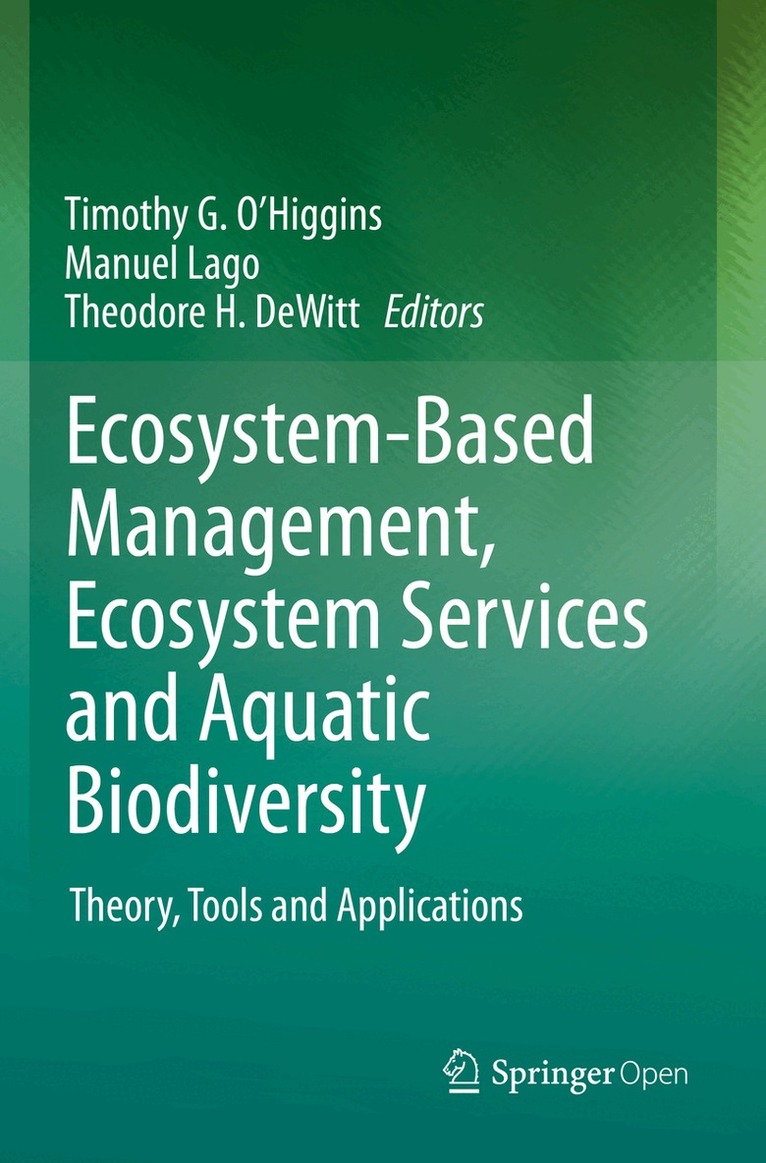
Ecosystem-Based Management, Ecosystem Services and Aquatic Biodiversity
Theory, Tools and Applications
Häftad, Engelska, 2020
430 kr
Skickas inom 10-15 vardagar
Aquatic ecosystems are rich in biodiversity and home to a diverse array of species and habitats, providing a wide variety of benefits to human beings. Many of these valuable ecosystems are at risk of being irreversibly damaged by human activities and pressures, including pollution, contamination, invasive species, overfishing and climate change. Such pressures threaten the sustainability of these ecosystems, their provision of ecosystem services and ultimately human well-being.Ecosystem-based management (EBM) is now widely considered the most promising paradigm for balancing sustainable development and biodiversity protection, and various international strategies and conventions have championed the EBM cause and the inclusion of ecosystem services in decision-making. This open access book introduces the essential concepts and principles required to implement ecosystem-based management, detailing tools and techniques, and describing the application ofthese concepts and tools to a broad range of aquatic ecosystems, from the shores of Lough Erne in Northern Ireland to the estuaries of the US Pacific Northwest and the tropical Mekong Delta.
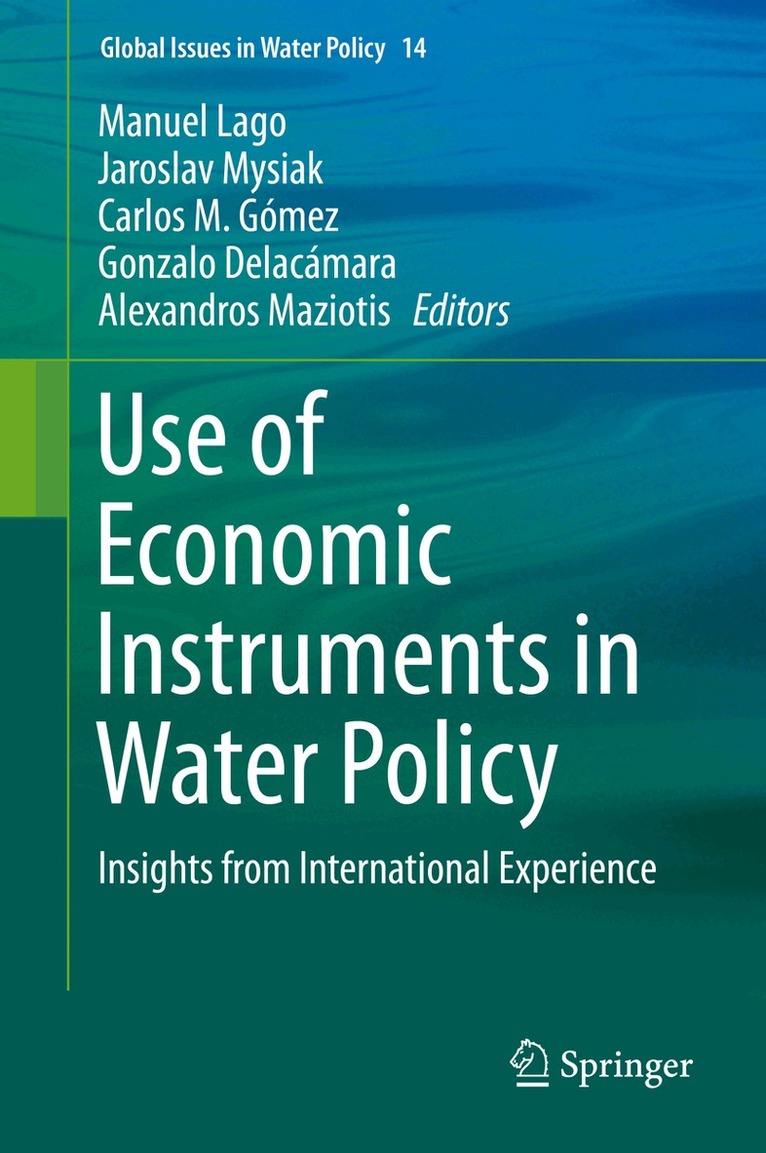
Del 14 - Global Issues in Water Policy
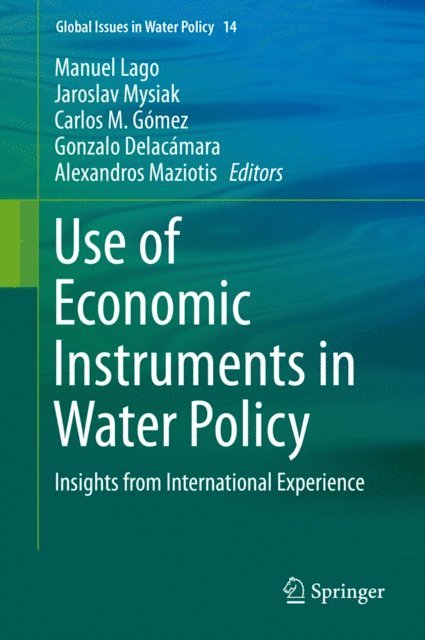
Use of Economic Instruments in Water Policy
Insights from International Experience
Inbunden, Engelska, 2015
979 kr
Skickas inom 10-15 vardagar
This book assesses both the effectiveness and efficiency of implemented Economic Policy Instruments (EPIs) in order to achieve water policy goals and identifies the preconditions under which they outperform alternative (e.g. regulatory) policy instruments and/or can complement them as part of complex policy mixes. The development of a consolidated assessment framework helps clarify (and where possible, quantify) the effectiveness of each EPI on the basis of different criteria. Outcome-oriented criteria describe how the EPIs perform. They include intended and unintended economic and environmental outcomes and the distribution of benefits and costs among the affected parties. These steps consider the application of cost effectiveness and cost benefits analysis, e.g. to assess ex-post performance of the EPI. Process criteria describe the institutional conditions (legislative, political, cultural, etc.) affecting the formation and operation of the EPI studied (particularly relevant for assessing the possible impacts of using economic instruments), the transaction costs involved in implementing and enforcing the instruments and the process of implementation.Case studies from Cyprus, Denmark, France, Germany, Hungary, Italy, the Netherlands, Spain and the United Kingdom, as well as from Australia, Chile, Israel and the USA are presented in this book. A wide variety of EPIs are also covered, including water-pricing schemes (tariffs, environmental taxes, environmental charges or fees, subsidies on products and practices), trading schemes (tradable permits for abstraction and pollution) and cooperation mechanisms.
Del 14 - Global Issues in Water Policy
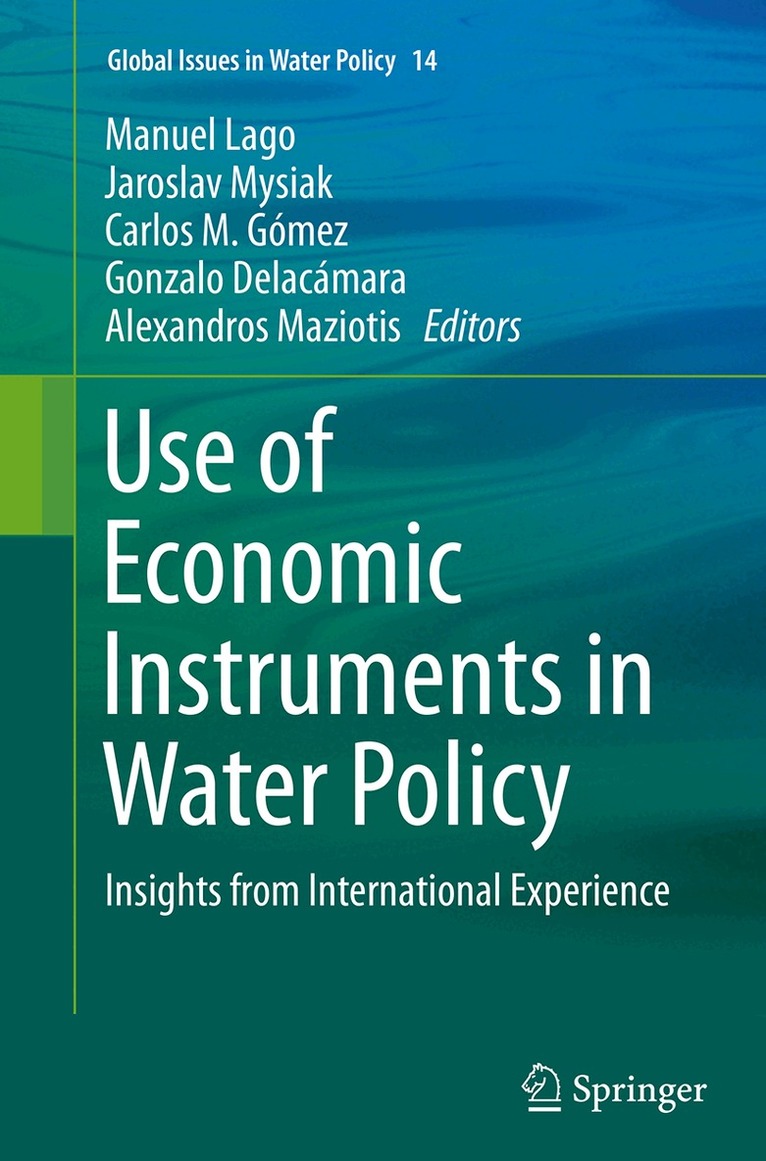
Use of Economic Instruments in Water Policy
Insights from International Experience
Häftad, Engelska, 2016
979 kr
Skickas inom 10-15 vardagar
This book assesses both the effectiveness and efficiency of implemented Economic Policy Instruments (EPIs) in order to achieve water policy goals and identifies the preconditions under which they outperform alternative (e.g. regulatory) policy instruments and/or can complement them as part of complex policy mixes. The development of a consolidated assessment framework helps clarify (and where possible, quantify) the effectiveness of each EPI on the basis of different criteria. Outcome-oriented criteria describe how the EPIs perform. They include intended and unintended economic and environmental outcomes and the distribution of benefits and costs among the affected parties. These steps consider the application of cost effectiveness and cost benefits analysis, e.g. to assess ex-post performance of the EPI. Process criteria describe the institutional conditions (legislative, political, cultural, etc.) affecting the formation and operation of the EPI studied (particularly relevant for assessing the possible impacts of using economic instruments), the transaction costs involved in implementing and enforcing the instruments and the process of implementation.Case studies from Cyprus, Denmark, France, Germany, Hungary, Italy, the Netherlands, Spain and the United Kingdom, as well as from Australia, Chile, Israel and the USA are presented in this book. A wide variety of EPIs are also covered, including water-pricing schemes (tariffs, environmental taxes, environmental charges or fees, subsidies on products and practices), trading schemes (tradable permits for abstraction and pollution) and cooperation mechanisms.