Marco Mascini – författare
Visar alla böcker från författaren Marco Mascini. Handla med fri frakt och snabb leverans.
11 produkter
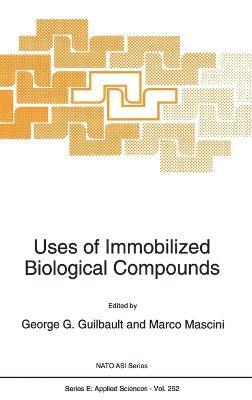
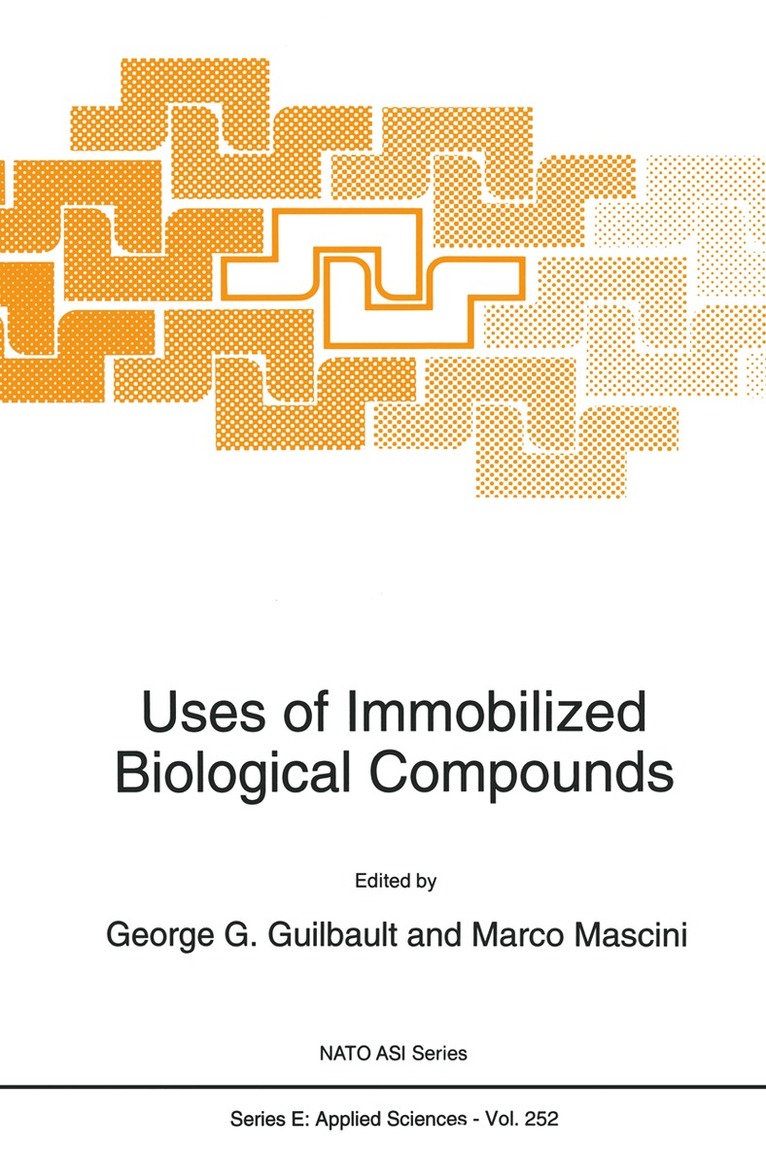
Uses of Immobilized Biological Compounds
Proceedings of the NATO Advanced Research Workshop on 'Uses of Immobilized Biological Compounds for Detection, Medical, Food and Environmental Analysis', Brixen, Italy, May 9-14, 1993
Av North Atlantic Treaty Organization, NATO Advanced Research Workshop on Uses m. fl.
Inbunden, 1993
879 kr
Lägg i varukorg
In "Uses of Immobilized Biological Compounds" the reader will find a comprehensive survey of the field written by experts who met in Brixen, Italy, between May 9 and 14, 1993 for a NATO Advanced Research Workshop devoted to the topic. The resulting volume presents a critical review of the latest …
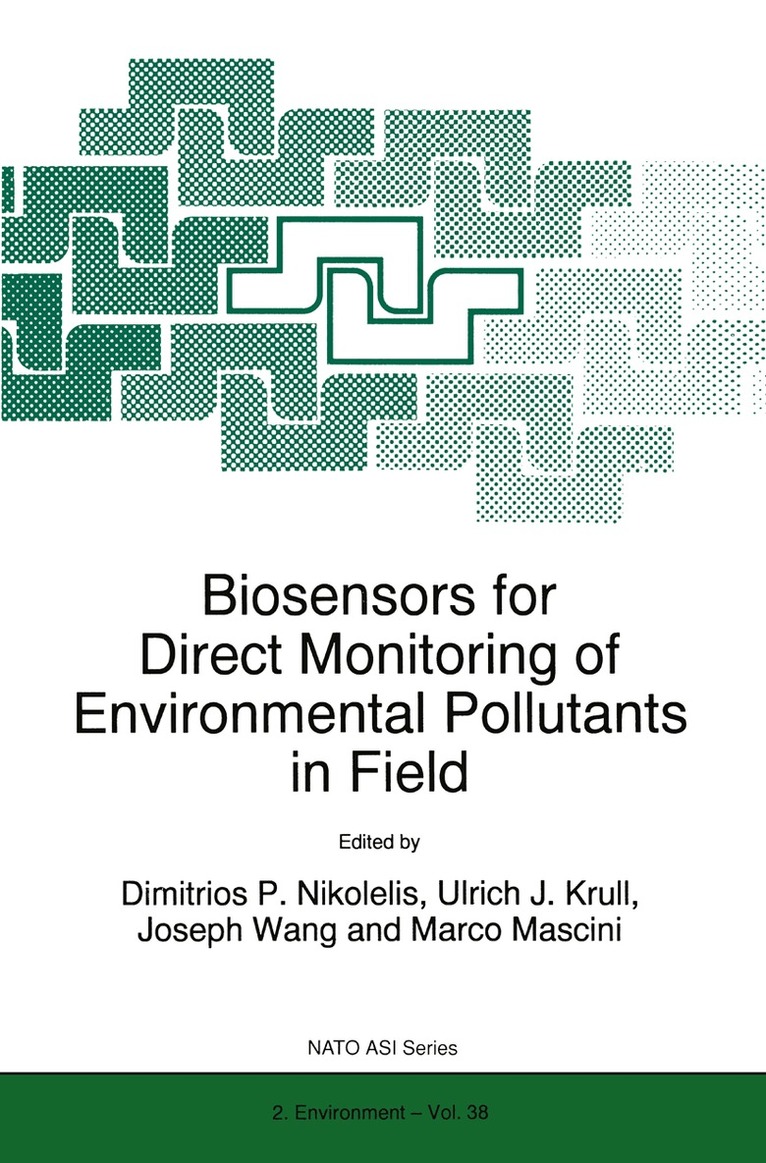
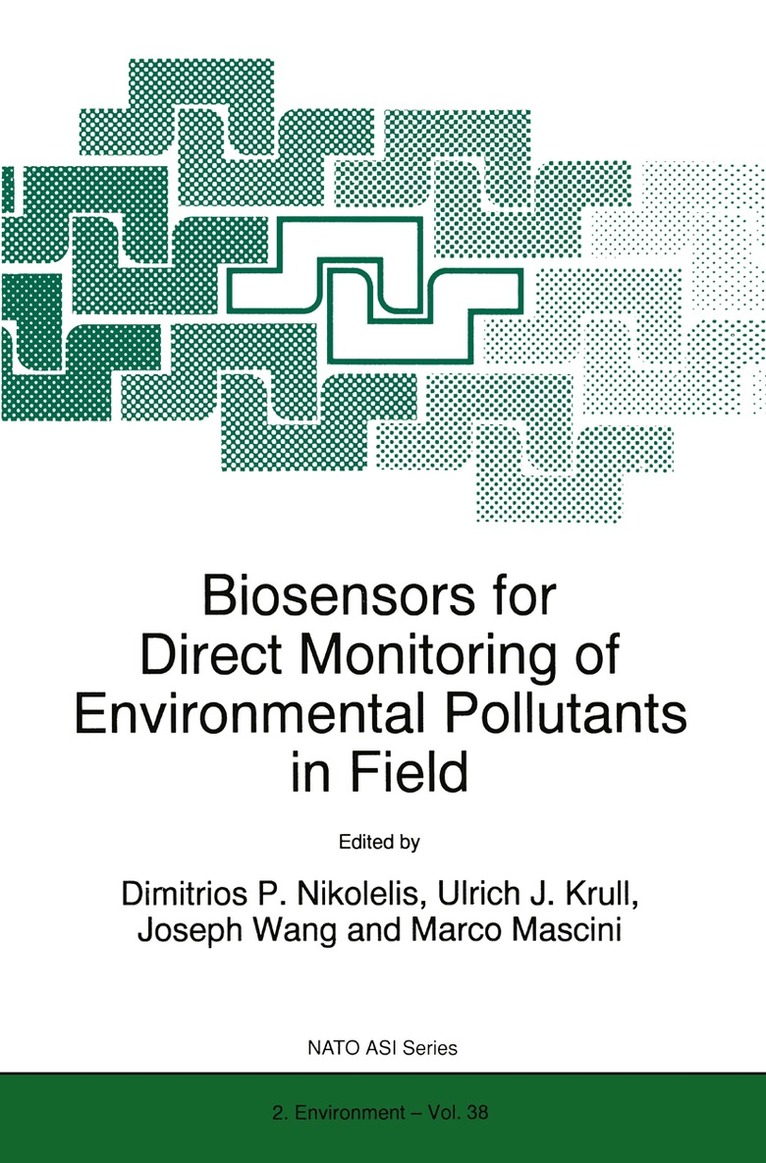
Biosensors for Direct Monitoring of Environmental Pollutants in Field
Av D.P. Nikolelis, Ulrich J. Krull m. fl.
Inbunden, 1997
2189 kr
Lägg i varukorg
Biosensors offer distinct advantages over standard analytical methods for the direct monitoring of environmental pollutants in the field, such as real-time detection with minimum sample preparation and handling. This work highlights advantages that will be of value to a range of scientists, …
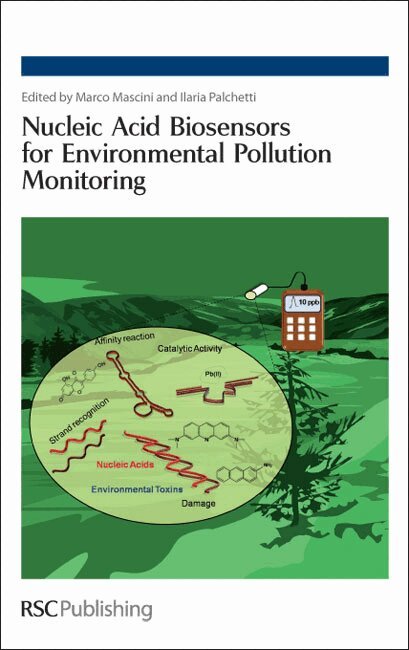
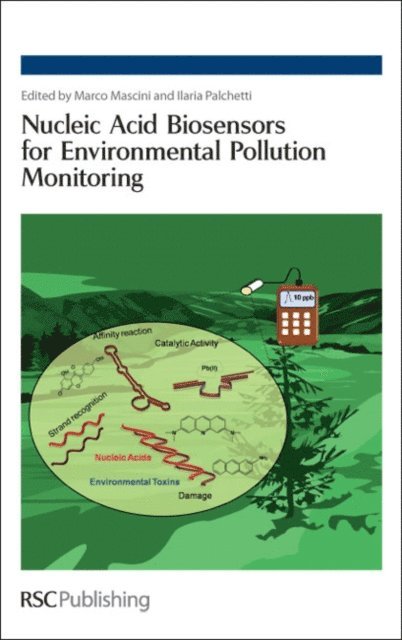
Nucleic Acid Biosensors for Environmental Pollution Monitoring
Av Marco Mascini, Ilaria Palchetti
Inbunden, 2011
2226 kr
Lägg i varukorg
Nucleic acids are the fundamental building blocks of life and are found in all living things. In recent years, their functions have been shown to extend beyond the Watson-Crick base pair recognition of complementary strands. Molecules (known as aptamers) consisting of 40-50 nucleotides have been …
Nucleic Acid Biosensors for Environmental Pollution Monitoring
Av Ilaria Palchetti, Marco Mascini
E-bok, 2011
1988 kr
Lägg i varukorg
Nucleic acids are the fundamental building blocks of life and are found in all living things. In recent years, their functions have been shown to extend beyond the Watson-Crick base pair recognition of complementary strands. Molecules (known as aptamers) consisting of 40-50 nucleotides have been …
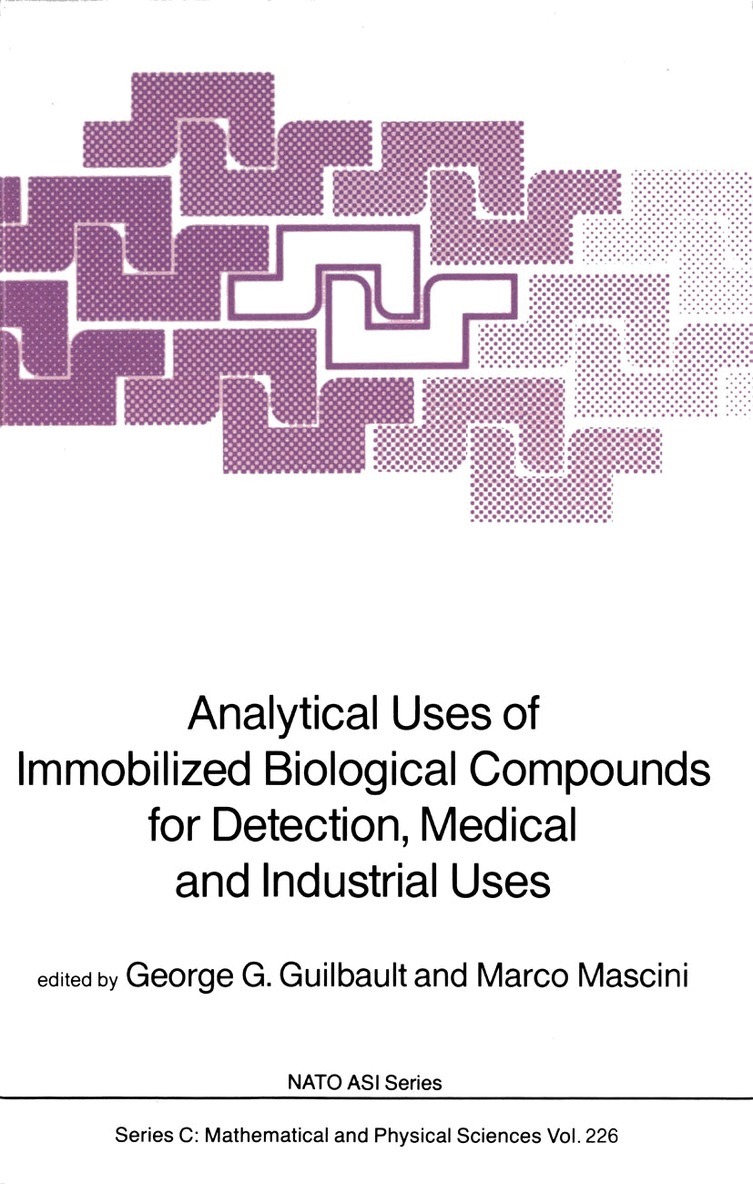
Analytical Uses of Immobilized Biological Compounds for Detection, Medical and Industrial Uses
Av George G. Guilbault, Marco Mascini
Inbunden, 1988
2189 kr
Lägg i varukorg
On May 4-8, 1987, a NATO Advanced Research Workshop on the Analytical Uses of Immobilized Biological Compounds was held in Florence, Italy. The Director of the Workshop was Professor George G. Guilbault of the University of New Orleans, and the Co-Director was Professor Marco Mascini of the …
Biosensors for Direct Monitoring of Environmental Pollutants in Field
Av D.P. Nikolelis, Ulrich J. Krull m. fl.
Häftad, 2010
2189 kr
Lägg i varukorg
Biosensors offer clear and distinct advantages over standard analytical methods for the direct monitoring of environmental pollutants in the field, such as real-time detection with minimum sample preparation and handling. The present book highlights recent advantages that will be of great value to …
Analytical Uses of Immobilized Biological Compounds for Detection, Medical and Industrial Uses
Av Marco Mascini, George G. Guilbault
E-bok, 2012
2925 kr
Lägg i varukorg
On May 4-8, 1987, a NATO Advanced Research Workshop on the Analytical Uses of Immobilized Biological Compounds was held in Florence, Italy. The Director of the Workshop was Professor George G. Guilbault of the University of New Orleans, and the Co-Director was Professor Marco Mascini of the …
Uses of Immobilized Biological Compounds
Av George G. Guilbault, Marco Mascini
Häftad, 2012
569 kr
Lägg i varukorg
In Uses of Immobilized Biological Compounds the reader will find a comprehensive survey of the field written by acknowledged experts who met in Brixen, Italy, between May 9 and 14, 1993 for a NATO Advanced Research Workshop devoted to the topic. The resulting volume presents a critical review of …
Analytical Uses of Immobilized Biological Compounds for Detection, Medical and Industrial Uses
Av George G. Guilbault, Marco Mascini
Häftad, 2012
2189 kr
Lägg i varukorg
On May 4-8, 1987, a NATO Advanced Research Workshop on the Analytical Uses of Immobilized Biological Compounds was held in Florence, Italy. The Director of the Workshop was Professor George G. Guilbault of the University of New Orleans, and the Co-Director was Professor Marco Mascini of the …
Uses of Immobilized Biological Compounds
Av Marco Mascini, George G. Guilbault
E-bok, 2012
755 kr
Lägg i varukorg
In Uses of Immobilized Biological Compounds the reader will find a comprehensive survey of the field written by acknowledged experts who met in Brixen, Italy, between May 9 and 14, 1993 for a NATO Advanced Research Workshop devoted to the topic. The resulting volume presents a critical review of …
Biosensors for Direct Monitoring of Environmental Pollutants in Field
Av Marco Mascini, Joseph Wang m. fl.
E-bok, 2013
2925 kr
Lägg i varukorg
Biosensors offer clear and distinct advantages over standard analytical methods for the direct monitoring of environmental pollutants in the field, such as real-time detection with minimum sample preparation and handling. The present book highlights recent advantages that will be of great value to …