Marcus Grum – författare
Visar alla böcker från författaren Marcus Grum. Handla med fri frakt och snabb leverans.
5 produkter
5 produkter
Inbunden, Engelska, 2026
621 kr
Kommande
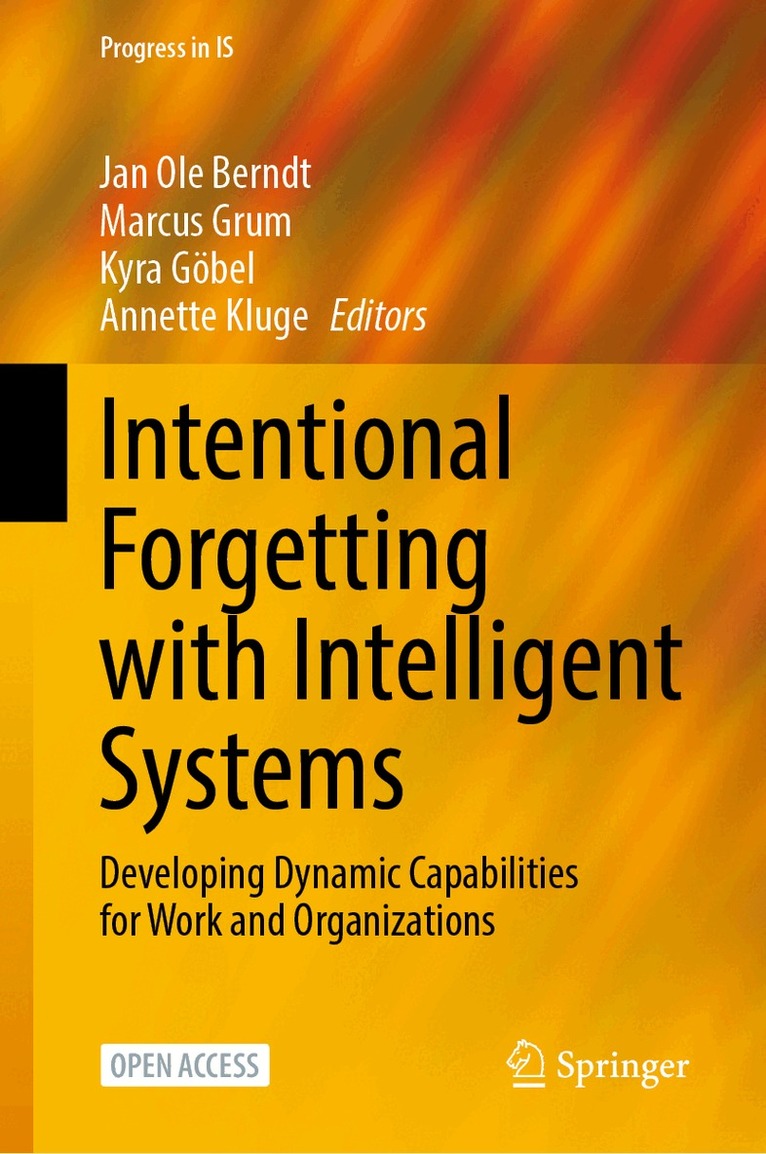
This open access book challenges the conventional idea of organizational learning by emphasizing the importance of intentional forgetting alongside information retention. It explores how intentional forgetting can free up cognitive, organizational, and technological resources, enabling organizations to adapt effectively to changing environments and remain resilient in the face of challenges. This shift in perspective highlights intentional forgetting as a crucial aspect of developing dynamic capabilities and coping with the ever-growing volume of stored information in modern organizations. The book provides an interdisciplinary perspective on the most recent research in intentional forgetting with joint contributions from psychology, computer science, information systems research, and engineering. These contributions cover the theory of intentional forgetting, methods, and paradigms to analyze and design intentional forgetting in organizations, as well as practical applications of intentional forgetting.The book examines the intricate mechanisms of human and machine forgetting, particularly relevant within technical and organizational spheres. Through practical demonstrations, it showcases how established organizational theories can be leveraged to empower information systems within organizations to engage in forgetting. Furthermore, it presents interdisciplinary methodologies and pathways for organizations to effectively manage the ever-expanding volume of stored information while strategically implementing forgetting as a vital tool for optimization.The book offers inspiration to business information scientists, computer scientists, and organizational designers, urging them to draw parallels with human memory to devise innovative solutions for effectively managing the overwhelming influx of information and data.
Häftad, Engelska, 2022
1 554 kr
Skickas inom 10-15 vardagar
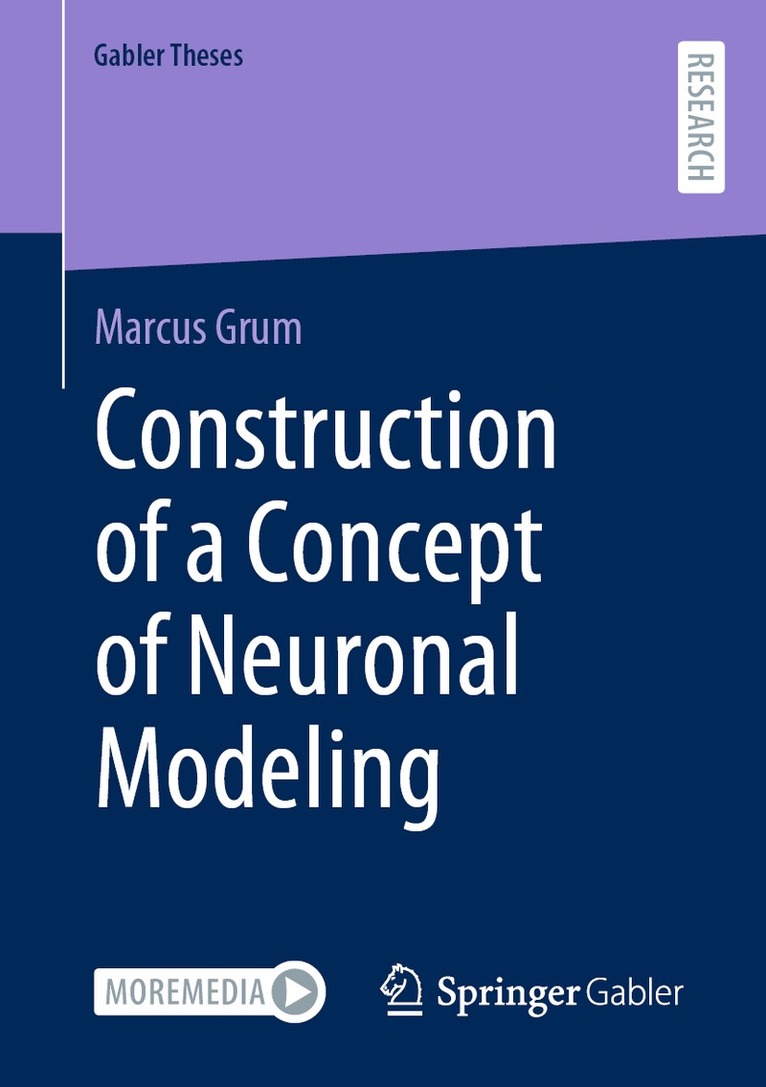
The business problem of having inefficient processes, imprecise process analyses and simulations as well as non-transparent artificial neuronal network models can be overcome by an easy-to-use modeling concept. With the aim of developing a flexible and efficient approach to modeling, simulating and optimizing processes, this paper proposes a flexible Concept of Neuronal Modeling (CoNM). The modeling concept, which is described by the modeling language designed and its mathematical formulation and is connected to a technical substantiation, is based on a collection of novel sub-artifacts. As these have been implemented as a computational model, the set of CoNM tools carries out novel kinds of Neuronal Process Modeling (NPM), Neuronal Process Simulations (NPS) and Neuronal Process Optimizations (NPO). The efficacy of the designed artifacts was demonstrated rigorously by means of six experiments and a simulator of real industrial production processes.
E-bok
Engelska, 20221 947 kr
Läs direkt efter köp
The business problem of having inefficient processes, imprecise process analyses and simulations as well as non-transparent artificial neuronal network models can be overcome by an easy-to-use modeling concept. With the aim of developing a flexible and efficient approach to modeling, simulating and optimizing processes, this paper proposes a flexible Concept of Neuronal Modeling (CoNM). The modeling concept, which is described by the modeling language designed and its mathematical formulation and is connected to a technical substantiation, is based on a collection of novel sub-artifacts. As these have been implemented as a computational model, the set of CoNM tools carries out novel kinds of Neuronal Process Modeling (NPM), Neuronal Process Simulations (NPS) and Neuronal Process Optimizations (NPO). The efficacy of the designed artifacts was demonstrated rigorously by means of six experiments and a simulator of real industrial production processes.
Häftad, Engelska, 2026
724 kr
Skickas inom 3-6 vardagar
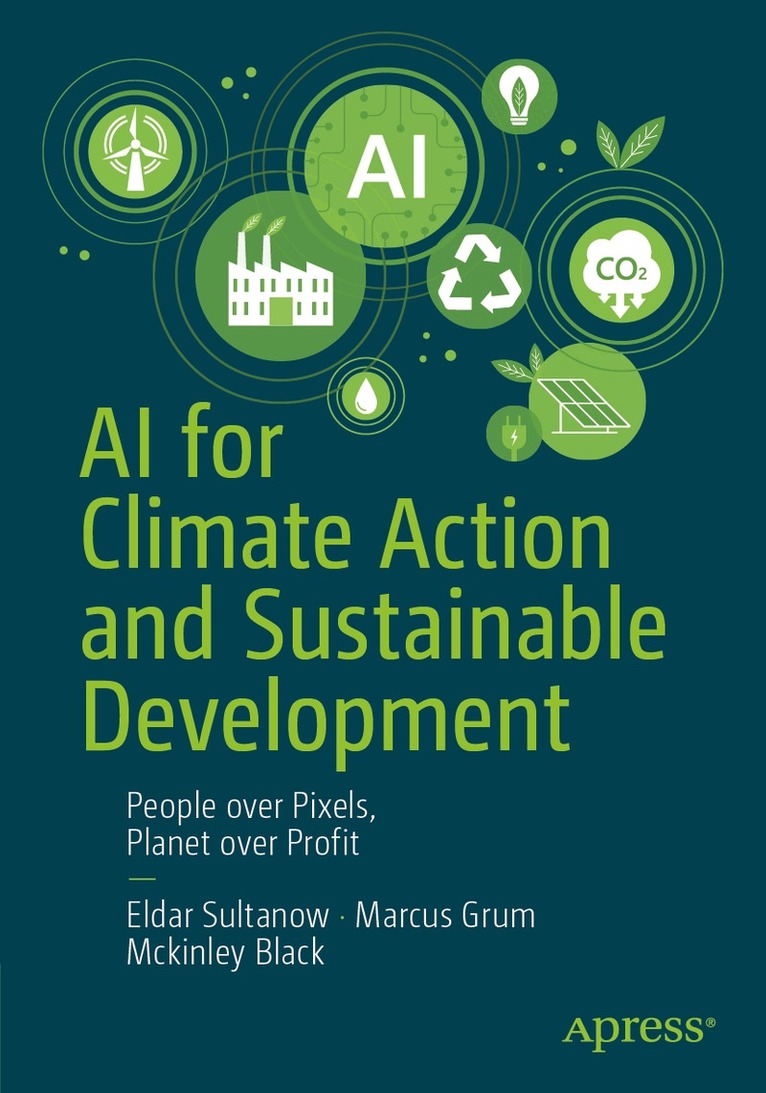
Explore how AI can be harnessed responsibly to create a sustainable future, guided by the United Nations’ 17 Sustainable Development Goals (SDGs). This book emphasizes the collective power of individual and institutional actions to foster equity, resilience, and sustainability in a digital age. Structured into five comprehensive sections, you’ll see how ethical AI is applied for equity, sustainability, and social responsibility in tackling global challenges effectively.Part 1: Agenda 2030 introduces the Sustainable Development Goals, offering a foundation for understanding global challenges and the transformative role of AI in accelerating progress. Part 2: Earth explores AI solutions for land-based challenges, including resource management, ecosystem monitoring, biodiversity conservation, urban sustainability, waste management, and traffic optimization. Part 3: Air examines AI applications for improving air quality, supporting meteorology and climate forecasting, enabling smarter aviation systems, and analyzing atmospheric changes that influence human and environmental health. Part 4: Water focuses on AI-driven innovations in water conservation, desalination, filtration technologies, species and marine-life tracking, and sustainable water-resource management. Part 5: Fire addresses energy generation, wildfire prediction and management, carbon-footprint assessment of AI systems, and the role of AI in population modeling and resilience planning.AI for Climate Action and Sustainable Development offers actionable insights for researchers, policymakers, and technologists, inspiring readers to balance innovation with responsibility, and building a just, inclusive, and sustainable future for all.What You Will LearnUnderstand sustainability as a fundamental pillar of progress in the modern world.Review the ethical responsibilities that guide technological advancements.Gain insights into shaping a humane and inclusive digital future.Examine the dual impact of innovation—its opportunities and challenges.Who This Book Is ForEnthusiasts and professionals in AI, sustainability, and climate science will gain insights into how AI addresses global challenges, while policymakers and activists can explore how technology aligns with Sustainable Development Goals (SDGs) to foster social equity and environmental protection. Educators and students will find it a valuable resource for understanding AI’s role in environmental science and social justice.
E-bok
Engelska, 2026870 kr
Läs direkt efter köp
Explore how AI can be harnessed responsibly to create a sustainable future, guided by the United Nations’ 17 Sustainable Development Goals (SDGs). This book emphasizes the collective power of individual and institutional actions to foster equity, resilience, and sustainability in a digital age. Structured into five comprehensive sections, you’ll see how ethical AI is applied for equity, sustainability, and social responsibility in tackling global challenges effectively.Part 1: Agenda 2030 introduces the Sustainable Development Goals, offering a foundation for understanding global challenges and the transformative role of AI in accelerating progress. Part 2: Earth explores AI solutions for land-based challenges, including resource management, ecosystem monitoring, biodiversity conservation, urban sustainability, waste management, and traffic optimization. Part 3: Air examines AI applications for improving air quality, supporting meteorology and climate forecasting, enabling smarter aviation systems, and analyzing atmospheric changes that influence human and environmental health. Part 4: Water focuses on AI-driven innovations in water conservation, desalination, filtration technologies, species and marine-life tracking, and sustainable water-resource management. Part 5: Fire addresses energy generation, wildfire prediction and management, carbon-footprint assessment of AI systems, and the role of AI in population modeling and resilience planning.AI for Climate Action and Sustainable Development offers actionable insights for researchers, policymakers, and technologists, inspiring readers to balance innovation with responsibility, and building a just, inclusive, and sustainable future for all.What You Will LearnUnderstand sustainability as a fundamental pillar of progress in the modern world.Review the ethical responsibilities that guide technological advancements.Gain insights into shaping a humane and inclusive digital future.Examine the dual impact of innovation—its opportunities and challenges.Who This Book Is ForEnthusiasts and professionals in AI, sustainability, and climate science will gain insights into how AI addresses global challenges, while policymakers and activists can explore how technology aligns with Sustainable Development Goals (SDGs) to foster social equity and environmental protection. Educators and students will find it a valuable resource for understanding AI’s role in environmental science and social justice.