Marcus L. Stephenson – författare
Visar alla böcker från författaren Marcus L. Stephenson. Handla med fri frakt och snabb leverans.
4 produkter
4 produkter
3 085 kr
Skickas inom 10-15 vardagar
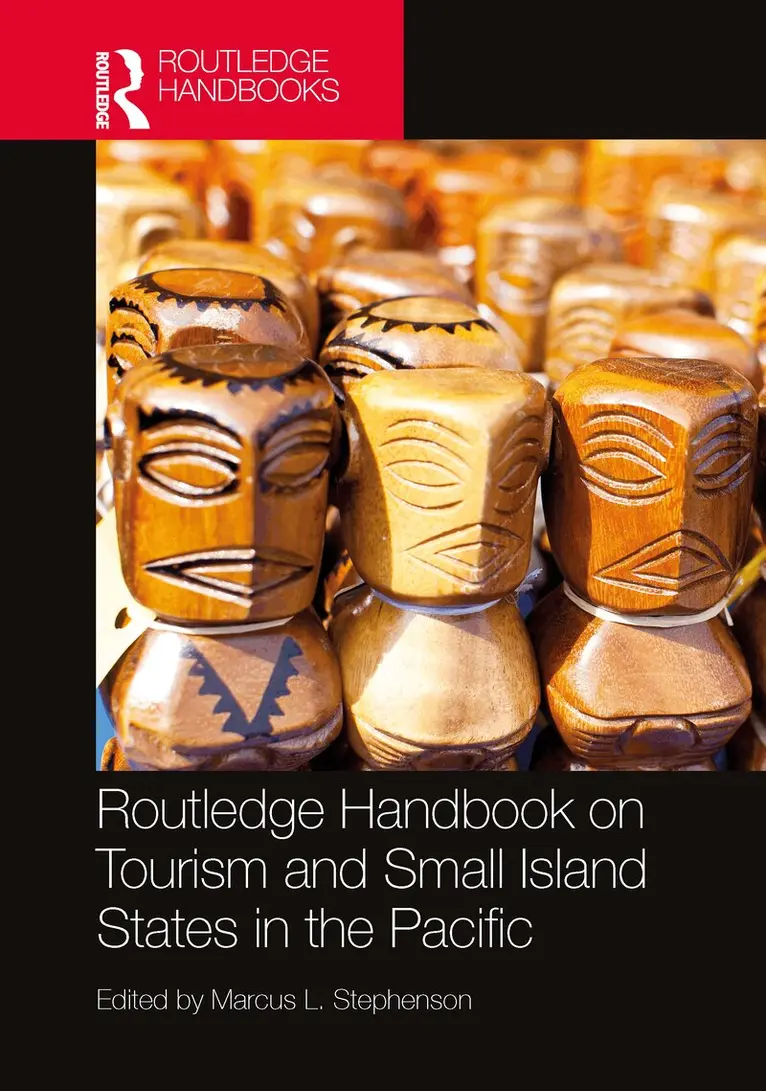
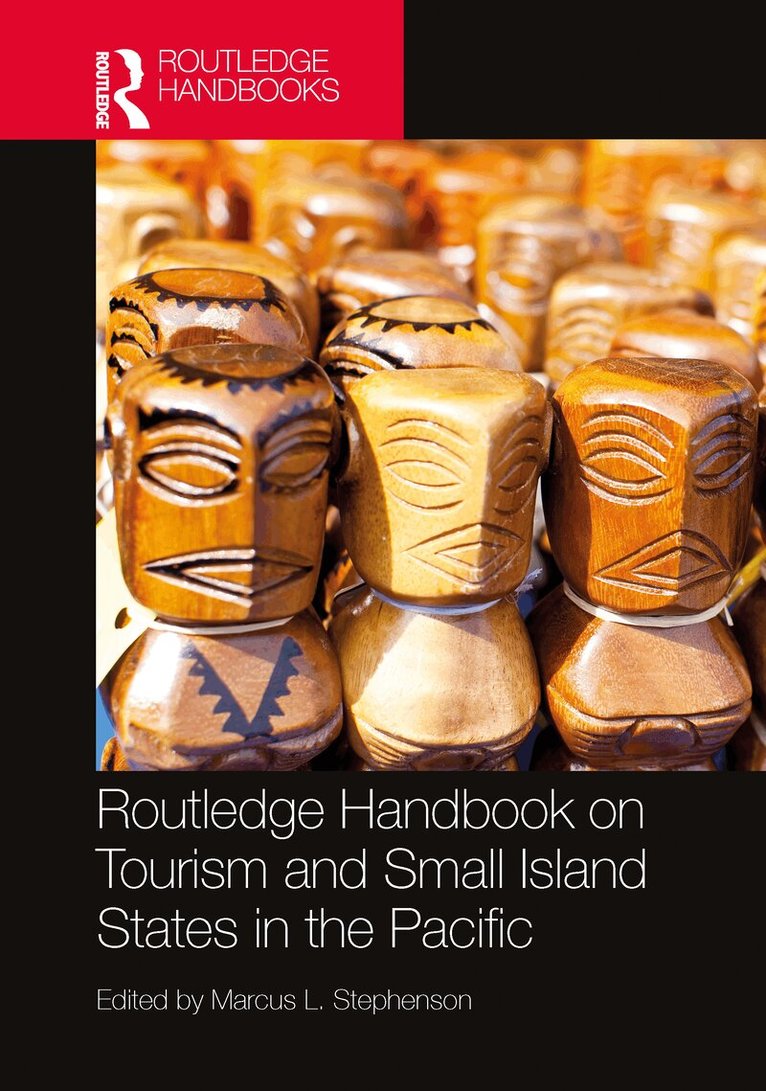
This timely handbook critically examines the development and role of tourism in small Pacific Island states located across Melanesia, Micronesia and Polynesia. The volume presents an expansive evaluation of current issues, challenges and potentialities for the 13 self-governing states. Interdisciplinary in coverage and borne of a varied and international authorship, this handbook incorporates 27 specifically commissioned and original contributions. Structured into four thematic sections and embellished with insightful tables and illustrations throughout, the overarching ethos of this volume is to contribute to framing the role of tourism, tourism development and the tourism industry within the context of self-governing Pacific Island states faced with the challenge of pursuing an independent path of development. In doing so, the work highlights and deciphers various tourism development perplexities in the Pacific, examining closely the intersecting sociocultural, geopolitical, environmental, organizational, operational and strategic challenges. This volume, thus, discusses a range of issues: facilitators and inhibitors of tourism growth and development; climate change, ecological concerns, and eco-tourism; non-tourism and undertourism; crisis management and the COVID-19 virus; transportation and tourism infrastructural concerns; tourism policy and planning (including tourism governance); sectoral links between tourism; food and agriculture; gender and micro-entrepreneurship; community management and participation; cultural and natural heritage sites; and the handicraft industry. The work pays critical attention to the various trajectories of sustainable tourism and the United Nations Sustainable Development Goals. Despite the many challenges and concerns raised, the book implicates the importance of good governance, progressive post-COVID-19 recovery strategies and directives, and creative and imaginative options in the successful development, re-development and advancement of tourism.As a definitive reference resource for this subject area, this handbook will be of great interest to students, researchers and academics within tourism, development studies, geography, Pacific studies, sustainability and environmental studies.
665 kr
Skickas inom 10-15 vardagar
This timely handbook critically examines the development and role of tourism in small Pacific Island states located across Melanesia, Micronesia and Polynesia. The volume presents an expansive evaluation of current issues, challenges and potentialities for the 13 self-governing states. Interdisciplinary in coverage and borne of a varied and international authorship, this handbook incorporates 27 specifically commissioned and original contributions. Structured into four thematic sections and embellished with insightful tables and illustrations throughout, the overarching ethos of this volume is to contribute to framing the role of tourism, tourism development and the tourism industry within the context of self-governing Pacific Island states faced with the challenge of pursuing an independent path of development. In doing so, the work highlights and deciphers various tourism development perplexities in the Pacific, examining closely the intersecting sociocultural, geopolitical, environmental, organizational, operational and strategic challenges. This volume, thus, discusses a range of issues: facilitators and inhibitors of tourism growth and development; climate change, ecological concerns, and eco-tourism; non-tourism and undertourism; crisis management and the COVID-19 virus; transportation and tourism infrastructural concerns; tourism policy and planning (including tourism governance); sectoral links between tourism; food and agriculture; gender and micro-entrepreneurship; community management and participation; cultural and natural heritage sites; and the handicraft industry. The work pays critical attention to the various trajectories of sustainable tourism and the United Nations Sustainable Development Goals. Despite the many challenges and concerns raised, the book implicates the importance of good governance, progressive post-COVID-19 recovery strategies and directives, and creative and imaginative options in the successful development, re-development and advancement of tourism.As a definitive reference resource for this subject area, this handbook will be of great interest to students, researchers and academics within tourism, development studies, geography, Pacific studies, sustainability and environmental studies.
International Tourism Development and the Gulf Cooperation Council States
Challenges and Opportunities
Häftad, Engelska, 2022
637 kr
Skickas inom 10-15 vardagar
This book examines the challenges facing the development of tourism in the six member states of the Gulf Cooperation Council (GCC): Bahrain, Kuwait, Oman, Qatar, Saudi Arabia and the United Arab Emirates (UAE). This region, which largely comprises the Arabian Peninsula, possesses some of the fastest growing economies in the world and is remarkably unique. It shares similar associations and affinities: tribal histories, royal kinship, political associations, Bedu cultural roots, Islamic heritage, rapid urbanization, oil wealth, rentier dynamics, state capitalist structures, migrant labour, economic diversification policies and institutional restructuring. Therefore, this volume takes the study of tourism away from its normative unit of analysis, where tourism in the region is being examined within the context of the Middle East and the wider Islamic and Arab world, towards an enquiry focusing on a specific geo-political territory and socially defined region.Although international tourism development in the region embodies a range of challenges, complexities and conflicts, which are deeply contextualized in this volume, the approach overall does not endorse the normative ‘Gulf bashing’ position that has predominated within the critical enquiries in the region. It presents a forward-looking and realistic assessment of international tourism development, examining development potentialities and constructive ways forward for GCC states and the region as a whole. This edited volume provides a real attempt to examine critically ways in which tourism and its development intersect with the socio-cultural, economic, political, environmental and industrial change that is taking place in the region. By doing so, the book provides a theoretically engaged analysis of the social transformations and discourses that shape our contemporary understanding of tourism development within the GCC region. Moreover, it deciphers tourism development’s role within the context of the GCC states undergoing rapid transformation, urbanization, ultra-modernization, internationalization and globalization. In addition to state-specific illustrations and destination case studies, the work provides insights into relatable themes associated with international tourism development in the region, such as tourism’s relationship with religion, heritage and identity, the environment and sustainability, mobility and cross-border movements, the transport industry, image production and destination branding, mega-development and political stability and instability. The book combines theory with diverse case study illustrations, drawing on disciplinary knowledge from such fields as sociology, political economy and social geography.This timely and original contribution is essential reading for students, researchers and academics in the field of tourism studies and related subject areas, along with those who have regional interests in Middle East studies, including Gulf and Arabian Peninsula studies.
International Tourism Development and the Gulf Cooperation Council States
Challenges and Opportunities
Inbunden, Engelska, 2017
2 176 kr
Skickas inom 10-15 vardagar
This book examines the challenges facing the development of tourism in the six member states of the Gulf Cooperation Council (GCC): Bahrain, Kuwait, Oman, Qatar, Saudi Arabia and the United Arab Emirates (UAE). This region, which largely comprises the Arabian Peninsula, possesses some of the fastest growing economies in the world and is remarkably unique. It shares similar associations and affinities: tribal histories, royal kinship, political associations, Bedu cultural roots, Islamic heritage, rapid urbanization, oil wealth, rentier dynamics, state capitalist structures, migrant labour, economic diversification policies and institutional restructuring. Therefore, this volume takes the study of tourism away from its normative unit of analysis, where tourism in the region is being examined within the context of the Middle East and the wider Islamic and Arab world, towards an enquiry focusing on a specific geo-political territory and socially defined region.Although international tourism development in the region embodies a range of challenges, complexities and conflicts, which are deeply contextualized in this volume, the approach overall does not endorse the normative ‘Gulf bashing’ position that has predominated within the critical enquiries in the region. It presents a forward-looking and realistic assessment of international tourism development, examining development potentialities and constructive ways forward for GCC states and the region as a whole. This edited volume provides a real attempt to examine critically ways in which tourism and its development intersect with the socio-cultural, economic, political, environmental and industrial change that is taking place in the region. By doing so, the book provides a theoretically engaged analysis of the social transformations and discourses that shape our contemporary understanding of tourism development within the GCC region. Moreover, it deciphers tourism development’s role within the context of the GCC states undergoing rapid transformation, urbanization, ultra-modernization, internationalization and globalization. In addition to state-specific illustrations and destination case studies, the work provides insights into relatable themes associated with international tourism development in the region, such as tourism’s relationship with religion, heritage and identity, the environment and sustainability, mobility and cross-border movements, the transport industry, image production and destination branding, mega-development and political stability and instability. The book combines theory with diverse case study illustrations, drawing on disciplinary knowledge from such fields as sociology, political economy and social geography.This timely and original contribution is essential reading for students, researchers and academics in the field of tourism studies and related subject areas, along with those who have regional interests in Middle East studies, including Gulf and Arabian Peninsula studies.