Mari-Liis Madisson – författare
Visar alla böcker från författaren Mari-Liis Madisson. Handla med fri frakt och snabb leverans.
4 produkter
4 produkter
2 134 kr
Skickas inom 10-15 vardagar
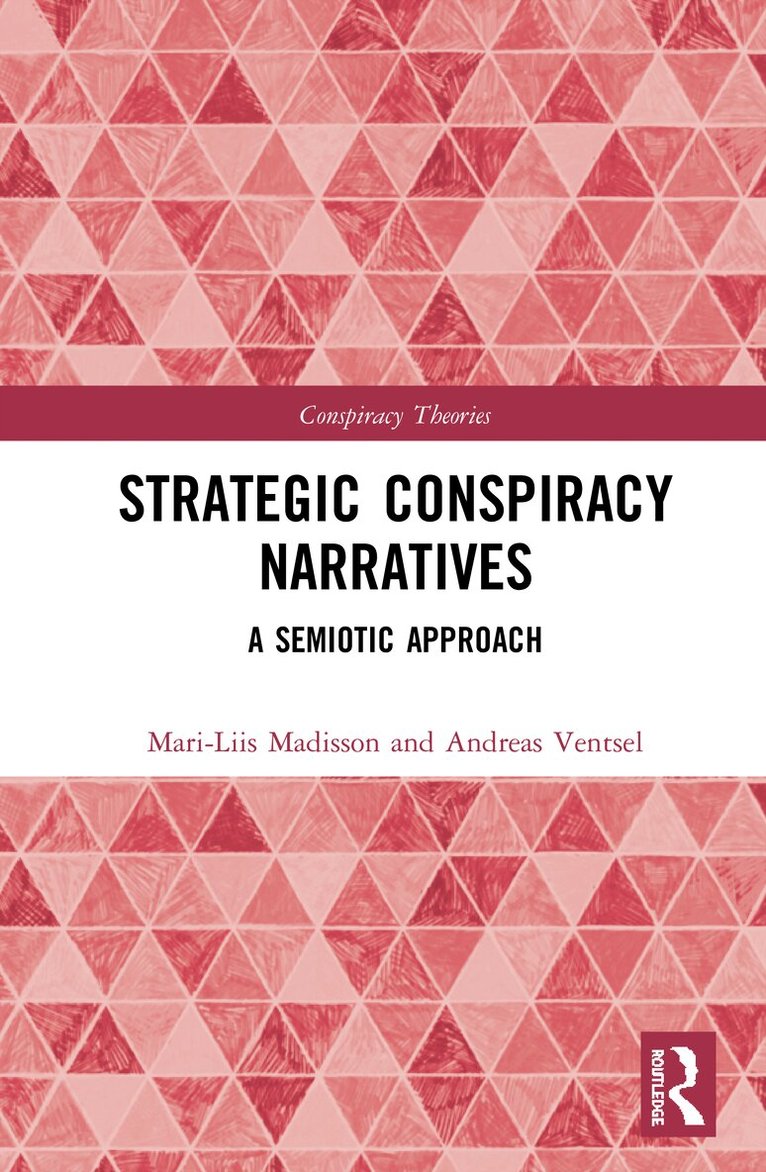
Strategic Conspiracy Narratives proposes an innovative semiotic perspective for analysing how contemporary conspiracy theories are used for shaping interpretation paths and identities of a targeted audience.Conspiracy theories play a significant role in the viral spread of misinformation that has an impact on the formation of public opinion about certain topics. They allow the connecting of different events that have taken place in various times and places and involve several actors that seem incompatible to bystanders. This book focuses on strategic-function conspiracy narratives in the context of (social) media and information conflict. It explicates the strategic devices in how conspiracy theories can be used to evoke a hermeneutics of suspicion – a permanent scepticism and questioning of so-called mainstream media channels and dominant public authorities, delegitimisation of political opponents, and the ongoing search for hidden clues and coverups. The success of strategic dissemination of conspiracy narratives depends on the cultural context, specifics of the targeted audience and the semiotic construction of the message. This book proposes an innovative semiotic perspective for analysing contemporary strategic communication. The authors develop a theoretical framework that is based on semiotics of culture, the notions of strategic narrative and transmedia storytelling.This book is targeted to specialists and graduate students working on social theory, semiotics, journalism, strategic communication, social media and contemporary social problems in general.
643 kr
Skickas inom 10-15 vardagar
Strategic Conspiracy Narratives proposes an innovative semiotic perspective for analysing how contemporary conspiracy theories are used for shaping interpretation paths and identities of a targeted audience.Conspiracy theories play a significant role in the viral spread of misinformation that has an impact on the formation of public opinion about certain topics. They allow the connecting of different events that have taken place in various times and places and involve several actors that seem incompatible to bystanders. This book focuses on strategic-function conspiracy narratives in the context of (social) media and information conflict. It explicates the strategic devices in how conspiracy theories can be used to evoke a hermeneutics of suspicion – a permanent scepticism and questioning of so-called mainstream media channels and dominant public authorities, delegitimisation of political opponents, and the ongoing search for hidden clues and coverups. The success of strategic dissemination of conspiracy narratives depends on the cultural context, specifics of the targeted audience and the semiotic construction of the message. This book proposes an innovative semiotic perspective for analysing contemporary strategic communication. The authors develop a theoretical framework that is based on semiotics of culture, the notions of strategic narrative and transmedia storytelling.This book is targeted to specialists and graduate students working on social theory, semiotics, journalism, strategic communication, social media and contemporary social problems in general.
596 kr
Kommande
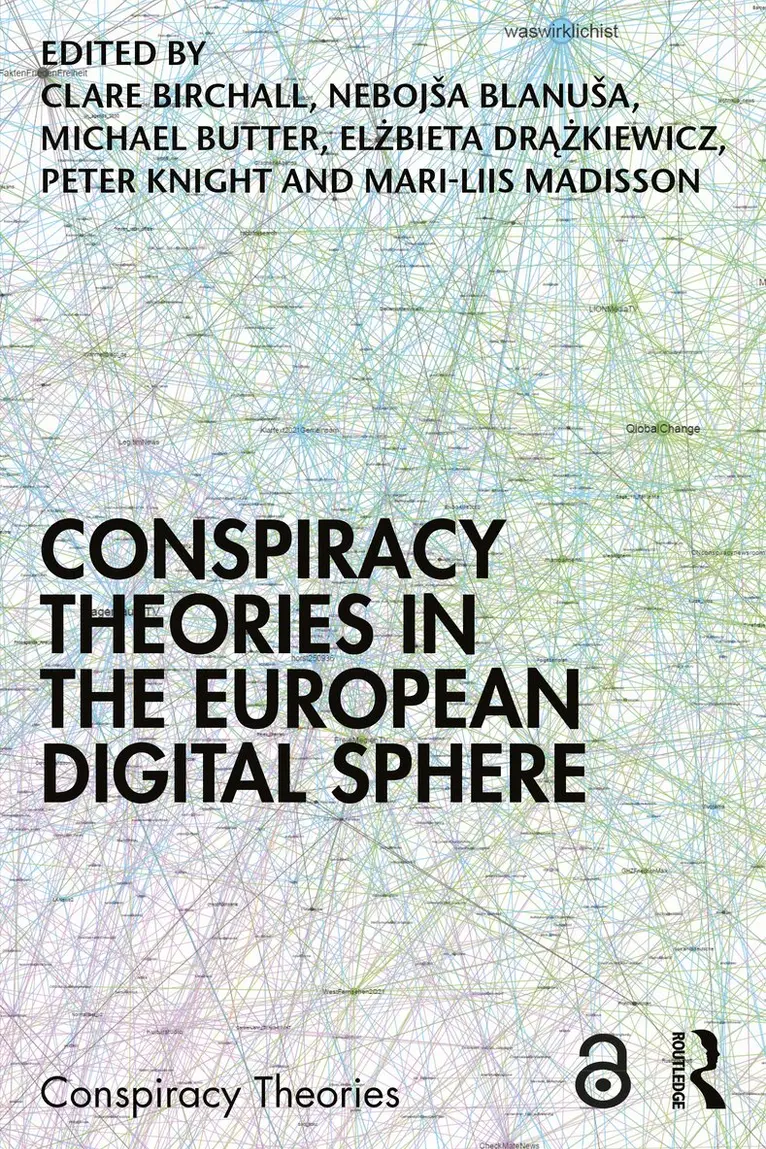
Conspiracy Theories in the European Digital Sphere offers a comparative account of online conspiracism, considered in terms of platform preferences, ideological content, aesthetic choices, political context, flow of travel and the role online conspiracism plays in the formation of community and identity.The book examines the assumptions that inform current ways of framing and combatting online conspiracy theories. Rather than approach online conspiracy theories as merely a symptom of post-truth social media, or as simply a problem of either too little or false information and, therefore, as the same as other forms of mis- and disinformation that can be more easily corrected, the book proposes that online conspiracy theories need to be understood as a distinctive mode of digital disinformation because they are a vernacular knowledge and interpretation rooted in, engaged with and defined by regional and supra-regional political histories. The book is concerned with how experiences with freedom of speech, the role of the press, democratic and epistemological norms, levels of state control, conflict, authoritarianism and propaganda shape online conspiracy theories and the response to them.This book is methodologically ambitious, combining quantitative and qualitative approaches, and will appeal to anyone interested in conspiracy theories, misinformation, culture wars, social media and contemporary society.
2 182 kr
Kommande
Conspiracy Theories in the European Digital Sphere offers a comparative account of online conspiracism, considered in terms of platform preferences, ideological content, aesthetic choices, political context, flow of travel and the role online conspiracism plays in the formation of community and identity.The book examines the assumptions that inform current ways of framing and combatting online conspiracy theories. Rather than approach online conspiracy theories as merely a symptom of post-truth social media, or as simply a problem of either too little or false information and, therefore, as the same as other forms of mis- and disinformation that can be more easily corrected, the book proposes that online conspiracy theories need to be understood as a distinctive mode of digital disinformation because they are a vernacular knowledge and interpretation rooted in, engaged with and defined by regional and supra-regional political histories. The book is concerned with how experiences with freedom of speech, the role of the press, democratic and epistemological norms, levels of state control, conflict, authoritarianism and propaganda shape online conspiracy theories and the response to them.This book is methodologically ambitious, combining quantitative and qualitative approaches, and will appeal to anyone interested in conspiracy theories, misinformation, culture wars, social media and contemporary society.