Maria Bortoluzzi – författare
Visar alla böcker från författaren Maria Bortoluzzi. Handla med fri frakt och snabb leverans.
6 produkter
6 produkter
Inbunden, Engelska, 2016
1 092 kr
Skickas inom 10-15 vardagar
This collection focuses on media representations of Amanda Knox and Raffaele Sollecito, defendants in the Meredith Kercher murder case. Adopting a multidisciplinary approach, encompassing criminology, socio-legal analysis, critical discourse studies, cultural studies and celebrity studies, the book analyses how this case was narrated in the media and why Knox emerged as the main protagonist. The case was one of the first transmedia crime stories, shaped and influenced by its circulation between a variety of media platforms. The chapters show how the new media landscape impacts on the way in which different stakeholders, from suspects and victims’ families to journalists and the general public, are engaging with criminal justice. While traditional news media played a significant role in the construction of innocence and guilt, social media offered users a worldwide forum to talk back in a way that both amplified and challenged the dominant media narrative biased in favour of a presumption of guilt. This book begins with a new and original foreword written by Yvonne Jewkes, University of Brighton, UK.
E-bok
PDF, Engelska, 20161 519 kr
Läs direkt efter köp
This collection focuses on media representations of Amanda Knox and Raffaele Sollecito, defendants in the Meredith Kercher murder case. Adopting a multidisciplinary approach, encompassing criminology, socio-legal analysis, critical discourse studies, cultural studies and celebrity studies, the book analyses how this case was narrated in the media and why Knox emerged as the main protagonist. The case was one of the first transmedia crime stories, shaped and influenced by its circulation between a variety of media platforms. The chapters show how the new media landscape impacts on the way in which different stakeholders, from suspects and victims’ families to journalists and the general public, are engaging with criminal justice. While traditional news media played a significant role in the construction of innocence and guilt, social media offered users a worldwide forum to talk back in a way that both amplified and challenged the dominant media narrative biased in favour of a presumption of guilt. This book begins with a new and original foreword written by Yvonne Jewkes, University of Brighton, UK.
Häftad, Engelska, 2018
1 192 kr
Skickas inom 10-15 vardagar
This collection focuses on media representations of Amanda Knox and Raffaele Sollecito, defendants in the Meredith Kercher murder case. Adopting a multidisciplinary approach, encompassing criminology, socio-legal analysis, critical discourse studies, cultural studies and celebrity studies, the book analyses how this case was narrated in the media and why Knox emerged as the main protagonist. The case was one of the first transmedia crime stories, shaped and influenced by its circulation between a variety of media platforms. The chapters show how the new media landscape impacts on the way in which different stakeholders, from suspects and victims’ families to journalists and the general public, are engaging with criminal justice. While traditional news media played a significant role in the construction of innocence and guilt, social media offered users a worldwide forum to talk back in a way that both amplified and challenged the dominant media narrative biased in favour of a presumption of guilt. This book begins with a new and original foreword written by Yvonne Jewkes, University of Brighton, UK.
Inbunden, Engelska, 2024
1 398 kr
Skickas inom 10-15 vardagar
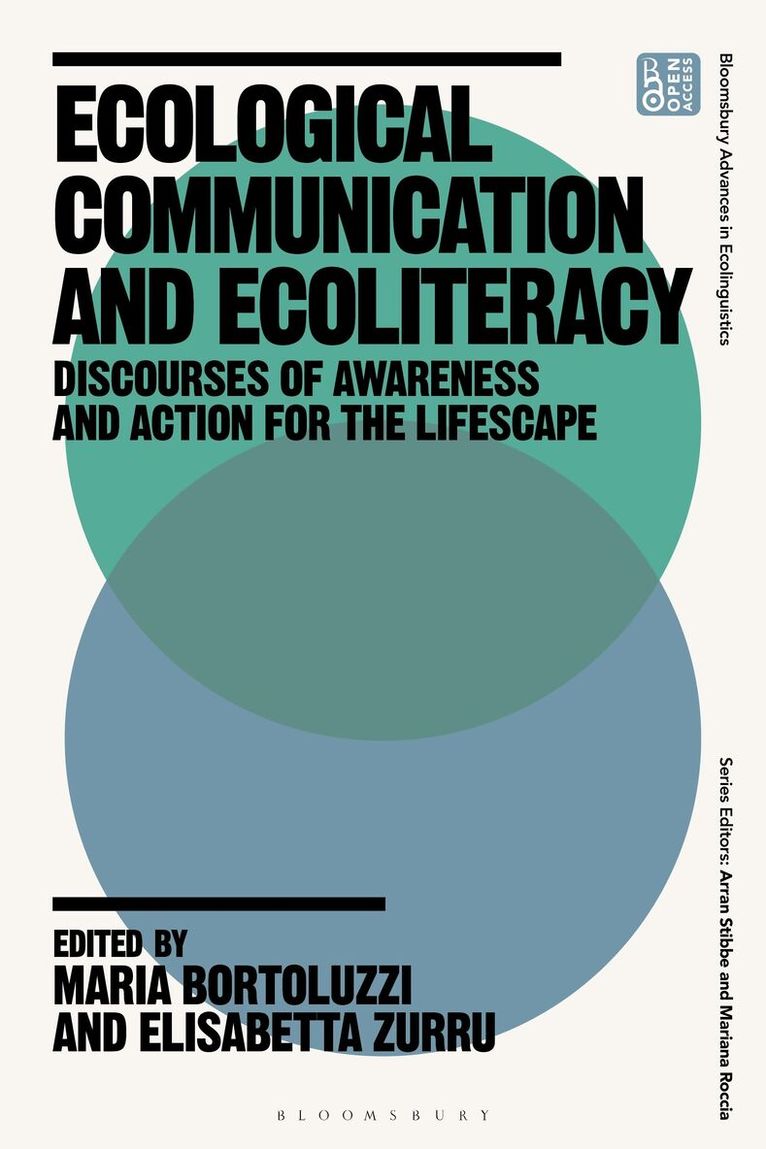
This open access volume is a call for ecological awareness and action through communication. It offers perspectives on how we, as humans, posit ourselves in relation to, and as part of, the environment in both verbal and non-verbal discourse. The contributions investigate a variety of situated communicative practices and how they instantiate and potentially influence our actions.Through the frameworks of ecolinguistics, multimodal studies and ecoliteracy, the book discusses how the environmental crisis is communicated as an urgent global and local issue in a variety of media, texts and events. The contributions present a wide range of case studies (including news articles, institutional websites, artwork installations, promotional texts, signposting, social campaigns and other), and they explore how communicative actions can help meet the challenges of ecologically-oriented change. The focus is on the impact that linguistic and multimodal communication can have on acting in, with and towards the environment seen as living ecosystems, or ‘lifescapes’. The chapters offer a reflection on the way we experience, endorse, reframe and resist value systems in ecological communication, and propose alternative and healthier perspectives to respect and preserve the common and nurturing lifescapes through awareness and action.The ebook editions of this book are available open access under a CC BY-NC-ND 4.0 licence on bloomsburycollections.com.
Häftad, Engelska, 2025
423 kr
Skickas inom 10-15 vardagar
This open access volume is a call for ecological awareness and action through communication. It offers perspectives on how we, as humans, posit ourselves in relation to, and as part of, the environment in both verbal and non-verbal discourse. The contributions investigate a variety of situated communicative practices and how they instantiate and potentially influence our actions.Through the frameworks of ecolinguistics, multimodal studies and ecoliteracy, the book discusses how the environmental crisis is communicated as an urgent global and local issue in a variety of media, texts and events. The contributions present a wide range of case studies (including news articles, institutional websites, artwork installations, promotional texts, signposting, social campaigns and other), and they explore how communicative actions can help meet the challenges of ecologically-oriented change. The focus is on the impact that linguistic and multimodal communication can have on acting in, with and towards the environment seen as living ecosystems, or ‘lifescapes’. The chapters offer a reflection on the way we experience, endorse, reframe and resist value systems in ecological communication, and propose alternative and healthier perspectives to respect and preserve the common and nurturing lifescapes through awareness and action.The ebook editions of this book are available open access under a CC BY-NC-ND 4.0 licence on bloomsburycollections.com.
Inbunden, Engelska, 2026
1 604 kr
Kommande
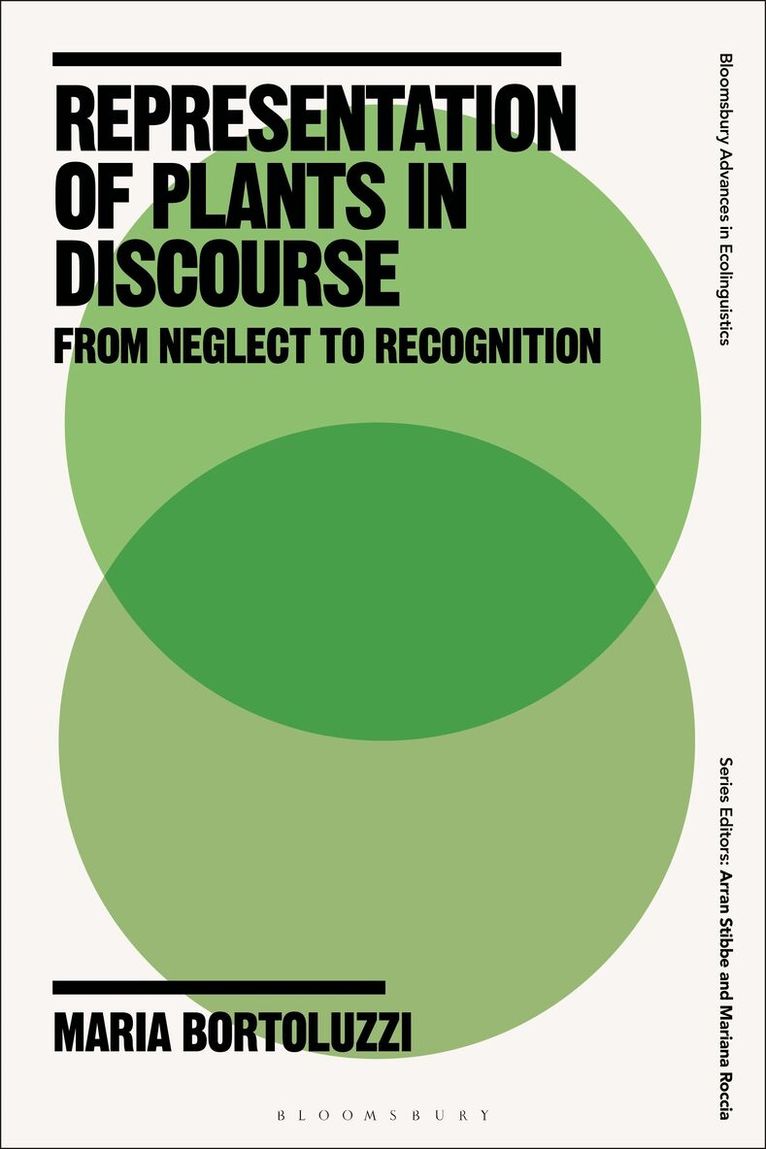
How do we communicate about plants in diverse socio-cultural contexts? Which underlying values and beliefs inform the positioning of plants in texts? Why is it essential to reflect on plant discourse at a time of climate crisis?Plants are life-sustaining protagonists on the planet, and their immense relevance in ecosystems and in our lives cannot be overstated. Yet, plants tend to be given less consideration than animals because their organisms are very different from ours, and their movements and actions are difficult to perceive because of our sensory limitations and different timeframes. Therefore, plants are often neglected and backgrounded, or discursively constructed as exploitable resources and commodities, especially in technological and urbanised social contexts. This results in discursive representations informed by de-animating and exploitative beliefs that have negative cascading impacts on the web of life. Vice versa, respect for all participants in Earth ecosystems, including plants, can foster ecojustice and wellbeing for all. This book analyses how we represent plants in a variety of socio-cultural and interactional contexts, in verbal and non-verbal texts. It discusses what these practices reveal about underlying values, and what impact these representations may have on the web of life. Since plant discourse has been under-represented in ecolinguistics so far, this study advocates for a plant turn in ecolinguistics, ecological discourse studies and ecomultimodality. Reflecting on how we speak and write about plants means giving recognition to the photosynthesising beings that sustain life on the planet.