Maria Kanellou – författare
Visar alla böcker från författaren Maria Kanellou. Handla med fri frakt och snabb leverans.
6 produkter
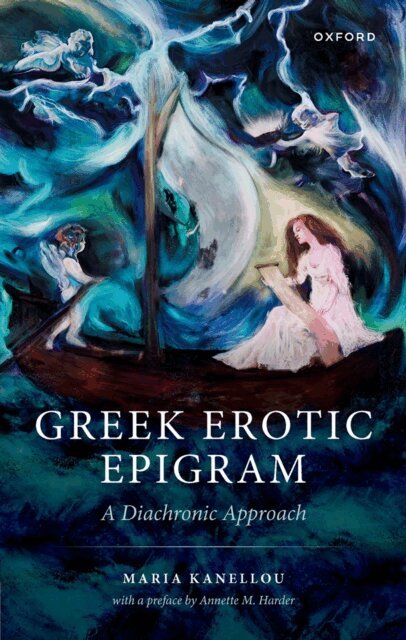
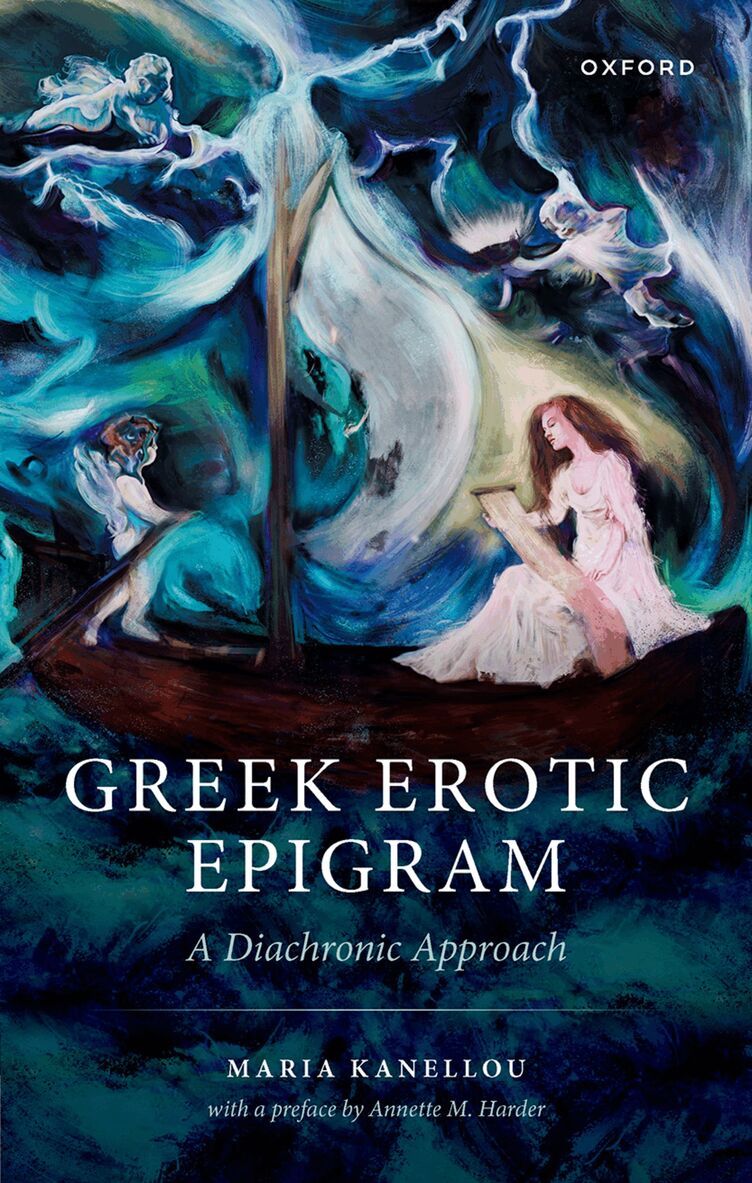
Greek Erotic Epigram
A Diachronic Approach
E-bok, 2025
1750 kr
Lägg i varukorg
Despite its small size, epigram attracted some of the best poetic talents of antiquity, exerting a strong influence on Latin literature and continuing to inspire poetic creativity until today. During the last decades research on epigram flourished to an unprecedented degree. Greek Erotic Epigram: A …
Greek Erotic Epigram
A Diachronic Approach
E-bok, 2025
1455 kr
Lägg i varukorg
Despite its small size, epigram attracted some of the best poetic talents of antiquity, exerting a strong influence on Latin literature and continuing to inspire poetic creativity until today. During the last decades research on epigram flourished to an unprecedented degree. Greek Erotic Epigram: A …
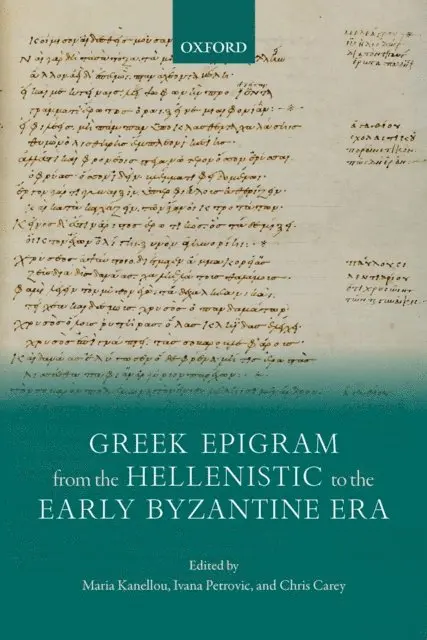
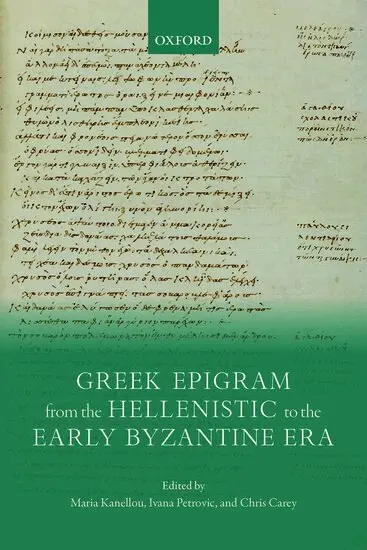
Greek Epigram from the Hellenistic to the Early Byzantine Era
Av Chris Carey, Ivana Petrovic m. fl.
E-bok, 2019
1792 kr
Lägg i varukorg
Greek epigram is a remarkable poetic form. The briefest of all ancient Greek genres, it is also the most resilient: for almost a thousand years it attracted some of the finest Greek poetic talents as well as exerting a profound influence on Latin literature, and it continues to inspire and …
Greek Epigram from the Hellenistic to the Early Byzantine Era
Av Chris Carey, Ivana Petrovic m. fl.
E-bok, 2019
1792 kr
Lägg i varukorg
Greek epigram is a remarkable poetic form. The briefest of all ancient Greek genres, it is also the most resilient: for almost a thousand years it attracted some of the finest Greek poetic talents as well as exerting a profound influence on Latin literature, and it continues to inspire and …
Greek Erotic Epigram
A Diachronic Approach
Inbunden, 2025
1959 kr
Lägg i varukorg
Despite its small size, epigram attracted some of the best poetic talents of antiquity, exerting a strong influence on Latin literature and continuing to inspire poetic creativity until today. During the last decades research on epigram flourished to an unprecedented degree. Greek Erotic Epigram: A …
Greek Epigram from the Hellenistic to the Early Byzantine Era
Av Maria Kanellou, Ivana Petrovic m. fl.
Inbunden, 2019
2181 kr
Lägg i varukorg
Greek epigram is a remarkable poetic form. The briefest of all ancient Greek genres, it is also the most resilient: for almost a thousand years it attracted some of the finest Greek poetic talents as well as exerting a profound influence on Latin literature, and it continues to inspire and …