Maria Todorova – författare
Visar alla böcker från författaren Maria Todorova. Handla med fri frakt och snabb leverans.
19 produkter
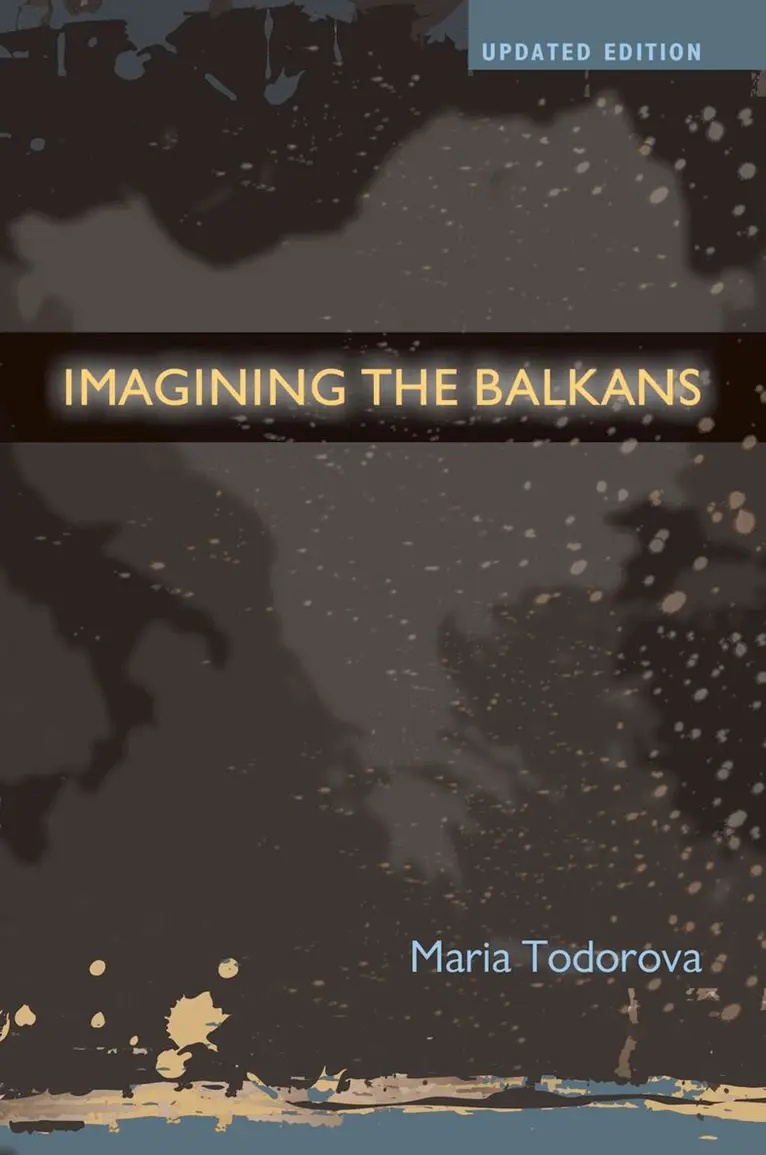
Imagining the Balkans
Häftad, 2009
714 kr
Lägg i varukorg
"If the Balkans hadn't existed, they would have been invented" was the verdict of Count Hermann Keyserling in his famous 1928 publication, Europe. Over ten years ago, Maria Todorova traced the relationship between the reality and the invention. Based on a rich selection of travelogues, diplomatic …
Imagining the Balkans
E-bok, 2009
491 kr
Lägg i varukorg
"If the Balkans hadn''t existed, they would have been invented" was the verdict of Count Hermann Keyserling in his famous 1928 publication, Europe . Over ten years ago, Maria Todorova traced the relationship between the reality and the invention. Based on a rich selection of travelogues, diplomatic …
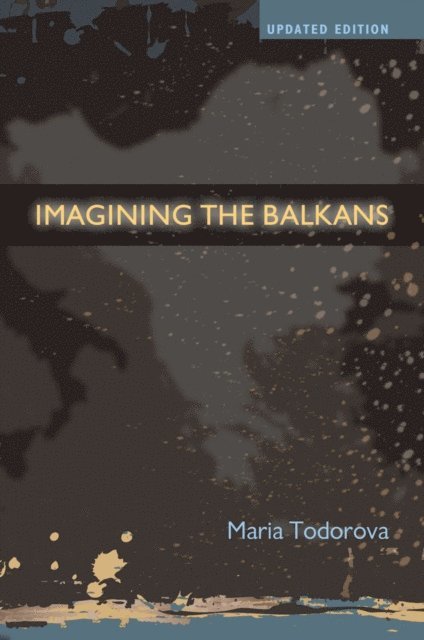
Imagining the Balkans
E-bok, 2009
437 kr
Lägg i varukorg
"If the Balkans hadn''t existed, they would have been invented" was the verdict of Count Hermann Keyserling in his famous 1928 publication, Europe . Over ten years ago, Maria Todorova traced the relationship between the reality and the invention. Based on a rich selection of travelogues, diplomatic …
Balkan Identities
Nation and Memory
Inbunden, 2004
1481 kr
Lägg i varukorg
Balkan Identities brings together historians, anthropologists, and literary scholars all working under the shared conviction that the only way to overcome history is to intimately understand it. The contributors of Balkan Identities focus on historical memory, collective national memory, and the …
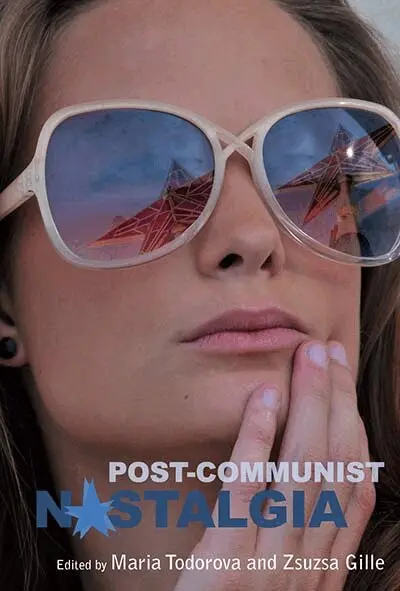
Post-communist Nostalgia
Av Maria Todorova, Zsuzsa Gille
Häftad, 2012
467 kr
Lägg i varukorg
Although the end of the Cold War was greeted with great enthusiasm by people in the East and the West, the ensuing social and especially economic changes did not always result in the hoped-for improvements in people’s lives. This led to widespread disillusionment that can be observed today all …
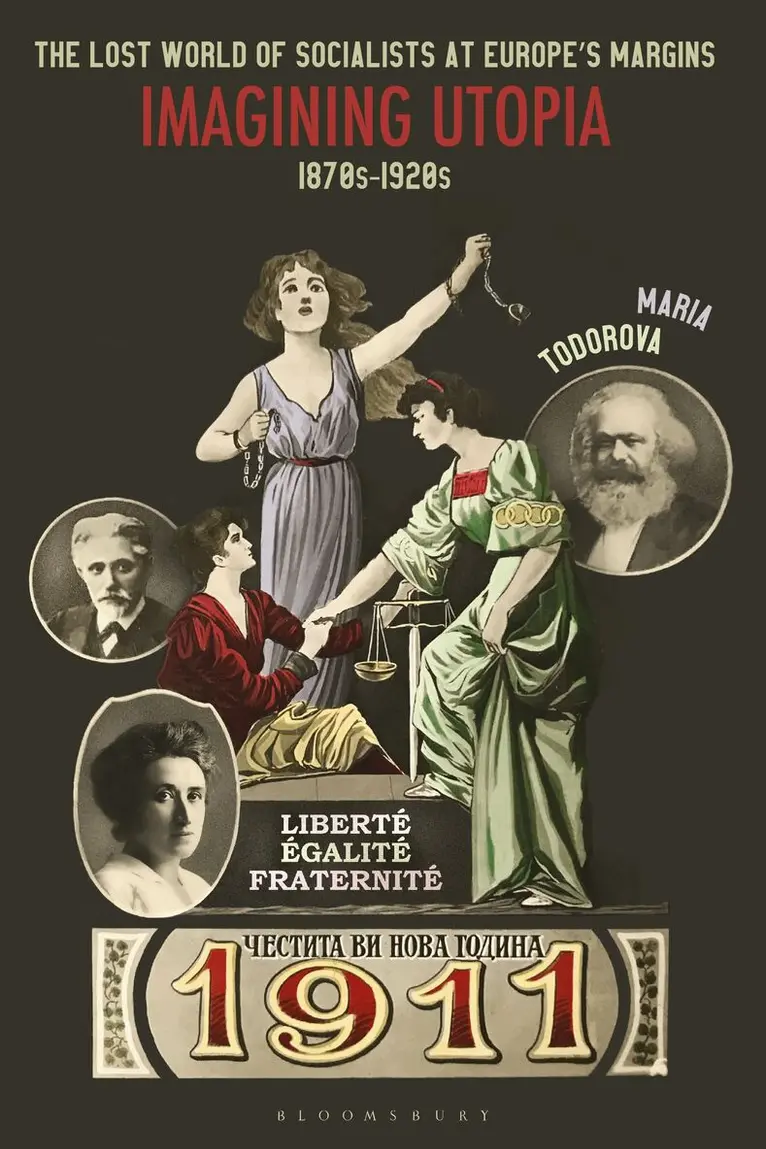
Lost World of Socialists at Europe’s Margins
Imagining Utopia, 1870s - 1920s
Inbunden, 2020
1610 kr
Lägg i varukorg
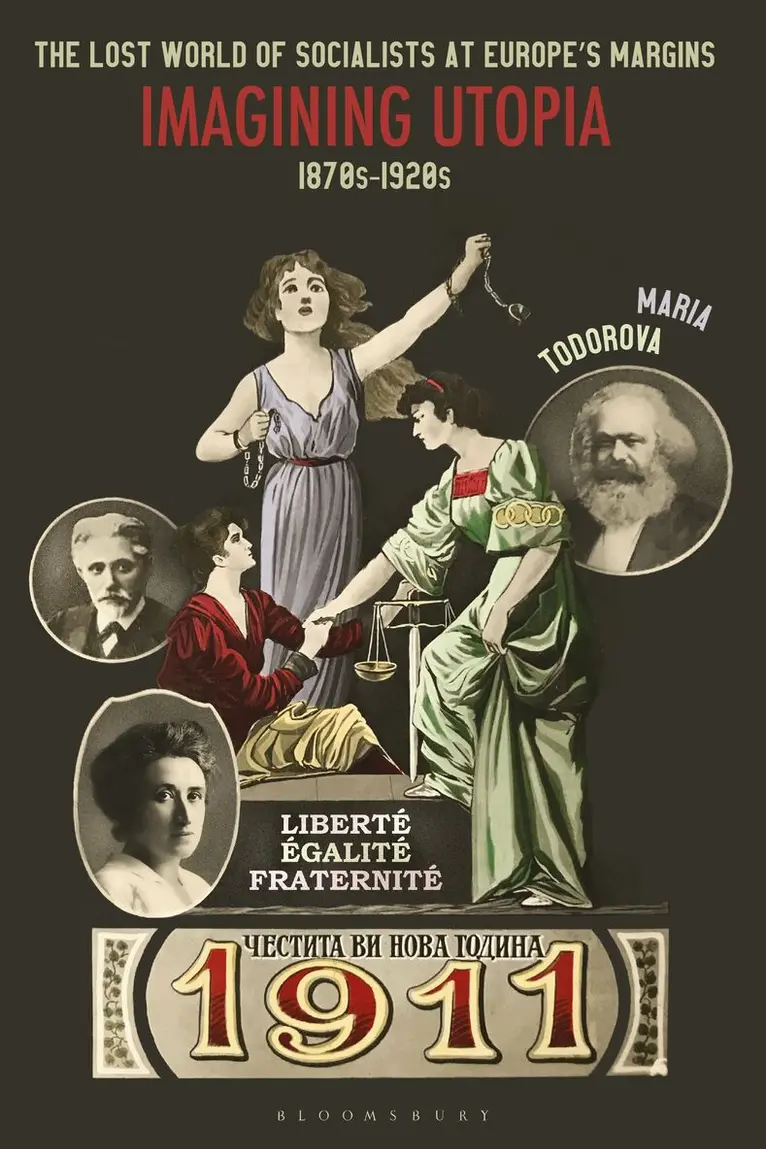
Maria Todorova’s book is devoted to the ‘golden age’ of the socialist idea, broadly surveying the period in and around the time of the Second International. It critically examines the promise for an alternative socialist utopia from 1870 to the 1920s. Todorova brings in the experience of the …
Lost World of Socialists at Europe’s Margins
Imagining Utopia, 1870s - 1920s
E-bok, 2020
499 kr
Lägg i varukorg
Maria Todorova''s book is devoted to the ''golden age'' of the socialist idea, broadly surveying the period in and around the time of the Second International. It critically examines the promise for an alternative socialist utopia from 1870 to the 1920s. Todorova brings in the experience of the …
Lost World of Socialists at Europe’s Margins
Imagining Utopia, 1870s - 1920s
E-bok, 2020
499 kr
Lägg i varukorg
Maria Todorova''s book is devoted to the ''golden age'' of the socialist idea, broadly surveying the period in and around the time of the Second International. It critically examines the promise for an alternative socialist utopia from 1870 to the 1920s. Todorova brings in the experience of the …
Lost World of Socialists at Europe’s Margins
Imagining Utopia, 1870s - 1920s
Häftad, 2022
473 kr
Lägg i varukorg
Maria Todorova’s book is devoted to the ‘golden age’ of the socialist idea, broadly surveying the period in and around the time of the Second International. It critically examines the promise for an alternative socialist utopia from 1870 to the 1920s. Todorova brings in the experience of the …
Post-communist Nostalgia
Av Maria Todorova, Zsuzsa Gille
Inbunden, 2010
1979 kr
Lägg i varukorg
Although the end of the Cold War was greeted with great enthusiasm by people in the East and the West, the ensuing social and especially economic changes did not always result in the hoped-for improvements in people’s lives. This led to widespread disillusionment that can be observed today all …
Post-communist Nostalgia
Av Zsuzsa Gille, Maria Todorova
E-bok, 2010
302 kr
Lägg i varukorg
Although the end of the Cold War was greeted with great enthusiasm by people in the East and the West, the ensuing social and especially economic changes did not always result in the hoped-for improvements in people’s lives. This led to widespread disillusionment that can be observed today all …
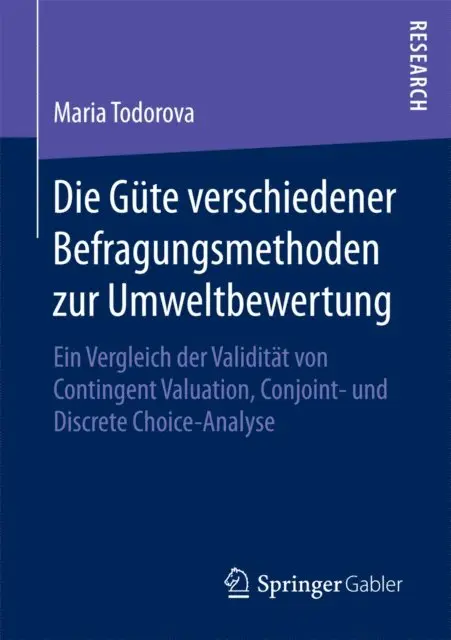
Die Güte verschiedener Befragungsmethoden zur Umweltbewertung
Ein Vergleich der Validität von Contingent Valuation, Conjoint- und Discrete Choice-Analyse
Häftad, 2016
634 kr
Lägg i varukorg
Die Arbeit untersuchtin drei experimentellen Studien mit induzierten Präferenzen, wie präziseContingent Valuation, Discrete Choice- und Conjoint Analyse unter verschiedenenBedingungen die Zahlungsbereitschaften für Umweltgüter erfassen. DieStudienergebnisse bieten Orientierung bei der Methodenwahl …
Die Güte verschiedener Befragungsmethoden zur Umweltbewertung
Ein Vergleich der Validität von Contingent Valuation, Conjoint- und Discrete Choice-Analyse
E-bok, 2016
672 kr
Lägg i varukorg
Die Arbeit untersuchtin drei experimentellen Studien mit induzierten Präferenzen, wie präziseContingent Valuation, Discrete Choice- und Conjoint Analyse unter verschiedenenBedingungen die Zahlungsbereitschaften für Umweltgüter erfassen. DieStudienergebnisse bieten Orientierung bei der Methodenwahl …
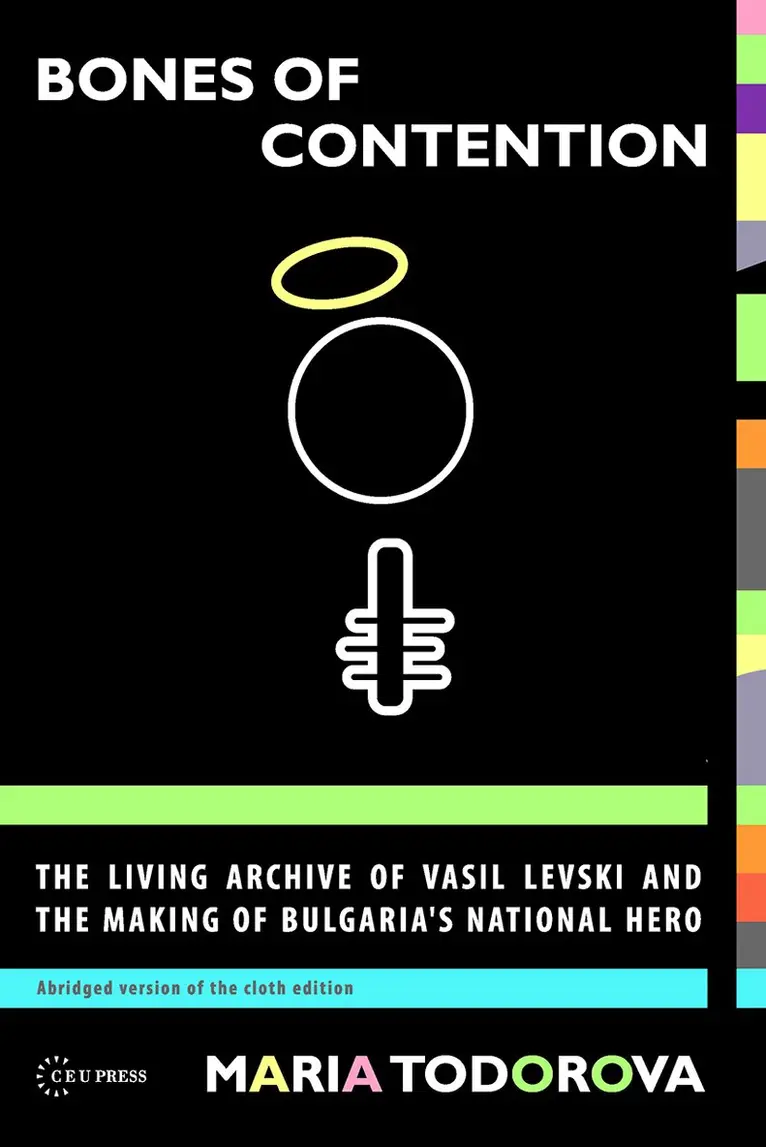
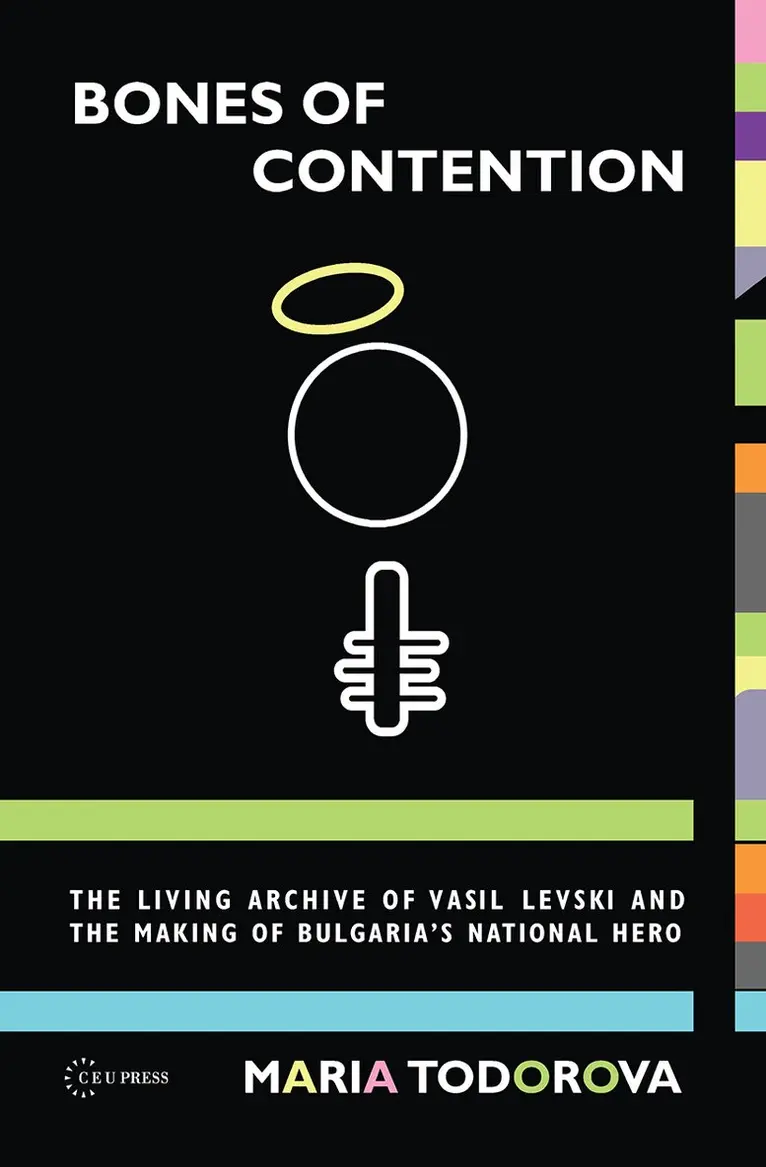
Bones of Contention
The living archive of Vasil Levski and the making of Bulgaria's national hero
Häftad, 2011
981 kr
Lägg i varukorg
This book is about documenting and analyzing the living archive around the figure of Vasil Levski (1837–1873), arguably the major and only uncontested hero of the Bulgarian national pantheon. The processes described, although with a chronological depth of almost two centuries, are still very much …
Balkans
Mission Possible
Inbunden, 2026
1776 kr
Lägg i varukorg
In this incisive book, Maria Todorova revisits the region she famously theorized, asking not only what has changed in the past thirty years but whether the conceptual tools used to understand the Balkans still make sense. Treating the Balkans as a historically contingent and ultimately transient …
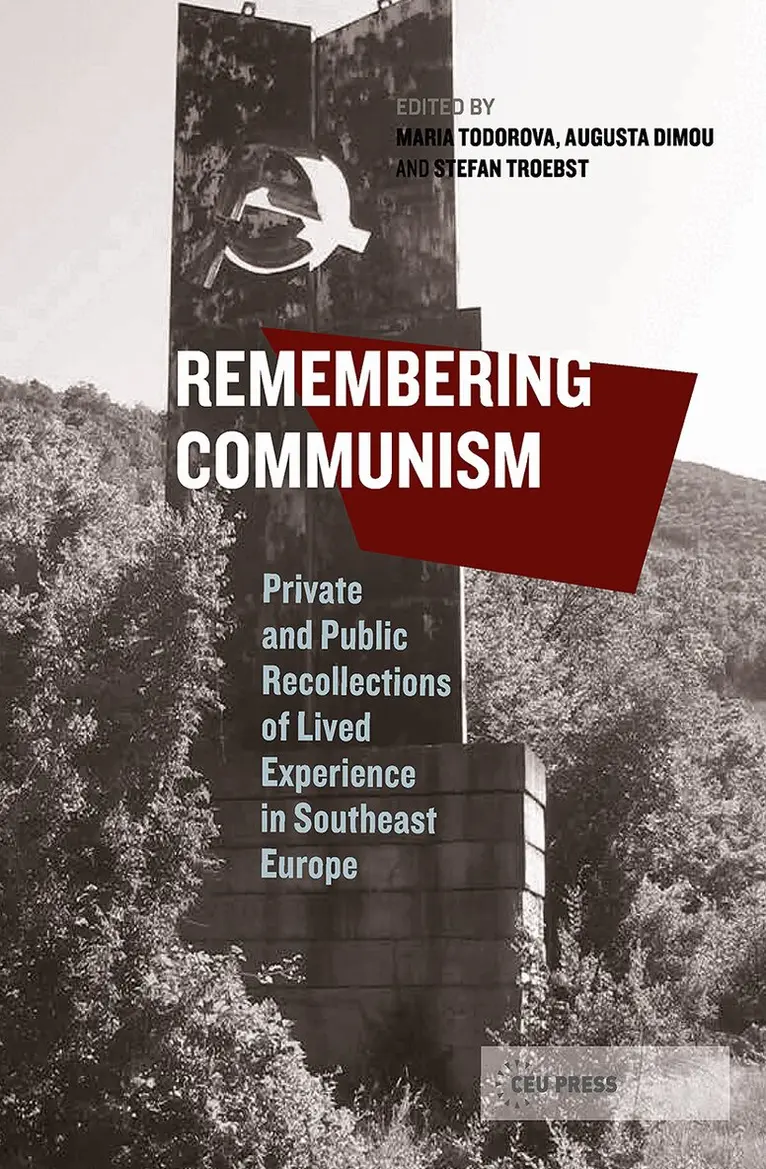
Remembering Communism
Private and Public Recollections of Lived Experience in Southeast Europe
Av Maria Todorova, Augusta Dimou m. fl.
Inbunden, 2014
2743 kr
Lägg i varukorg
Remembering Communism examines the formation and transformation of the memory of communism in the post-communist period. The majority of the articles focus on memory practices in the post-Stalinist era in Bulgaria and Romania, with occasional references to the cases of Poland and the GDR. Based on …
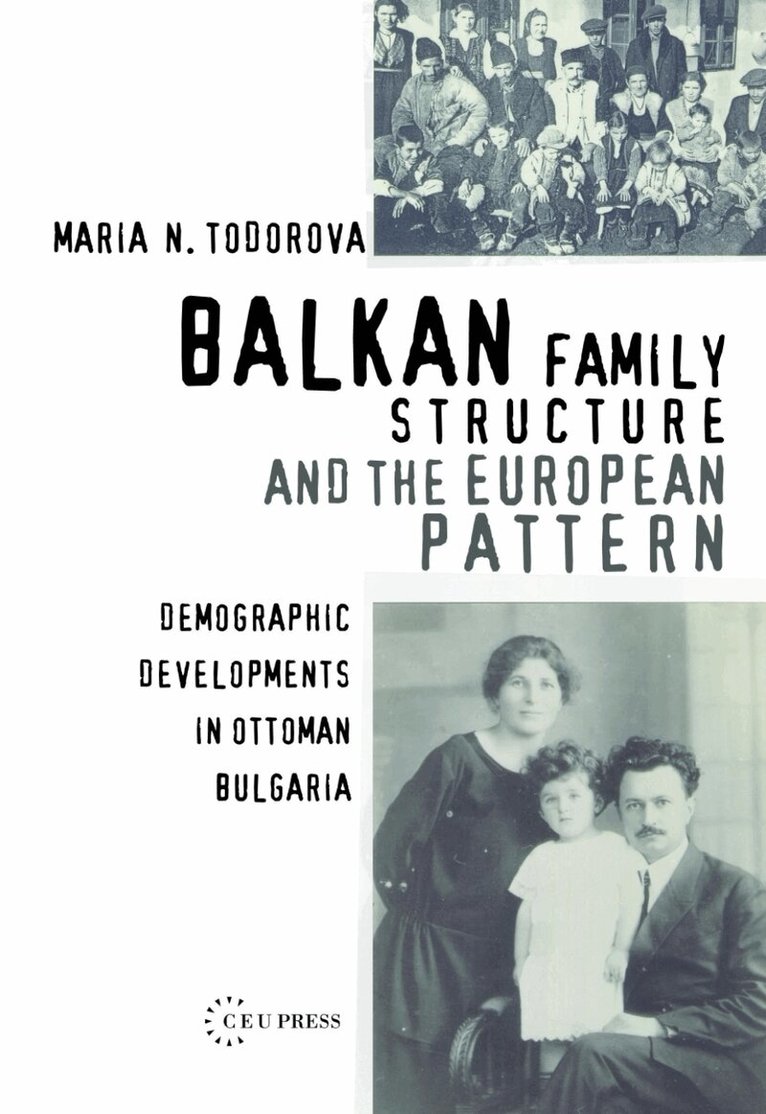
Balkan Family Structure and the European Pattern
Demographic Developments in Ottoman Bulgaria
Inbunden, 2006
1776 kr
Lägg i varukorg
This study, which is an updated, extended, and revised version of the out-of-print 1993 edition, reassesses the traditional stereotype of the place of the Balkans in the model of the European family in the nineteenth century on the basis of new source material and by synthesizing existing research. …
Bones of Contention
The living archive of Vasil Levski and the making of Bulgaria's national hero
Inbunden, 2009
2825 kr
Lägg i varukorg
This book is about documenting and analyzing the living archive around the figure of Vasil Levski (1837–1873), arguably the major and only uncontested hero of the Bulgarian national pantheon. The processes described, although with a chronological depth of almost two centuries, are still very much …