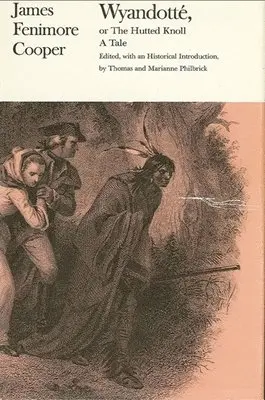
"One of the misfortunes of a nation, is to hear little besides its own praises," wrote James Fenimore Cooper in his Preface to Wyandotté in 1843. The novel arrived at a time when a patriotic mythology about the American Revolution was developing, and Cooper's somber tale of the sufferings of an isolated family in upstate New York during the Revolution was not congruent with the celebratory stories then being told. One reviewer indeed objected to Cooper's "cynicism which hunts after cracks and crevices and unshapely stones in the altar of our political devotion."In its critical trenchancy, somber tone, and subdued action, Wyandotté is representative of the strongest novels of Cooper's last decade. The elements of romance that are prominent in his fiction of the 1820s here give way to a new emphasis upon characterization and a new interest in familial life. As Edgar Allen Poe observed, in Maud Meredith Cooper creates his most spirited heroine, and in Saucy Nick, his most credible Indian."Nothing is truly patriotic," Cooper warns us in his Preface, "that is not strictly true and just." In his last tale of the Revolution, he leaves national self-congratulation to the orators and newspaper editors and hews to his own demanding conception of devotion to his country.
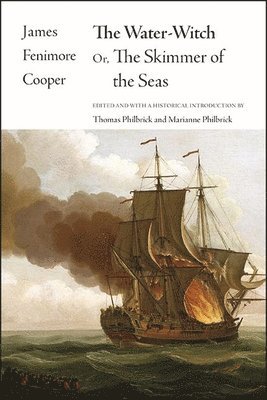
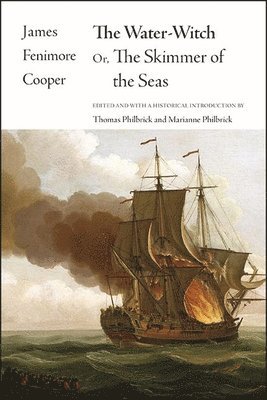
An exciting tale of nautical adventure on the waters of colonial New York Harbor.Chiefly set on the waters and islands of New York Harbor in the early years of the 1700s, James Fenimore Cooper's novel The Water-Witch (1830) paints a vivid picture of life in the little colonial port. It was familiar territory for Cooper, who a century later had served as a junior officer on board an eighteen-gun sloop-of-war stationed at the Brooklyn Navy Yard. That experience acquainted him with the navigational intricacies and dangers with which his characters must deal as they carry out the central action of the novel, the repeated attempts by a British naval cruiser to capture the brigantine commanded by a notorious smuggler known as the Skimmer of the Seas. As in all of Cooper's nautical novels, the scenes of ship-handling and naval combat in The Water-Witch are rendered with absolute authenticity, but here he envelops them in a cloud of mystery and magic that is dispersed only in the chaotic climax of the book. This scholarly edition includes an informative historical introduction and thorough explanatory notes. It also serves as an example of the processes by which an authoritative text is established.The Writings of James Fenimore Cooper The distinguished Cooper scholar James Franklin Beard (1919–1989) began organizing the Writings of James Fenimore Cooper in the late 1960s, as his work on publishing the monumental Letters and Journals of James Fenimore Cooper came to fulfillment. Beard's intention was to provide readers with sound scholarly editions of Cooper's major works, based wherever possible on authorial manuscripts. To date, the Writings of James Fenimore Cooper has made available texts of many of Cooper's best-known novels, as well as some of his most important works of political and social commentary.
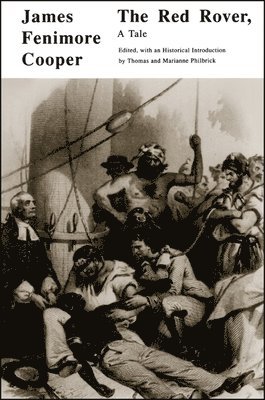
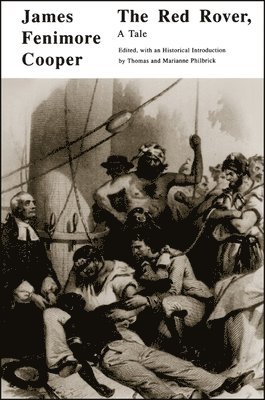
Turning to his own extensive maritime experience, Cooper's novel, written in Paris in 1827, reflects his immersion in the romantic movement that was sweeping the Continent. European readers enjoyed his poetic and imaginative portrayal of the sea, while American readers were interested in how he depicted the early stirrings of nationalism in the New World decades prior to the Revolution.Cooper's striking association of the sublime power of nature with the rebellious spirit of his pirate-hero established and defined the sea novel as a literary genre. By far the most influential of his maritime tales, The Red Rover was read and admired by Goethe and Berlioz, Melville and Conrad.This edition, the first to be based on Cooper's original manuscript, offers the modern reader a major document of romanticism and a compelling narrative of adventure at sea.
"One of the misfortunes of a nation, is to hear little besides its own praises," wrote James Fenimore Cooper in his Preface to Wyandotté in 1843. The novel arrived at a time when a patriotic mythology about the American Revolution was developing, and Cooper's somber tale of the sufferings of an isolated family in upstate New York during the Revolution was not congruent with the celebratory stories then being told. One reviewer indeed objected to Cooper's "cynicism which hunts after cracks and crevices and unshapely stones in the altar of our political devotion."In its critical trenchancy, somber tone, and subdued action, Wyandotté is representative of the strongest novels of Cooper's last decade. The elements of romance that are prominent in his fiction of the 1820s here give way to a new emphasis upon characterization and a new interest in familial life. As Edgar Allen Poe observed, in Maud Meredith Cooper creates his most spirited heroine, and in Saucy Nick, his most credible Indian."Nothing is truly patriotic," Cooper warns us in his Preface, "that is not strictly true and just." In his last tale of the Revolution, he leaves national self-congratulation to the orators and newspaper editors and hews to his own demanding conception of devotion to his country.
An exciting tale of nautical adventure on the waters of colonial New York Harbor.Chiefly set on the waters and islands of New York Harbor in the early years of the 1700s, James Fenimore Cooper's novel The Water-Witch (1830) paints a vivid picture of life in the little colonial port. It was familiar territory for Cooper, who a century later had served as a junior officer on board an eighteen-gun sloop-of-war stationed at the Brooklyn Navy Yard. That experience acquainted him with the navigational intricacies and dangers with which his characters must deal as they carry out the central action of the novel, the repeated attempts by a British naval cruiser to capture the brigantine commanded by a notorious smuggler known as the Skimmer of the Seas. As in all of Cooper's nautical novels, the scenes of ship-handling and naval combat in The Water-Witch are rendered with absolute authenticity, but here he envelops them in a cloud of mystery and magic that is dispersed only in the chaotic climax of the book. This scholarly edition includes an informative historical introduction and thorough explanatory notes. It also serves as an example of the processes by which an authoritative text is established.The Writings of James Fenimore Cooper The distinguished Cooper scholar James Franklin Beard (1919–1989) began organizing the Writings of James Fenimore Cooper in the late 1960s, as his work on publishing the monumental Letters and Journals of James Fenimore Cooper came to fulfillment. Beard's intention was to provide readers with sound scholarly editions of Cooper's major works, based wherever possible on authorial manuscripts. To date, the Writings of James Fenimore Cooper has made available texts of many of Cooper's best-known novels, as well as some of his most important works of political and social commentary.