Marianne Takle - Böcker
Visar alla böcker från författaren Marianne Takle. Handla med fri frakt och snabb leverans.
6 produkter
6 produkter
2 091 kr
Skickas inom 10-15 vardagar
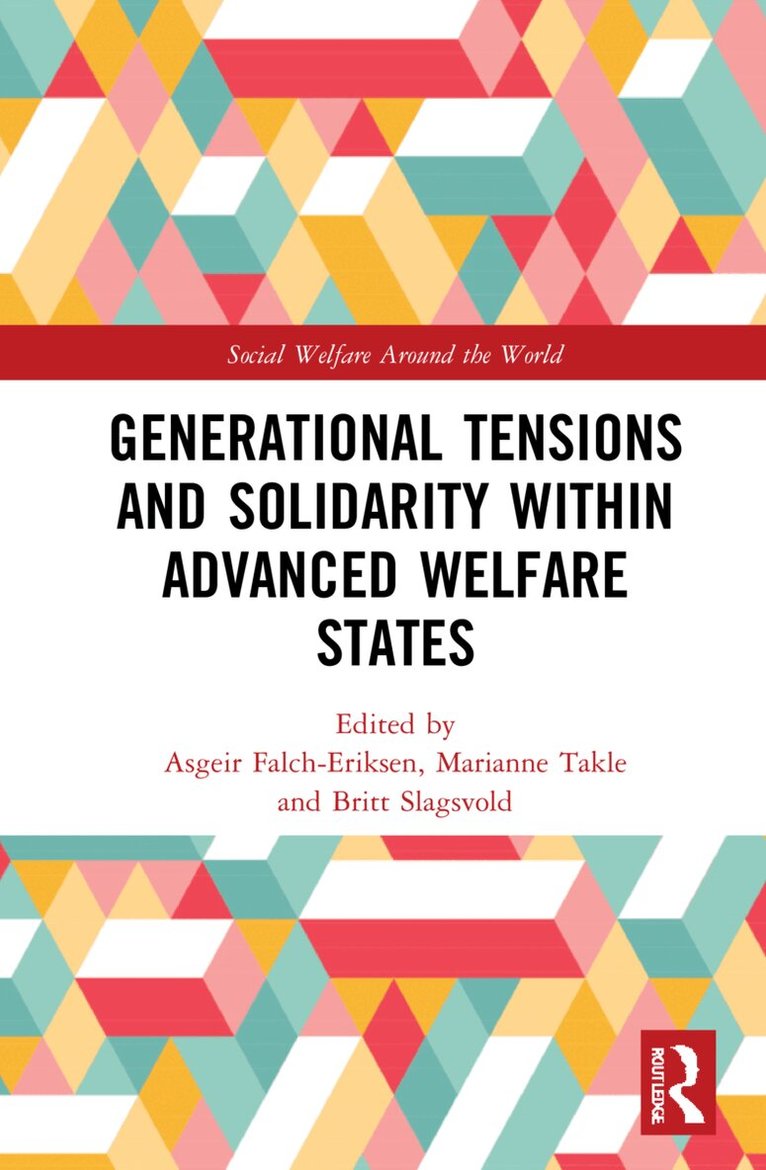
This book explores generation as both a reference to family or kinship structures, and a reference to cohorts or age sets. The principal objective is branching out this two-part concept through studies of tensions and solidarity within and between generations of advanced and robust welfare states. Answering key questions using multiple disciplinary approaches, the book considers how generations challenge advanced and robust welfare states; how new and young generations are affected by living in an advanced welfare state with older generations; how tensions or solidarity are understood when facing challenges; and what the key characteristics are of certain generation types. It contributes to the development of a more comprehensive generation approach within social sciences by developing the concept of generation by exploring different challenges to the welfare state such as migration, digitalization, environmental damages, demands for sustainability, and marginalization. Highlighting the escalating tensions and altered versions of solidarity between generations, this book shows how a comprehensive concept of a generation can create new insights into how we collectively coordinate and resolve challenges through the welfare state. It will be of interest to all scholars and students of social policy, sociology, political science, and social anthropology.
618 kr
Skickas inom 10-15 vardagar
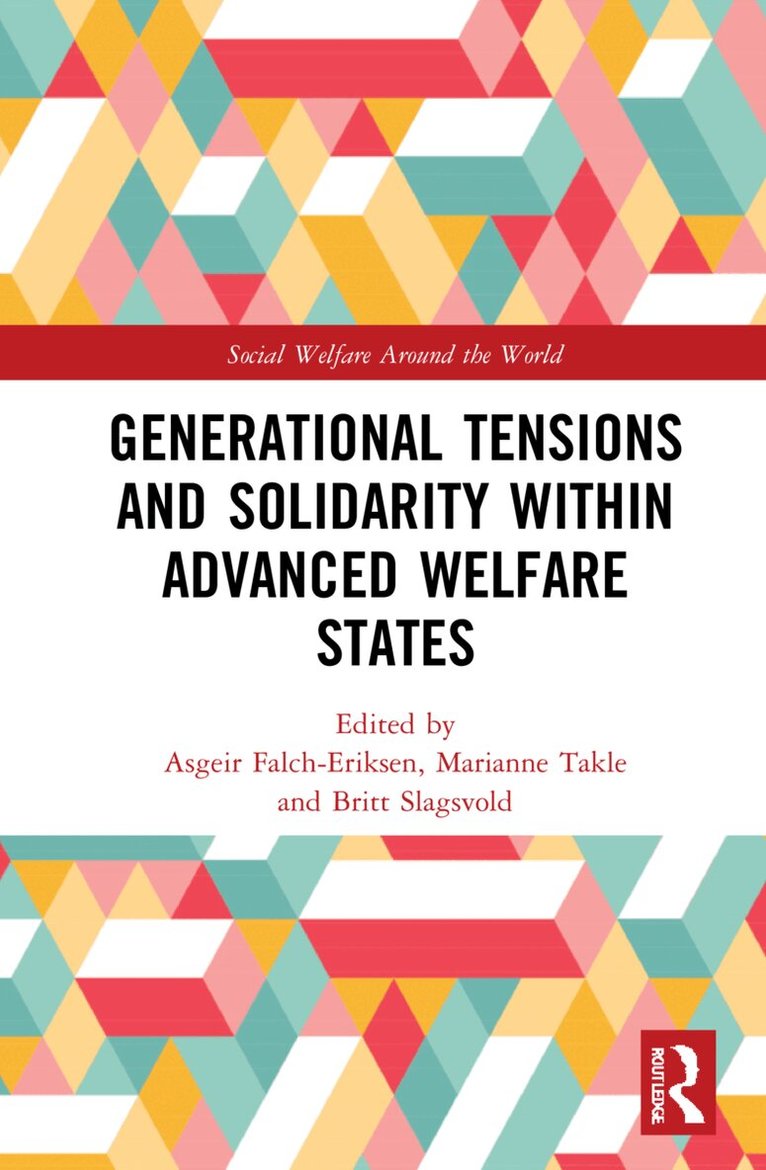
This book explores generation as both a reference to family or kinship structures, and a reference to cohorts or age sets. The principal objective is branching out this two-part concept through studies of tensions and solidarity within and between generations of advanced and robust welfare states. Answering key questions using multiple disciplinary approaches, the book considers how generations challenge advanced and robust welfare states; how new and young generations are affected by living in an advanced welfare state with older generations; how tensions or solidarity are understood when facing challenges; and what the key characteristics are of certain generation types. It contributes to the development of a more comprehensive generation approach within social sciences by developing the concept of generation by exploring different challenges to the welfare state such as migration, digitalization, environmental damages, demands for sustainability, and marginalization. Highlighting the escalating tensions and altered versions of solidarity between generations, this book shows how a comprehensive concept of a generation can create new insights into how we collectively coordinate and resolve challenges through the welfare state. It will be of interest to all scholars and students of social policy, sociology, political science, and social anthropology.
2 091 kr
Skickas inom 10-15 vardagar
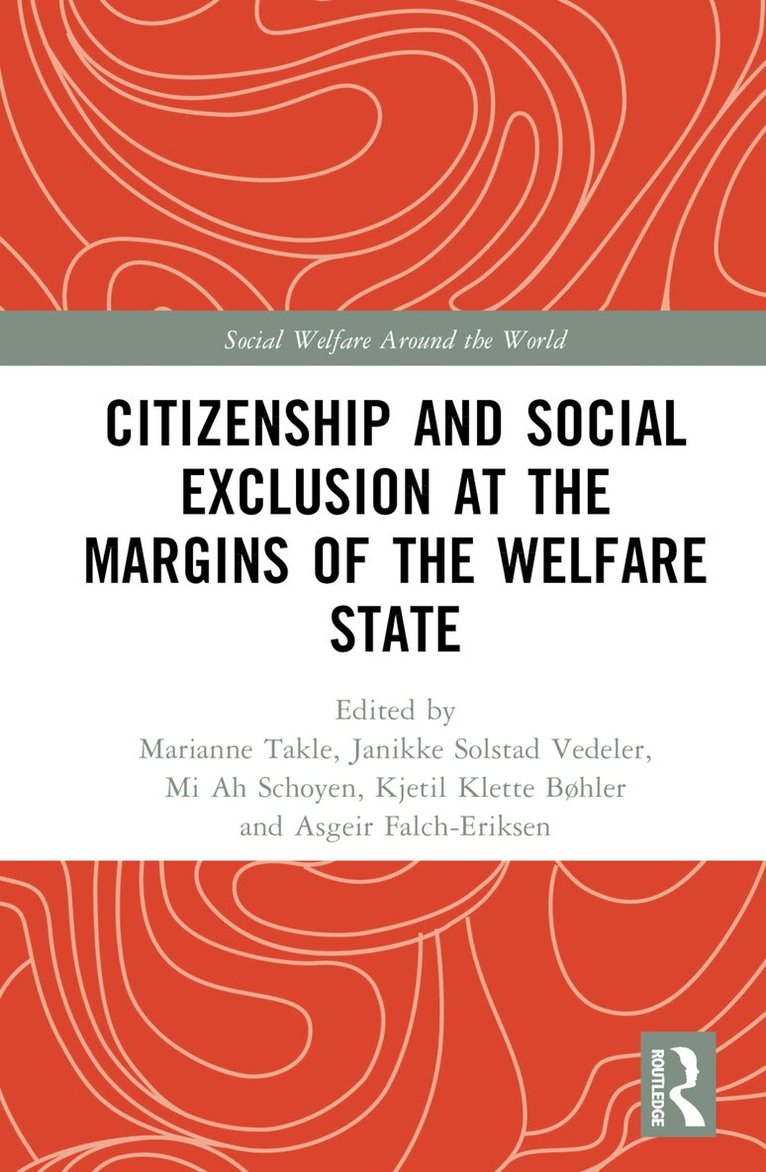
This book presents a critical account of how citizenship unfolds among socially marginalised groups in democratic welfare states. Legal, political and sociological perspectives are applied to offer an assessment of the extent and depth of citizenship for marginalised groups in countries which are expected to offer their members a highly inclusive form of citizenship.The book studies the legal and political status of members of a nation-state, and analyses how this is followed up in practice, by examining the subjective feelings of membership, belonging or identity, as well as opportunities to participate actively and be included in different areas of society. Showing how the welfare state and society treat citizens at risk of social exclusion and offering new insights into the conceptual interconnection between citizenship, social exclusion, and the democratic welfare state, the book will be of interest to all scholars, students and academics of social policy, social work and public policy.
577 kr
Skickas inom 10-15 vardagar
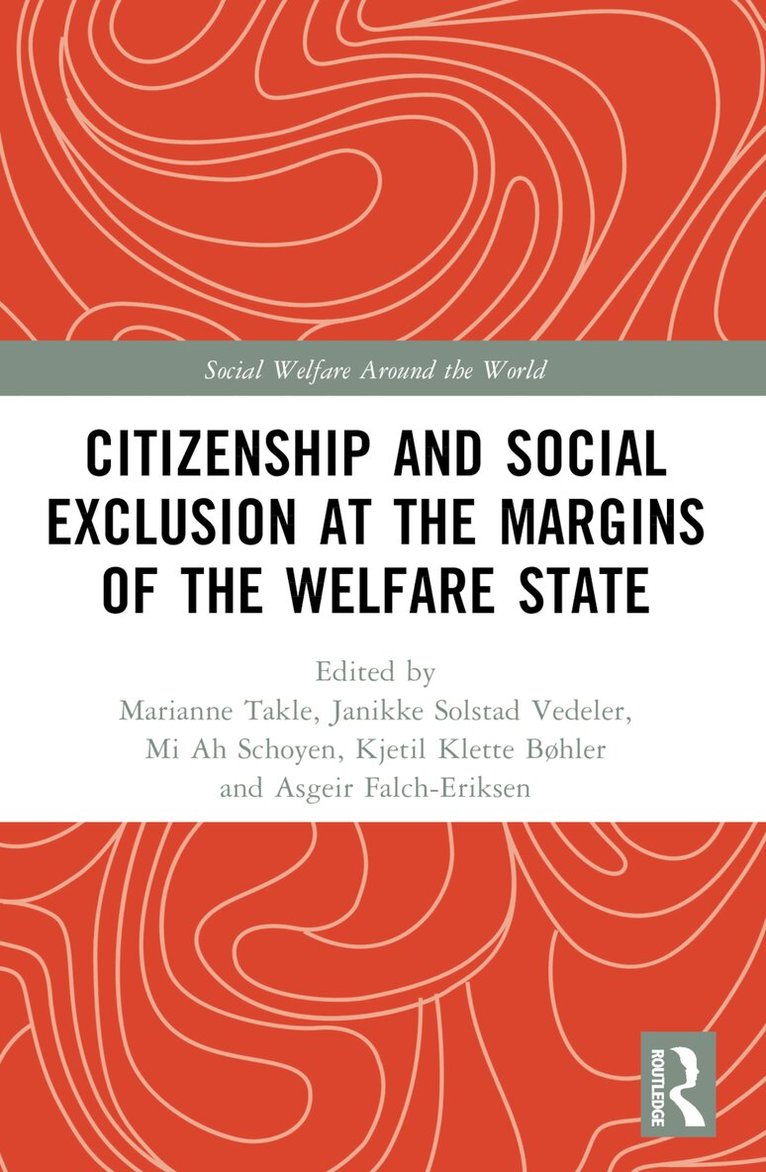
This book presents a critical account of how citizenship unfolds among socially marginalised groups in democratic welfare states. Legal, political and sociological perspectives are applied to offer an assessment of the extent and depth of citizenship for marginalised groups in countries which are expected to offer their members a highly inclusive form of citizenship.The book studies the legal and political status of members of a nation-state, and analyses how this is followed up in practice, by examining the subjective feelings of membership, belonging or identity, as well as opportunities to participate actively and be included in different areas of society. Showing how the welfare state and society treat citizens at risk of social exclusion and offering new insights into the conceptual interconnection between citizenship, social exclusion, and the democratic welfare state, the book will be of interest to all scholars, students and academics of social policy, social work and public policy.
1 957 kr
Skickas inom 10-15 vardagar
Today’s generations can affect the future ecosystem more than any previous generations and aggravate the welfare of future people. People who have not yet been born are excluded from political decisions important to their lives. Due to the future generations’ lack of influence, current generations have a responsibility to act.The current generation's responsibility for the well-being of future generations has been used as an argument for an increasing number of legislative and policy measures across the world but are rarely followed up in practice.This book examines when commitments to future generations are followed up in practice and in what situations they are not.A concept of solidarity with future generations is developed and applied to four policy areas: the UN 2030 Agenda, national political institutions for future generations, constitutions and climate lawsuits, and regulations of economic debt or savings for future generations. Germany and Norway are selected as cases to evaluate what the commitments might entail in practice.The book highlights where the gaps emerge, and what needs to be done. The failing transition from the global to the national level highlights a need for stronger cosmopolitan elements in the international political system. Institutional bindings are generally weak at the national level. Financial restrictions show it is possible to establish strong institutional constraints, but the focus on financial resources is too narrow. Both national and global institutional bindings must be strengthened to show social solidarity with future generations.
577 kr
Skickas inom 10-15 vardagar
Today’s generations can affect the future ecosystem more than any previous generations and aggravate the welfare of future people. People who have not yet been born are excluded from political decisions important to their lives. Due to the future generations’ lack of influence, current generations have a responsibility to act.The current generation's responsibility for the well-being of future generations has been used as an argument for an increasing number of legislative and policy measures across the world but are rarely followed up in practice.This book examines when commitments to future generations are followed up in practice and in what situations they are not.A concept of solidarity with future generations is developed and applied to four policy areas: the UN 2030 Agenda, national political institutions for future generations, constitutions and climate lawsuits, and regulations of economic debt or savings for future generations. Germany and Norway are selected as cases to evaluate what the commitments might entail in practice.The book highlights where the gaps emerge, and what needs to be done. The failing transition from the global to the national level highlights a need for stronger cosmopolitan elements in the international political system. Institutional bindings are generally weak at the national level. Financial restrictions show it is possible to establish strong institutional constraints, but the focus on financial resources is too narrow. Both national and global institutional bindings must be strengthened to show social solidarity with future generations.