2 478 kr
Skickas inom 10-15 vardagar
2 478 kr
Skickas inom 10-15 vardagar
697 kr
Skickas inom 10-15 vardagar
805 kr
Läs direkt efter köp
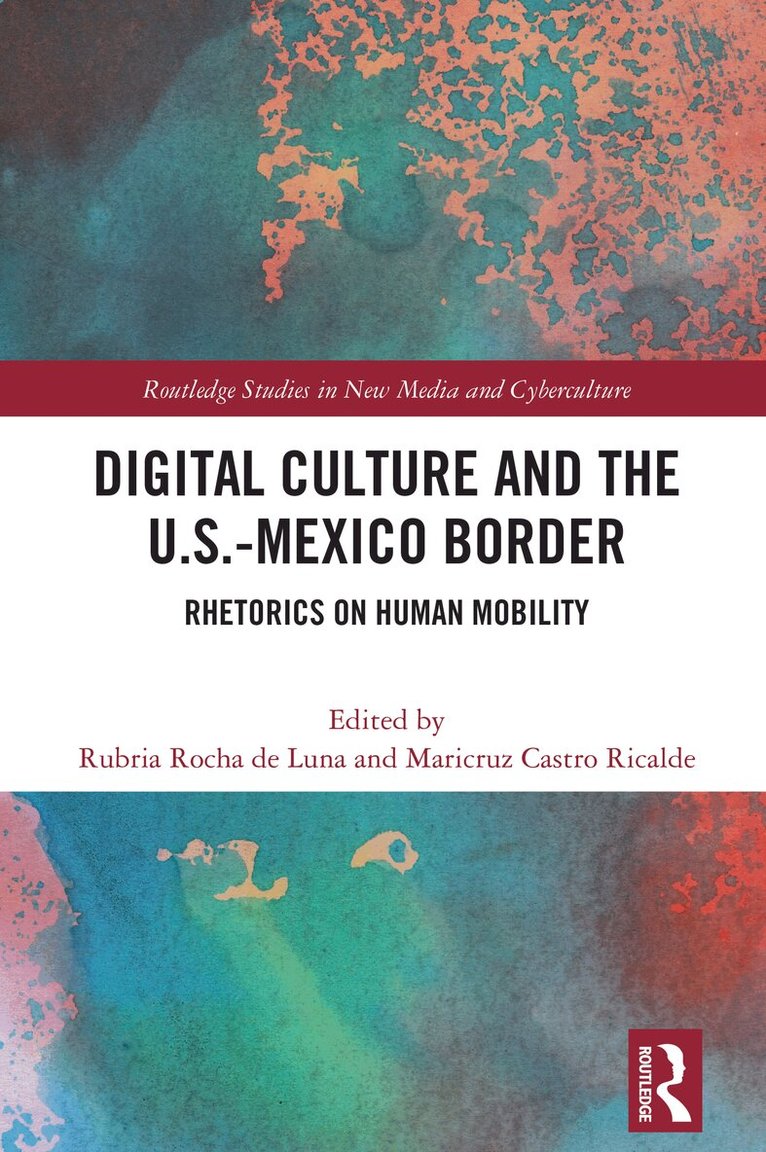
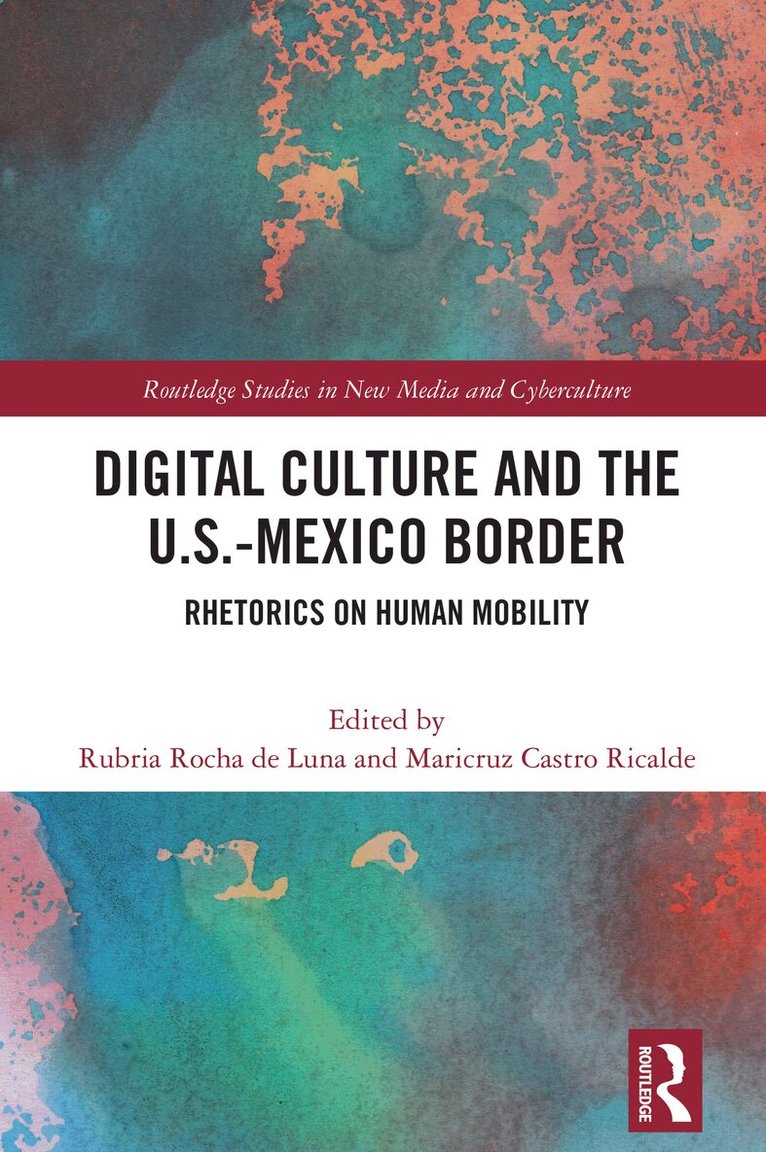
Conceptualizing how digital artifacts can function as a frontier mediated by technology in the geographical, physical, sensory, visual, discursive, and imaginary, this volume offers an interdisciplinary analysis of digital material circulating online in a way that creates a digital dimension of the Mexico-U.S. border.
In the context of a world where digital media has helped to shape geopolitical borders and impacted human mobility in positive and negative ways, the book explores new modes of expression in which identification, memory, representation, persuasion, and meaning-making are created, experienced, and/or circulated through digital technologies. An interdisciplinary team of scholars looks at how quick communications bring closer transnational families and how online resources can be helpful for migrants, but also at how digital media can serve to control and reinforce borders via digital technology used to create a system of political control that reinforces stereotypes. The book deconstructs digital artifacts such as the digital press, social media, digital archives, web platforms, technological and artistic creations, visual arts, video games, and artificial intelligence to help us understand the anti-immigrant and dehumanizing discourse of control, as well as the ways migrants create vernacular narratives as digital activism to break the stereotypes that afflict them.
This timely and insightful volume will interest scholars and students of digital media, communication studies, journalism, migration, and politics.
813 kr
Läs direkt efter köp
Conceptualizing how digital artifacts can function as a frontier mediated by technology in the geographical, physical, sensory, visual, discursive, and imaginary, this volume offers an interdisciplinary analysis of digital material circulating online in a way that creates a digital dimension of the Mexico-U.S. border.
In the context of a world where digital media has helped to shape geopolitical borders and impacted human mobility in positive and negative ways, the book explores new modes of expression in which identification, memory, representation, persuasion, and meaning-making are created, experienced, and/or circulated through digital technologies. An interdisciplinary team of scholars looks at how quick communications bring closer transnational families and how online resources can be helpful for migrants, but also at how digital media can serve to control and reinforce borders via digital technology used to create a system of political control that reinforces stereotypes. The book deconstructs digital artifacts such as the digital press, social media, digital archives, web platforms, technological and artistic creations, visual arts, video games, and artificial intelligence to help us understand the anti-immigrant and dehumanizing discourse of control, as well as the ways migrants create vernacular narratives as digital activism to break the stereotypes that afflict them.
This timely and insightful volume will interest scholars and students of digital media, communication studies, journalism, migration, and politics.
1 163 kr
Skickas inom 5-8 vardagar
Cine político en México (1968-2017) busca dibujar caminos que ayuden a visibilizar cierta dimensión histórica, política y social del cine y el video en México; apela a valorar el quehacer cinematográfico y audiovisual en su relación con movimientos sociales y culturales; y se pregunta acerca de los horizontes que se manifiestan, y los efectos que se producen en esa conexión que establece con la realidad. Buscamos establecer un diálogo entre la mirada que analiza la obra y la experiencia de hacer cine o video en México, y es en este intercambio cuando el trabajo toma forma en dos grandes ejes. El primer eje, Miradas, es un conjunto de ensayos dedicados a analizar los discursos que se tejen sobre historias inspiradas en acontecimientos contemporáneos, donde se valoran obras en su sentido documental, en la experiencia estética que provocan, y en la acción política que construyen. Y el segundo eje, Experiencias, contiene un conjunto de relatos de cineastas, productores y videoastas que debaten sobre su profesión como buscadores de historias y reflexionan sobre los procesos que los llevan a la definición de una idea y lo que resulta de ella en el camino; son historias de confidencia, de conflictos, que se preguntan sobre ese compromiso que establecen con la realidad.
El cine mexicano en Buenos Aires (1934-1943)
994 kr
Skickas inom 5-8 vardagar
En este libro se da cuenta de la presencia del cine mexicano en Buenos Aires desde la exhibición de las primeras películas de esa procedencia en 1934, hasta el afi anzamiento de la esfera de la distribución y el arraigo entre los espectadores porteños de algunas fi guras populares, diez años después.
La narración, ordenada de forma cronológica, aborda la distribución, la exhibición y la recepción de las películas mexicanas, así como las visitas que hicieron a la ciudad actores, directores y otros profesionales del cine mexicano para acompañar el lanzamiento de producciones, participar en cintas locales o considerar la realización de proyectos.
La obra ofrece así conocimiento sobre un periodo poco estudiado, en el que se sentaron las bases de expansión de los llamados "cines clásicos". También, desde una perspectiva transnacional, pone en juego una discusión acerca por un lado de la producción, la distribución y el consumo de objetos culturales, y por otro de los intercambios industriales y profesionales.
Los principales destinatarios del libro son quienes, en el ámbito universitario, se interesan en la historia de las cinematografías latinoamericanas. En este sentido, es un volumen que puede incorporarse a bibliotecas de instituciones que ofrezcan licenciaturas o posgrados de historia, cine o humanidades relativos a América Latina. Pero por los temas que trata y su narración amena y clara, la obra también puede resultar interesante a lectores que, fuera del mundo académico, se sientan atraídos por el conocimiento del cine, la música, la literatura y la cultura general del continente.
983 kr
Skickas inom 5-8 vardagar
"It was a great night for Mexico, as usual." Donald Trump’s words about Alejandro González Iñárritu on Oscars’ night 2014 were a preview of his now-notorious attitude toward Mexicans: "He’s walking away with all the gold? Was it that good? I don’t hear that. It was certainly a big night for them." Although the future president’s comments were offensive, for scholars interested in transnational film and literature his words were pure gold, for they raise questions about "nation" as a category of representation. When we invoke "Mexican cinema," we imply that some kind of "national cinema" exists – but what is a national cinema? Is the cinema made in the US a national cinema in the same way as that of Mexico’s? And is a film made by a foreigner in Mexico part of Mexican cinema? What does it mean for a film or a literary work to cross a border? And are borders to be defined in geographical terms only, or can they also be cast in terms of gender, sexual orientation, race, or language itself? This book, in short, reflects on the implications of the term transnational in relation to film and literature conceived – in any way, shape, or form – as "Mexican."