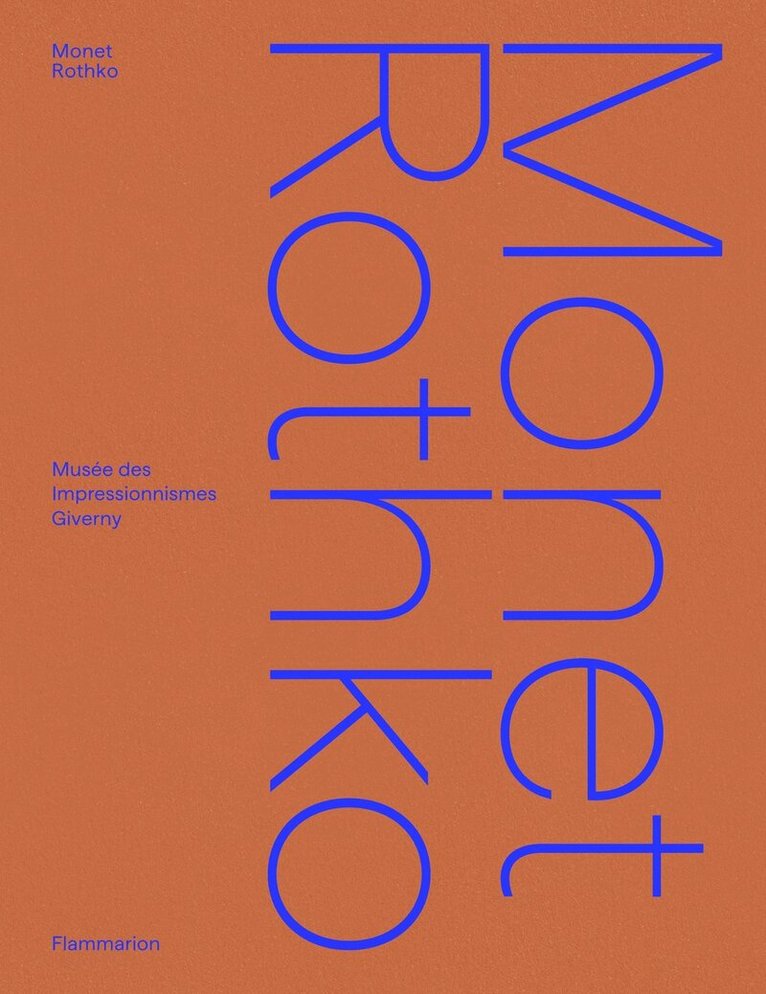
This comparison of the works of Monet and Rothko provides exhilarating new insight on these pioneers of abstraction and masters of color.Recent research on late impressionism has highlighted the surprising correspondences between the work of impressionist paragon Claude Monet and that of abstract painters such as Mark Rothko.This book offers an unprecedented dialogue between the paintings of Monet and Rothko, two artists who explored the frontiers of abstraction. It explores the uncanny similarities between their works, painted almost half a century apart, as well as the significance of the differences between the master artists’ styles. Monet conveyed the immediacy of his impressions of nature, while Rothko plunged the viewer into the depths of colors that he superimposed and interwove.And yet this book—originally conceived to accompany an exhibition at the Musée des Impressionnismes Giverny and illustrated with sixty chromatically organized reproductions—reveals an undeniable relationship between their pictorial universes, challenging the viewer’s perception of abstraction and modernity. This confrontation, contextualized through the analysis of renowned critics, sheds new light on the oeuvre of two of the greatest masters of painting and offers fresh insight into the essence of what makes their works so inherently original.
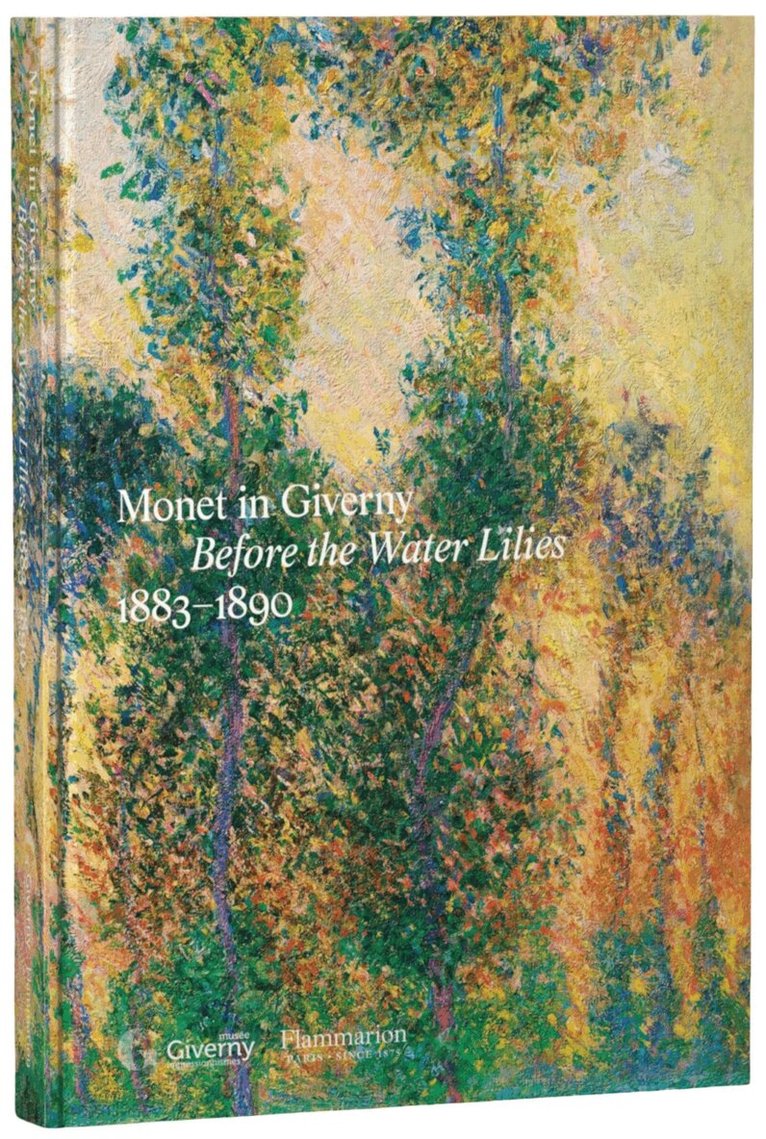
Discover the untold story of Monet’s early masterpieces—how the landscapes and light of Giverny shaped one of history’s greatest artists.This richly illustrated book sheds light on a previously underexplored chapter of Monet’s life and career—the formative years spent discovering and capturing the beauty of Giverny and his home there, leading up to his signature water lily studies. Long before his own garden bloomed, the surrounding fields, hills, trees, light, and villages he encountered as he explored the region captivated him. Far from isolated in this bucolic setting, Monet became ever more connected to the world of art, enriching his energy and imagination. This volume reveals the conditions that shaped one of the most prolific artists of all time as Monet trained his eye en plein air. During these formative years, he produced series of paintings of poppies, poplars, meadows and hills, river banks—all part of a landscape shaped by rain and mist, sunlight and shifting skies.Published in collaboration with the Musée des Impressionnismes Giverny, this volume encompasses over sixty works in dazzling color and detail, providing fresh insights and untold perspectives, retracing the steps that led to Monet’s status as a global cultural icon. The wide and thematic selection of works includes some little-known treasures from private collections and illustrates the development of the master painter’s talent.
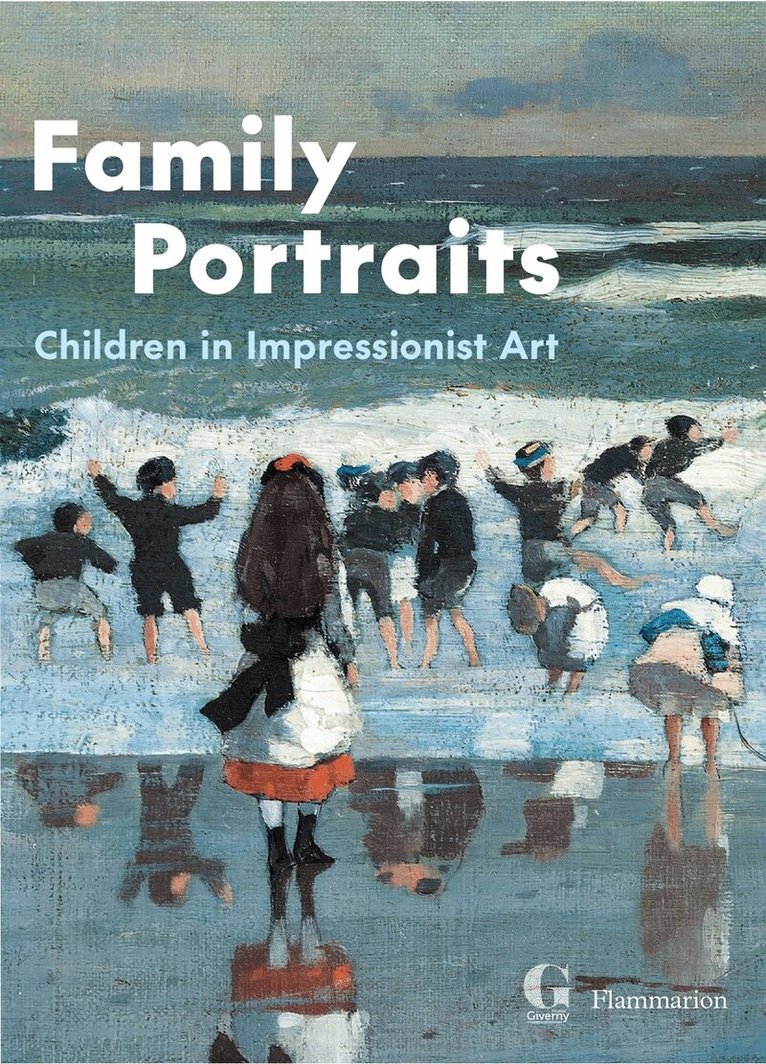
The impressionist artists accorded great importance to family life, often portraying their own mothers, wives, and offspring in scenes of maternity and childhood.The impressionist masters were known for their close relationships; peers, family, art dealers, and patrons all featured regularly in their artworks, and children were favored subjects. All aspects of childhood and family life at the end of the nineteenth century—maternity, nannies, education, games, animals, adolescence—were depicted in the works of Pierre-Auguste Renoir, Claude Monet, Camille Pissarro, Mary Cassatt, Berthe Morisot, and others. This volume draws an intimate portrait of the everyday lives of these artists and their families. One hundred paintings are featured alongside genealogical trees and family photographs juxtaposed with more contemporary works. Published to accompany an exhibition at the Musée des impressionnismes Giverny, this volume celebrates children and family ties.
This comparison of the works of Monet and Rothko provides exhilarating new insight on these pioneers of abstraction and masters of color.Recent research on late impressionism has highlighted the surprising correspondences between the work of impressionist paragon Claude Monet and that of abstract painters such as Mark Rothko.This book offers an unprecedented dialogue between the paintings of Monet and Rothko, two artists who explored the frontiers of abstraction. It explores the uncanny similarities between their works, painted almost half a century apart, as well as the significance of the differences between the master artists’ styles. Monet conveyed the immediacy of his impressions of nature, while Rothko plunged the viewer into the depths of colors that he superimposed and interwove.And yet this book—originally conceived to accompany an exhibition at the Musée des Impressionnismes Giverny and illustrated with sixty chromatically organized reproductions—reveals an undeniable relationship between their pictorial universes, challenging the viewer’s perception of abstraction and modernity. This confrontation, contextualized through the analysis of renowned critics, sheds new light on the oeuvre of two of the greatest masters of painting and offers fresh insight into the essence of what makes their works so inherently original.
Discover the untold story of Monet’s early masterpieces—how the landscapes and light of Giverny shaped one of history’s greatest artists.This richly illustrated book sheds light on a previously underexplored chapter of Monet’s life and career—the formative years spent discovering and capturing the beauty of Giverny and his home there, leading up to his signature water lily studies. Long before his own garden bloomed, the surrounding fields, hills, trees, light, and villages he encountered as he explored the region captivated him. Far from isolated in this bucolic setting, Monet became ever more connected to the world of art, enriching his energy and imagination. This volume reveals the conditions that shaped one of the most prolific artists of all time as Monet trained his eye en plein air. During these formative years, he produced series of paintings of poppies, poplars, meadows and hills, river banks—all part of a landscape shaped by rain and mist, sunlight and shifting skies.Published in collaboration with the Musée des Impressionnismes Giverny, this volume encompasses over sixty works in dazzling color and detail, providing fresh insights and untold perspectives, retracing the steps that led to Monet’s status as a global cultural icon. The wide and thematic selection of works includes some little-known treasures from private collections and illustrates the development of the master painter’s talent.
The impressionist artists accorded great importance to family life, often portraying their own mothers, wives, and offspring in scenes of maternity and childhood.The impressionist masters were known for their close relationships; peers, family, art dealers, and patrons all featured regularly in their artworks, and children were favored subjects. All aspects of childhood and family life at the end of the nineteenth century—maternity, nannies, education, games, animals, adolescence—were depicted in the works of Pierre-Auguste Renoir, Claude Monet, Camille Pissarro, Mary Cassatt, Berthe Morisot, and others. This volume draws an intimate portrait of the everyday lives of these artists and their families. One hundred paintings are featured alongside genealogical trees and family photographs juxtaposed with more contemporary works. Published to accompany an exhibition at the Musée des impressionnismes Giverny, this volume celebrates children and family ties.