Marietta Radomska – författare
Visar alla böcker från författaren Marietta Radomska. Handla med fri frakt och snabb leverans.
4 produkter
4 produkter
Inbunden, Engelska, 2025
3 784 kr
Skickas inom 10-15 vardagar
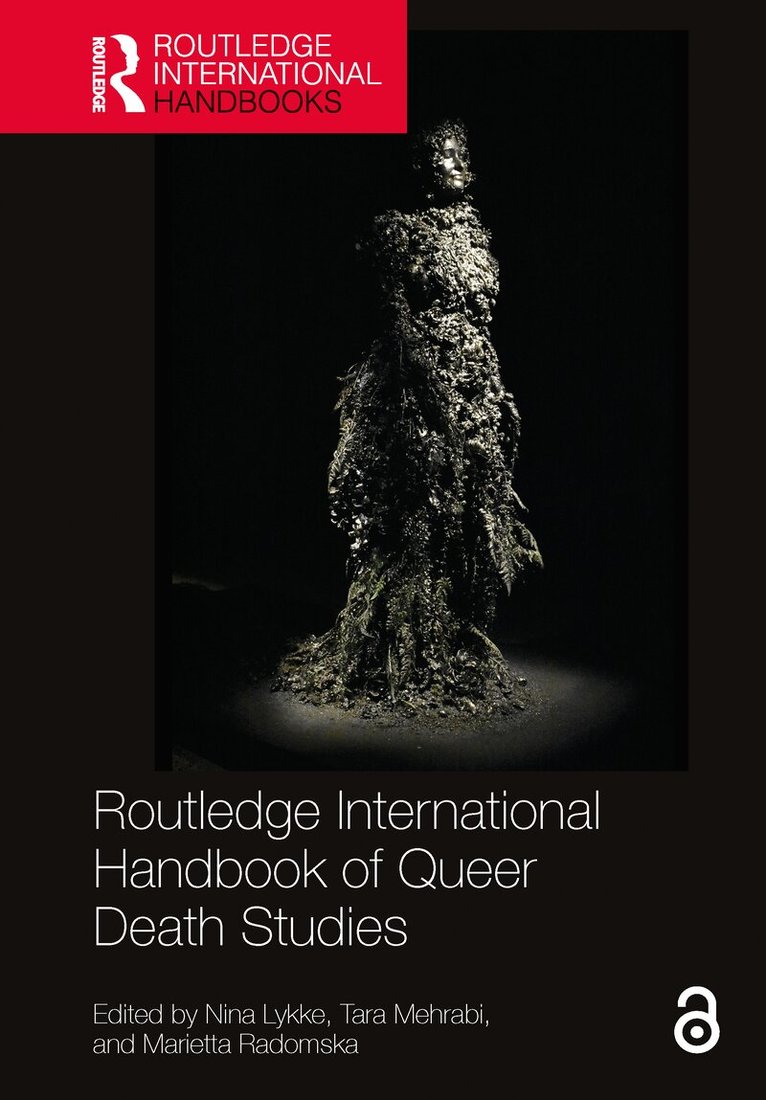
This Handbook aims to provide a comprehensive, international cartography of Queer Death Studies, offering broad, in-depth insights into the field and its emergence through tentacular transdisciplinary networking. Taking research and art-making on death, dying, mourning, and afterlife into new directions, it explores the multiple effects of contemporary necropolitics and the proliferation of death-worlds during the current period of Earth’s history, ‘The Anthropocene’ or ‘the Age of Man’.Informed by queer, critical posthumanist, decolonial, and feminist approaches, the Handbook presents a unique variety of both critical and affirmative reflections upon the world’s intersecting necropowers, and ethico-political potentials for social and environmental change. Contributors speculate on ways to reimagine life/ death-relations as vibrant entanglements. They also investigate modes of mourning differently, resisting necropolitical regimes that deem human and non-human individuals and populations to be disposable and non-grievable when they differ too much from the normative modern subject, Universal Man, in terms of intersections of gender, racialisation, class, sexuality, embodiment, embrainment, geopolitical positioning, or species.A thought provoking read, this Handbook is intended for broad global audiences of researchers, artists, teachers, students, death-professionals, (health)careworkers, activists, and NGOs interested in tools to rethink and reimagine death, dying, mourning, and afterlife from intersections of queering, decolonising, posthumanising, and feminist perspectives.
E-bok
PDF, Engelska, 2025844 kr
Läs direkt efter köp
This Handbook aims to provide a comprehensive, international cartography of Queer Death Studies, offering broad, in-depth insights into the field and its emergence through tentacular transdisciplinary networking. Taking research and art-making on death, dying, mourning, and afterlife into new directions, it explores the multiple effects of contemporary necropolitics and the proliferation of death-worlds during the current period of Earth's history, 'The Anthropocene' or 'the Age of Man'.Informed by queer, critical posthumanist, decolonial, and feminist approaches, the Handbook presents a unique variety of both critical and affirmative reflections upon the world's intersecting necropowers, and ethico-political potentials for social and environmental change. Contributors speculate on ways to reimagine life/ death-relations as vibrant entanglements. They also investigate modes of mourning differently, resisting necropolitical regimes that deem human and non-human individuals and populations to be disposable and non-grievable when they differ too much from the normative modern subject, Universal Man, in terms of intersections of gender, racialisation, class, sexuality, embodiment, embrainment, geopolitical positioning, or species.A thought provoking read, this Handbook is intended for broad global audiences of researchers, artists, teachers, students, death-professionals, (health)careworkers, activists, and NGOs interested in tools to rethink and reimagine death, dying, mourning, and afterlife from intersections of queering, decolonising, posthumanising, and feminist perspectives.
E-bok
Engelska, 2025874 kr
Läs direkt efter köp
This Handbook aims to provide a comprehensive, international cartography of Queer Death Studies, offering broad, in-depth insights into the field and its emergence through tentacular transdisciplinary networking. Taking research and art-making on death, dying, mourning, and afterlife into new directions, it explores the multiple effects of contemporary necropolitics and the proliferation of death-worlds during the current period of Earth's history, 'The Anthropocene' or 'the Age of Man'.Informed by queer, critical posthumanist, decolonial, and feminist approaches, the Handbook presents a unique variety of both critical and affirmative reflections upon the world's intersecting necropowers, and ethico-political potentials for social and environmental change. Contributors speculate on ways to reimagine life/ death-relations as vibrant entanglements. They also investigate modes of mourning differently, resisting necropolitical regimes that deem human and non-human individuals and populations to be disposable and non-grievable when they differ too much from the normative modern subject, Universal Man, in terms of intersections of gender, racialisation, class, sexuality, embodiment, embrainment, geopolitical positioning, or species.A thought provoking read, this Handbook is intended for broad global audiences of researchers, artists, teachers, students, death-professionals, (health)careworkers, activists, and NGOs interested in tools to rethink and reimagine death, dying, mourning, and afterlife from intersections of queering, decolonising, posthumanising, and feminist perspectives.
Del 86 - Fronesis
Fronesis 86-87. Framtider
Svenska, 2025
150 kr
Skickas inom 5-8 vardagar
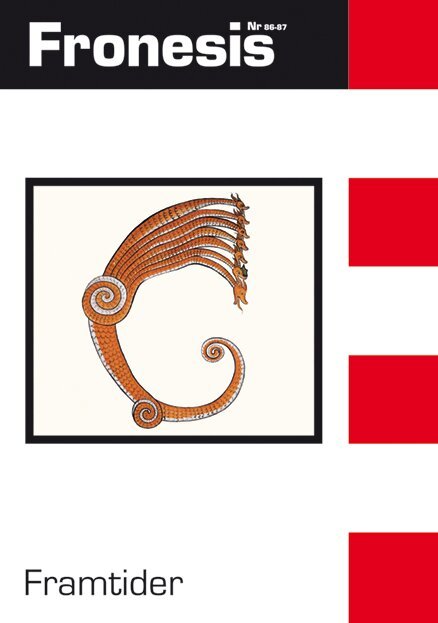
Välkommen till framtiden! Men vilken framtid? Framtiden som begrepp är både mångtydigt och politiskt laddat. Å ena sidan framställs den som en naturlig förlängning av det förflutna och som något som kan planeras, styras och förutses. Å andra sidan öppnar begreppet framtider i plural för en kamp mellan olika visioner och en omförhandling av de historieskrivningar som legitimerar vissa framtider framför andra. I den bemärkelsen handlar framtiden inte bara om tiden som ligger framför oss, utan också om att omskriva förfluten tid för att göra vissa framtider tänkbara och andra otänkbara. I nummer 86–87 av Fronesis utforskas framtidsbegreppet i en tid då grundvillkoren för politiskt arbete drastiskt förändrats. Vi står inför det som kallas en metakris: klimatförändringar, växande auktoritära krafter och skenande ojämlikhet som alla är förbundna med varandra. Numret problematiserar den västerländska modernitetens linjära framstegstanke och granskar hur »smarta framtider« och accelerationspolitik riskerar att fördjupa samtidens kriser. Men här erbjuds också alternativ genom perspektiv som betonar långsamhet framför acceleration och kollektiv omsorg framför individuell överlevnad. I numret publiceras en intervju med den belgiska filosofen Isabelle Stengers om snabb och långsam vetenskap, en klassisk text av den brittiske marxisten Raymond Williams om hur överlevnadskalkyler ersatt framtidstro och den tysk-nigerianske psykologen Báyò Akómoláfés reflektion över aktivism och aktörskap. Här finns också texter av bland andra aktivisten adrienne maree brown, kollektivet Gesturing Towards Decolonial Futures (GTDF), författaren Ursula K. Le Guin, forskaren i miljöhumaniora Kati Lindström och teologen Jayne Svenungsson.