Marija Grech – författare
Visar alla böcker från författaren Marija Grech. Handla med fri frakt och snabb leverans.
4 produkter
4 produkter
Inbunden, Engelska, 2022
1 386 kr
Skickas inom 10-15 vardagar
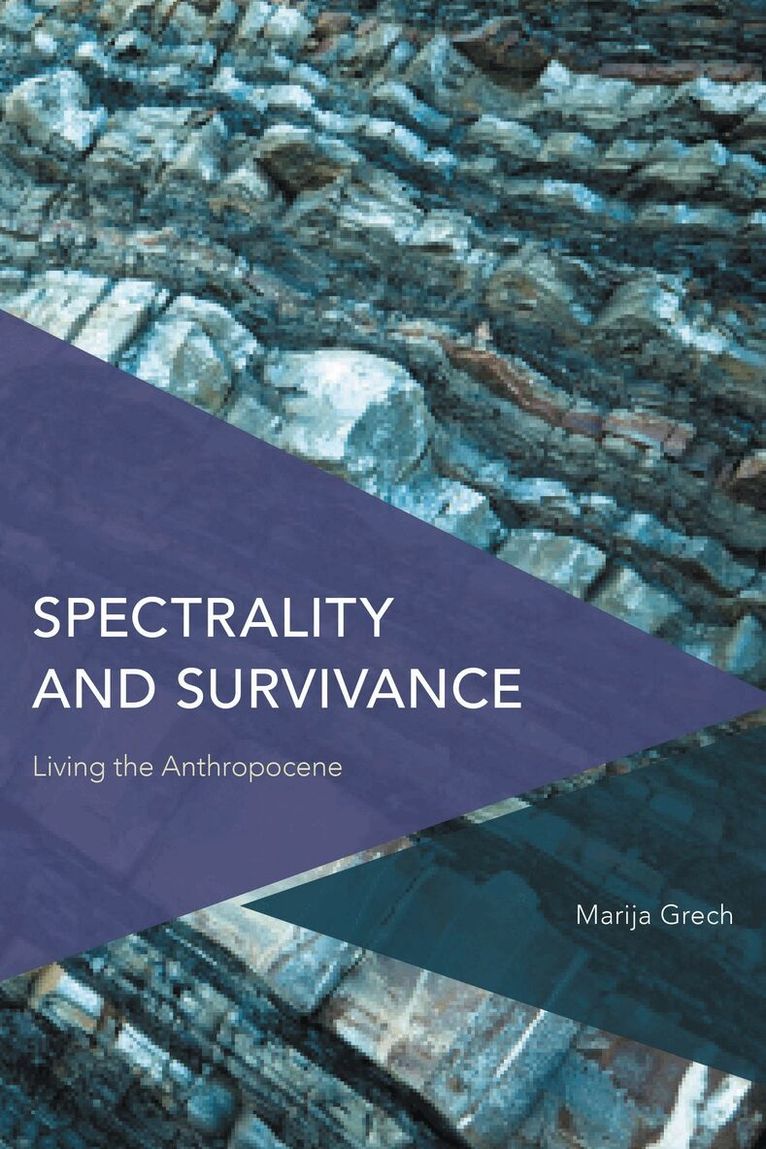
The notion of the Anthropocene is founded on the premise that traces of human activity on the earth will remain legible in the geological strata for millions of years to come, showing evidence of an anthropogenic ‘signature’ inscribed in the rock by the human species. Spectrality and Survivance shows how embedded in this understanding of the Anthropocene is a speculative and specular gesture that transforms the notion of the future into an anthropocentric reflection of the present, prohibiting any true engagement with the possibility of a non-anthropocentric and post-anthropocenic world. In this volume, Marija Grech develops an alternative conceptual paradigm from which to think the Anthropocene beyond any limited notion of human language, human thought, human systems of meaning, or even a human world. Grech considers how the geological trace of the Anthropocene might be said to ‘survive’ outside of the possibility of any human readership, and how the very survival of the human in and beyond the Anthropocene might necessitate such thought.
Häftad, Engelska, 2022
448 kr
Skickas inom 10-15 vardagar
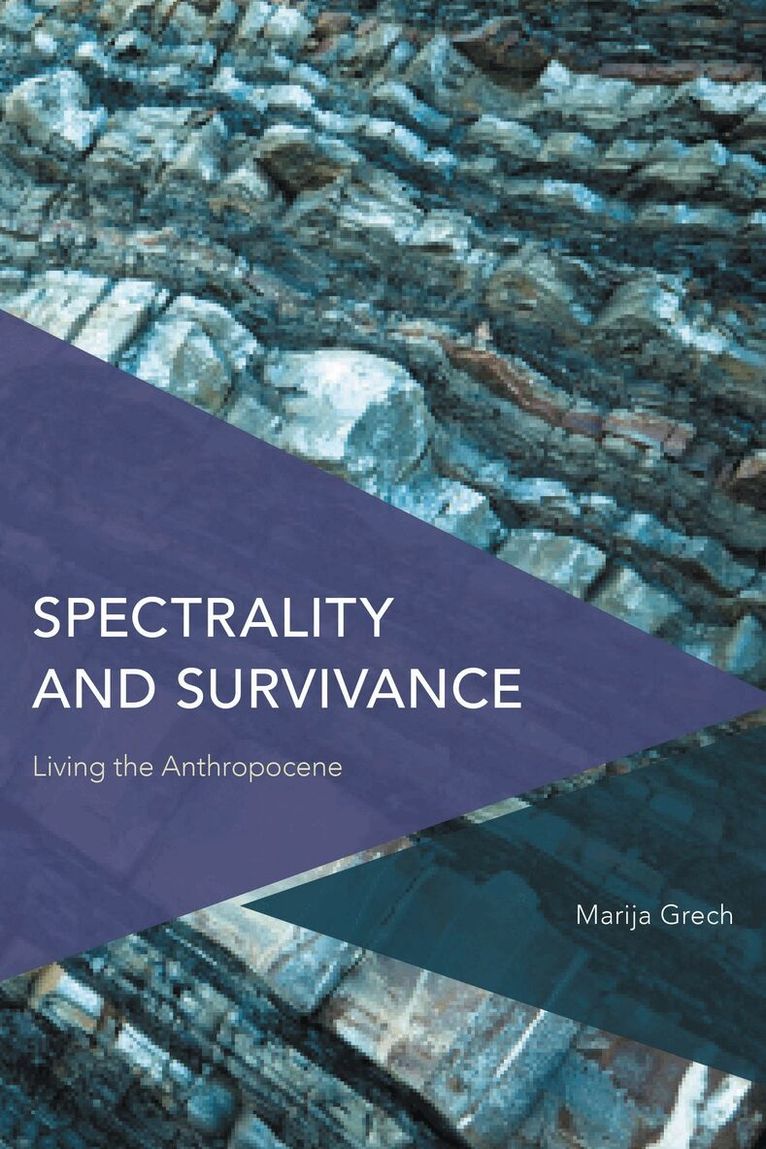
The notion of the Anthropocene is founded on the premise that traces of human activity on the earth will remain legible in the geological strata for millions of years to come, showing evidence of an anthropogenic ‘signature’ inscribed in the rock by the human species. Spectrality and Survivance shows how embedded in this understanding of the Anthropocene is a speculative and specular gesture that transforms the notion of the future into an anthropocentric reflection of the present, prohibiting any true engagement with the possibility of a non-anthropocentric and post-anthropocenic world. In this volume, Marija Grech develops an alternative conceptual paradigm from which to think the Anthropocene beyond any limited notion of human language, human thought, human systems of meaning, or even a human world. Grech considers how the geological trace of the Anthropocene might be said to ‘survive’ outside of the possibility of any human readership, and how the very survival of the human in and beyond the Anthropocene might necessitate such thought.
9 807 kr
Skickas inom 10-15 vardagar
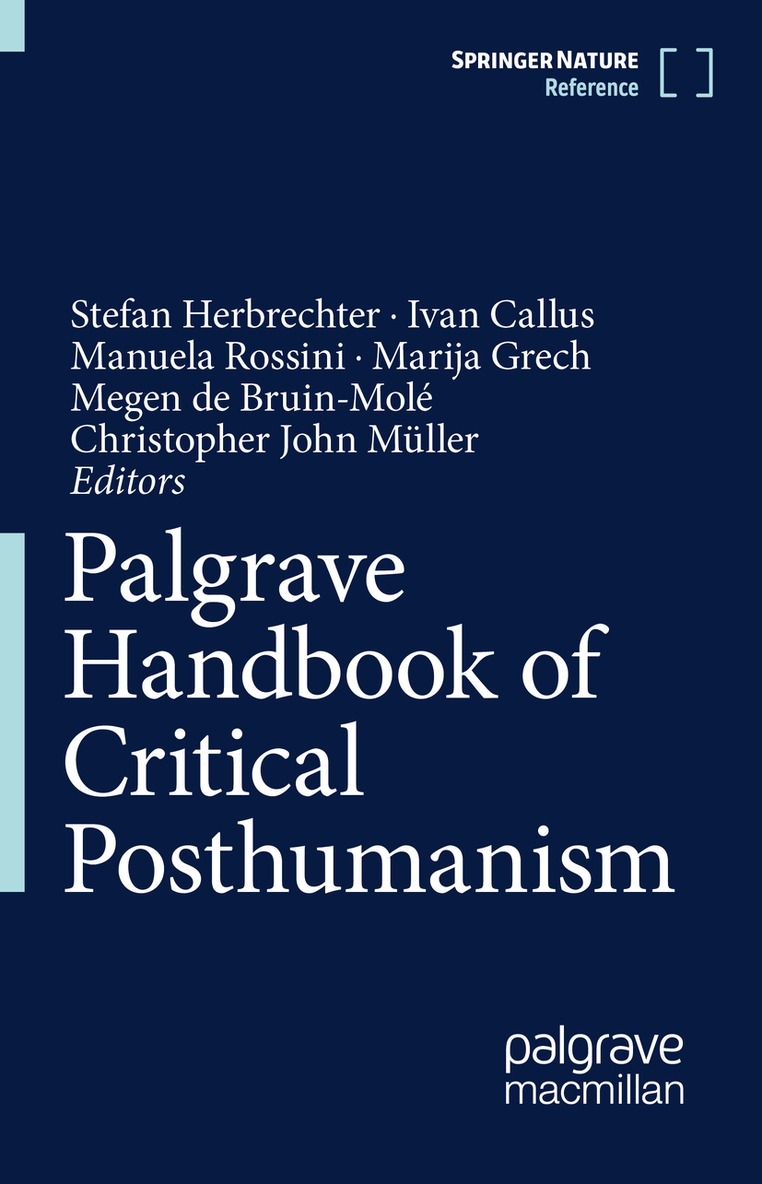
Palgrave Handbook of Critical Posthumanism is a major reference work on the paradigm emerging from the challenges to humanism, humanity, and the human posed by the erosion of the traditional demarcations between the human and nonhuman. This handbook surveys and speculates on the ways in which the posthumanist paradigm emerged, transformed, and might further develop across the humanities. With its focus on the posthuman as a figure, on posthumanism as a social discourse, and on posthumanisation as an on-going historical and ontological process, the volume highlights the relationship between the humanities and sciences. The essays engage with posthumanism in connection with subfields like the environmental humanities, health humanities, animal studies, and disability studies. The book also traces the historical representations and understanding of posthumanism across time. Additionally, the contributions address genre and forms such as autobiography, games, art, film, museums, andtopics such as climate change, speciesism, anthropocentrism, and biopolitics to name a few. This handbook considers posthumanism’s impact across disciplines and areas of study.
E-bok
Engelska, 202210 032 kr
Läs direkt efter köp
Palgrave Handbook of Critical Posthumanism is a major reference work on the paradigm emerging from the challenges to humanism, humanity, and the human posed by the erosion of the traditional demarcations between the human and nonhuman. This handbook surveys and speculates on the ways in which the posthumanist paradigm emerged, transformed, and might further develop across the humanities. With its focus on the posthuman as a figure, on posthumanism as a social discourse, and on posthumanisation as an on-going historical and ontological process, the volume highlights the relationship between the humanities and sciences. The essays engage with posthumanism in connection with subfields like the environmental humanities, health humanities, animal studies, and disability studies. The book also traces the historical representations and understanding of posthumanism across time. Additionally, the contributions address genre and forms such as autobiography, games, art, film, museums, andtopics such as climate change, speciesism, anthropocentrism, and biopolitics to name a few. This handbook considers posthumanism’s impact across disciplines and areas of study.