Marilyn Yaquinto – författare
Visar alla böcker från författaren Marilyn Yaquinto. Handla med fri frakt och snabb leverans.
7 produkter
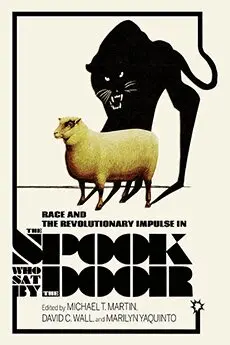
Race and the Revolutionary Impulse in the Spook Who Sat by the Door
Av Michael T. Martin, David C. Wall m. fl.
Inbunden, 2018
699 kr
Lägg i varukorg
Ivan Dixon's 1973 film, The Spook Who Sat by the Door, captures the intensity of social and political upheaval during a volatile period in American history. Based on Sam Greenlee's novel by the same name, the film is a searing portrayal of an American Black underclass brought to the brink of …
Race and the Revolutionary Impulse in the Spook Who Sat by the Door
Av Michael T. Martin, David C. Wall m. fl.
Häftad, 2018
281 kr
Lägg i varukorg
Ivan Dixon's 1973 film, The Spook Who Sat by the Door, captures the intensity of social and political upheaval during a volatile period in American history. Based on Sam Greenlee's novel by the same name, the film is a searing portrayal of an American Black underclass brought to the brink of …
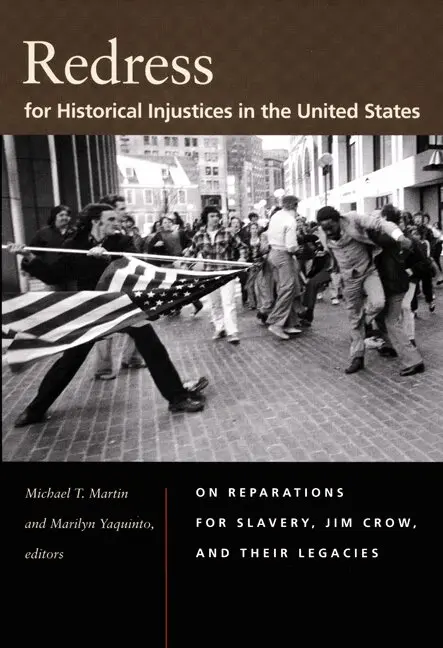
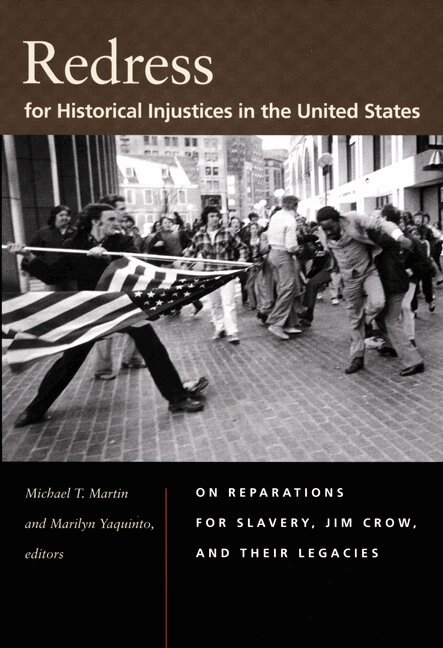
Redress for Historical Injustices in the United States
On Reparations for Slavery, Jim Crow, and Their Legacies
Av Michael T. Martin, Marilyn Yaquinto
Häftad, 2007
439 kr
Lägg i varukorg
An exceptional resource, this comprehensive reader brings together primary and secondary documents related to efforts to redress historical wrongs against African Americans. These varied efforts are often grouped together under the rubric “reparations movement,” and they are united in their goal of …
Redress for Historical Injustices in the United States
On Reparations for Slavery, Jim Crow, and Their Legacies
Av Marilyn Yaquinto, Michael T. Martin
E-bok, 2007
654 kr
Lägg i varukorg
An exceptional resource, this comprehensive reader brings together primary and secondary documents related to efforts to redress historical wrongs against African Americans. These varied efforts are often grouped together under the rubric “reparations movement,” and they are united in their goal of …
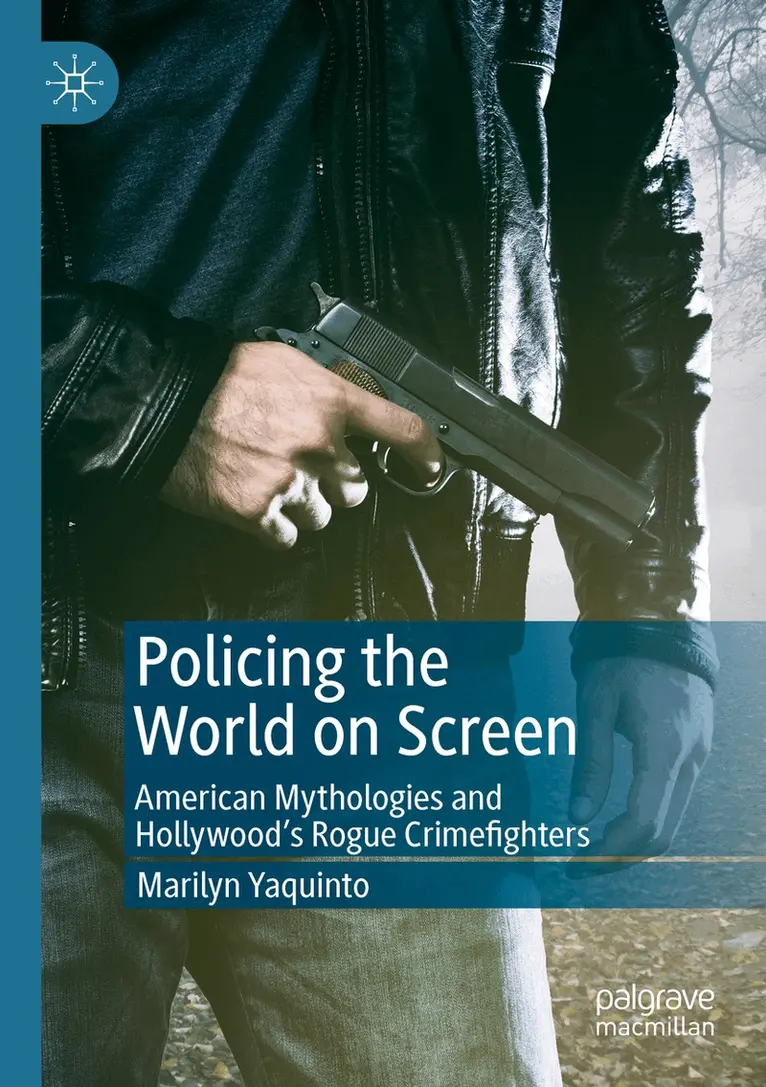
Policing the World on Screen
American Mythologies and Hollywood's Rogue Crimefighters
Häftad, 2019
713 kr
Lägg i varukorg
This book analyzes Hollywood storytelling that features an American crimefighter—whether cop, detective, or agent—who must safeguard society and the nation by any means necessary. That often means going “rogue” and breaking the rules, even deploying ugly violence, but excused as self-defense or to …
Policing the World on Screen
American Mythologies and Hollywood''s Rogue Crimefighters
E-bok, 2019
897 kr
Lägg i varukorg
This book analyzes Hollywood storytelling that features an American crimefighter—whether cop, detective, or agent—who must safeguard society and the nation by any means necessary. That often means going “rogue” and breaking the rules, even deploying ugly violence, but excused as self-defense or to …
Redress for Historical Injustices in the United States
On Reparations for Slavery, Jim Crow, and Their Legacies
Av Michael T. Martin, Marilyn Yaquinto
Inbunden, 2007
1793 kr
Tillfälligt slut
An exceptional resource, this comprehensive reader brings together primary and secondary documents related to efforts to redress historical wrongs against African Americans. These varied efforts are often grouped together under the rubric “reparations movement,” and they are united in their goal of …