Marina Aksenova – författare
Visar alla böcker från författaren Marina Aksenova. Handla med fri frakt och snabb leverans.
16 produkter
Art, Aesthetics and International Justice
Inbunden, 2025
2311 kr
Lägg i varukorg
This book demonstrates that art is implicit in the process of administration of international justice. The diverse nature of recent global threats as well as an overwhelming pull towards isolationism and nationalism challenge the dominant deterrence paradigm of international governance created in …
Art, Aesthetics and International Justice
Häftad, 2026
706 kr
Lägg i varukorg
This book demonstrates that art is implicit in the process of administration of international justice. The diverse nature of recent global threats as well as an overwhelming pull towards isolationism and nationalism challenge the dominant deterrence paradigm of international governance created in …
Art, Aesthetics and International Justice
E-bok, 2025
831 kr
Lägg i varukorg
This book demonstrates that art is implicit in the process of administration of international justice. The diverse nature of recent global threats as well as an overwhelming pull towards isolationism and nationalism challenge the dominant deterrence paradigm of international governance created in …
Art, Aesthetics and International Justice
E-bok, 2025
831 kr
Lägg i varukorg
This book demonstrates that art is implicit in the process of administration of international justice. The diverse nature of recent global threats as well as an overwhelming pull towards isolationism and nationalism challenge the dominant deterrence paradigm of international governance created in …
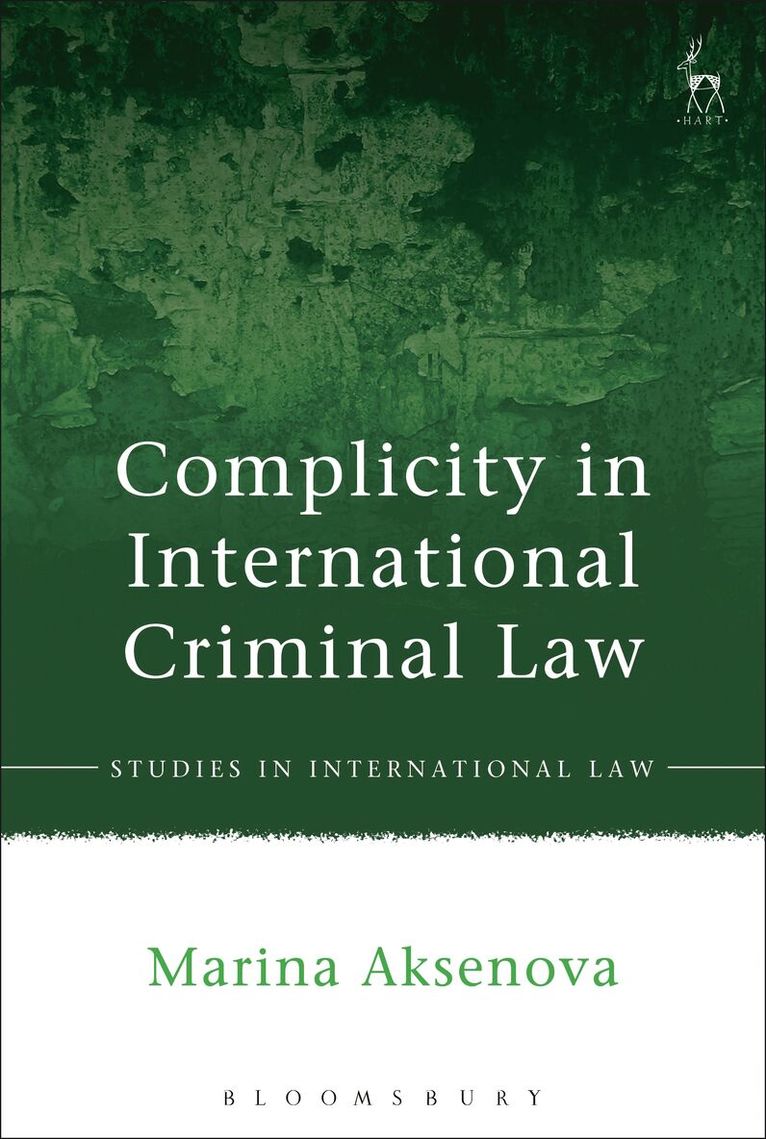
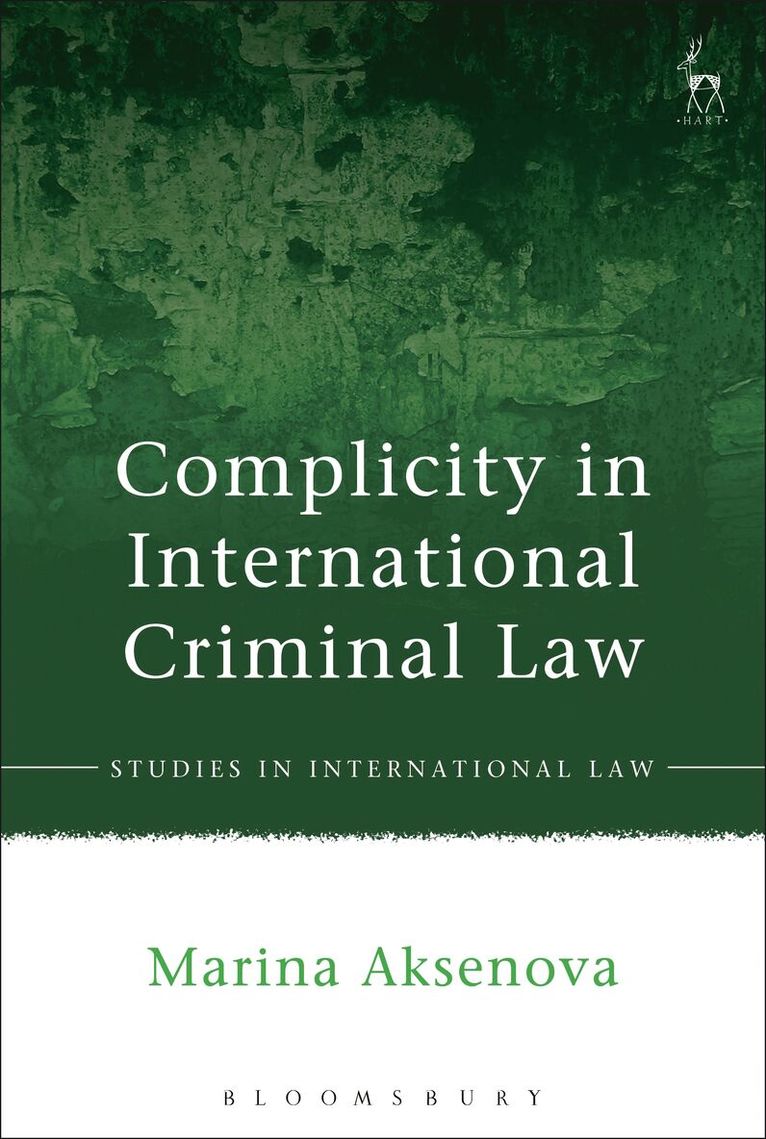
Complicity in International Criminal Law
Inbunden, 2016
1173 kr
Lägg i varukorg
This book tackles one of the most contentious aspects of international criminal law – the modes of liability. At the heart of the discussion is the quest for balance between the accused’s individual contribution and the collective nature of mass offending. The principle of legality demands that …
Complicity in International Criminal Law
E-bok, 2016
488 kr
Lägg i varukorg
This book tackles one of the most contentious aspects of international criminal law – the modes of liability. At the heart of the discussion is the quest for balance between the accused''s individual contribution and the collective nature of mass offending. The principle of legality demands that …
Complicity in International Criminal Law
E-bok, 2016
473 kr
Lägg i varukorg
This book tackles one of the most contentious aspects of international criminal law – the modes of liability. At the heart of the discussion is the quest for balance between the accused''s individual contribution and the collective nature of mass offending. The principle of legality demands that …
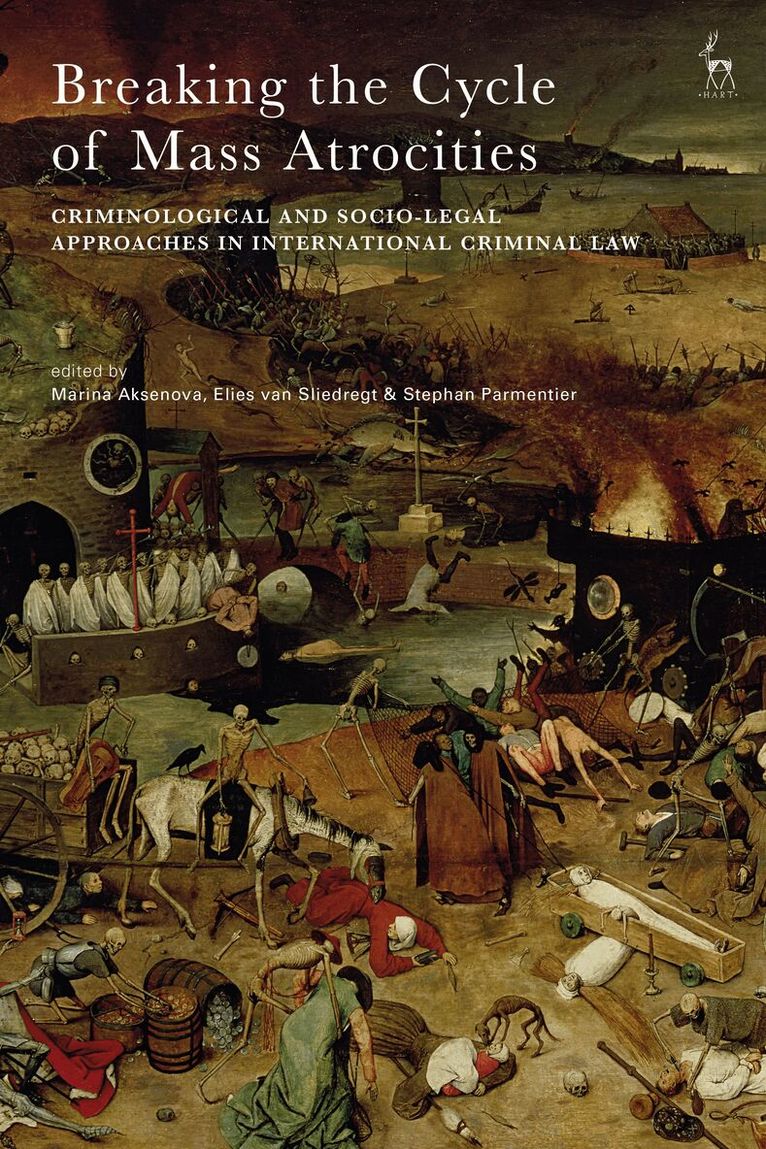
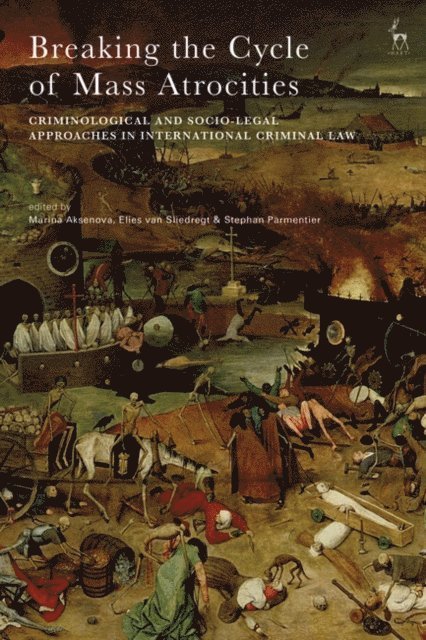
Breaking the Cycle of Mass Atrocities
Criminological and Socio-Legal Approaches in International Criminal Law
Av Marina Aksenova, Elies van Sliedregt m. fl.
Inbunden, 2019
1173 kr
Lägg i varukorg
Breaking the Cycle of Mass Atrocities investigates the role of international criminal law at different stages of mass atrocities, shifting away from its narrow understanding solely as an instrument of punishment of those most responsible. The book is premised on the idea that there are distinct …
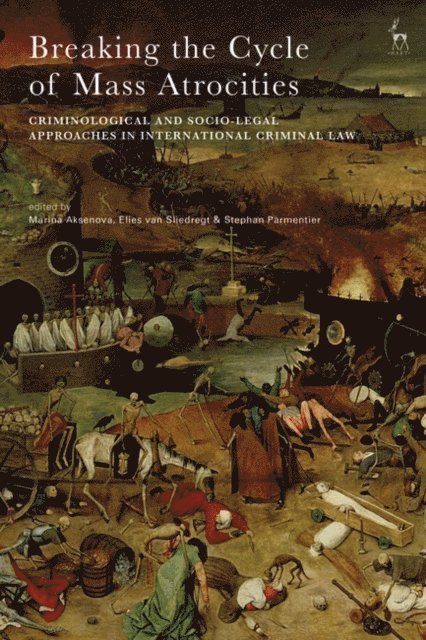
Breaking the Cycle of Mass Atrocities
Criminological and Socio-Legal Approaches in International Criminal Law
Av Marina Aksenova, Elies van Sliedregt m. fl.
E-bok, 2019
505 kr
Lägg i varukorg
Breaking the Cycle of Mass Atrocities investigates the role of international criminal law at different stages of mass atrocities, shifting away from its narrow understanding solely as an instrument of punishment of those most responsible. The book is premised on the idea that there are distinct …
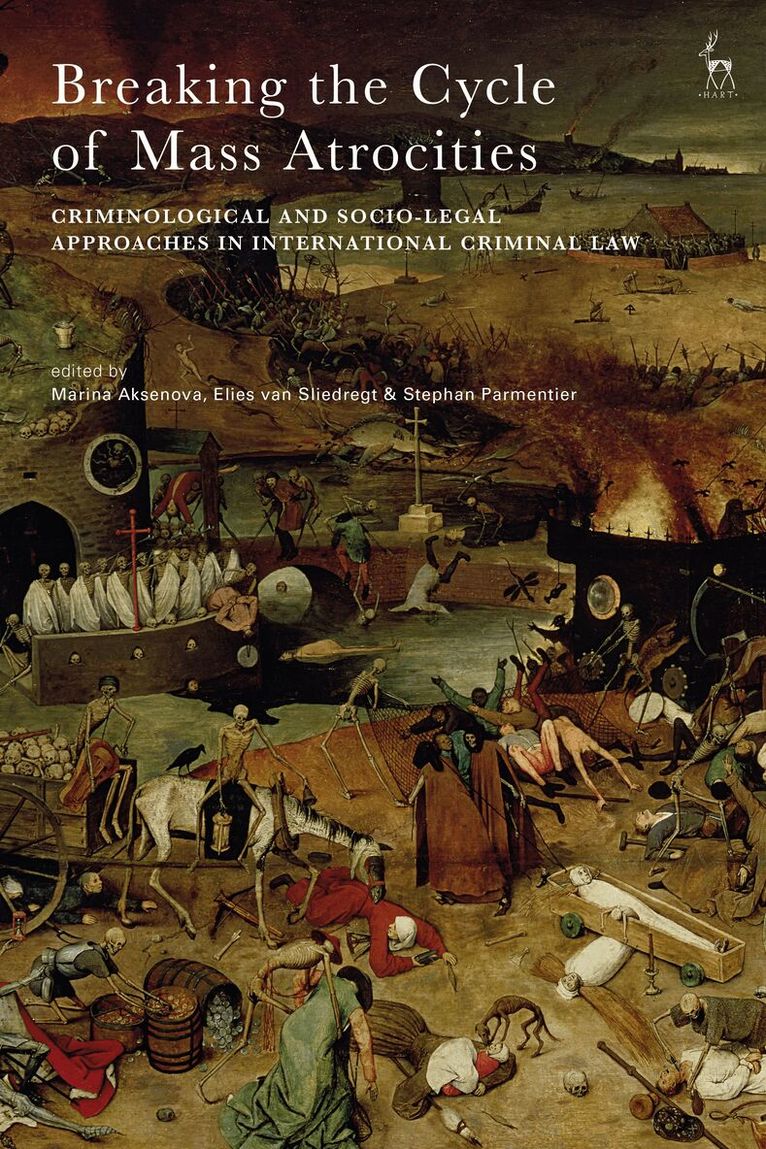
Breaking the Cycle of Mass Atrocities
Criminological and Socio-Legal Approaches in International Criminal Law
Av Marina Aksenova, Elies van Sliedregt m. fl.
E-bok, 2019
516 kr
Lägg i varukorg
Breaking the Cycle of Mass Atrocities investigates the role of international criminal law at different stages of mass atrocities, shifting away from its narrow understanding solely as an instrument of punishment of those most responsible. The book is premised on the idea that there are distinct …
Complicity in International Criminal Law
Häftad, 2019
447 kr
Lägg i varukorg
This book tackles one of the most contentious aspects of international criminal law – the modes of liability. At the heart of the discussion is the quest for balance between the accused’s individual contribution and the collective nature of mass offending. The principle of legality demands that …
Breaking the Cycle of Mass Atrocities
Criminological and Socio-Legal Approaches in International Criminal Law
Av Marina Aksenova, Elies van Sliedregt m. fl.
Häftad, 2020
473 kr
Lägg i varukorg
Breaking the Cycle of Mass Atrocities investigates the role of international criminal law at different stages of mass atrocities, shifting away from its narrow understanding solely as an instrument of punishment of those most responsible. The book is premised on the idea that there are distinct …
Judges as Guardians of Constitutionalism and Human Rights
Av Martin Scheinin, Helle Krunke m. fl.
Inbunden, 2016
2225 kr
Lägg i varukorg
There are many challenges that national and supranational judges have to face when fulfilling their roles as guardians of constitutionalism and human rights. This book brings together academics and judges from different jurisdictions in an endeavour to uncover the intricacies of the judicial …
Judges as Guardians of Constitutionalism and Human Rights
Av Marina Aksenova, Helle Krunke m. fl.
E-bok, 2016
422 kr
Lägg i varukorg
There are many challenges that national and supranational judges have to face when fulfilling their roles as guardians of constitutionalism and human rights. This book brings together academics and judges from different jurisdictions in an endeavour to uncover the intricacies of the judicial …
Human Rights for Kids
How the Flower Grows its Roots: Stories Inspired by Martin Scheinin
Av Various, Marina Aksenova m. fl.
Häftad, 2025
318 kr
Lägg i varukorg
Human Rights for Kids
How the Flower Grows its Roots: Stories Inspired by Martin Scheinin
Av Various, Marina Aksenova m. fl.
Inbunden, 2025
445 kr
Lägg i varukorg