Marina Dahlquist – författare
Visar alla böcker från författaren Marina Dahlquist. Handla med fri frakt och snabb leverans.
9 produkter
9 produkter
E-bok
Engelska, 2013376 kr
Läs direkt efter köp
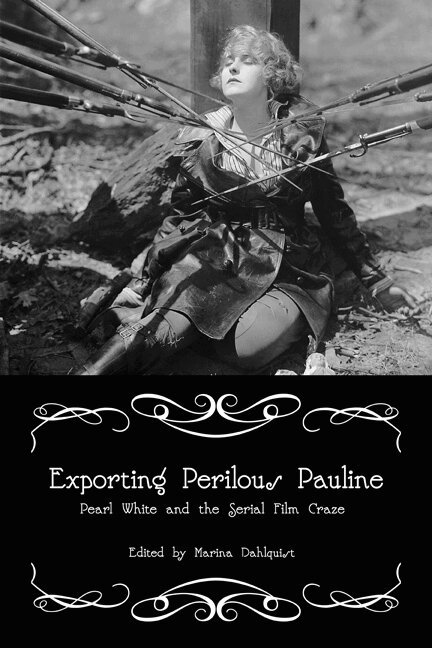
Exceptionally popular during their time, the spectacular American action film serials of the 1910s featured exciting stunts, film tricks, and effects set against the background of modern technology, often starring resourceful female heroines who displayed traditionally male qualities such as endurance, strength, and authority. The most renowned of these "serial queens" was Pearl White, whose career as the adventurous character Pauline developed during a transitional phase in the medium''s evolving production strategies, distribution and advertising patterns, and fan culture. In this volume, an international group of scholars explores how American serials starring Pearl White and other female stars impacted the emerging cinemas in the United States and abroad. Contributors investigate the serial genre and its narrative patterns, marketing, and cultural reception, and historiographic importance, with essays on Pearl White''s life on and off the screen as well as the "serial queen" genre in Western and Eastern Europe, India, and China. Contributors are Weihong Bao, Rudmer Canjels, Marina Dahlquist, Monica Dall''Asta, Kevin B. Johnson, Christina Petersen, and Rosie Thomas.
Häftad, Engelska, 2018
508 kr
Skickas inom 5-8 vardagar
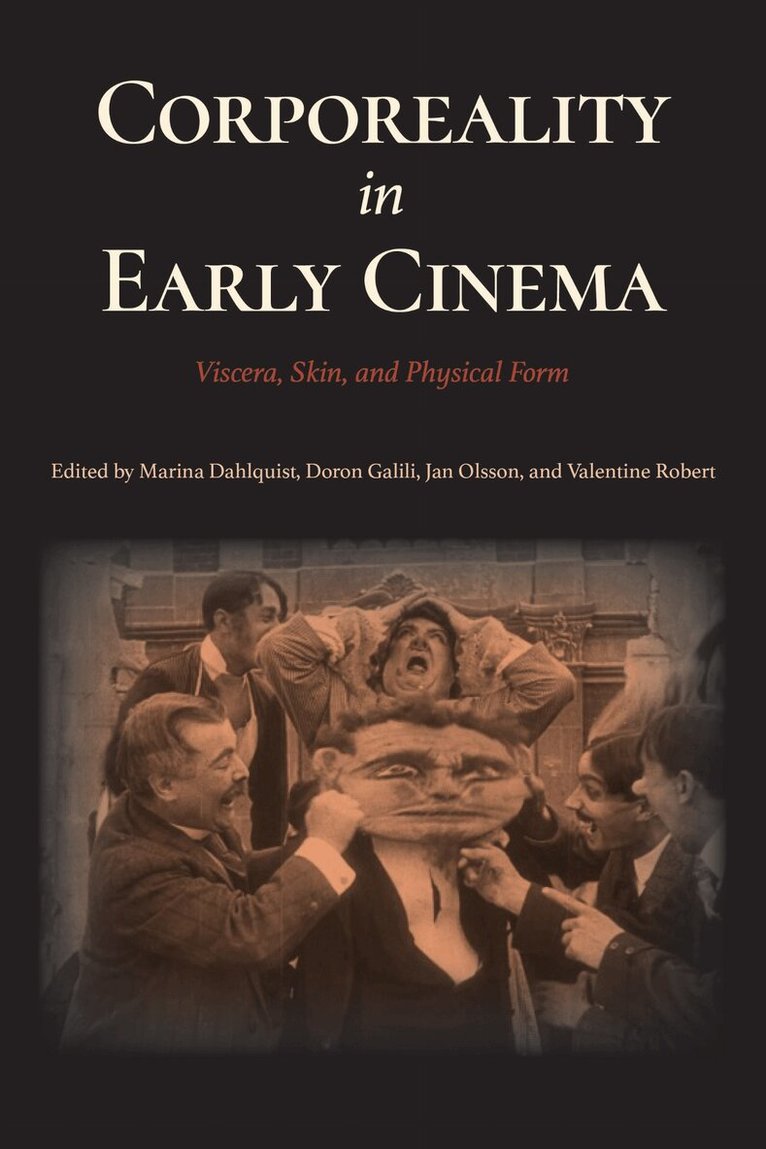
Corporeality in Early Cinema inspires a heightened awareness of the ways in which early film culture, and screen praxes overall are inherently embodied. Contributors argue that on- and offscreen (and in affiliated media and technological constellations), the body consists of flesh and nerves and is not just an abstract spectator or statistical audience entity.Audience responses from arousal to disgust, from identification to detachment, offer us a means to understand what spectators have always taken away from their cinematic experience. Through theoretical approaches and case studies, scholars offer a variety of models for stimulating historical research on corporeality and cinema by exploring the matrix of screened bodies, machine-made scaffolding, and their connections to the physical bodies in front of the screen.
Inbunden, Engelska, 2020
1 005 kr
Skickas inom 5-8 vardagar
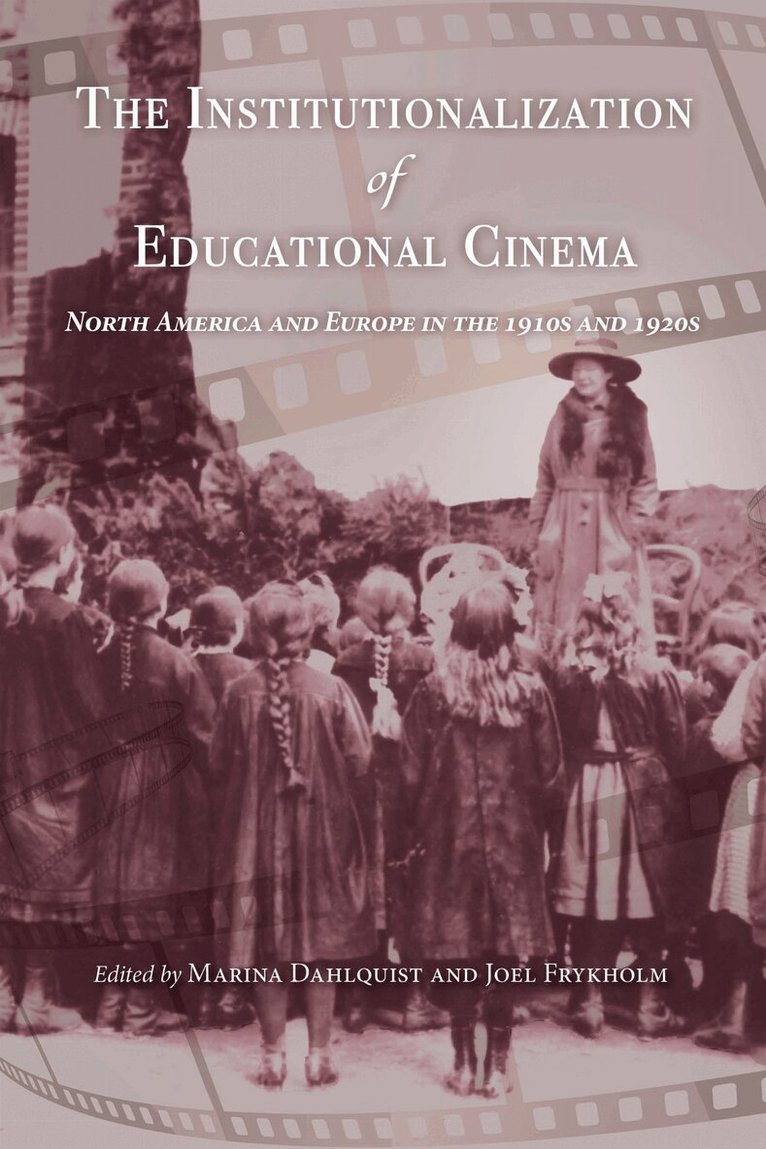
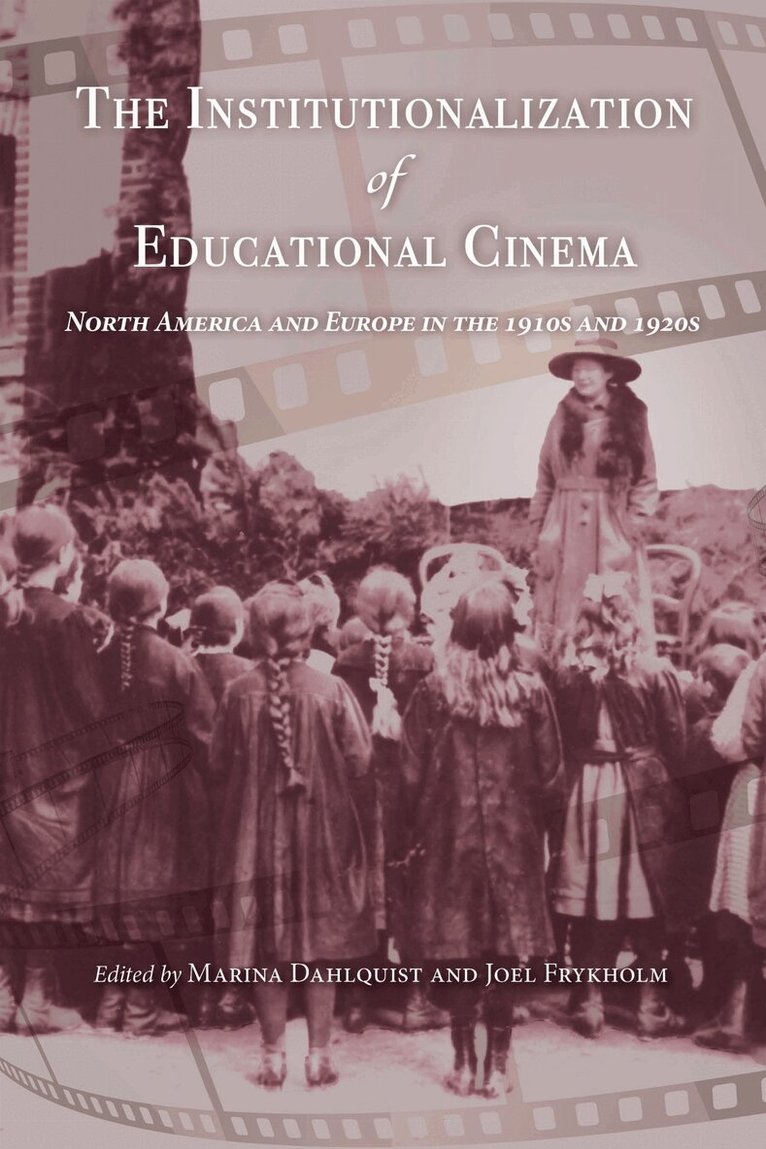
The potential of films to educate has been crucial for the development of cinema intended to influence culture, and is as important as conceptions of film as a form of art, science, industry, or entertainment. Using the concept of institutionalization as a heuristic for generating new approaches to the history of educational cinema, contributors to this volume study the co-evolving discourses, cultural practices, technical standards, and institutional frameworks that transformed educational cinema from a convincing idea into an enduring genre. The Institutionalization of Educational Cinema examines the methods of production, distribution, and exhibition established for the use of educational films within institutions–such as schools, libraries, and industrial settings in various national and international contexts and takes a close look at the networks of organizations, individuals, and government agencies that were created as a result of these films' circulation. Through case studies of educational cinemas in different North American and European countries that explore various modes of institutionalization of educational film, this book highlights the wide range of vested interests that framed the birth of educational and nontheatrical cinema.
Häftad, Engelska, 2020
409 kr
Skickas inom 5-8 vardagar
The potential of films to educate has been crucial for the development of cinema intended to influence culture, and is as important as conceptions of film as a form of art, science, industry, or entertainment. Using the concept of institutionalization as a heuristic for generating new approaches to the history of educational cinema, contributors to this volume study the co-evolving discourses, cultural practices, technical standards, and institutional frameworks that transformed educational cinema from a convincing idea into an enduring genre. The Institutionalization of Educational Cinema examines the methods of production, distribution, and exhibition established for the use of educational films within institutions–such as schools, libraries, and industrial settings in various national and international contexts and takes a close look at the networks of organizations, individuals, and government agencies that were created as a result of these films' circulation. Through case studies of educational cinemas in different North American and European countries that explore various modes of institutionalization of educational film, this book highlights the wide range of vested interests that framed the birth of educational and nontheatrical cinema.
E-bok
PDF, Engelska, 2020134 kr
Läs direkt efter köp
Essays by scholars on how film has been used by schools, libraries, governments, and organizations for educational purposes. The potential of films to educate has been crucial for the development of cinema intended to influence culture, and is as important as conceptions of film as a form of art, science, industry, or entertainment. Using the concept of institutionalization as a heuristic for generating new approaches to the history of educational cinema, contributors to this volume study the co-evolving discourses, cultural practices, technical standards, and institutional frameworks that transformed educational cinema from a convincing idea into an enduring genre. The Institutionalization of Educational Cinema examines the methods of production, distribution, and exhibition established for the use of educational films within institutions such as schools, libraries, and industrial settings in various national and international contexts and takes a close look at the networks of organizations, individuals, and government agencies that were created as a result of these films' circulation. Through case studies of educational cinemas in different North American and European countries that explore various modes of institutionalization of educational film, this book highlights the wide range of vested interests that framed the birth of educational and nontheatrical cinema.
Inbunden, Engelska, 2021
1 689 kr
Skickas inom 10-15 vardagar
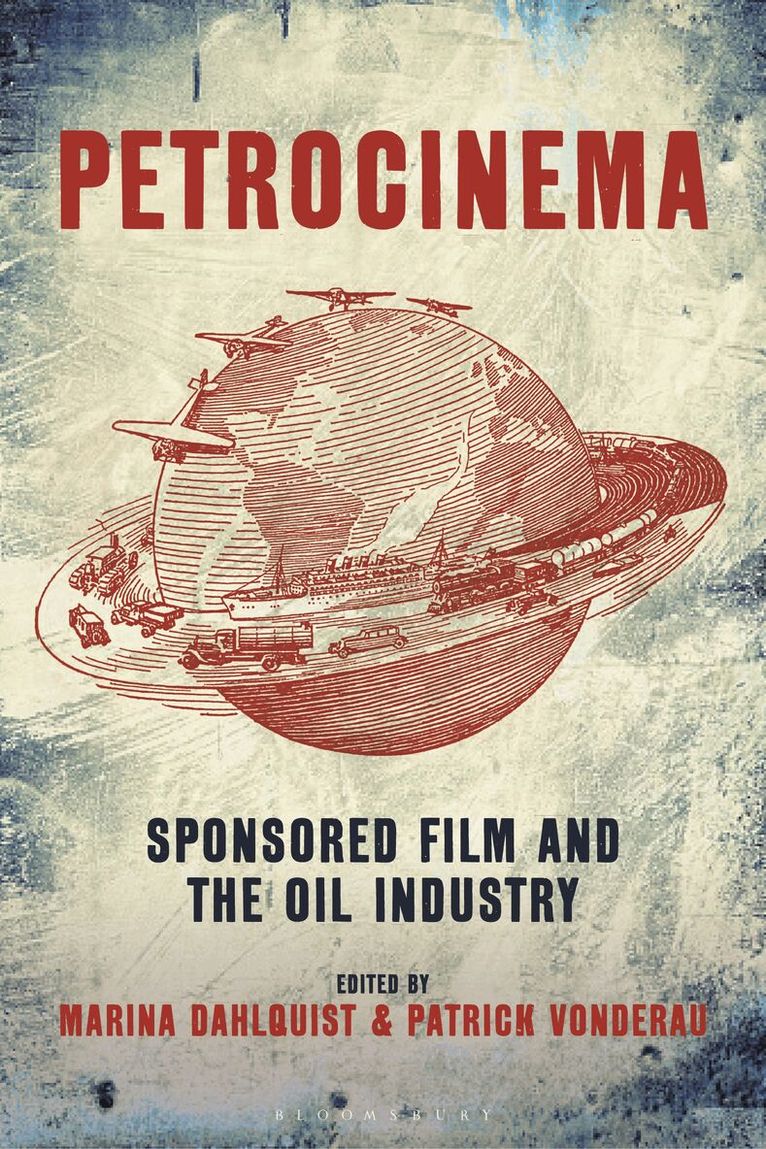
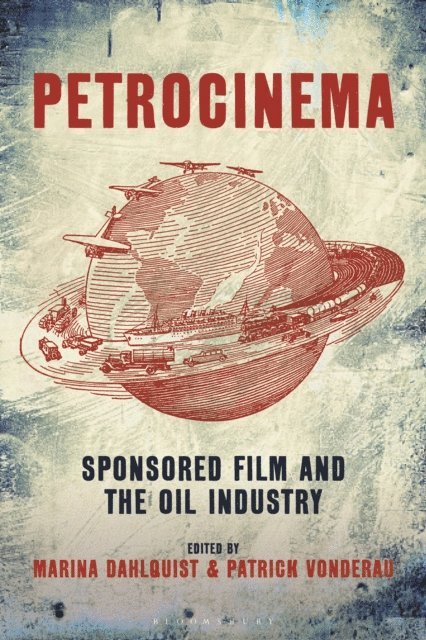
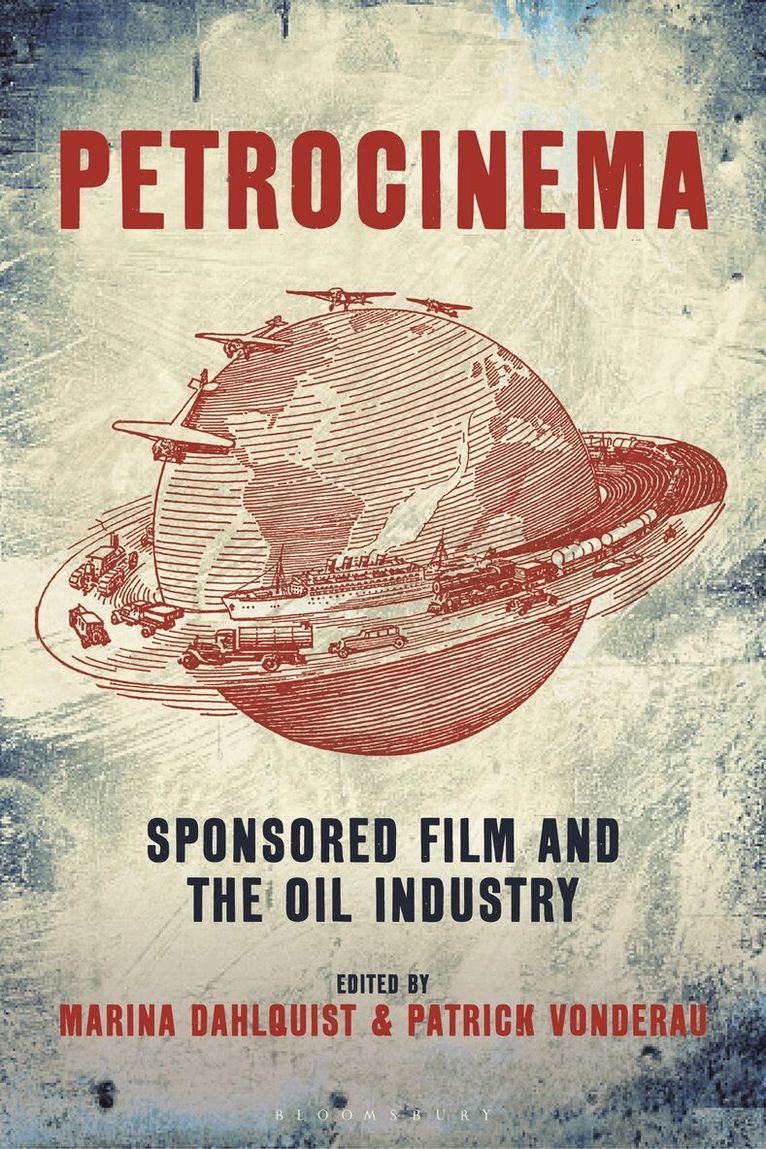
Petrocinema presents a collection of essays concerning the close relationship between the oil industry and modern media—especially film. Since the early 1920s, oil extracting companies such as Standard Oil, Royal Dutch/Shell, ConocoPhillips, or Statoil have been producing and circulating moving images for various purposes including research and training, safety, process observation, or promotion. Such industrial and sponsored films include documentaries, educationals, and commercials that formed part of a larger cultural project to transform the image of oil exploitation, creating media interfaces that would allow corporations to coordinate their goals with broader cultural and societal concerns. Falling outside of the domain of conventional cinema, such films firmly belong to an emerging canon of sponsored and educational film and media that has developed over the past decade. Contributing to this burgeoning field of sponsored and educational film scholarship, chapters in this book bear on the intersecting cultural histories of oil extraction and media history by looking closely at moving image imaginaries of the oil industry, from the earliest origins or “spills” in the 20th century to today’s post industrial “petromelancholia.”
E-bok
Engelska, 2021481 kr
Läs direkt efter köp
Petrocinema presents a collection of essays concerning the close relationship between the oil industry and modern media-especially film. Since the early 1920s, oil extracting companies such as Standard Oil, Royal Dutch/Shell, ConocoPhillips, or Statoil have been producing and circulating moving images for various purposes including research and training, safety, process observation, or promotion. Such industrial and sponsored films include documentaries, educationals, and commercials that formed part of a larger cultural project to transform the image of oil exploitation, creating media interfaces that would allow corporations to coordinate their goals with broader cultural and societal concerns. Falling outside of the domain of conventional cinema, such films firmly belong to an emerging canon of sponsored and educational film and media that has developed over the past decade. Contributing to this burgeoning field of sponsored and educational film scholarship, chapters in this book bear on the intersecting cultural histories of oil extraction and media history by looking closely at moving image imaginaries of the oil industry, from the earliest origins or “spills” in the 20th century to today's post industrial “petromelancholia.”
E-bok
PDF, Engelska, 2021481 kr
Läs direkt efter köp
Petrocinema presents a collection of essays concerning the close relationship between the oil industry and modern media-especially film. Since the early 1920s, oil extracting companies such as Standard Oil, Royal Dutch/Shell, ConocoPhillips, or Statoil have been producing and circulating moving images for various purposes including research and training, safety, process observation, or promotion. Such industrial and sponsored films include documentaries, educationals, and commercials that formed part of a larger cultural project to transform the image of oil exploitation, creating media interfaces that would allow corporations to coordinate their goals with broader cultural and societal concerns. Falling outside of the domain of conventional cinema, such films firmly belong to an emerging canon of sponsored and educational film and media that has developed over the past decade. Contributing to this burgeoning field of sponsored and educational film scholarship, chapters in this book bear on the intersecting cultural histories of oil extraction and media history by looking closely at moving image imaginaries of the oil industry, from the earliest origins or “spills” in the 20th century to today's post industrial “petromelancholia.”
Häftad, Engelska, 2022
456 kr
Skickas inom 10-15 vardagar
Petrocinema presents a collection of essays concerning the close relationship between the oil industry and modern media—especially film. Since the early 1920s, oil extracting companies such as Standard Oil, Royal Dutch/Shell, ConocoPhillips, or Statoil have been producing and circulating moving images for various purposes including research and training, safety, process observation, or promotion. Such industrial and sponsored films include documentaries, educationals, and commercials that formed part of a larger cultural project to transform the image of oil exploitation, creating media interfaces that would allow corporations to coordinate their goals with broader cultural and societal concerns. Falling outside of the domain of conventional cinema, such films firmly belong to an emerging canon of sponsored and educational film and media that has developed over the past decade. Contributing to this burgeoning field of sponsored and educational film scholarship, chapters in this book bear on the intersecting cultural histories of oil extraction and media history by looking closely at moving image imaginaries of the oil industry, from the earliest origins or “spills” in the 20th century to today’s post industrial “petromelancholia.”