Mario Wenning – författare
Visar alla böcker från författaren Mario Wenning. Handla med fri frakt och snabb leverans.
12 produkter
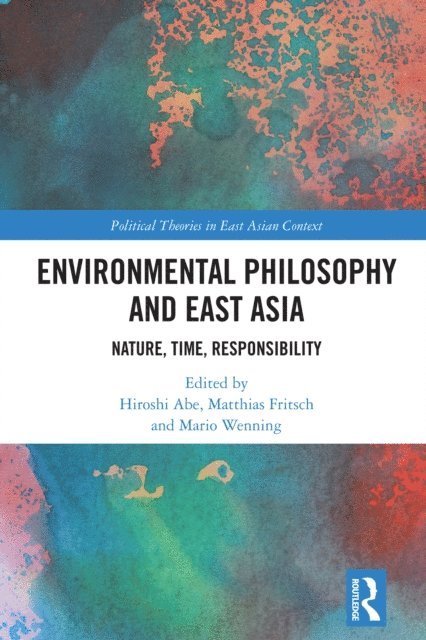
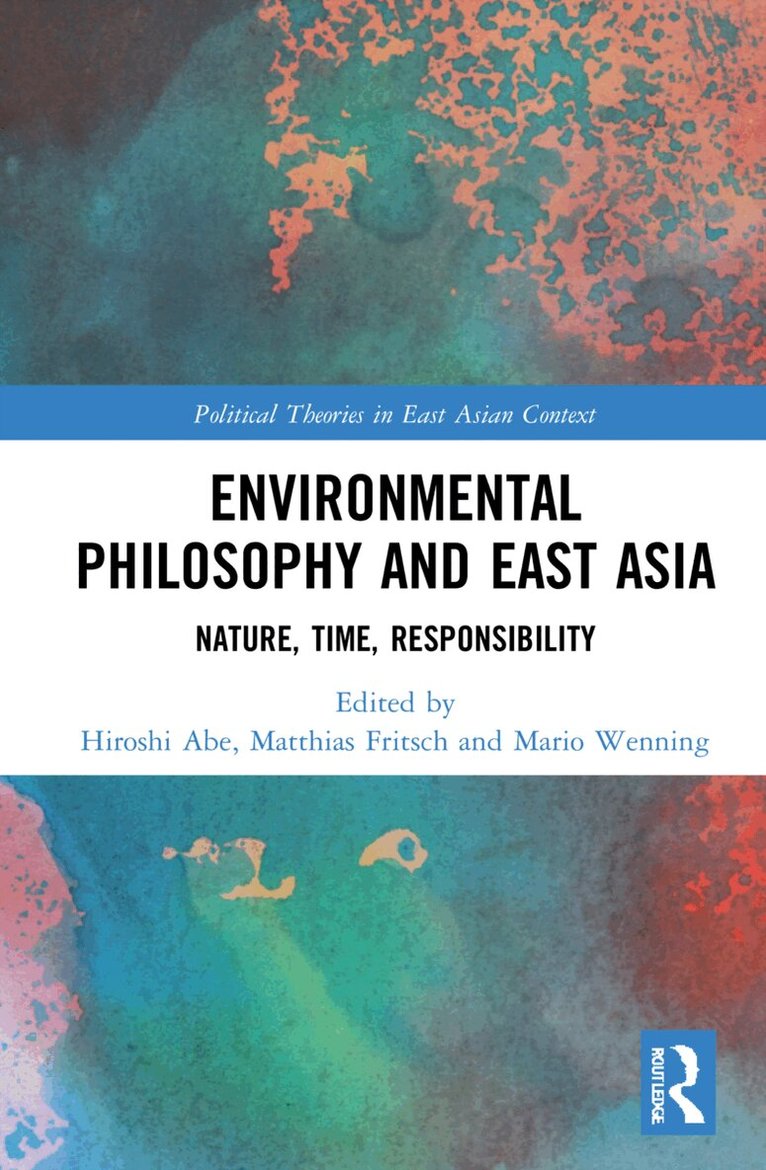
Environmental Philosophy and East Asia
Nature, Time, Responsibility
Av Mario Wenning, Matthias Fritsch m. fl.
E-bok, 2022
814 kr
Lägg i varukorg
This book explores the contributions of East Asian traditions, particularly Buddhism and Daoism, to environmental philosophy in dialogue with European philosophy. It critically examines the conceptions of human responsibility toward nature and across time presented within these traditions. The …
Environmental Philosophy and East Asia
Nature, Time, Responsibility
Av Mario Wenning, Matthias Fritsch m. fl.
E-bok, 2022
814 kr
Lägg i varukorg
This book explores the contributions of East Asian traditions, particularly Buddhism and Daoism, to environmental philosophy in dialogue with European philosophy. It critically examines the conceptions of human responsibility toward nature and across time presented within these traditions. The …
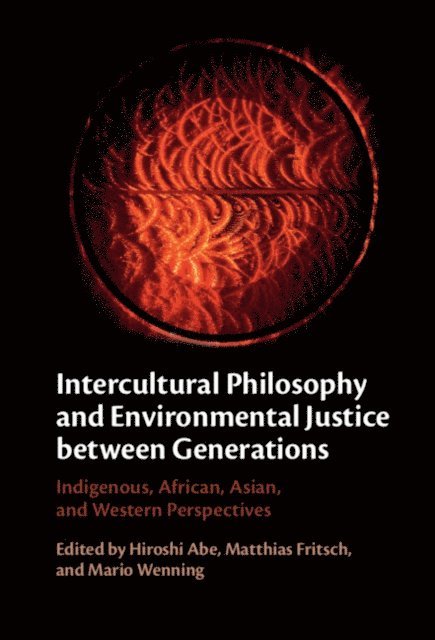
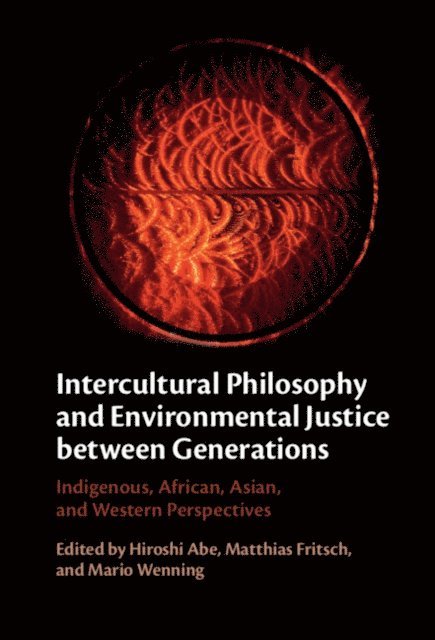
Intercultural Philosophy and Environmental Justice between Generations
Indigenous, African, Asian, and Western Perspectives
Av Mario Wenning, Matthias Fritsch m. fl.
E-bok, 2024
1630 kr
Lägg i varukorg
Intercultural Philosophy and Environmental Justice between Generations
Indigenous, African, Asian, and Western Perspectives
Av Hiroshi Abe, Matthias Fritsch m. fl.
Inbunden, 2024
1644 kr
Lägg i varukorg
This anthology combines an intercultural approach with intergenerational ethics to address critical environmental challenges. Written by scholars from all over the world, including Canada, the US, New Zealand, Nigeria, Ethiopia, Japan, the UK, China, and Spain, this book offers new perspectives on …
Intercultural Philosophy and Environmental Justice between Generations
Indigenous, African, Asian, and Western Perspectives
Av Mario Wenning, Matthias Fritsch m. fl.
E-bok, 2024
1630 kr
Lägg i varukorg
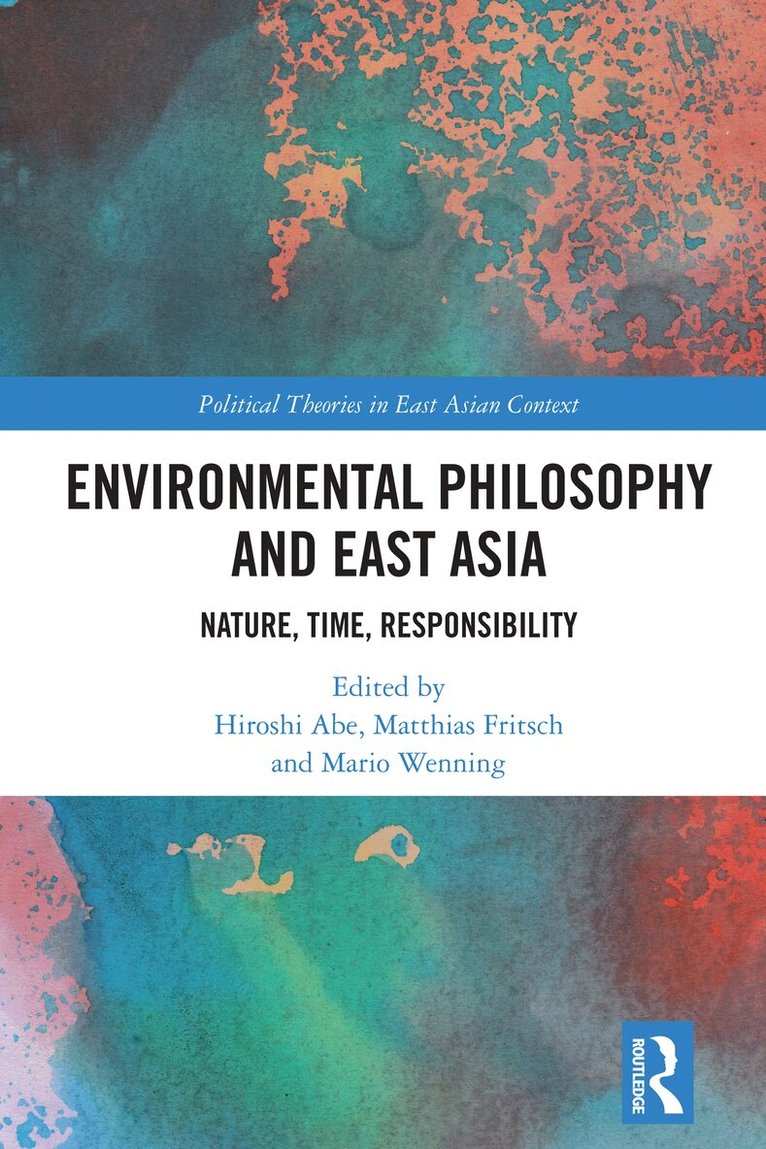
Environmental Philosophy and East Asia
Nature, Time, Responsibility
Av Hiroshi Abe, Matthias Fritsch m. fl.
Inbunden, 2022
2516 kr
Lägg i varukorg
This book explores the contributions of East Asian traditions, particularly Buddhism and Daoism, to environmental philosophy in dialogue with European philosophy. It critically examines the conceptions of human responsibility toward nature and across time presented within these traditions.The …
Environmental Philosophy and East Asia
Nature, Time, Responsibility
Av Hiroshi Abe, Matthias Fritsch m. fl.
Häftad, 2024
692 kr
Lägg i varukorg
This book explores the contributions of East Asian traditions, particularly Buddhism and Daoism, to environmental philosophy in dialogue with European philosophy. It critically examines the conceptions of human responsibility toward nature and across time presented within these traditions.The …
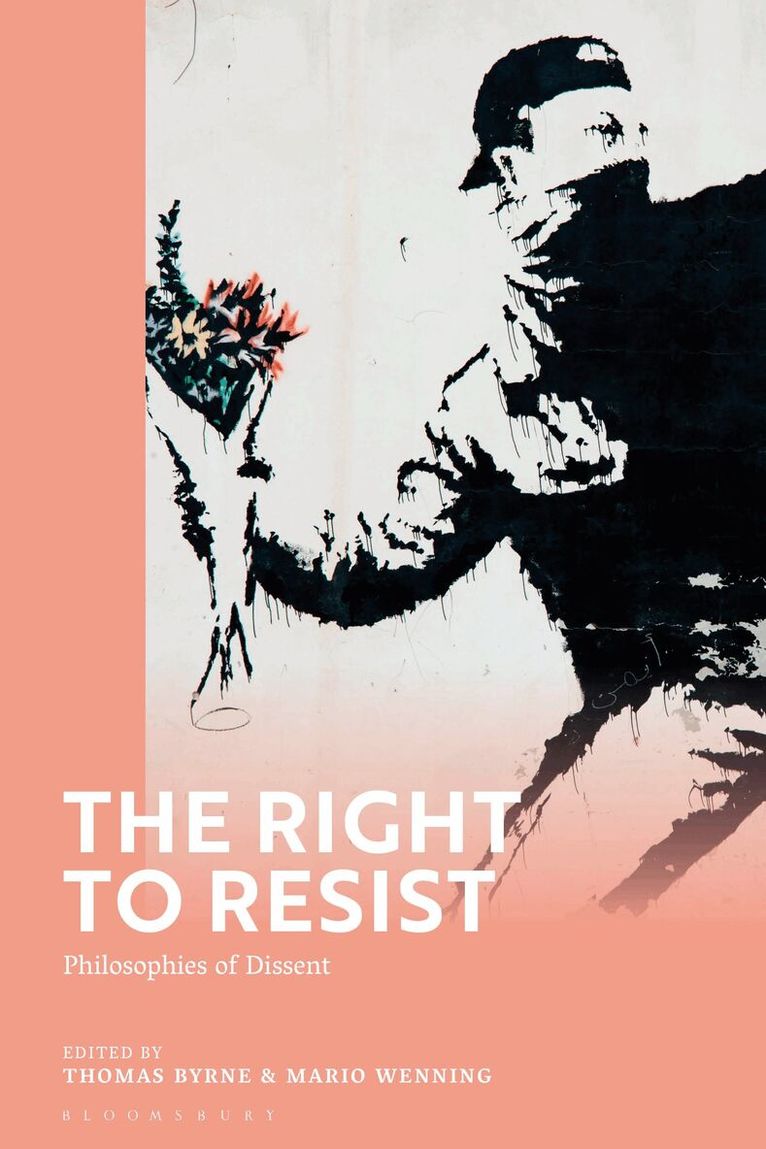
Right to Resist
Philosophies of Dissent
Av Mario Wenning, Thomas Byrne
Inbunden, 2023
1281 kr
Lägg i varukorg
While the idea of total revolution seems anachronistic today, there is increasing consensus about the importance of new forms of political, ethical, and aesthetic resistance. In the past, resistance was often motivated as a form of protest against specific institutions. Increasingly, dissent has …
Right to Resist
Philosophies of Dissent
Av Mario Wenning, Thomas Byrne
E-bok, 2023
468 kr
Lägg i varukorg
While the idea of total revolution seems anachronistic today, there is increasing consensus about the importance of new forms of political, ethical, and aesthetic resistance. In the past, resistance was often motivated as a form of protest against specific institutions. Increasingly, dissent has …
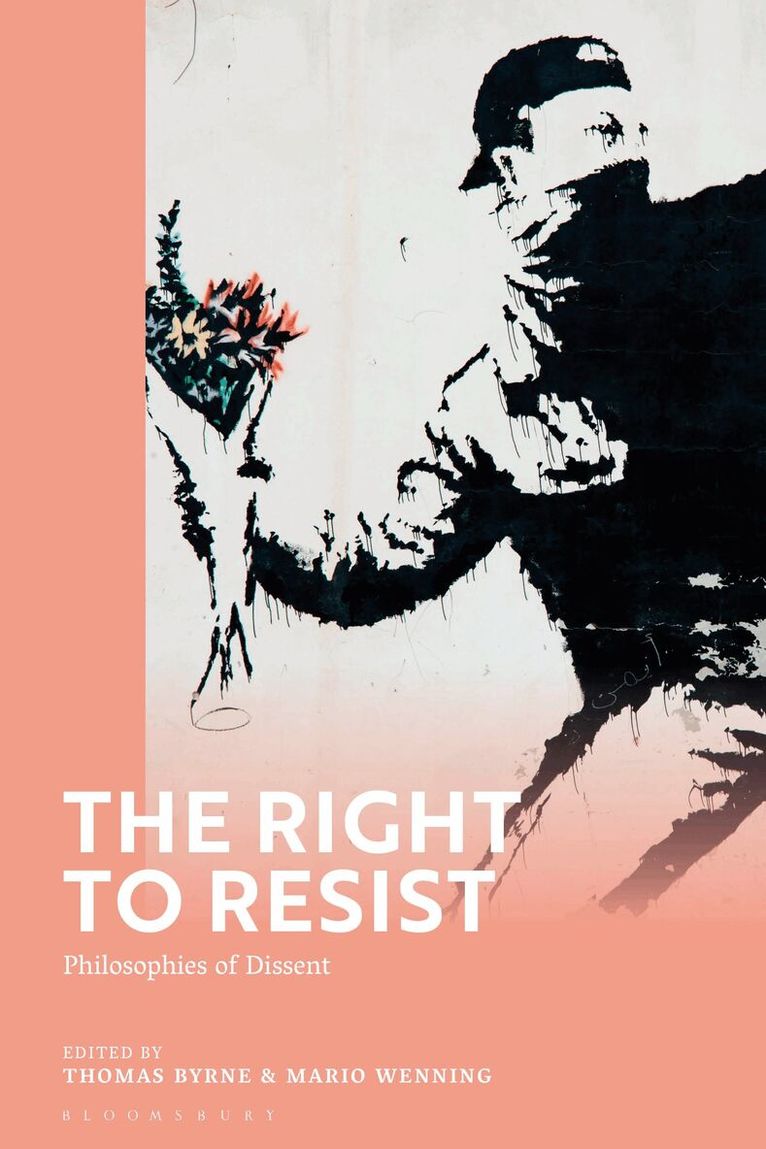
Right to Resist
Philosophies of Dissent
Av Mario Wenning, Thomas Byrne
E-bok, 2023
468 kr
Lägg i varukorg
While the idea of total revolution seems anachronistic today, there is increasing consensus about the importance of new forms of political, ethical, and aesthetic resistance. In the past, resistance was often motivated as a form of protest against specific institutions. Increasingly, dissent has …
Right to Resist
Philosophies of Dissent
Av Mario Wenning, Thomas Byrne
Häftad, 2024
431 kr
Lägg i varukorg
While the idea of total revolution seems anachronistic today, there is increasing consensus about the importance of new forms of political, ethical, and aesthetic resistance. In the past, resistance was often motivated as a form of protest against specific institutions. Increasingly, dissent has …
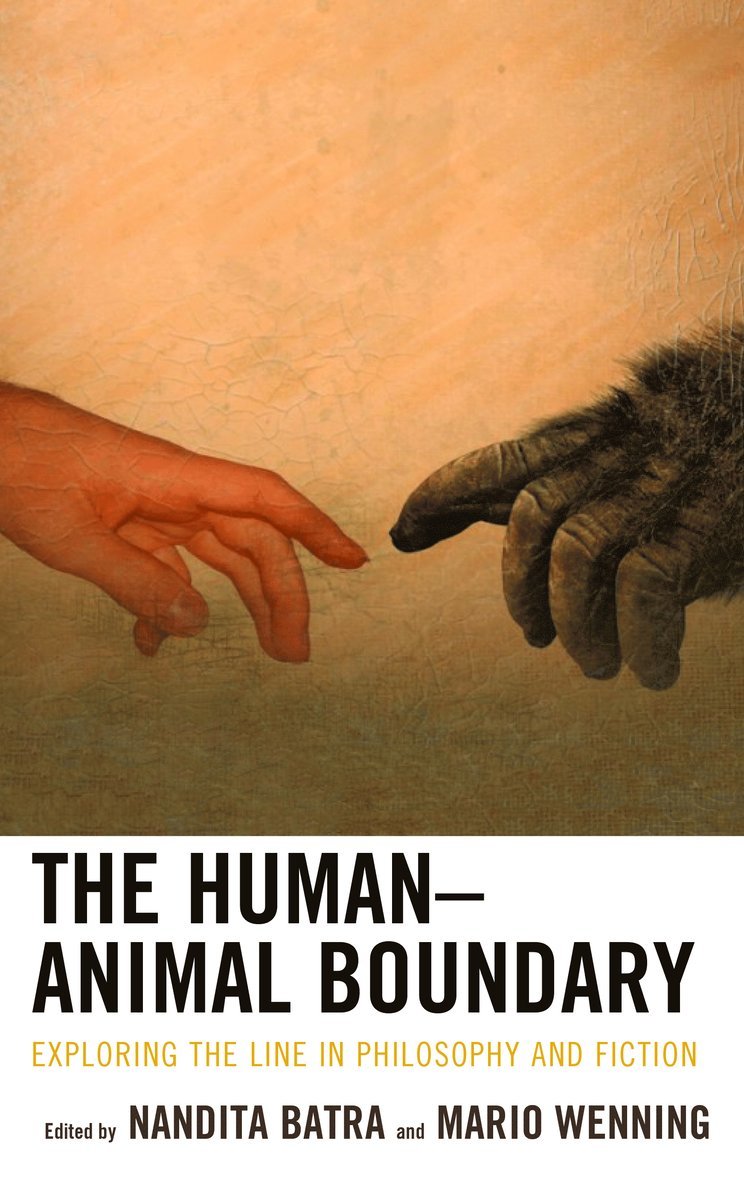
Human–Animal Boundary
Exploring the Line in Philosophy and Fiction
Av Nandita Batra, Mario Wenning
Häftad, 2021
594 kr
Lägg i varukorg
Throughout the centuries philosophers and poets alike have defended an essential difference—rather than a porous transition—between the human and animal. Attempts to assign essential properties to humans (e.g., language, reason, or morality) often reflected ulterior aims to defend a privileged …