Marisa Anne Bass – författare
Visar alla böcker från författaren Marisa Anne Bass. Handla med fri frakt och snabb leverans.
7 produkter
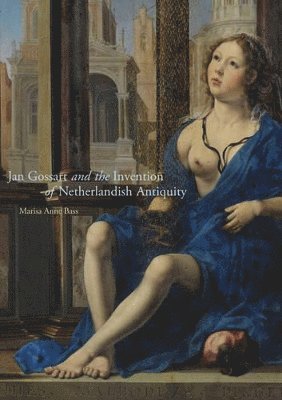
Jan Gossart and the Invention of Netherlandish Antiquity
Inbunden, 2016
695 kr
Lägg i varukorg
This is the first in-depth historical study of Jan Gossart (ca. 1478-1532), one of the most important painters of the Renaissance in northern Europe. Providing a richly illustrated narrative of the Netherlandish artist's life and art, Marisa Anne Bass shows how Gossart's paintings were part of a …
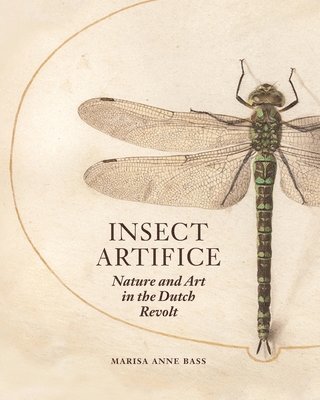
Insect Artifice
Nature and Art in the Dutch Revolt
Inbunden, 2019
703 kr
Lägg i varukorg
How the nature illustrations of a Renaissance polymath reflect his turbulent ageThis pathbreaking and stunningly illustrated book recovers the intersections between natural history, politics, art, and philosophy in the late sixteenth-century Low Countries. Insect Artifice explores the moment when …
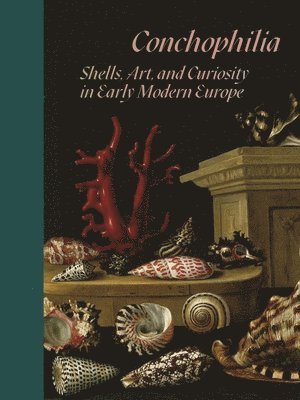
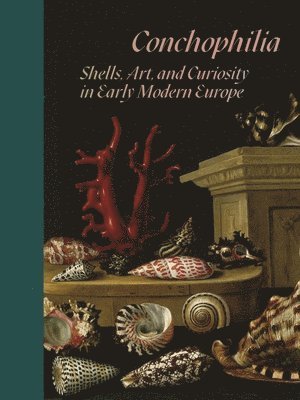
Conchophilia
Shells, Art, and Curiosity in Early Modern Europe
Av Marisa Anne Bass, Anne Goldgar m. fl.
Inbunden, 2021
5,0 utav 5 stjärnor. Totalt antal röster: (1)
545 kr
Lägg i varukorg
A captivating historical look at the cultural and artistic significance of shells in early modern EuropeAmong nature’s most artful creations, shells have long inspired the curiosity and passion of artisans, artists, collectors, and thinkers. Conchophilia delves into the intimate relationship …
Conchophilia
Shells, Art, and Curiosity in Early Modern Europe
Av Claudia Swan, Hanneke Grootenboer m. fl.
E-bok, 2021
514 kr
Lägg i varukorg
A captivating historical look at the cultural and artistic significance of shells in early modern Europe Among nature’s most artful creations, shells have long inspired the curiosity and passion of artisans, artists, collectors, and thinkers. Conchophilia delves into the intimate relationship …
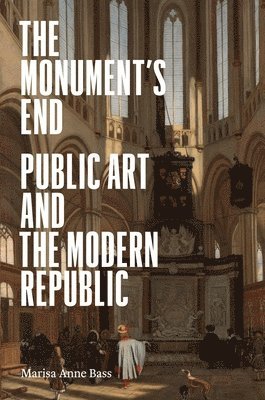
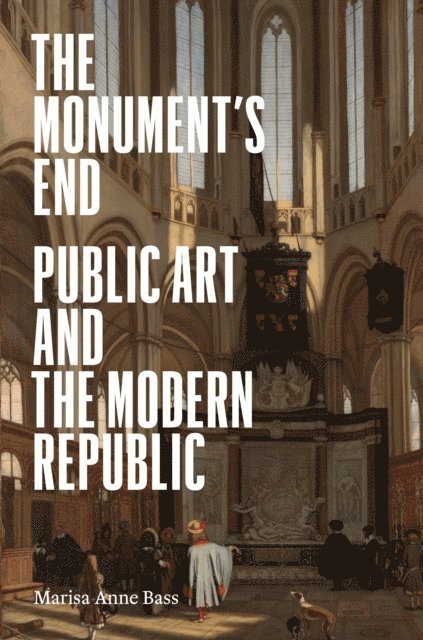
Monument’s End
Public Art and the Modern Republic
Inbunden, 2024
316 kr
Lägg i varukorg
How today’s questions surrounding monuments and the ways we commemorate our past first arose in Rembrandt’s timeMonuments occupy a controversial place in nations founded on principles of freedom and self-governance. It is no accident that when we think of monuments, we think of statues modeled on …
Monument's End
Public Art and the Modern Republic
E-bok, 2024
441 kr
Lägg i varukorg
How today’s questions surrounding monuments and the ways we commemorate our past first arose in Rembrandt’s time Monuments occupy a controversial place in nations founded on principles of freedom and self-governance. It is no accident that when we think of monuments, we think of statues modeled on …
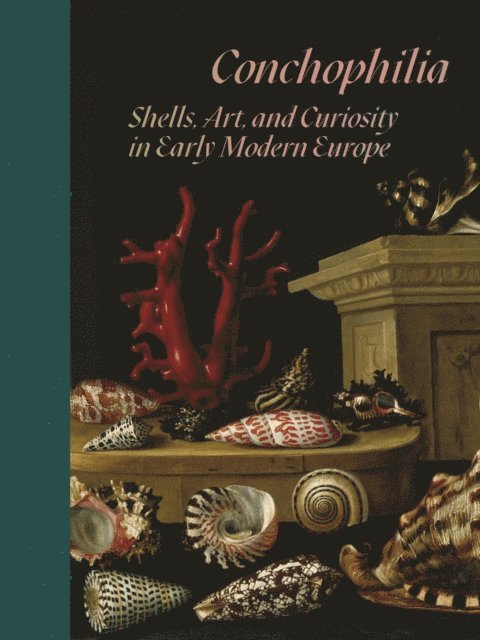
Conchophilia
Shells, Art, and Curiosity in Early Modern Europe
Av Marisa Anne Bass, Anne Goldgar m. fl.
Häftad, 2023
470 kr
Lägg i varukorg
A captivating historical look at the cultural and artistic significance of shells in early modern EuropeAmong nature’s most artful creations, shells have long inspired the curiosity and passion of artisans, artists, collectors, and thinkers. Conchophilia delves into the intimate relationship …