Deepen your awareness through the Tibetan practice of sleep and dream yoga—both presented here in this “thought-provoking, inspiring, and lucid” guide (Stephen LaBerge, PhD, author of Lucid Dreaming) It is said that the practice of dream yoga deepens our awareness during all our experience: the dreams of the night; the dream-like experience of the day; and the bardo experiences after death. Indeed, the practice of dream yoga is a powerful tool of awakening, used for hundreds of years by the great masters of the Tibetan traditions. Unlike in the Western psychological approach to dreams, the ultimate goal of Tibetan dream yoga is the recognition of the nature of mind or enlightenment itself. "If we cannot carry our practice into sleep," Tenzin Wangyal Rinpoche states, "if we lose ourselves every night, what chance do we have to be aware when death comes? Look to your experience in dreams to know how you will fare in death. Look to your experience of sleep to discover whether or not you are truly awake."
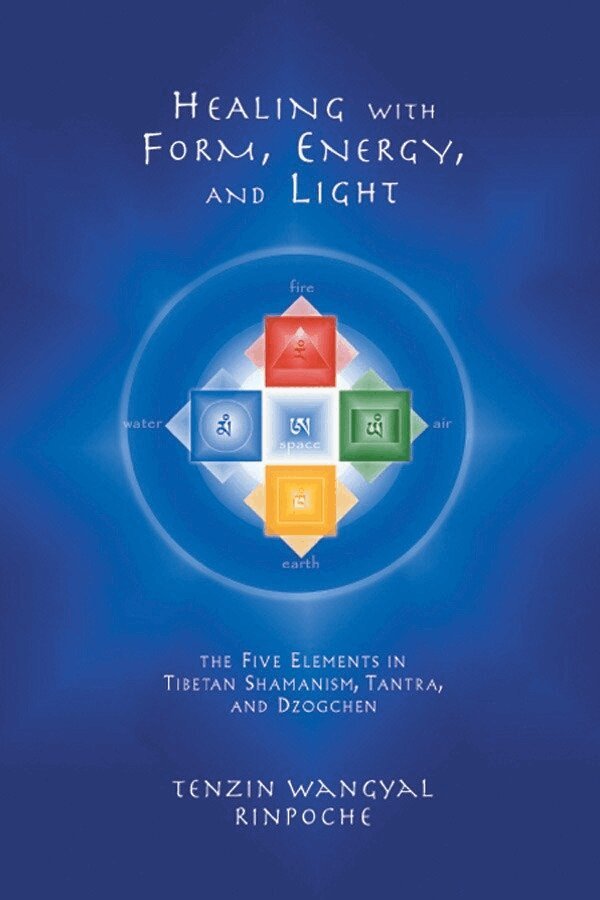
A Buddhist manual for replacing an anxious, narrow, uncomfortable identity with one that is expansive, peaceful, and capable. In the shamanic worldview of Tibet, the five elements of earth, water, fire, air, and space are accessed through the raw powers of nature and through non-physical beings associated with the natural world. The Tibetan tantric view recognizes the elements as five kinds of energy in the body and balances them with a program of yogic movements, breathing exercises, and visualizations. In Dzogchen teachings, the elements are understood to be the radiance of being, and are accessed through pure awareness. Healing with Form, Energy, and Light offers the reader healing meditations and yogic practices on each of these levels. Tenzin Rinpoche's purpose is to strengthen our connection to the sacred aspect of the natural world and to present a guide that explains why certain practices are necessary and in what situations practices are effective or a hindrance. And the world too is transformed from dead matter and blind processes into a sacred landscape filled with an infinite variety of living forces and beings."The secrets freely given in this volume can help us lay sound foundations for whatever yogic practice we may adopt. Tenzin Rinpoche has rendered all a great service." —Yoga Studies
Deepen your awareness through the Tibetan practice of sleep and dream yoga—both presented here in this “thought-provoking, inspiring, and lucid” guide (Stephen LaBerge, PhD, author of Lucid Dreaming) It is said that the practice of dream yoga deepens our awareness during all our experience: the dreams of the night; the dream-like experience of the day; and the bardo experiences after death. Indeed, the practice of dream yoga is a powerful tool of awakening, used for hundreds of years by the great masters of the Tibetan traditions. Unlike in the Western psychological approach to dreams, the ultimate goal of Tibetan dream yoga is the recognition of the nature of mind or enlightenment itself. "If we cannot carry our practice into sleep," Tenzin Wangyal Rinpoche states, "if we lose ourselves every night, what chance do we have to be aware when death comes? Look to your experience in dreams to know how you will fare in death. Look to your experience of sleep to discover whether or not you are truly awake."
A Buddhist manual for replacing an anxious, narrow, uncomfortable identity with one that is expansive, peaceful, and capable. In the shamanic worldview of Tibet, the five elements of earth, water, fire, air, and space are accessed through the raw powers of nature and through non-physical beings associated with the natural world. The Tibetan tantric view recognizes the elements as five kinds of energy in the body and balances them with a program of yogic movements, breathing exercises, and visualizations. In Dzogchen teachings, the elements are understood to be the radiance of being, and are accessed through pure awareness. Healing with Form, Energy, and Light offers the reader healing meditations and yogic practices on each of these levels. Tenzin Rinpoche's purpose is to strengthen our connection to the sacred aspect of the natural world and to present a guide that explains why certain practices are necessary and in what situations practices are effective or a hindrance. And the world too is transformed from dead matter and blind processes into a sacred landscape filled with an infinite variety of living forces and beings."The secrets freely given in this volume can help us lay sound foundations for whatever yogic practice we may adopt. Tenzin Rinpoche has rendered all a great service." —Yoga Studies