Mark S. Meskin – författare
Visar alla böcker från författaren Mark S. Meskin. Handla med fri frakt och snabb leverans.
18 produkter
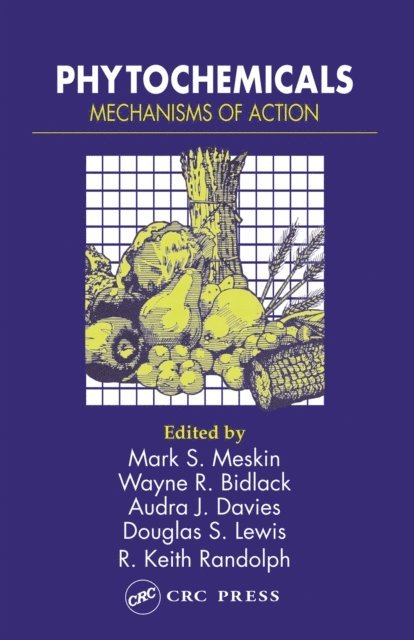
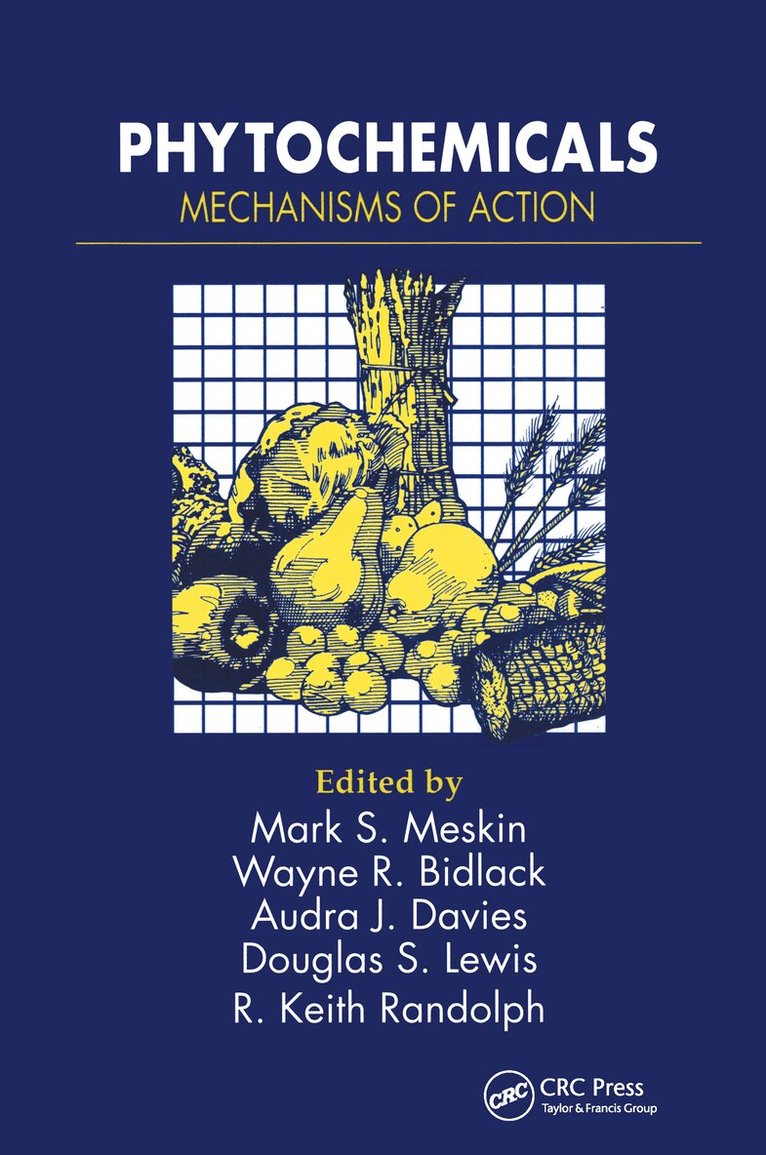
Phytochemicals
Mechanisms of Action
Av R. Keith Randolph, Douglas S. Lewis m. fl.
E-bok, 2003
4190 kr
Lägg i varukorg
Phytochemicals: Mechanisms of Action is the latest volume in a highly regarded series that addresses the roles of phytochemicals in disease prevention and health promotion. The text, an ideal tool for scientists and researchers in the fields of functional foods and nutraceuticals, links diets rich …
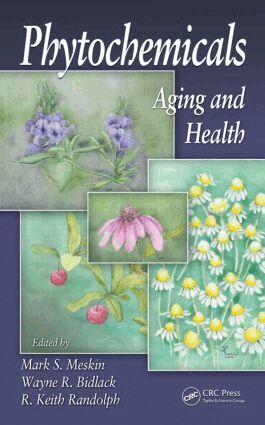
Phytochemicals
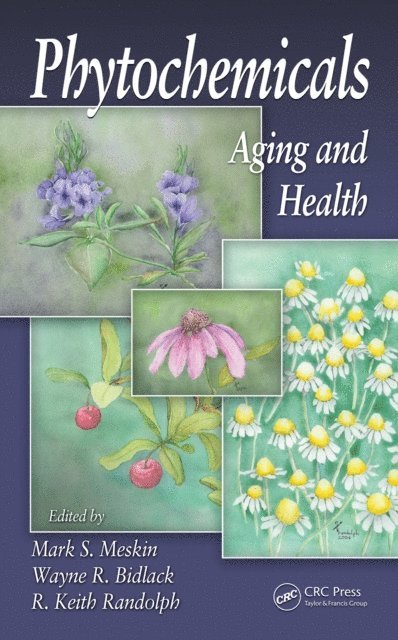
Aging and Health
Av Mark S. Meskin, Wayne R. Bidlack m. fl.
Häftad, 2019
1071 kr
Lägg i varukorg
The fastest growing demographic in both developed and developing societies around the world, the elderly bring unique medical and financial health-care burdens. In response to this phenomenon, a large and growing body of research is directed toward the science of healthy aging. A substantial amount …
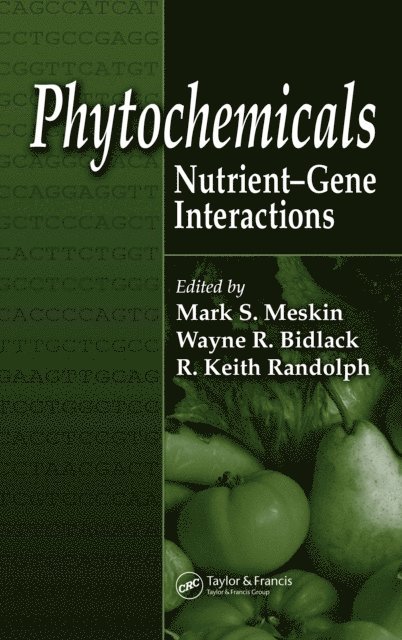
Phytochemicals
Nutrient-Gene Interactions
Av Mark S. Meskin, Wayne R. Bidlack m. fl.
Häftad, 2019
1071 kr
Lägg i varukorg
Understanding phytochemical–gene interactions provides the basis for individualized therapies to promote health as well as prevent and treat disease. The authors of Phytochemicals: Nutrient–Gene Interactions examine the interactions between phytochemicals and the human genome and discuss the impact …
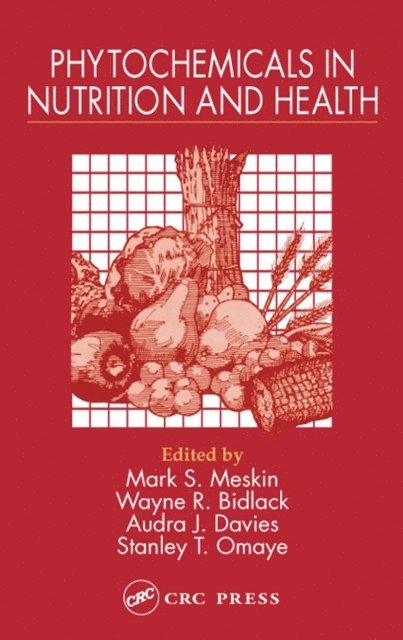
Phytochemicals in Nutrition and Health
Av Mark S. Meskin, Wayne R. Bidlack m. fl.
Häftad, 2020
1040 kr
Lägg i varukorg
Are soy isoflavones neuroprotective? Just how different is one species of Echinacea from another? Which phytochemicals will be effective as therapeutic agents in vivo? Supported by solid scientific research, Phytochemicals in Nutrition and Health helps provide answers to these and other probing …
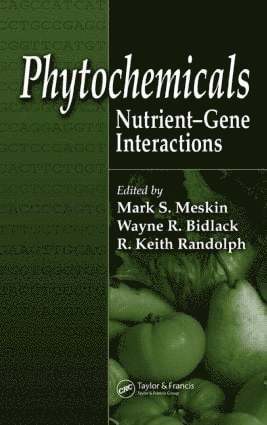
Phytochemicals
Nutrient-Gene Interactions
Av Mark S. Meskin, Wayne R. Bidlack m. fl.
Inbunden, 2006
3980 kr
Lägg i varukorg
Understanding phytochemical–gene interactions provides the basis for individualized therapies to promote health as well as prevent and treat disease. The authors of Phytochemicals: Nutrient–Gene Interactions examine the interactions between phytochemicals and the human genome and discuss the impact …
Phytochemicals as Bioactive Agents
Av Debra K.W. Topham, Mark S. Meskin m. fl.
E-bok, 2000
4242 kr
Lägg i varukorg
Phytochemicals as Bioactive Agents focuses on the mechanisms of action of phytochemicals identified as displaying bioactivity in the prevention of cancer, heart disease and other diseases and the prospects for developing functional foods containing these bioactive compounds. Internationally …
Phytochemicals
Nutrient-Gene Interactions
Av R. Keith Randolph, Wayne R. Bidlack m. fl.
E-bok, 2006
1266 kr
Lägg i varukorg
Understanding phytochemical–gene interactions provides the basis for individualized therapies to promote health as well as prevent and treat disease. The authors of Phytochemicals: Nutrient–Gene Interactions examine the interactions between phytochemicals and the human genome and discuss the …
Phytochemicals
Aging and Health
Av R. Keith Randolph, Wayne R. Bidlack m. fl.
E-bok, 2008
1239 kr
Lägg i varukorg
The fastest growing demographic in both developed and developing societies around the world, the elderly bring unique medical and financial health-care burdens. In response to this phenomenon, a large and growing body of research is directed toward the science of healthy aging. A substantial amount …
Phytochemicals in Nutrition and Health
Av Stanley T. Omaye, Audra J. Davies m. fl.
E-bok, 2002
1231 kr
Lägg i varukorg
Are soy isoflavones neuroprotective? Just how different is one species of Echinacea from another? Which phytochemicals will be effective as therapeutic agents in vivo? Supported by solid scientific research, Phytochemicals in Nutrition and Health helps provide answers to these and other probing …
Phytochemicals
Mechanisms of Action
Av R. Keith Randolph, Douglas S. Lewis m. fl.
E-bok, 2003
4190 kr
Lägg i varukorg
Phytochemicals: Mechanisms of Action is the latest volume in a highly regarded series that addresses the roles of phytochemicals in disease prevention and health promotion. The text, an ideal tool for scientists and researchers in the fields of functional foods and nutraceuticals, links diets rich …
Phytochemicals
Nutrient-Gene Interactions
Av R. Keith Randolph, Wayne R. Bidlack m. fl.
E-bok, 2006
1266 kr
Lägg i varukorg
Understanding phytochemical–gene interactions provides the basis for individualized therapies to promote health as well as prevent and treat disease. The authors of Phytochemicals: Nutrient–Gene Interactions examine the interactions between phytochemicals and the human genome and discuss the …
Phytochemicals in Nutrition and Health
Av Stanley T. Omaye, Audra J. Davies m. fl.
E-bok, 2002
1204 kr
Lägg i varukorg
Are soy isoflavones neuroprotective? Just how different is one species of Echinacea from another? Which phytochemicals will be effective as therapeutic agents in vivo? Supported by solid scientific research, Phytochemicals in Nutrition and Health helps provide answers to these and other probing …
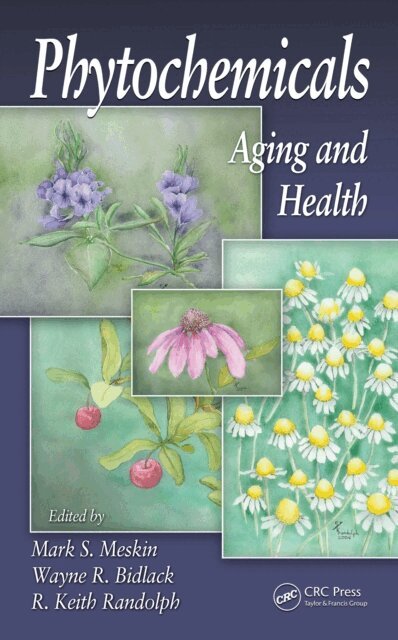
Phytochemicals
Aging and Health
Av Mark S. Meskin, Wayne R. Bidlack m. fl.
Inbunden, 2008
3154 kr
Lägg i varukorg
The fastest growing demographic in both developed and developing societies around the world, the elderly bring unique medical and financial health-care burdens. In response to this phenomenon, a large and growing body of research is directed toward the science of healthy aging. A substantial amount …
Phytochemicals
Aging and Health
Av R. Keith Randolph, Wayne R. Bidlack m. fl.
E-bok, 2008
1266 kr
Lägg i varukorg
The fastest growing demographic in both developed and developing societies around the world, the elderly bring unique medical and financial health-care burdens. In response to this phenomenon, a large and growing body of research is directed toward the science of healthy aging. A substantial amount …
Phytochemicals as Bioactive Agents
Av Debra K.W. Topham, Mark S. Meskin m. fl.
E-bok, 2000
4242 kr
Lägg i varukorg
Phytochemicals as Bioactive Agents focuses on the mechanisms of action of phytochemicals identified as displaying bioactivity in the prevention of cancer, heart disease and other diseases and the prospects for developing functional foods containing these bioactive compounds. Internationally …
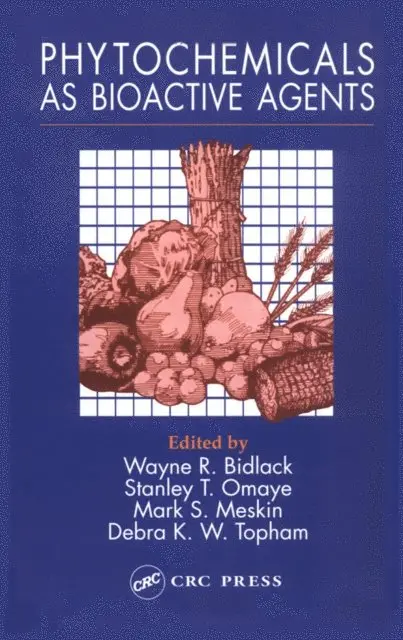
Phytochemicals as Bioactive Agents
Av Wayne R. Bidlack, Stanley T. Omaye m. fl.
Inbunden, 2000
3790 kr
Lägg i varukorg
Phytochemicals as Bioactive Agents focuses on the mechanisms of action of phytochemicals identified as displaying bioactivity in the prevention of cancer, heart disease and other diseases, and the prospects for developing functional foods containing these bioactive compounds. An internationally …
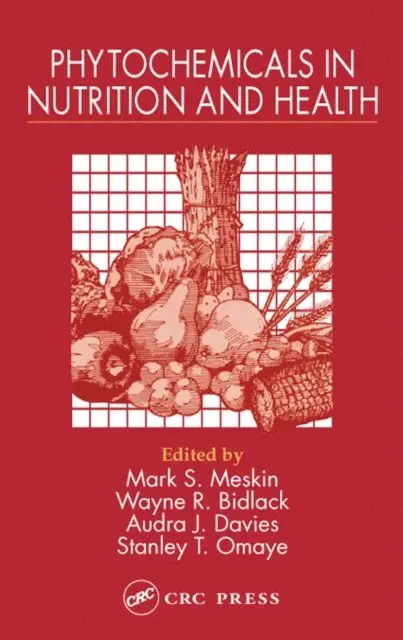
Phytochemicals in Nutrition and Health
Av Mark S. Meskin, Wayne R. Bidlack m. fl.
Inbunden, 2002
3361 kr
Lägg i varukorg
Are soy isoflavones neuroprotective? Just how different is one species of Echinacea from another? Which phytochemicals will be effective as therapeutic agents in vivo? Supported by solid scientific research, Phytochemicals in Nutrition and Health helps provide answers to these and other probing …
Phytochemicals
Mechanisms of Action
Av Mark S. Meskin, Wayne R. Bidlack m. fl.
Inbunden, 2003
2185 kr
Tillfälligt slut
Phytochemicals: Mechanisms of Action is the latest volume in a highly regarded series that addresses the roles of phytochemicals in disease prevention and health promotion. The text, an ideal tool for scientists and researchers in the fields of functional foods and nutraceuticals, links diets rich …